

 6 hours ago
8
PROTECT YOUR DNA WITH QUANTUM TECHNOLOGY
Orgo-Life the new way to the future Advertising by Adpathway Shutterstock
A home filled with laughter, conversations, and everyday family activities feels even more special with a dog who loves being part of the action. Some breeds thrive on companionship, following family members from room to room and joining celebrations with wagging tails and cheerful enthusiasm. While every dog has a unique personality, certain breeds are known for their affectionate, people-oriented nature. From playful companions to gentle cuddle experts, these dogs remind us that happy households often have a four-legged family member who never wants to miss a moment.
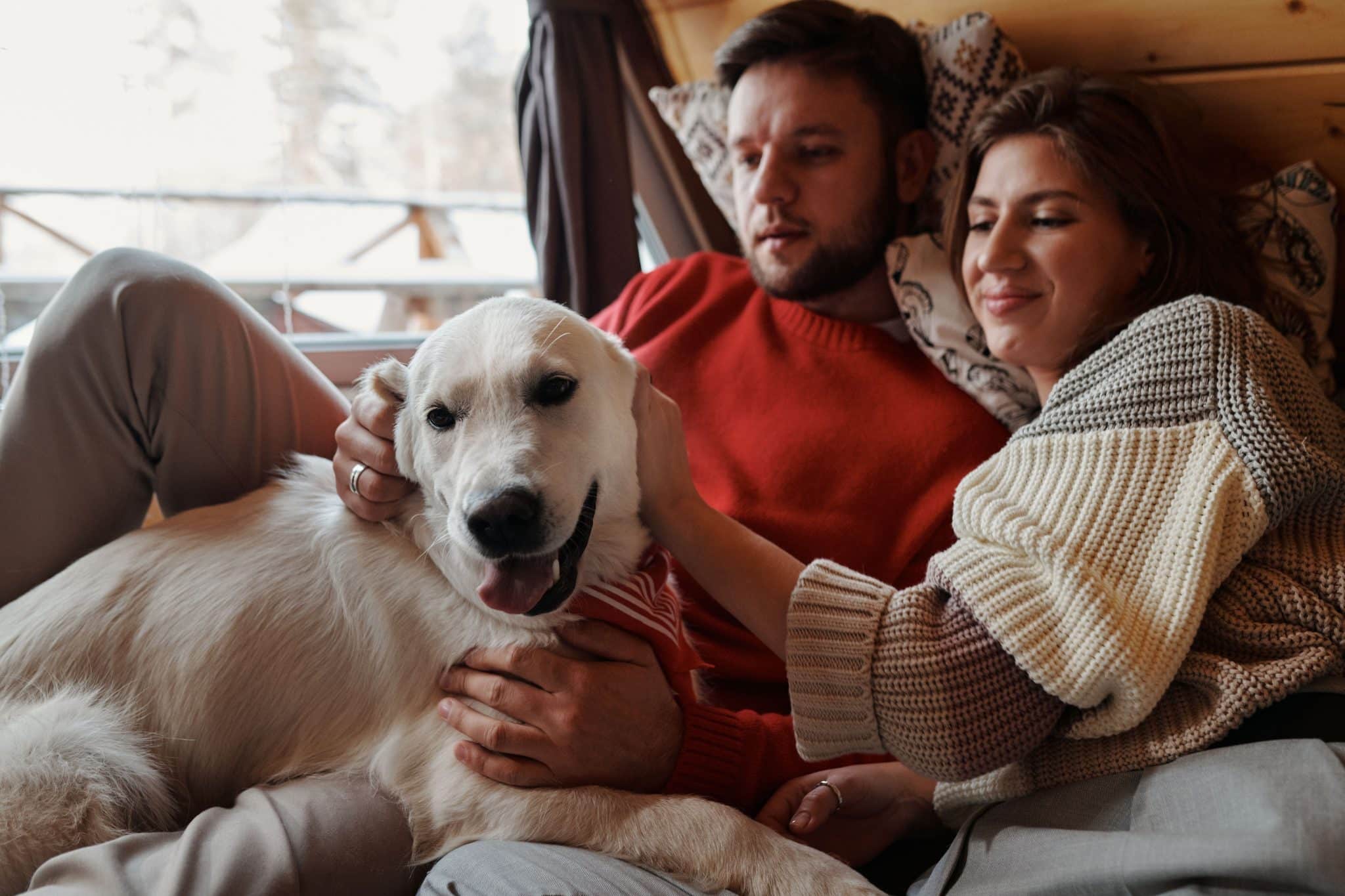
Golden Retriever
 Shutterstock
Golden Retrievers are famous for their friendly personalities, affectionate nature, and enthusiasm for spending time with their favorite people. These sociable dogs often enjoy participating in everyday household activities, from relaxing nearby during quiet evenings to joining outdoor adventures with the family. Their patience and eagerness to please can make them wonderful companions in homes with children, provided interactions are supervised and children learn to treat dogs respectfully. Golden Retrievers also tend to enjoy meeting familiar visitors, making a busy household feel like an exciting opportunity for companionship rather than an interruption. Their love of connection means they often appreciate having a place in the family’s daily routine, and walks, retrieving games, training sessions, and shared downtime help them feel included while providing essential exercise and mental stimulation. Golden Retrievers are energetic when young and can be enthusiastic enough to accidentally knock over small children, so teaching polite greetings and calm behavior is important. With consistent training, regular grooming, and plenty of affection, these lovable dogs can become devoted companions who seem convinced that every family gathering is an invitation to make another friend.
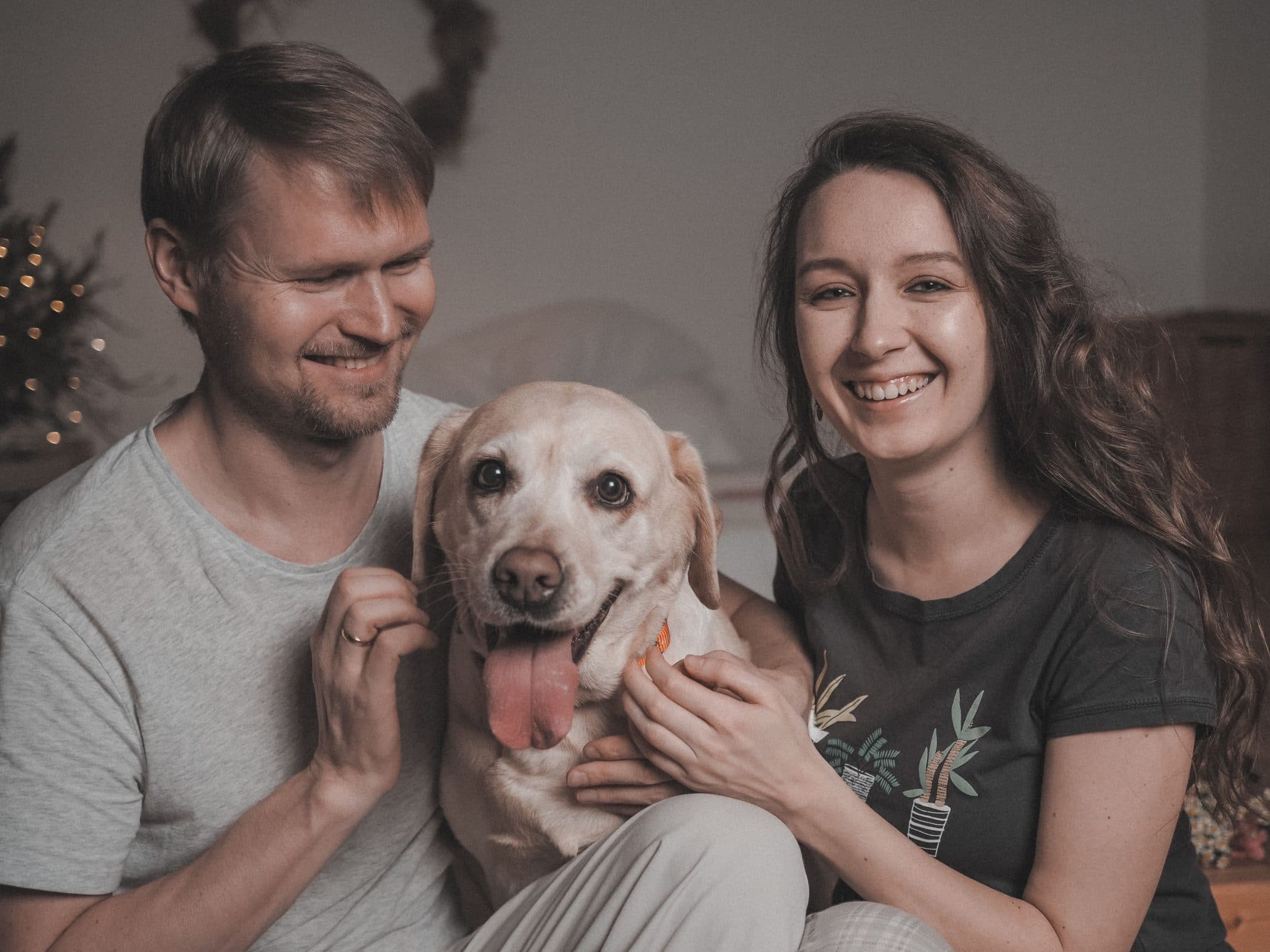
Labrador Retriever
 Shutterstock
Labrador Retrievers are outgoing, affectionate dogs that often thrive when they have plenty of opportunities to interact with their families. Their playful personalities and willingness to participate in activities make them popular companions for active households, including those that enjoy walks, outdoor games, and weekend adventures. Many Labradors enjoy meeting visitors and spending time with children, although individual temperaments vary and supervision remains essential. Their enthusiasm can make ordinary moments feel exciting, especially when a favorite person appears with a leash or announces that it is time to play. Labradors typically appreciate being included in family routines rather than spending long periods without companionship, and their intelligence and food motivation can make positive reinforcement training enjoyable. These dogs need regular exercise because their playful energy can become difficult to manage when they are bored. Their short coats still shed, and their appetites require sensible portion control to help maintain a healthy weight. For families willing to provide training, activity, and affection, a Labrador can bring an infectious sense of fun to a bustling home.
Cavalier King Charles Spaniel
 Shutterstock
The Cavalier King Charles Spaniel is a loving companion known for its gentle expression, affectionate temperament, and enjoyment of human company. These small dogs often prefer staying close to their families, whether that means curling up beside someone during a movie or quietly following people through their daily routines. Their adaptable nature can suit households with different activity levels, as they generally enjoy both relaxed companionship and playful outings. Cavaliers are often friendly toward familiar visitors, giving them the potential to fit comfortably into homes where people frequently come and go. Their strong attachment to people makes consistent companionship especially important, while gentle walks, reward-based training, playtime, and relaxed moments together help them feel secure and engaged. Although their sweet appearance may encourage constant cuddling, children should learn to handle them carefully and respect their need for rest. Cavaliers can also be prone to certain inherited health conditions, including heart disease and neurological problems, so responsible breeding and regular veterinary care matter. For families seeking an affectionate dog who enjoys being near the action without needing an extremely demanding exercise routine, this breed can be a wonderful fit.
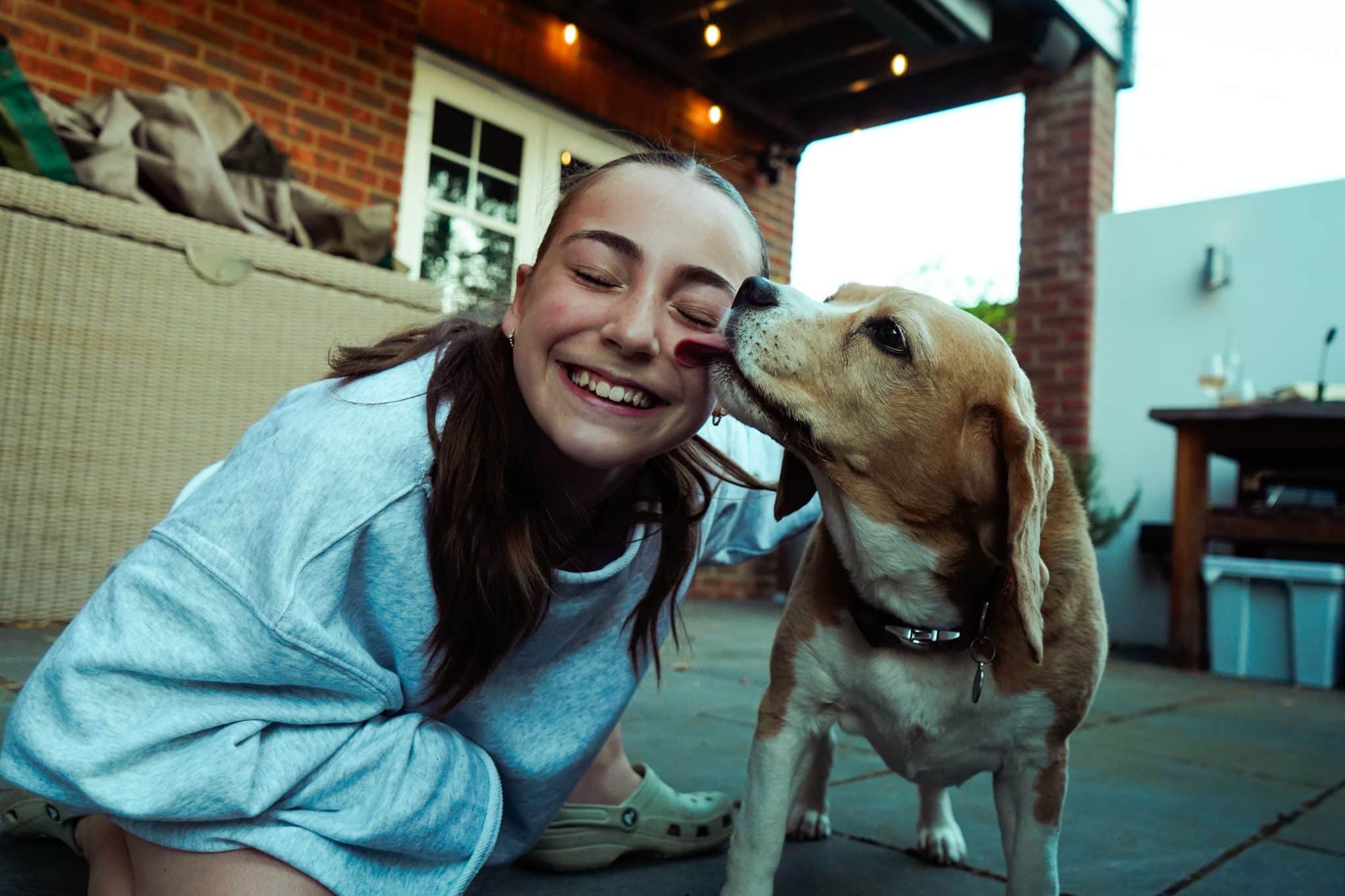
Beagle
 Shutterstock
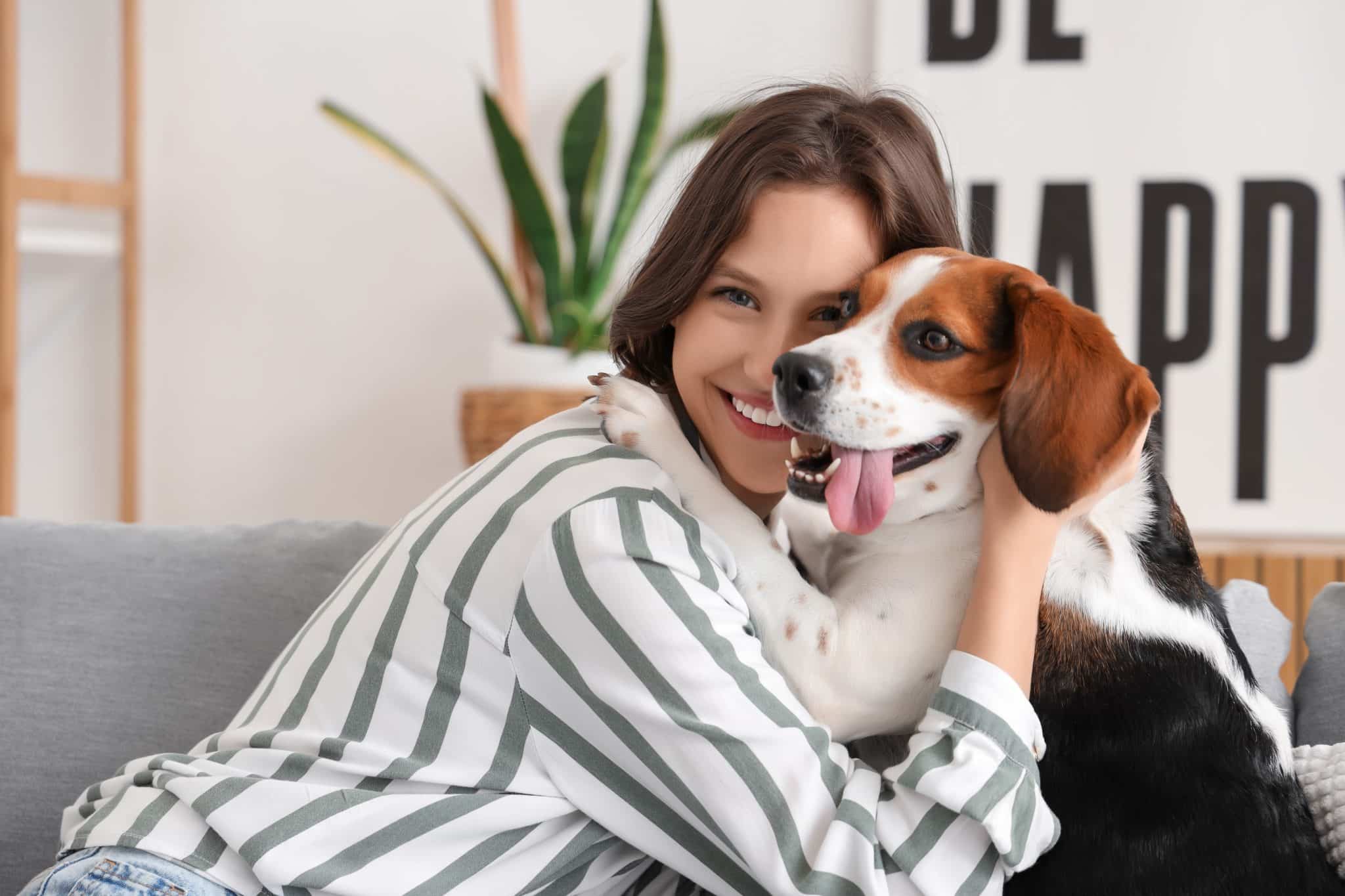
Beagles are cheerful, curious hounds that often enjoy having people around and being involved in household activities. Originally bred to hunt in packs, they developed a sociable nature that can make companionship especially rewarding. Their playful personalities may bring energy to family gatherings, while their compact size can suit many different living arrangements when their exercise and enrichment needs are met. Beagles often enjoy exploring alongside their people, sniffing interesting scents on walks, and investigating new surroundings with considerable enthusiasm. Their noses, however, can be more persuasive than the most convincing invitation to come inside, and a fascinating scent may send a Beagle off on an investigation, making secure fencing, leash use, and reliable recall training important. Families can keep these clever dogs content with scent games, food puzzles, supervised outdoor exploration, and regular play. Beagles are often vocal, which can be challenging in homes where quiet is essential, and their food-loving nature calls for careful portion control. With patient training and enough activity, a Beagle can bring a lively, entertaining presence to a home that enjoys a little friendly chaos.
Boxer
 Shutterstock
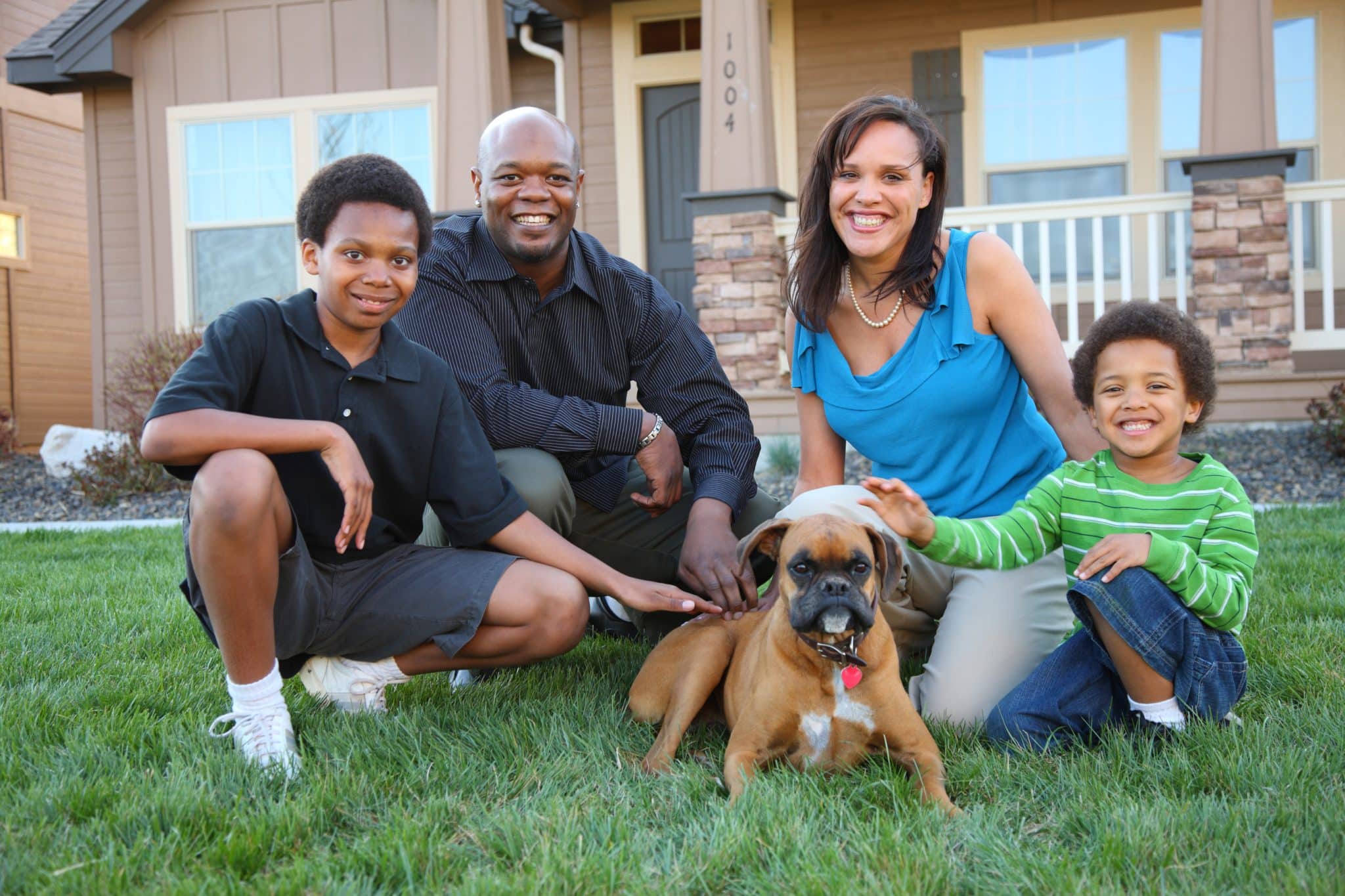
Boxers are affectionate, energetic dogs that often seem happiest when surrounded by the people they love. Their playful nature and expressive faces make them entertaining companions, while their loyalty can create strong bonds with family members. Many Boxers retain a puppy-like enthusiasm well into adulthood, making them eager participants in games, walks, and everyday activities. They may enjoy welcoming familiar visitors, although their excitement can be overwhelming without training, especially when a large, muscular dog decides that greeting someone requires its entire body. A Boxer benefits from a household that can provide regular exercise, mental stimulation, and clear expectations, while reward-based training helps teach calm greetings, loose-leash walking, and appropriate behavior around children and guests. Their short coats are relatively easy to maintain, but they can be sensitive to extreme temperatures and may need extra care during hot weather. As with any breed, children should be supervised around them, and every dog needs a comfortable place to rest away from busy activity. For active families who enjoy playfulness and can guide their enthusiasm, Boxers can turn ordinary days into joyful adventures.
Newfoundland
 Shutterstock
Newfoundlands are large, gentle dogs often admired for their patient demeanor and affectionate approach to companionship. Historically associated with working around water, they developed strength and a steady nature that can make them wonderful partners for families prepared for their substantial size. Many are calm and devoted with familiar people, enjoying quiet company as much as opportunities to participate in household routines. Their imposing appearance may suggest a serious guardian, but individual Newfoundlands can be remarkably sweet and sociable, often seeking closeness rather than distance. Welcoming a Newfoundland into a busy home requires practical preparation because these dogs need room to move, consistent training, and regular grooming. Their thick coats can shed heavily, and drool may become a familiar part of daily life. Early socialization and gentle instruction help prevent a growing puppy from developing habits that become difficult to manage in a giant adult. Families should also understand that giant breeds can have shorter average lifespans and may be susceptible to orthopedic and other health concerns. For households able to accommodate their size and care needs, Newfoundlands can offer a reassuring, affectionate presence that makes family time feel even more comforting.
Cocker Spaniel
 Shutterstock
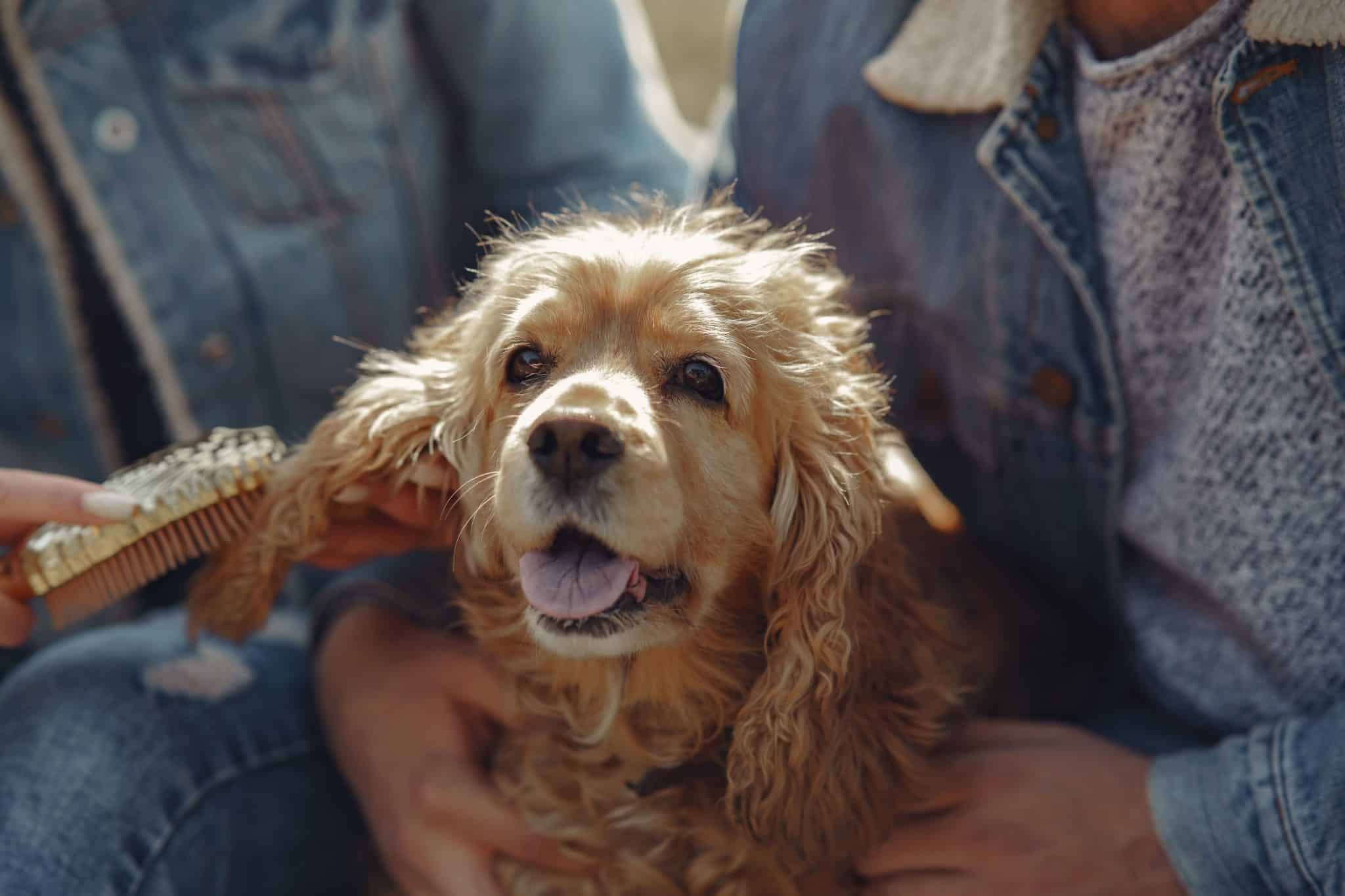
Cocker Spaniels are affectionate, people-oriented dogs that often enjoy being included in the rhythms of family life. Their soft expressions and cheerful personalities make them appealing companions, while their history as sporting dogs contributes to their enthusiasm for outdoor activities and interactive play. Many enjoy spending time with children who treat them gently, relaxing near their favorite people, and greeting familiar visitors with excitement. Their moderate size can make them adaptable companions for a variety of households, provided their need for companionship, exercise, and regular care is respected. Their silky coats require consistent grooming, including attention to the ears, which can be vulnerable to infections when moisture and debris accumulate. Cocker Spaniels also benefit from daily walks, playful activities, and training that encourages confidence and polite manners. They may become unhappy if left alone for long periods without preparation, so gradual independence training can be helpful. Because individuals vary in temperament, choosing a responsible breeder or carefully assessing an adopted dog’s personality is important. In a home where affection is plentiful and routines include both activity and relaxation, a Cocker Spaniel can be a devoted little companion who rarely wants to miss the fun.
Pug
 Shutterstock
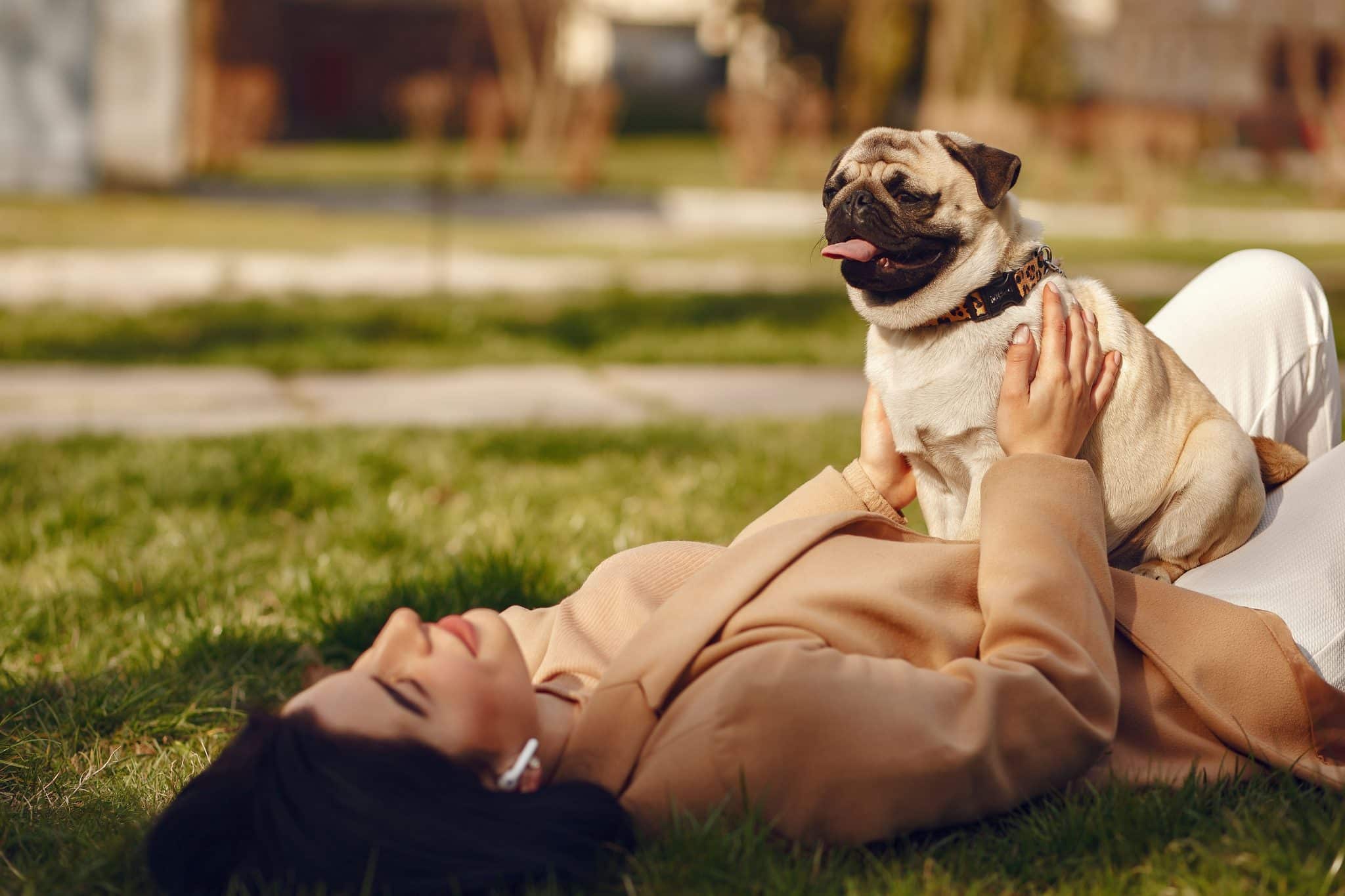
Pugs are charming companion dogs known for their affectionate personalities, playful antics, and fondness for being near their families. Their compact bodies and expressive faces can bring plenty of entertainment to a household, particularly when they perform their familiar routine of following someone around before settling down for a nap. Many Pugs enjoy attention from visitors and appreciate being included in quiet family activities. Their generally companionable nature can make them appealing to people who want a loving dog without the demanding exercise requirements of many working breeds. Although Pugs enjoy playtime and daily walks, their short muzzles can make breathing and temperature regulation difficult, so families should avoid strenuous exercise in hot or humid weather and consult a veterinarian about appropriate activity levels. Their facial folds may need regular cleaning, and their tendency to gain weight makes portion control important. Pugs also need training and socialization, even if their comical expressions make it tempting to excuse every mischievous decision. For families who can provide attentive care and a comfortable environment, a Pug can bring plenty of affection and laughter without needing to be the center of every outdoor adventure.
Irish Setter
 Shutterstock
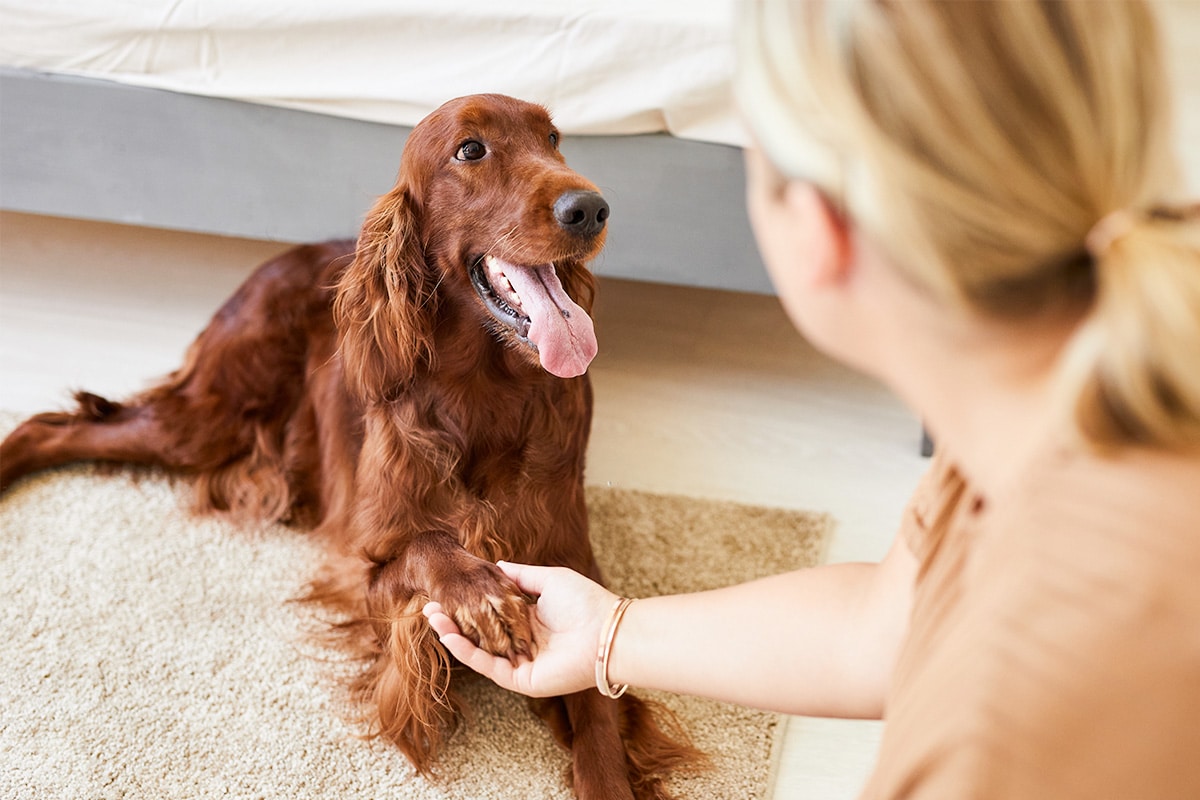
Irish Setters are outgoing sporting dogs known for their striking red coats, lively personalities, and enthusiasm for being around people. Their playful, friendly nature can make them delightful companions for households that enjoy outdoor activities and have the time to meet an energetic dog’s needs. Many Irish Setters remain exuberant well beyond puppyhood, greeting familiar people with enthusiasm and eagerly joining walks, hikes, and games. Their sociability can make a busy household appealing, especially when everyday life includes plenty of interaction and opportunities to explore. These dogs need substantial exercise and mental stimulation to remain content, so they may be better suited to active families than those seeking a mostly sedentary companion. Training should begin early and use rewards, patience, and consistency because excitement can sometimes make an Irish Setter forget that listening is part of the game. Their long coats also need regular brushing to prevent tangles and remove debris. Secure outdoor spaces and leash training are important because their sporting instincts may draw them toward interesting sights and scents. When given enough activity and affectionate guidance, Irish Setters can fill a home with enthusiasm, warmth, and a wonderfully contagious sense of adventure.
Bichon Frise
 Shutterstock
The Bichon Frise is a small companion breed known for its cheerful disposition, affectionate nature, and playful approach to everyday life. These fluffy dogs often enjoy being around people and may greet familiar visitors with an eagerness that makes a busy home feel especially welcoming. Their compact size can suit apartments and larger homes alike, as long as their social, exercise, and grooming needs are met. Bichons are often playful without requiring the same level of vigorous activity as high-energy sporting breeds, making them appealing to families who enjoy regular walks and indoor games. Their people-focused nature means they benefit from companionship and gradual training to become comfortable spending short periods alone. Positive reinforcement can help them learn household manners, while interactive toys and short play sessions provide mental stimulation. Their coats need frequent brushing and professional grooming to prevent matting, so families should be prepared for regular maintenance. Children must also understand that a small dog needs gentle handling and a safe place to rest. With suitable care and plenty of friendly interaction, a Bichon Frise can be a joyful presence in a household where companionship is part of the daily routine.
Collie
 Shutterstock
Collies are often associated with loyalty, sensitivity, and a strong connection to their families. Developed as herding dogs, they are attentive and responsive, qualities that can help them adapt to the routines of a busy household. Many Collies enjoy spending time with children and staying close to their favorite people, although individual personalities and early socialization make a difference. Their alert nature may also help them notice changes in the household, sometimes appearing to know that a family member is arriving before anyone else has noticed. Collies generally benefit from daily exercise, interactive games, and training that gives them opportunities to use their minds. Their sensitive temperament often responds best to patient instruction and positive reinforcement rather than harsh correction. Rough Collies need regular coat care, while Smooth Collies usually require less grooming, though both benefit from routine brushing and health checks. Families should also provide a quiet resting space where the dog can take a break when the house becomes noisy. For households seeking an affectionate, attentive companion who enjoys being part of the family without constant rough-and-tumble play, a Collie can be an excellent match.
The More The Merrier, Says The Dog
 Shutterstock
Family-loving dogs often enjoy a full house filled with companionship, play, and opportunities to feel included. A Golden Retriever might greet everyone at the door, while a Pug may supervise from a cozy spot near the snacks. Each breed has unique personality traits, energy levels, and care needs, so families should choose thoughtfully. Even sociable dogs need breaks, regular exercise, positive training, and respectful interactions. Teach children to approach dogs gently and supervise their time together. After all, respecting nap time makes any home a dog’s dream.
This content was created with AI assistance and edited by the iHeartDogs team.

















 English (US) ·
 French (CA) ·