

 10 hours ago
6
10 hours ago
6
PROTECT YOUR DNA WITH QUANTUM TECHNOLOGY
Orgo-Life the new way to the future Advertising by Adpathway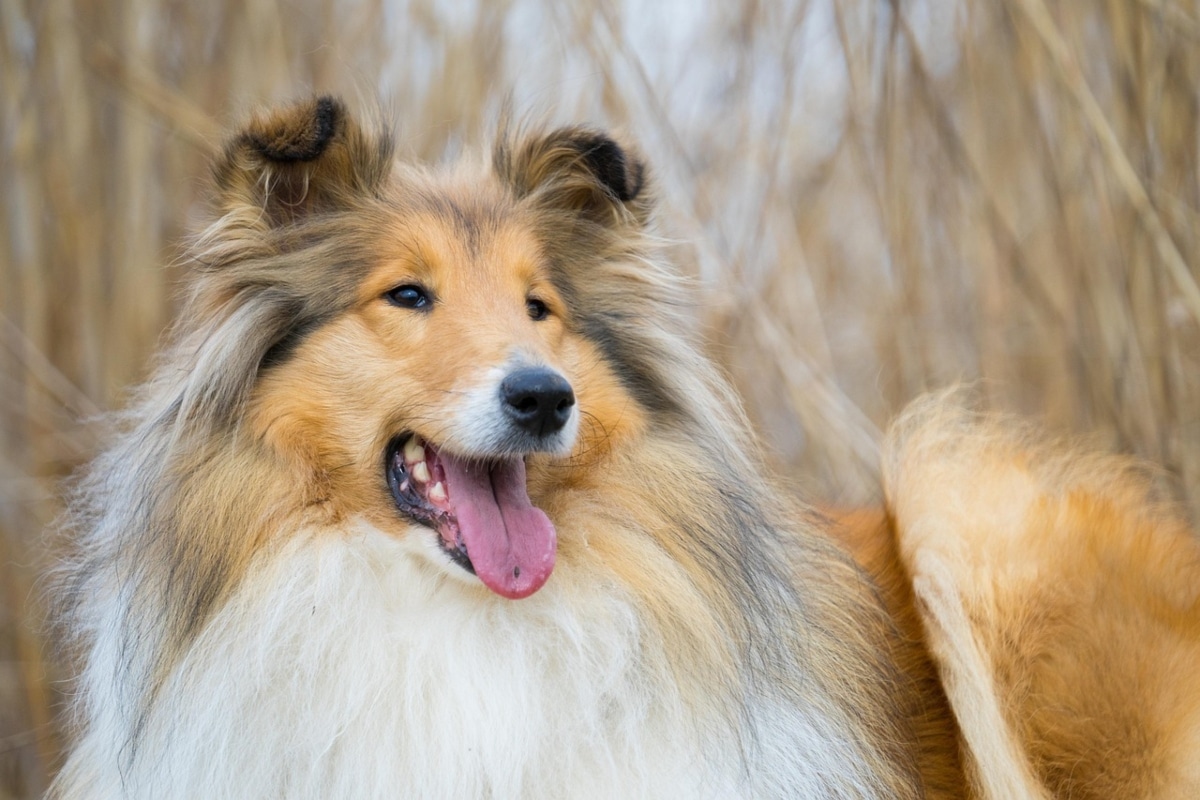 Shutterstock
Patience may not be the first quality people associate with excited dogs, yet some breeds are especially admired for calm, steady temperaments and an ability to handle everyday waiting with impressive composure. Genetics can influence tendencies such as gentleness, tolerance, and responsiveness, although training, socialization, age, health, and individual personality always matter. Patient dogs still need exercise, enrichment, boundaries, and positive guidance to develop good manners. These eleven breeds often demonstrate that sometimes the most impressive canine skill is simply knowing when to wait.
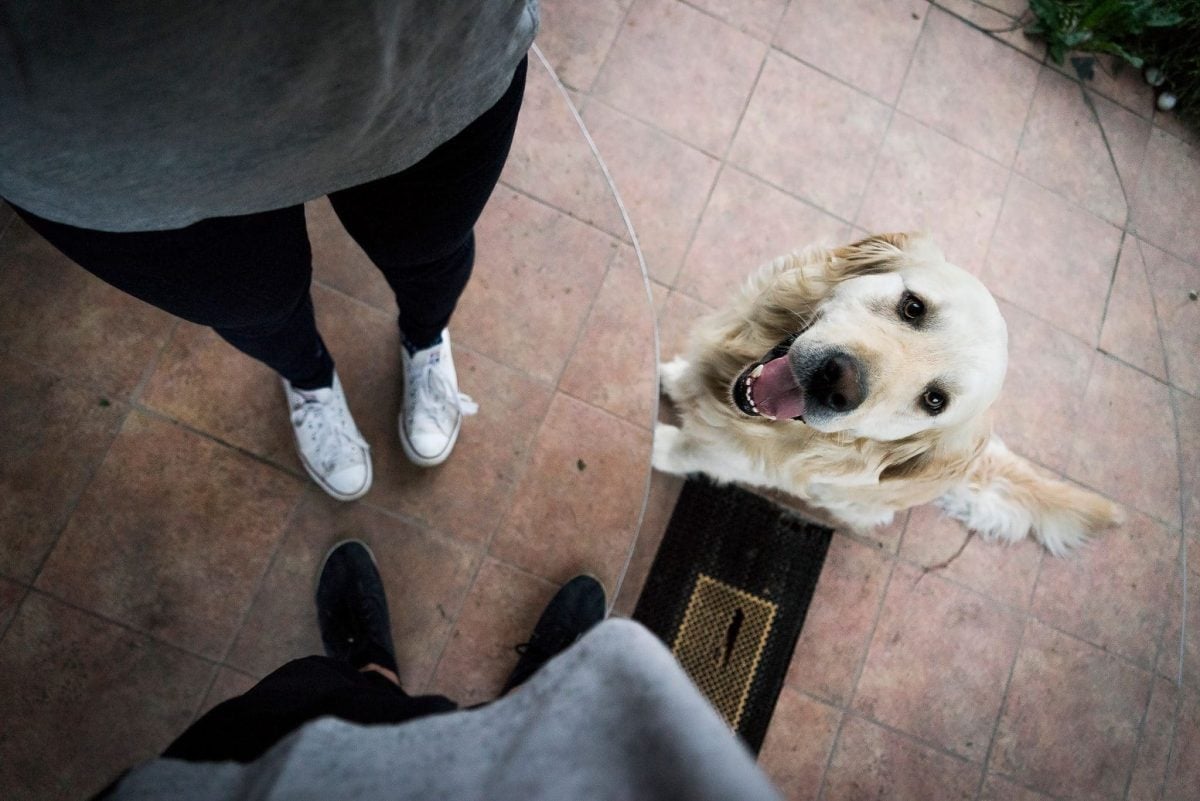
Golden Retriever
 Shutterstock
Golden Retrievers are widely admired for their friendly personalities, and many also possess the steady, cooperative temperament that can make learning patience easier with thoughtful training. Developed as sporting dogs expected to work closely with people, Goldens often respond enthusiastically to positive reinforcement and can learn useful behaviors such as waiting at doors, remaining composed before meals, taking turns during training, and settling while family activities happen around them. Their affectionate nature does not mean every Golden automatically arrives with flawless manners, especially during energetic puppy and adolescent stages, so consistency, exercise, mental stimulation, and reward-based training remain essential. Given appropriate guidance, these cheerful dogs can become wonderfully considerate companions that understand waiting patiently often leads to something enjoyable.
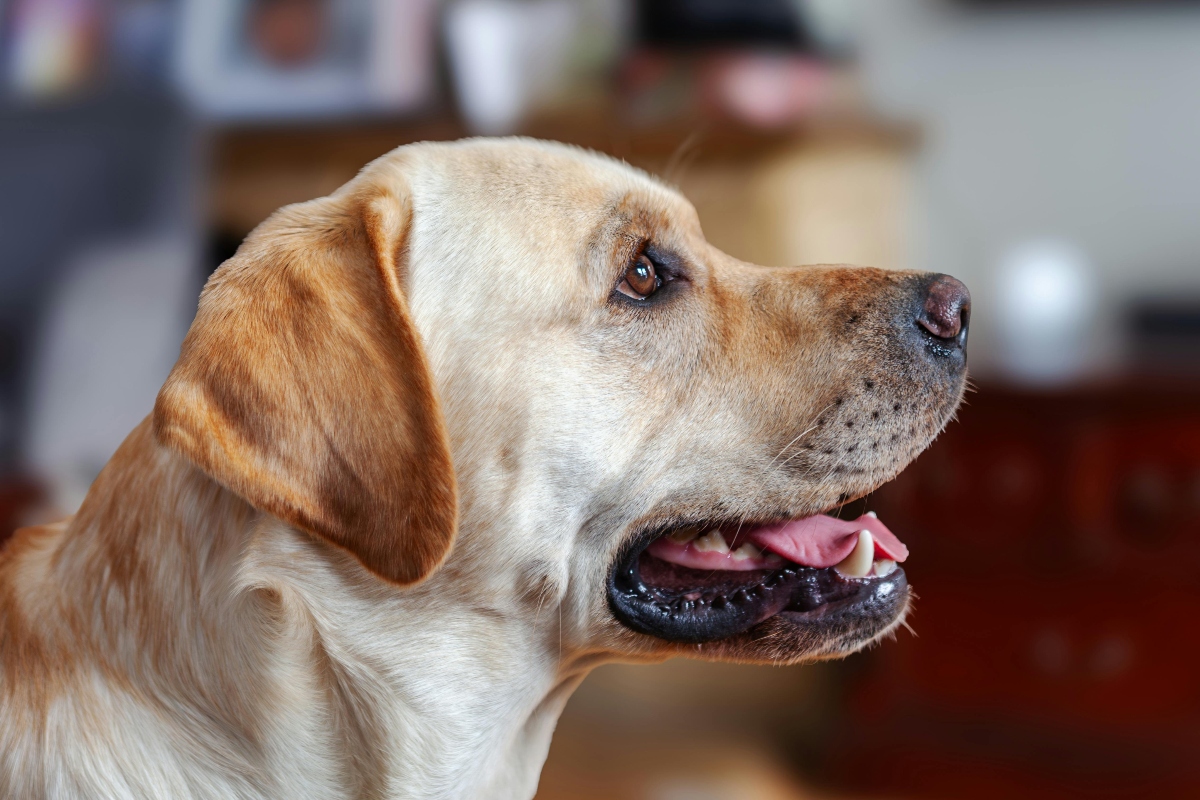
Labrador Retriever
 Shutterstock
Labrador Retrievers are famously enthusiastic, particularly when food, play, swimming, or family activities are involved, yet their trainability and desire to cooperate can help them develop impressive patience. Labs have long worked closely with people as retrievers, service dogs, detection dogs, and other specialized partners, roles that often require focus, responsiveness, and the ability to wait for instructions rather than immediately acting on every exciting opportunity. Young Labradors can certainly be exuberant, making consistent positive training and adequate exercise important for developing reliable impulse control as they mature. Once good habits are established, a well-trained Lab may sit politely waiting for permission while maintaining an expression that makes it extremely clear patience deserves prompt compensation.
Newfoundland
 Shutterstock
Newfoundlands are enormous dogs often associated with a gentle, steady disposition, making their calm presence one of the breed’s most endearing characteristics. Historically valued as working dogs around water and fishing communities, Newfoundlands developed strength, cooperation, and dependable temperaments, while modern companions are frequently appreciated for being affectionate and relatively composed when their exercise, social, and training needs are appropriately met. Their substantial size makes good manners particularly important because even friendly excitement can become difficult to manage when it comes from a dog weighing well over many smaller companions. Patient positive training can help these gentle giants learn to wait calmly, proving that sometimes the biggest individual in the room can also be the least interested in rushing.
Cavalier King Charles Spaniel
 Shutterstock
Cavalier King Charles Spaniels were developed primarily as companion dogs, and their affectionate, people-oriented nature often makes them eager participants in family routines and gentle training sessions. Many Cavaliers have a softer, adaptable temperament that can support patient behavior when owners teach clear expectations, reward calmness, and provide appropriate exercise and companionship rather than expecting good manners to develop automatically. They frequently enjoy staying close to their humans, which can make waiting nearby considerably easier when proximity itself feels rewarding, although individuals can still become excited or impatient depending on personality and circumstances. A content Cavalier may wait with such a sweet expression that humans begin wondering who is actually demonstrating more self-control.
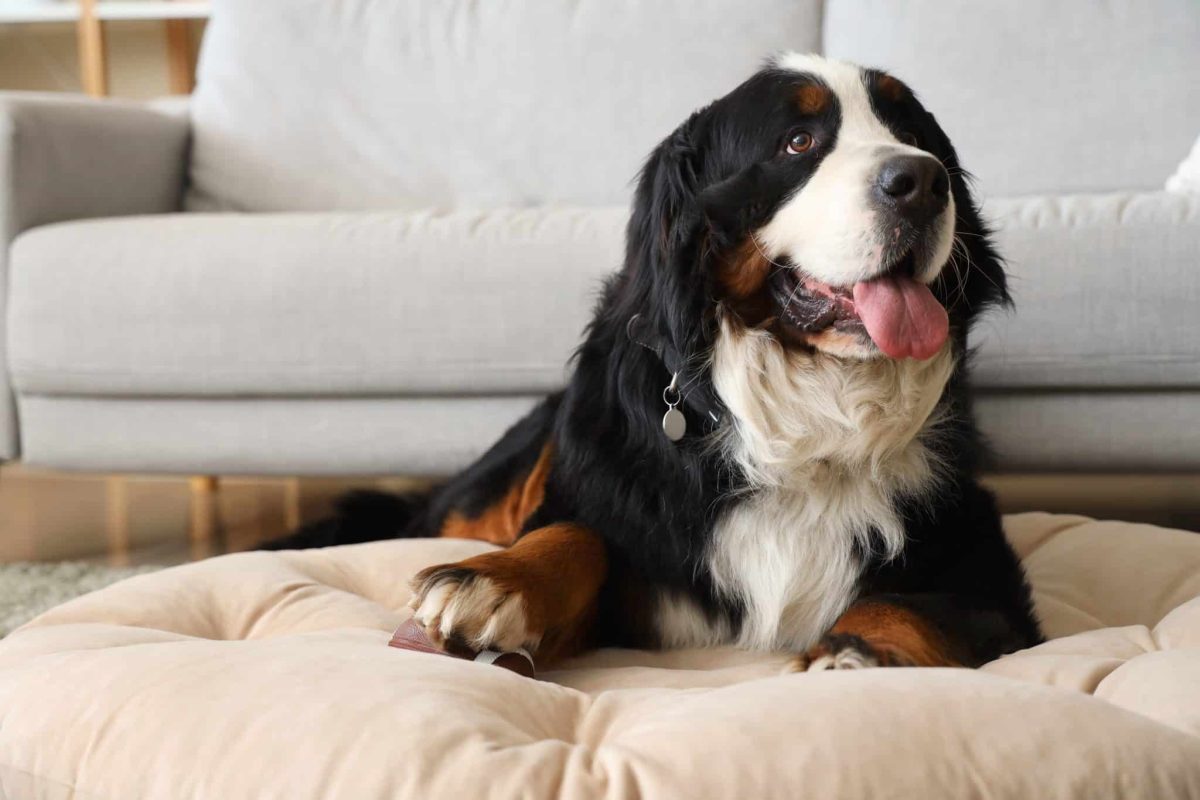
Bernese Mountain Dog
 Shutterstock
Bernese Mountain Dogs combine substantial size with an affectionate personality, and many mature individuals develop the calm, steady demeanor commonly associated with this beloved working breed. Their ancestors performed varied farm tasks in Switzerland, including driving cattle and pulling carts, work that required strength and cooperation rather than constant frantic activity, and today’s Berners often respond well to patient training that builds confidence and dependable manners. Puppies can be playful and energetic, while adults still require regular exercise, socialization, enrichment, and positive guidance to remain physically and emotionally healthy. When a well-mannered Bernese waits quietly for its turn, the effect can be especially impressive because nearly a hundred pounds of fluffy enthusiasm has apparently agreed that patience is the appropriate strategy.
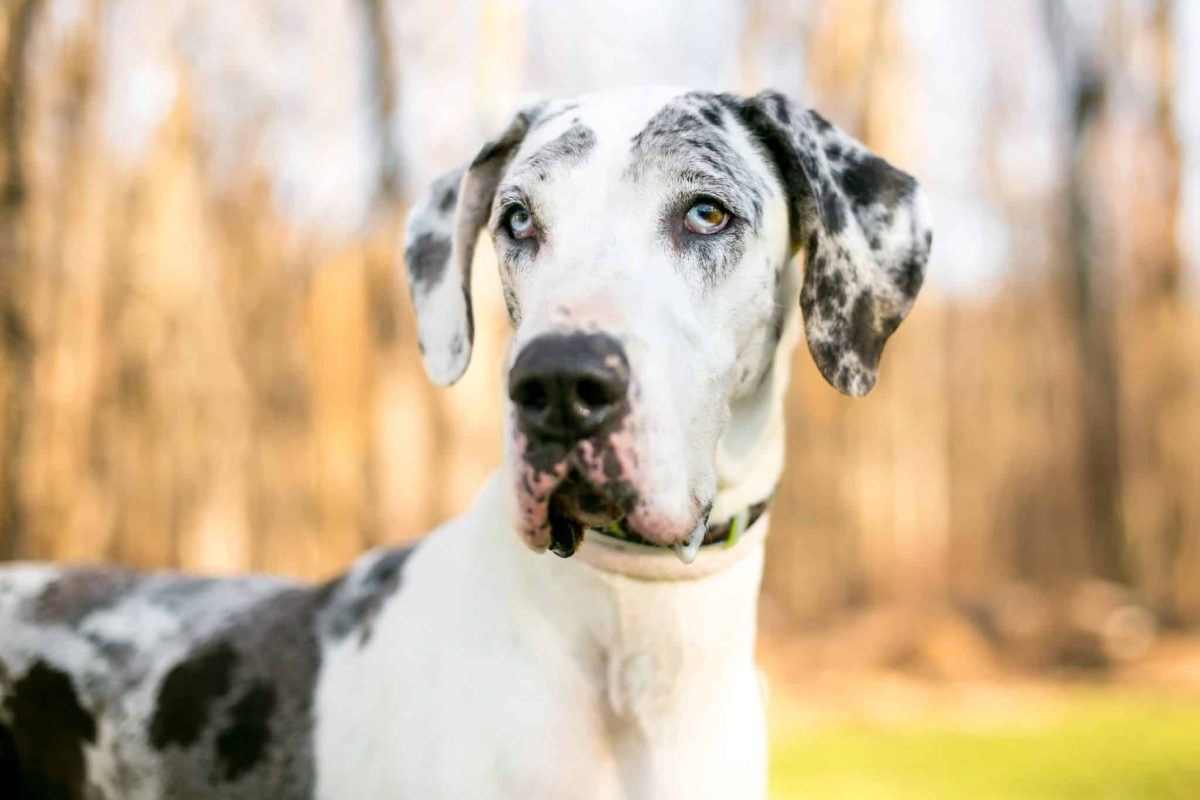
Great Dane
 Shutterstock
Great Danes may tower over many other dogs, but properly socialized adults are often admired for affectionate personalities and a surprisingly composed presence. Their tremendous size makes impulse control especially valuable, so teaching behaviors such as waiting at doors, greeting calmly, standing patiently, and settling on cue can make everyday life safer and more comfortable for dogs and humans alike. Great Danes still require appropriate exercise, enrichment, social experiences, and positive training, while puppies and adolescents should never be expected to behave like naturally motionless statues simply because the breed can become calmer with maturity. A patient adult Dane can wait with remarkable dignity, although its height may allow it to supervise proceedings from an unfairly advantageous perspective.
Clumber Spaniel
 Shutterstock
Clumber Spaniels are sturdy sporting dogs known for a more deliberate working style than many faster, highly animated members of the spaniel family. Developed to search dense cover and work methodically, they often possess a thoughtful demeanor that can translate into steady household behavior when combined with appropriate exercise, positive training, and opportunities to use their noses and minds. Their calm appearance should not be mistaken for laziness or automatic obedience, since Clumbers remain sporting dogs with curiosity, strength, scenting instincts, and individual personalities that require constructive outlets. Still, their measured approach can make them look wonderfully patient, as though they have already determined that rushing is unnecessary when everything worth investigating will eventually become available.
Basset Hound
 Shutterstock
Basset Hounds have a famously unhurried appearance, but their apparent patience comes with an important complication because these scent hounds can be extremely determined when an interesting smell captures their attention. Their low-key household demeanor and deliberate movement may make mature Bassets seem naturally skilled at waiting, particularly during quiet family routines, while positive reinforcement can help teach useful impulse-control behaviors despite the independent streak common among scent hounds. Regular walks, opportunities to sniff safely, weight management, and mental enrichment remain important because calm dogs still require appropriate activity and stimulation. A Basset waiting its turn can look almost philosophical about the entire situation, although the same dog may suddenly discover urgent business when an irresistible scent enters the discussion.
Collie
 Shutterstock
Collies are intelligent, sensitive dogs with a history of herding work that required awareness, responsiveness, and close cooperation with people. Many individuals are highly attentive to household routines and human communication, characteristics that can make patient behaviors easier to teach through gentle, reward-based methods, particularly when training is clear and consistent. Their sensitivity means harsh techniques are unnecessary and potentially counterproductive, while appropriate exercise, companionship, socialization, and mental challenges help them remain balanced and confident. A well-trained Collie often seems to understand that good things happen when everyone follows the established routine, making waiting its turn look less like an inconvenience and more like another carefully observed household rule worth respecting.
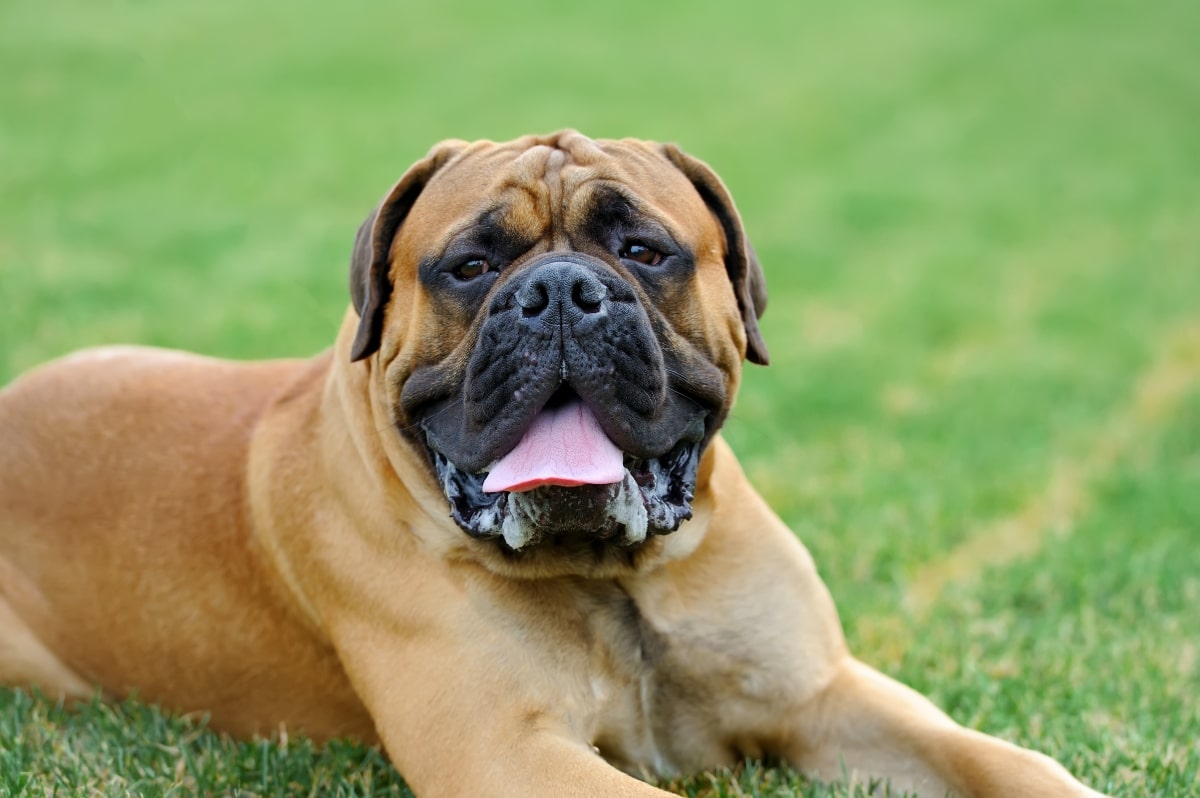
English Mastiff
 Shutterstock
English Mastiffs are enormous, powerful dogs, yet mature individuals are often associated with a calm, dignified temperament that can make their quiet presence surprisingly soothing. Because their physical strength leaves little room for uncontrolled behavior, early socialization and positive training are essential for teaching patient greetings, polite waiting, comfortable handling, and dependable household manners before a puppy becomes an exceptionally large adult. Mastiffs still need appropriate exercise and enrichment, but they generally are not known for requiring nonstop activity when compared with many more energetic working breeds. Watching one patiently wait can be impressive simply because a dog capable of occupying so much physical space has somehow mastered the art of making very little fuss about it.
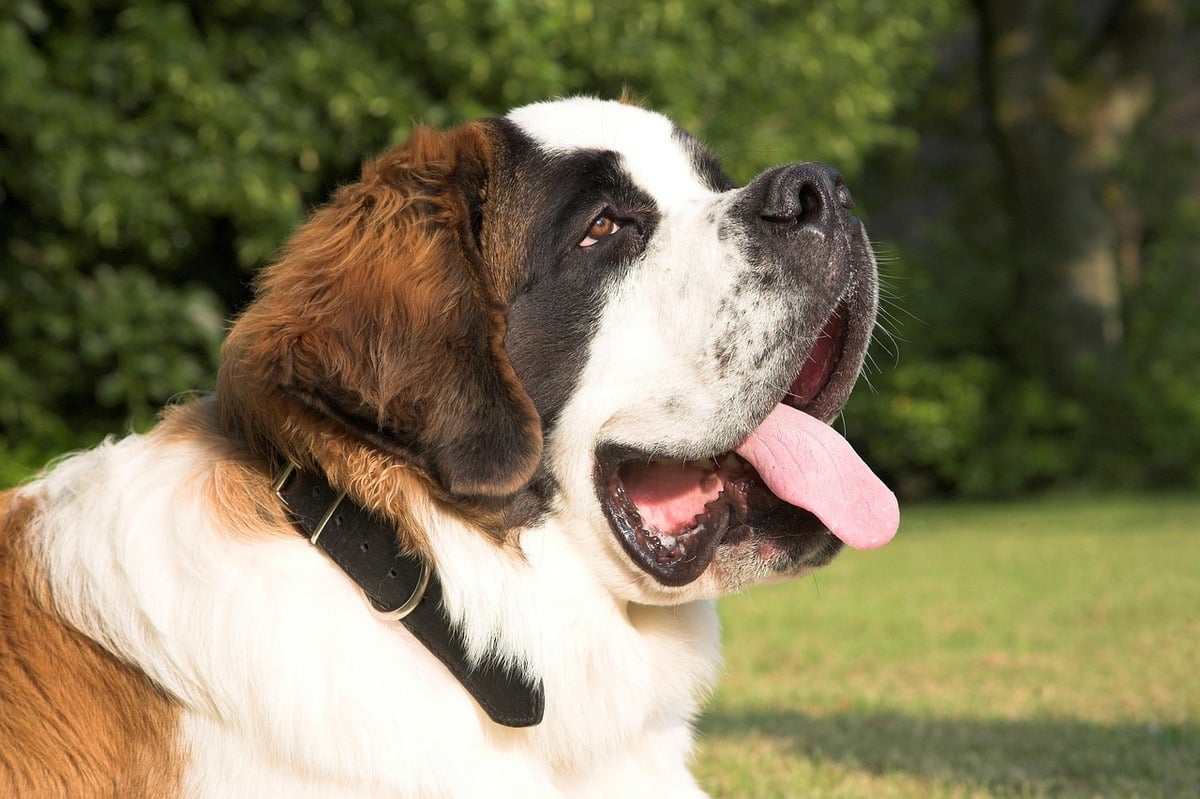
Saint Bernard
 Shutterstock
Saint Bernards are famous for their imposing size and historic association with Alpine rescue work, but their gentle, steady reputation has also helped make them beloved family companions. Mature Saint Bernards can possess considerable composure, although their enormous bodies make early training particularly important so behaviors such as waiting, greeting politely, walking calmly, and settling around household activity become familiar long before they reach full size. Individual temperament varies, and every Saint Bernard still needs socialization, suitable exercise, mental enrichment, veterinary care, and consistent positive guidance rather than assumptions that size automatically comes with perfect patience. When these enormous dogs wait calmly for their turn, they can make self-control look wonderfully effortless, even while occupying enough floor space for several less patient participants.
The Waiting List Has Four Paws
 Shutterstock
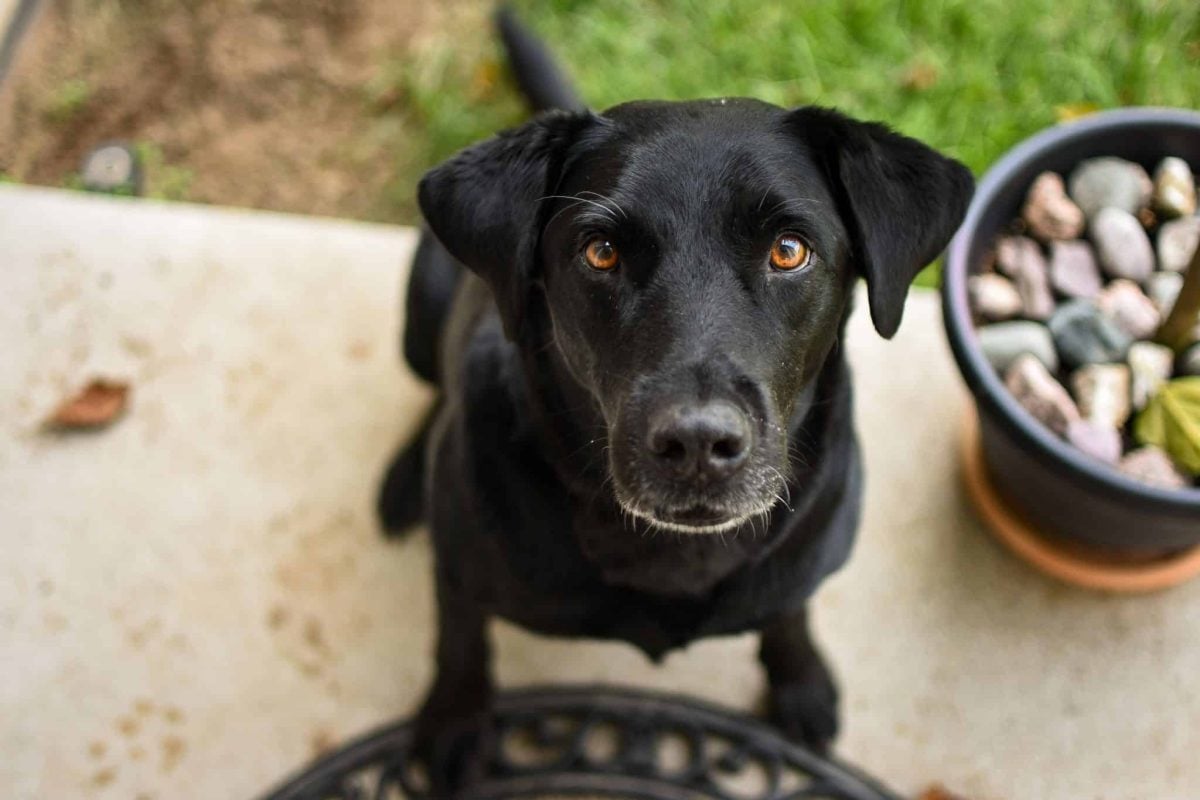
Patient dogs remind us that impressive behavior does not always involve speed, athleticism, tricks, or nonstop enthusiasm. Calmly waiting for attention, food, greetings, or instructions can reflect valuable impulse control, but breed tendencies never guarantee patience. Training, socialization, maturity, health, environment, and temperament all influence behavior. Owners can encourage self-control by rewarding calm choices, providing exercise and enrichment, and maintaining consistent expectations. With positive guidance, these steady companions prove that waiting is a genuine skill, even when their expressions suggest their turn should have arrived sooner.
This content was created with AI assistance and edited by the iHeartDogs team.





![9 Best Dog DNA Test Kits [2026]](https://iheartdogs.com/wp-content/uploads/2022/09/best-dna-reviews.jpg)











 English (US) ·
  French (CA) ·