

 7 months ago
163
7 months ago
163
PROTECT YOUR DNA WITH QUANTUM TECHNOLOGY
Orgo-Life the new way to the future Advertising by AdpathwayMarch is a busy time in the garden, if you can choose the right plants to sow. It might still be chilly in northern regions, but that doesn’t mean there is nothing to direct sow. Many plants germinate better in cool conditions than warm ones, and some need a period of cold to perform at their best.
Waiting until the soil warms up in May would actually work against them, because by the time summer heat arrives, they need to have already done most of their growing. If you have a short season, some optimization is needed to manage the seasons.
Your exact timing will depend on your zone and your specific spring conditions. In zones 7 and 8, you can likely sow many of these in early March. In zones 5 and 6, late March or even early April is more realistic. Use your last frost date as a reference point for whether you can sow outdoors in March and adjust from there.

Red Cored Chantenay Carrot

Red Cored Chantenay Carrot Seeds

High Scent Sweet Pea Seeds
Peas
 These crops need cool temperatures to thrive.
 Peas are one of the first things to go in the ground every spring. They grow quickly, produce generously, and fix nitrogen in the soil as they go, which benefits whatever you plant in their spot next.
Set up your trellis or support at planting time rather than after the plants are already scrambling for something to grab. Even bush varieties benefit from it. Push seeds about an inch into the soil, a couple of inches apart, and sow a second round two to three weeks later for a longer harvest.
Peas slow down and stop producing once temperatures consistently hit the 80s, so the earlier you get them in, the more you’ll pick before summer shuts them down.
Spinach
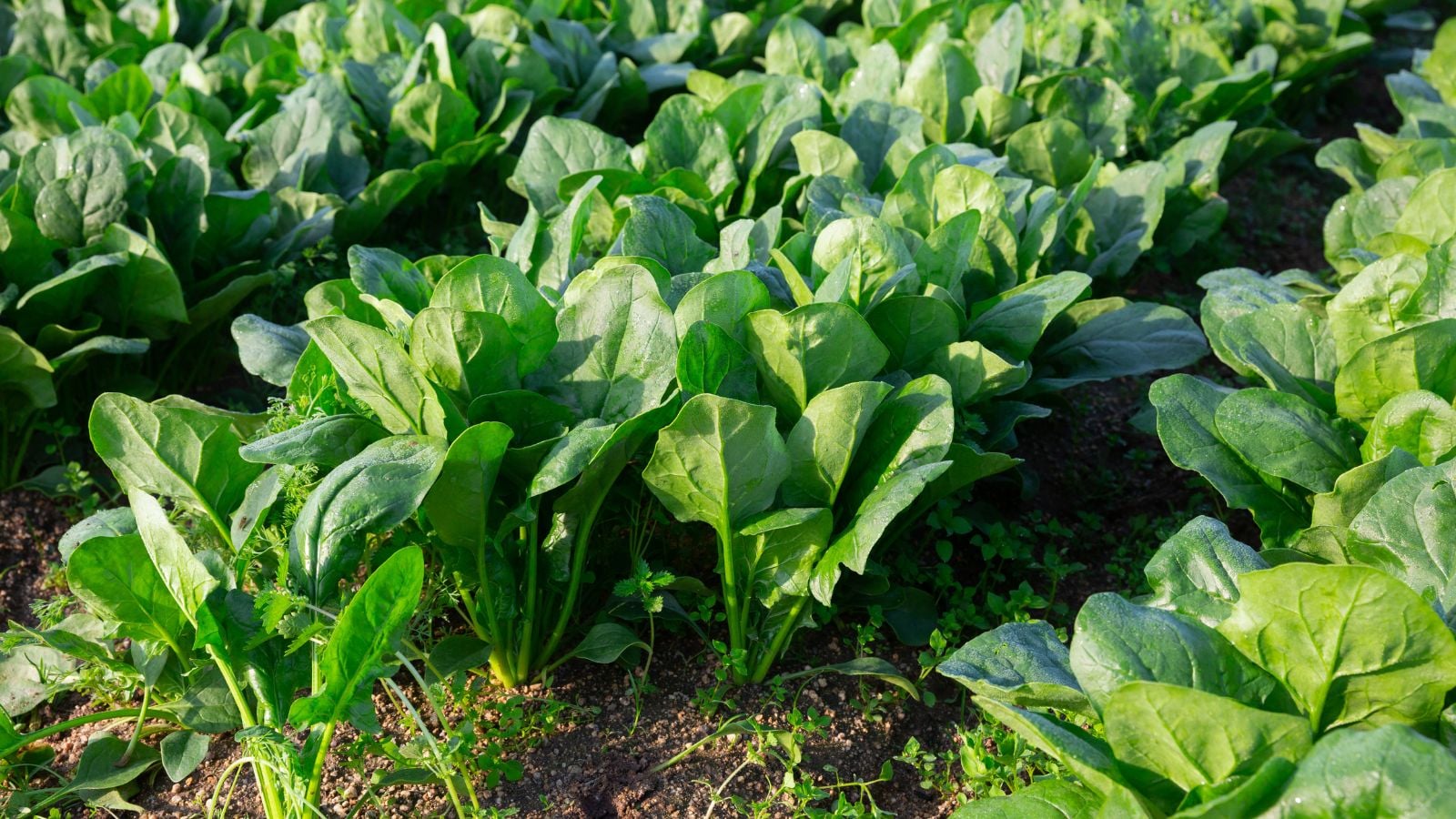 Choose cold-tolerant spinach varieties.
 Spinach produces sweeter, more tender leaves when it grows in cool conditions. Heat makes it bolt, so this is one crop where an early start pays off directly in flavour.
The seeds don’t need much depth. Half an inch is plenty. You can start cutting individual outer leaves as soon as they’re large enough to eat (usually within six weeks), which lets the plant keep producing from the centre rather than harvesting the whole thing at once.
If you’ve had trouble with spinach bolting before you get much of a harvest, try slow-bolt varieties like ‘Bloomsdale’ or ‘Space’. They buy you a few extra weeks.
Lettuce
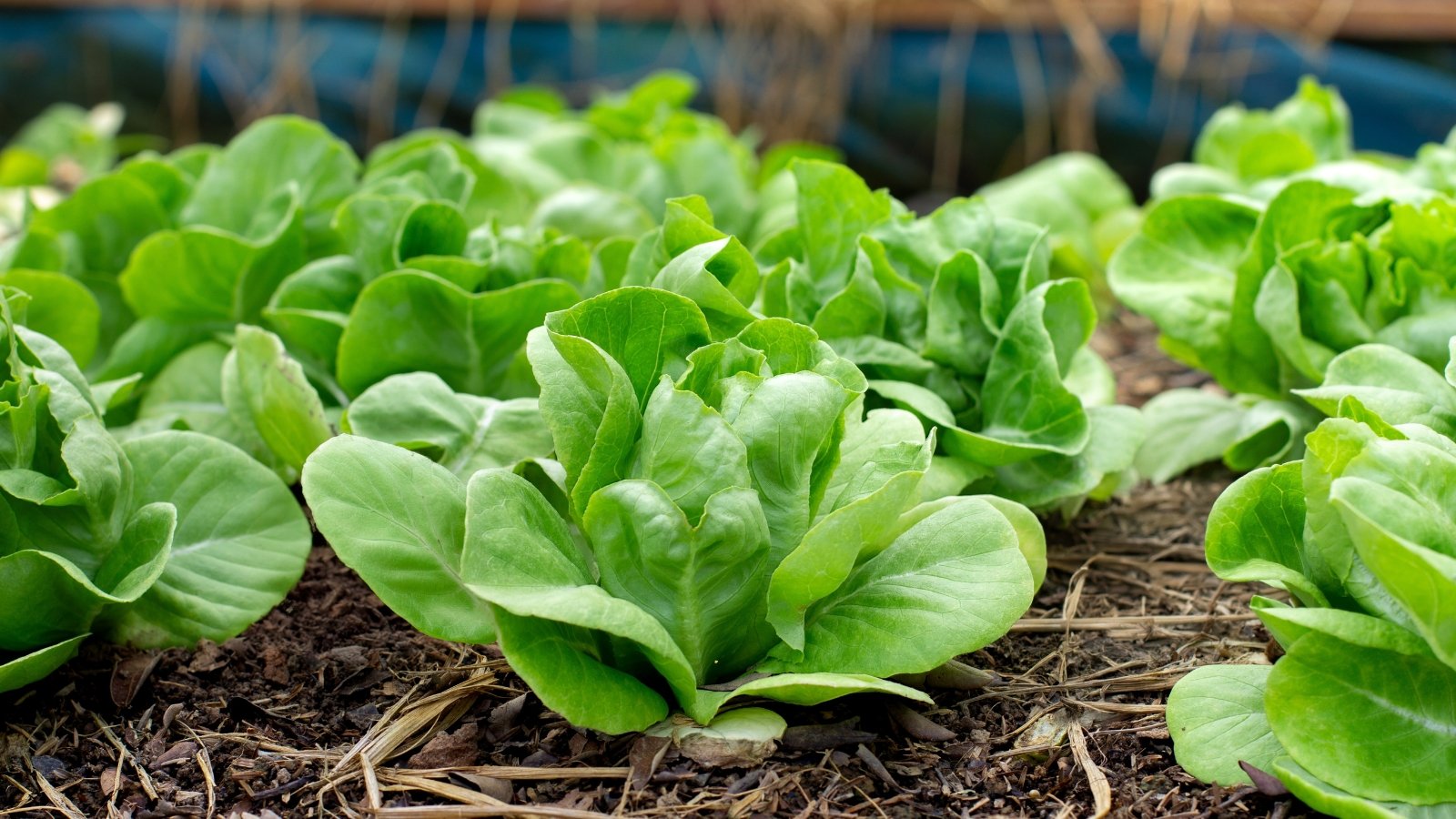 Grow different varieties together for a tastier harvest.
 Loose-leaf lettuce varieties are practical for home gardens because you can harvest leaf by leaf over weeks. And lettuce is one of the few vegetables that prefers a bit of shade, especially as the season warms. If you have a spot that gets morning sun and afternoon shade, save it for your lettuce.
The seeds are tiny, so don’t bury them. Sow outdoors in March over prepared soil with a dusting of soil on top is all they need.
What matters more than planting depth is planting frequency. Sow small amounts every two to three weeks rather than one big planting. This gives you a continuous supply of young, tender leaves instead of a mass that bolts all at once.
Radishes
 Enjoy your harvest within a month of sowing.
 If you need a quick win to kick off the season, radishes are it. Some varieties go from seed to table in 25 days. That’s fast enough to feel like instant gratification by gardening standards.
The most common mistake isn’t in the planting. It’s in the leaving. Radishes go from perfectly crisp to woody and unpleasantly peppery in a matter of days once they’re mature, so start checking early and pull them the moment they size up.
They also make useful companion plants for slower crops like carrots. Sow outdoors in March along the same row to mark where the carrots are (since carrot seedlings take weeks to show up), and you’ll have harvested the radishes long before the carrots need the space.
Carrots
 These crops need plenty of time to establish strong roots.
 Carrots have to be direct sown. They develop a long taproot and simply don’t survive transplanting. But the challenge is patience. They can take two to three weeks to germinate, and in the meantime you’re staring at bare soil wondering if anything is happening down there.
Once you sow outdoors in March, keep the surface moist during this period (a light layer of vermiculite over the seeds helps retain moisture) and resist the urge to re-sow too soon. Once the seedlings are up, thin them without guilt. Crowded carrots produce stunted, forked roots.
If your soil is heavy or rocky, try shorter varieties like ‘Red Cored Chantenay’ rather than fighting your conditions with a standard Nantes type.
Beets
 Colorful beets are a great addition to salads.
 Like carrots, beets are excellent root vegetables for early sowing. While you technically can transplant, this will disrupt root growth, so you’ll be far better off direct sowing.
Sow outdoors in March a couple of inches apart, and thin to about four inches once you see a couple of true leaves. And don’t overlook what you thin out. Young beet greens are excellent in salads and taste similar to chard (they’re closely related). You get an early return from the thinnings while the roots take their time sizing up.
Swiss Chard
 Sowing now will give you a long harvest period.
Chard is one of the most underrated cool-season crops. It’s more heat-tolerant than spinach, which means it won’t bolt at the first sign of warm weather, and it produces over a remarkably long season. A single March sowing can give you a harvest well into autumn.
The bright stems of varieties like ‘Celebration‘ add genuine colour to the vegetable garden, which is not always a colorful place. Start harvesting outer leaves once they reach about six to eight inches and the plant will keep pushing out new growth from the centre for months.
Kale
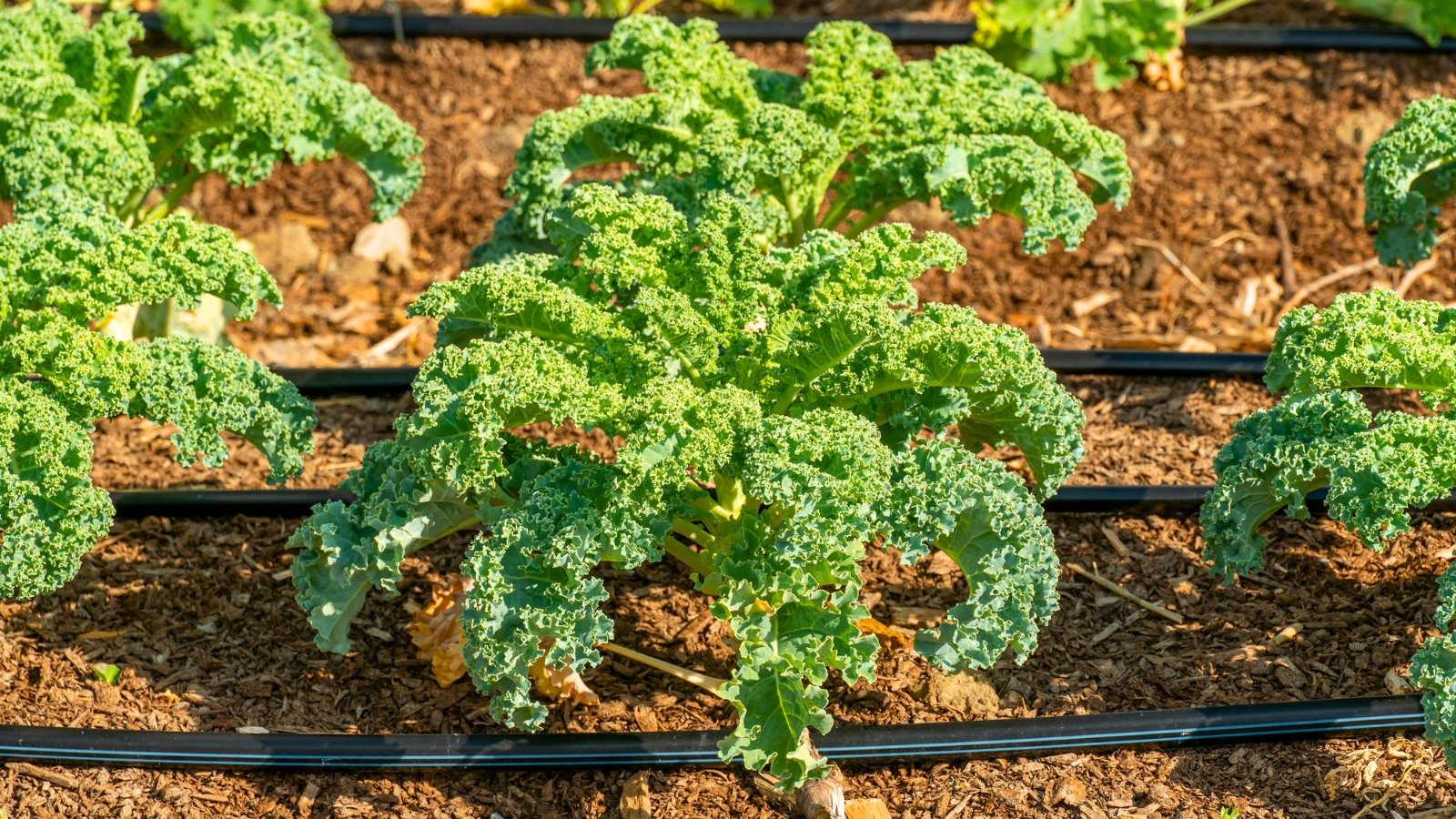 These greens don’t mind frosty conditions.
 Kale is one of the toughest things you can grow. It doesn’t mind frost and actually tastes better after a cold snap, because the chill converts starches to sugars in the leaves. You can genuinely taste the difference.
Give each plant plenty of room. They need more space than most leafy greens (12 to 18 inches between plants) because they get big over the season. Harvest outer leaves and leave the central growing point intact for ongoing production.
Varieties like ‘Lacinato’ (also called dinosaur kale or Tuscan kale) and ‘Red Russian’ tend to have milder, more tender leaves than the curlier types, which makes them a better starting point if you’re still warming up to kale.
Turnips
 Harvest the greens too to use in the kitchen.
 Turnips deserve more attention than they get. They grow fast (some varieties mature in 30 to 45 days), tolerate cold well, and give you two crops in one. The roots are the main harvest, but the greens are edible and nutritious, especially when they’re young and tender.
Like radishes, the trick is not letting them overstay their welcome. Sow outdoors in March and pull them when they’re still on the small side (three inches across) and they’ll be mild and sweet. Leave them too long and they turn woody.
‘Hakurei’ is worth seeking out if you haven’t tried it. It’s a Japanese salad turnip with a mild, almost sweet flavour that’s nothing like the strong, bitter turnips you might remember from childhood.
Arugula
 The leaves fill out quickly after sowing.
 Arugula may be the fastest return you’ll get from a March sowing. It can be ready to cut within four weeks, grows well even in a shallow container, and doesn’t ask for much space.
Sow seeds outdoors in March and barely cover them. You can harvest as baby leaves for a milder flavour at three inches tall, or let them grow larger if you want that full peppery bite. It bolts fast once temperatures climb, so treat it as a spring crop and sow again in early autumn for a second round.
The flowers are edible too, with the same heat as the leaves, so even a bolting plant has some use left in it.
Sweet Peas
 Choose a scented variety to fill your garden with perfume.
 Sweet peas are one of the few flowers that need cool conditions to get going. They perform better when sown early, before the soil warms, and can handle frost without trouble. If you wait too long, they’ll have a shorter bloom window before summer heat shuts them down.
Soak the seeds overnight before planting and provide some kind of support from the start. They climb with tendrils and need something to grab onto early.
The fragrance is the real draw here. Modern varieties have been bred for larger flowers, but some have lost scent along the way. If fragrance matters to you, look for varieties like ‘High Scent’.
Poppies
 Direct sow these flowers for the best results.
 Poppies must be direct sown. They have sensitive taproots that won’t survive being moved, and the seeds are fine. Scatter them on the surface of prepared soil and press in gently. Don’t cover them.
California poppies, breadseed poppies, and corn poppies (Flanders poppies) can all go out in March as soon as the soil is workable. Once established, they’ll often self-sow for future years if you let some seedheads mature.
Poppies grown in rich soil produce floppy stems that can’t hold the flowers upright. Lean, well-drained conditions and full sun are what they want.
Calendula
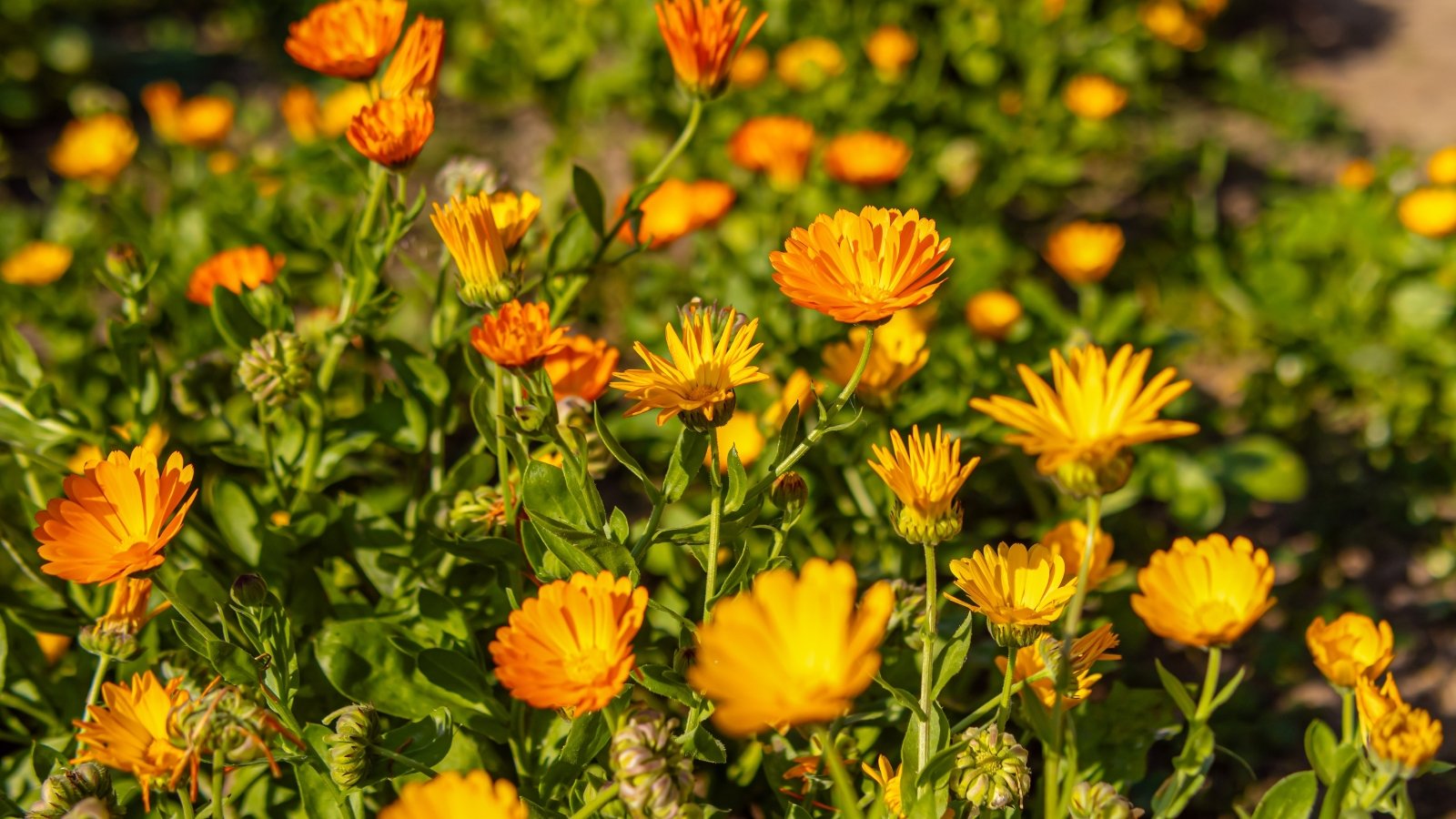 Use the petals to make herbal teas.
 Calendula seeds are large, curved, and easy to handle individually, which makes a nice change after working with the dust-fine seeds of poppies and lettuce. They’re about as straightforward as flower seeds get.
Deadhead regularly to keep the blooms coming. If you stop picking, the plant channels its energy into setting seed and production drops off. Calendula starts blooming about eight weeks after sowing and keeps going until hard frost, which gives you months of colour from a single March planting.
The petals are edible and can be dried for teas or infused into oils, and the flowers attract hoverflies and lacewings, both of which feed on aphids. It’s a useful plant in every sense.














 English (US) ·
  French (CA) ·