

 2 months ago
106
2 months ago
106
PROTECT YOUR DNA WITH QUANTUM TECHNOLOGY
Orgo-Life the new way to the future Advertising by Adpathway Shutterstock
Some dogs look innocent while quietly calculating whether your unattended belongings might become their next great discovery. Mischievous breeds combine intelligence, curiosity, energy, and determination, creating companions that can turn ordinary household objects into irresistible entertainment. Homework, socks, tissues, and anything within reach may suddenly become fascinating when boredom strikes. Although no breed is destined to destroy your assignments, these playful troublemakers often need regular exercise, consistent training, careful supervision, and plenty of mental stimulation to keep their clever minds focused on more appropriate adventures instead.
Labrador Retriever
 Shutterstock
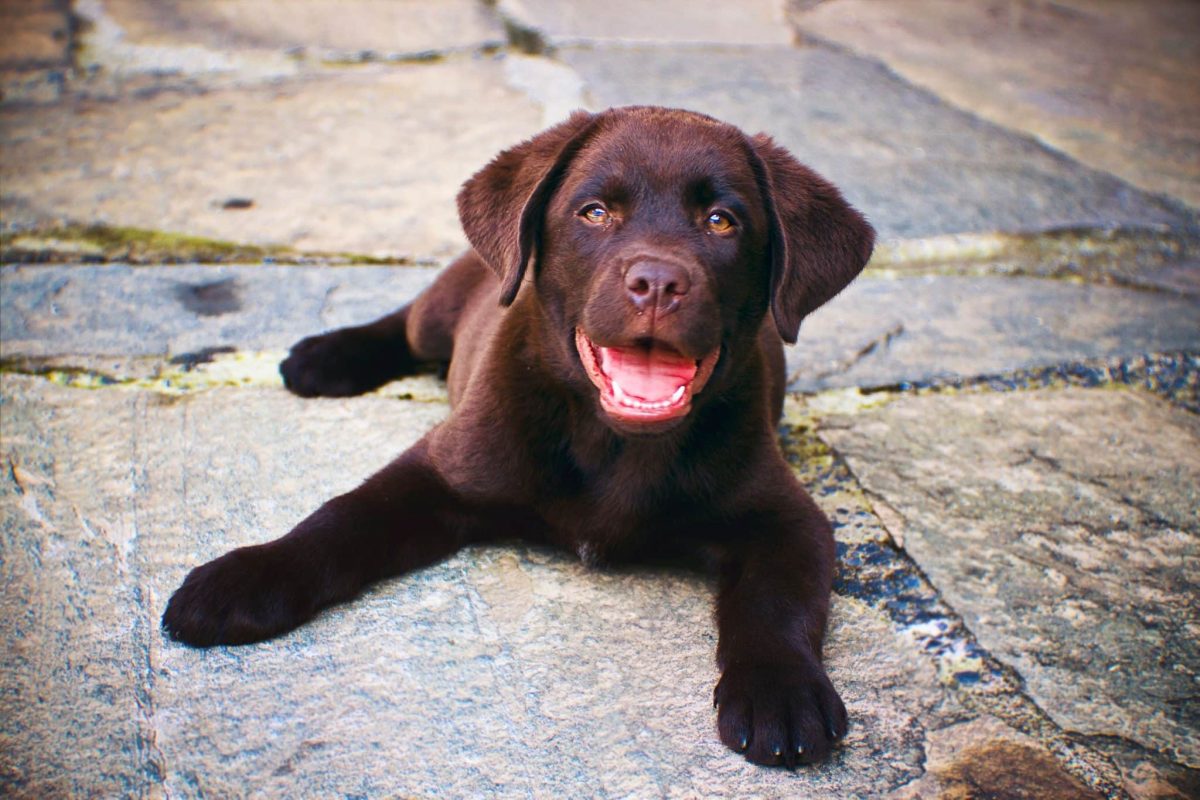
Labrador Retrievers are famous for friendly personalities, enthusiastic appetites, and a remarkable ability to investigate almost anything with their mouths. Their retrieving heritage encouraged them to pick up and carry objects, so an unattended notebook, worksheet, or mysterious piece of paper can become surprisingly interesting to a young Lab searching for entertainment. Labs are intelligent and energetic dogs that generally thrive with regular exercise, training, social interaction, and games that give them appropriate things to retrieve. Without enough stimulation, their curiosity can lead them toward socks, slippers, cardboard, and other forbidden treasures. Fortunately, their eagerness to learn usually makes positive training rewarding, especially when treats are involved, and everyone agrees that homework is not an acceptable appetizer.
Beagle
 Shutterstock
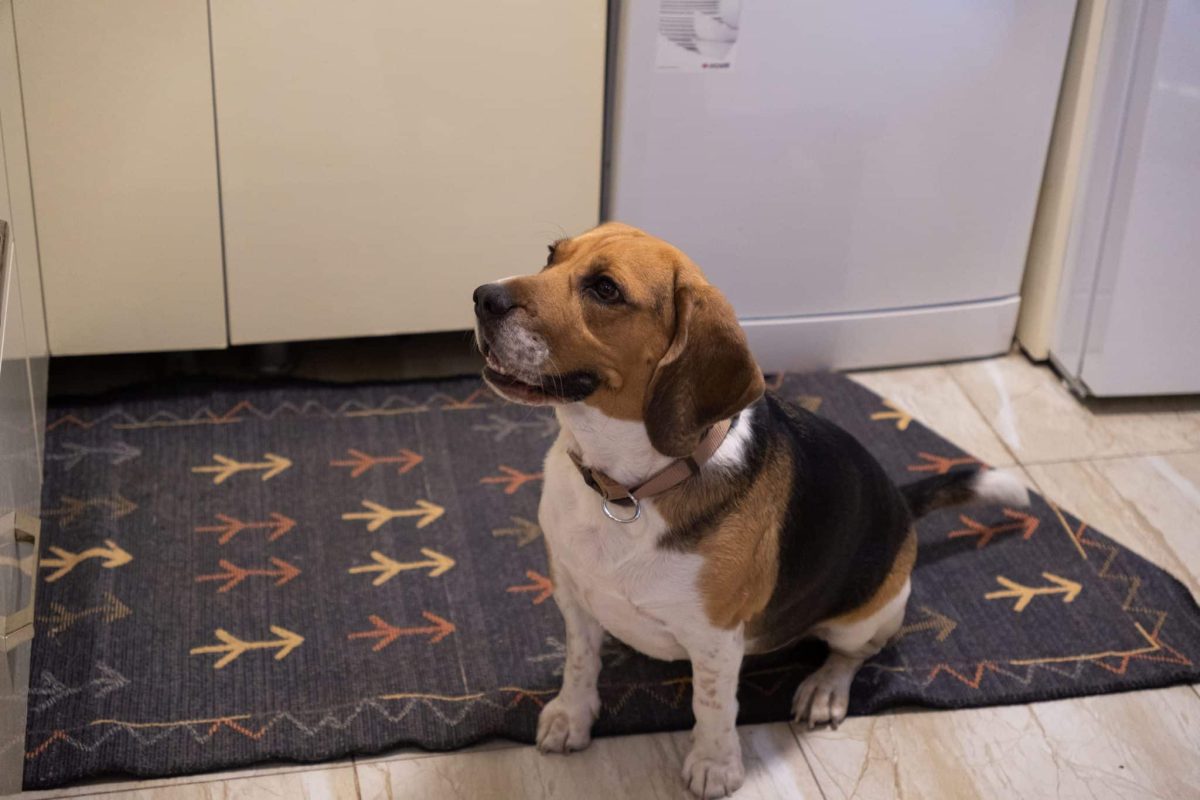
A Beagle’s nose can transform an ordinary household into an enormous detective investigation where practically nothing escapes inspection. Developed as scent hounds, Beagles possess tremendous curiosity and determination once an interesting smell captures their attention, meaning backpacks, lunch containers, wastebaskets, and papers carrying intriguing scents may deserve immediate examination. Their intelligence comes with an independent streak, so simply telling a Beagle to ignore something does not necessarily mean the discussion has ended. Daily walks with opportunities to sniff, food puzzles, scent games, secure storage, and positive training can help satisfy their investigative instincts appropriately. Leave your homework beside something delicious, however, and your Beagle may conduct a thorough investigation that unfortunately destroys several important pieces of evidence.
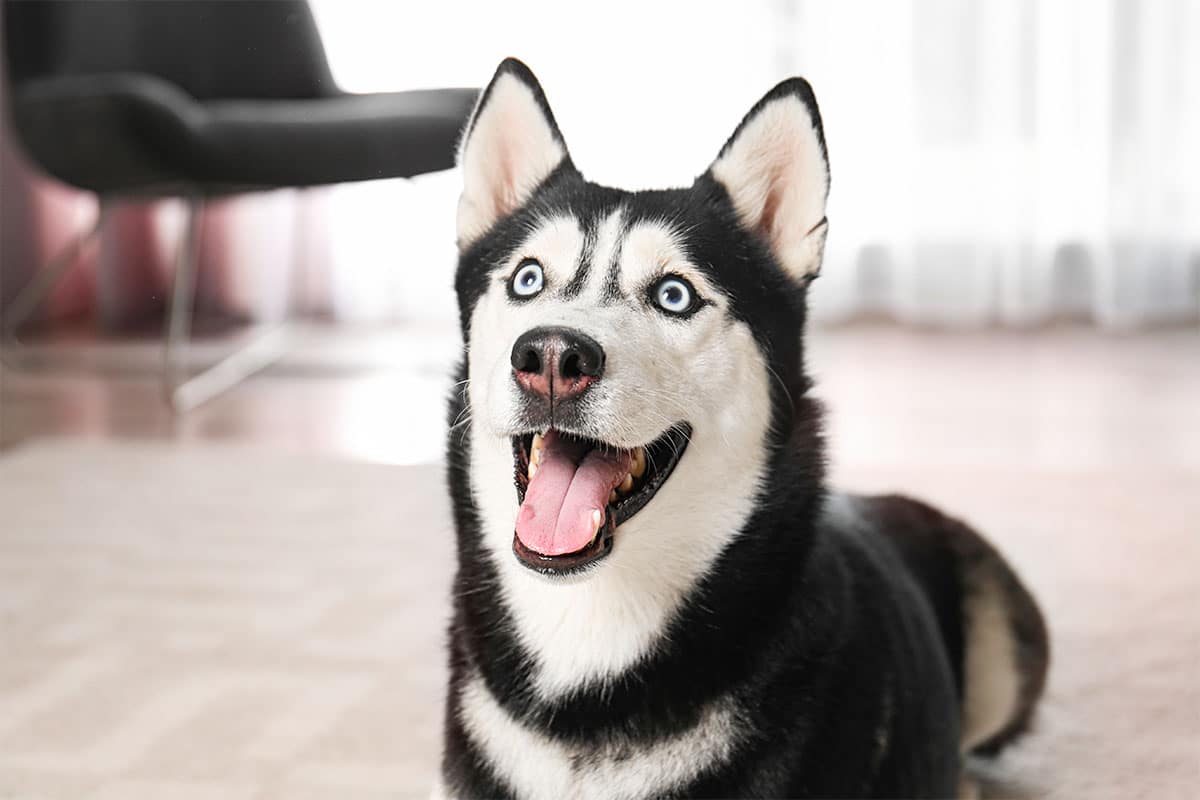
Siberian Husky
 Shutterstock
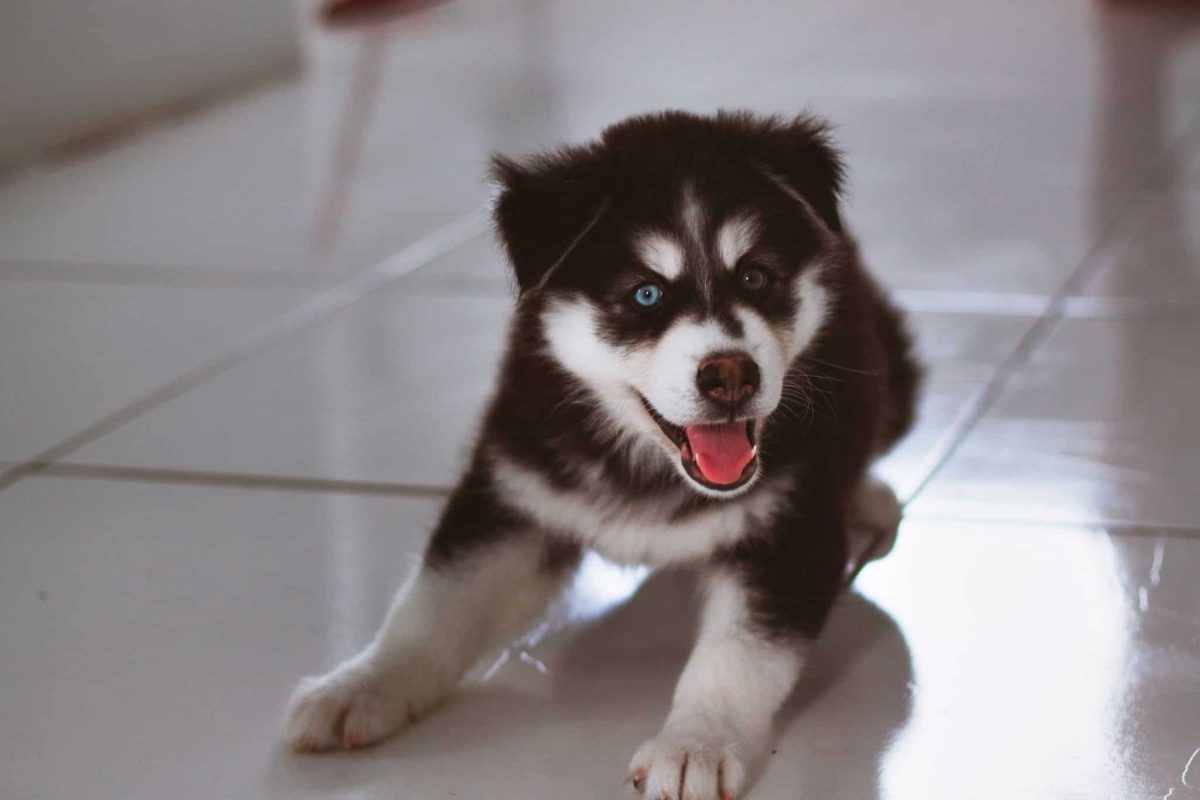
Siberian Huskies have enough personality to make trouble look like an organized recreational activity. Developed for endurance and teamwork in demanding environments, these athletic dogs are intelligent, energetic, social, and famously capable of independent decision-making, which becomes particularly noticeable when their humans have failed to provide sufficient entertainment. A bored Husky may dig, chew, rearrange belongings, investigate forbidden spaces, or test whether household boundaries are actual rules or merely polite suggestions. They need substantial physical activity, mental challenges, secure surroundings, and patient training that respects their intelligence without rewarding their dramatic negotiations. Homework might not be their preferred target, but if a Husky decides shredding paper looks entertaining, your teacher may receive the most believable canine excuse in school history.
Jack Russell Terrier
 Shutterstock
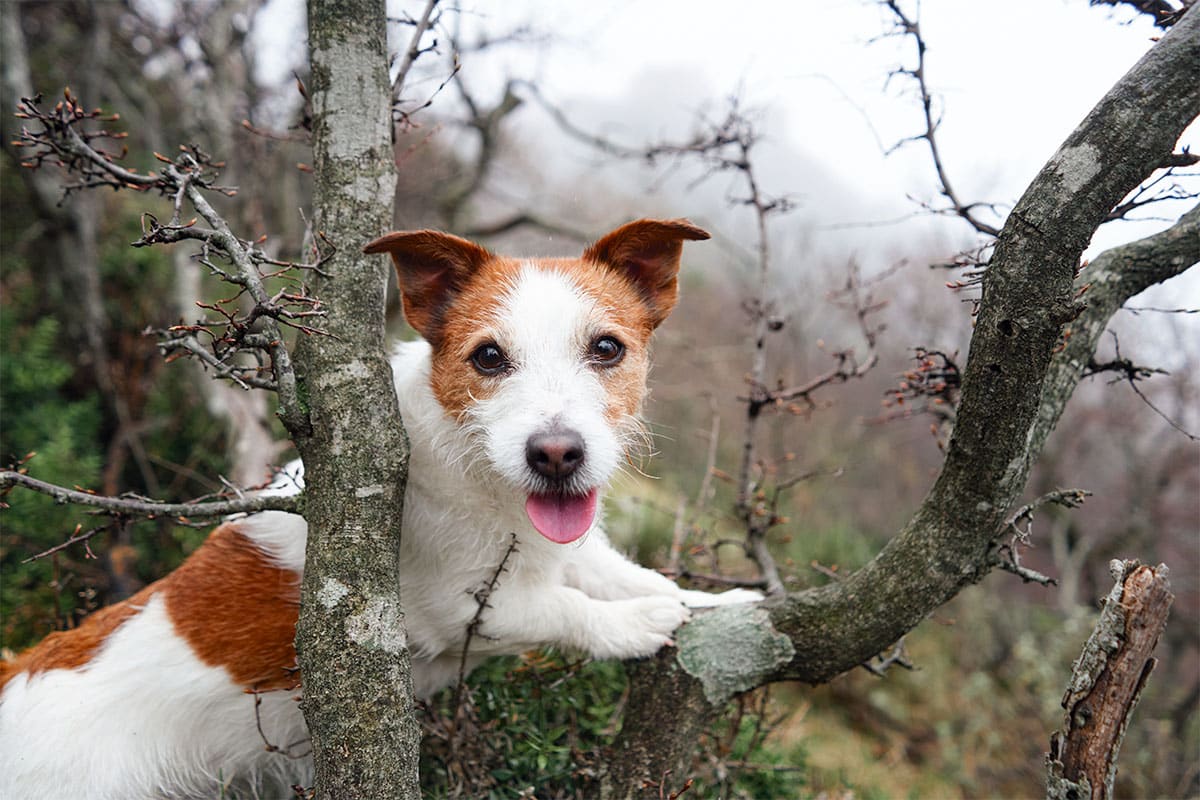
The Jack Russell Terrier packs enough curiosity, confidence, and determination into a small frame to keep an entire household permanently alert. Originally developed for fox hunting, these lively terriers were expected to think independently, pursue quarry fearlessly, and remain intensely engaged with their surroundings, qualities that now make them entertaining companions for people prepared for their enormous energy. A bored Jack Russell can quickly invent personal projects involving digging, chewing, climbing, searching, or relocating objects nobody realized were accessible. Regular exercise, training games, puzzle toys, scent activities, and supervised play help keep that busy brain productively occupied. Otherwise, your carefully completed assignment might simply look like another puzzle waiting to be enthusiastically dismantled.
Dachshund
 Shutterstock
Dachshunds may have short legs, but their confidence and curiosity are impressively oversized. These determined little hounds were developed to pursue burrowing animals, requiring courage, persistence, independent thinking, and enough stubbornness to continue working in challenging situations without constant human direction. Those qualities can appear at home as enthusiastic digging, relentless investigations, selective hearing, and an extraordinary ability to locate objects that were supposedly placed safely beyond canine interest. Dachshunds benefit from enrichment, scent games, appropriate exercise, patient positive training, and activities that satisfy their natural desire to investigate. Their long backs also require thoughtful handling and weight management. If your homework disappears, check underneath the blankets before blaming the mysterious paper-eating monster.
Boxer
 Shutterstock
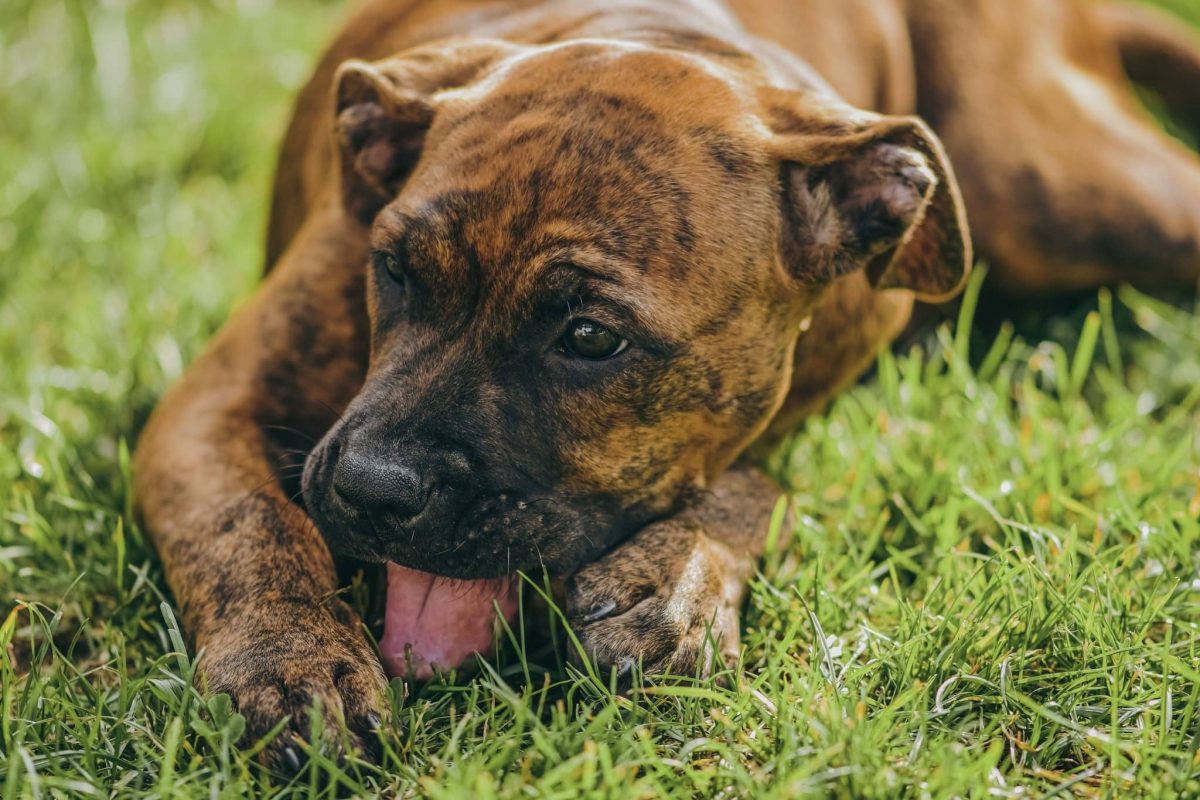
Boxers combine athletic power with a playful personality that can make adulthood seem like an optional life stage. Their history as working dogs contributed intelligence, confidence, alertness, and considerable physical energy, while their famously exuberant personalities mean many Boxers remain enthusiastic about games and interaction throughout their lives. Without sufficient exercise or attention, that enthusiasm can be redirected toward household entertainment involving objects their families would strongly prefer remain intact. Positive training, interactive play, walks, enrichment activities, and appropriate chew toys can help channel their energy constructively. Because Boxers often enjoy being involved in whatever their families are doing, your homework may attract interest simply because you are paying attention to it, which apparently makes it everybody’s group project.
Australian Shepherd
 Shutterstock
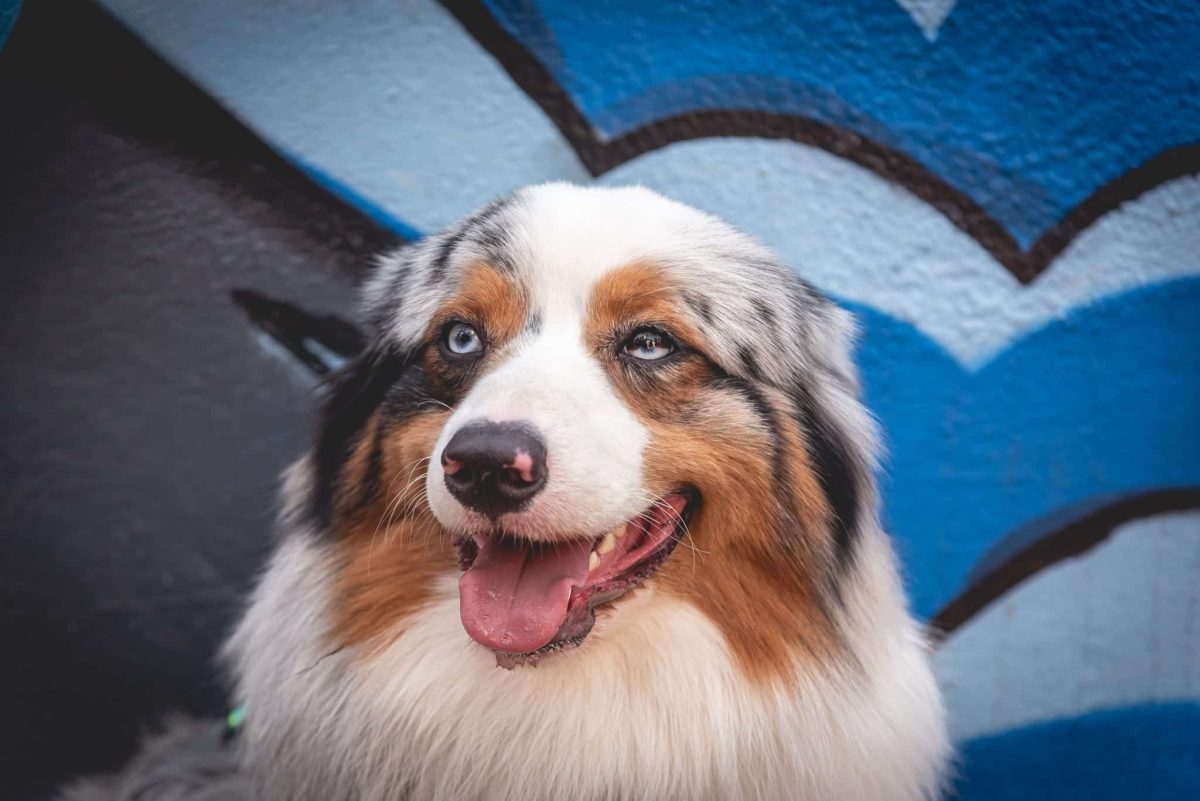
Australian Shepherds are exceptionally intelligent herding dogs that often seem to learn household routines faster than their humans realize. Their working heritage created dogs with stamina, responsiveness, problem-solving ability, and a strong desire to stay mentally and physically engaged, making boredom particularly unhelpful for this clever breed. An under-stimulated Aussie may invent activities involving chasing, carrying, rearranging, chewing, or supervising everything that moves, including family members who never requested management. They thrive with training, canine sports, challenging games, exercise, and meaningful interaction that keeps their active minds occupied. Leave important papers somewhere accessible, and an Australian Shepherd may not literally eat your homework, but there is a reasonable chance it could become part of an unauthorized enrichment program.
Border Collie
 Shutterstock
Few breeds demonstrate the problem-solving abilities of the Border Collie, which is wonderful when that intelligence has a productive outlet and considerably more complicated when it does not. Developed for precise livestock work, Border Collies possess remarkable focus, responsiveness, stamina, and sensitivity to movement, making them exceptional partners for active owners who enjoy training and mentally challenging activities. Their brains need regular engagement alongside physical exercise, and repetitive inactivity can encourage them to create entertainment that humans may not appreciate. Puzzle games, advanced obedience, herding activities, agility, scent work, and interactive play can provide constructive challenges. A bored Border Collie might not simply destroy your homework. It may study your routine, locate the assignment, reorganize your desk, and leave you wondering who actually needs supervision.
Golden Retriever
 Shutterstock
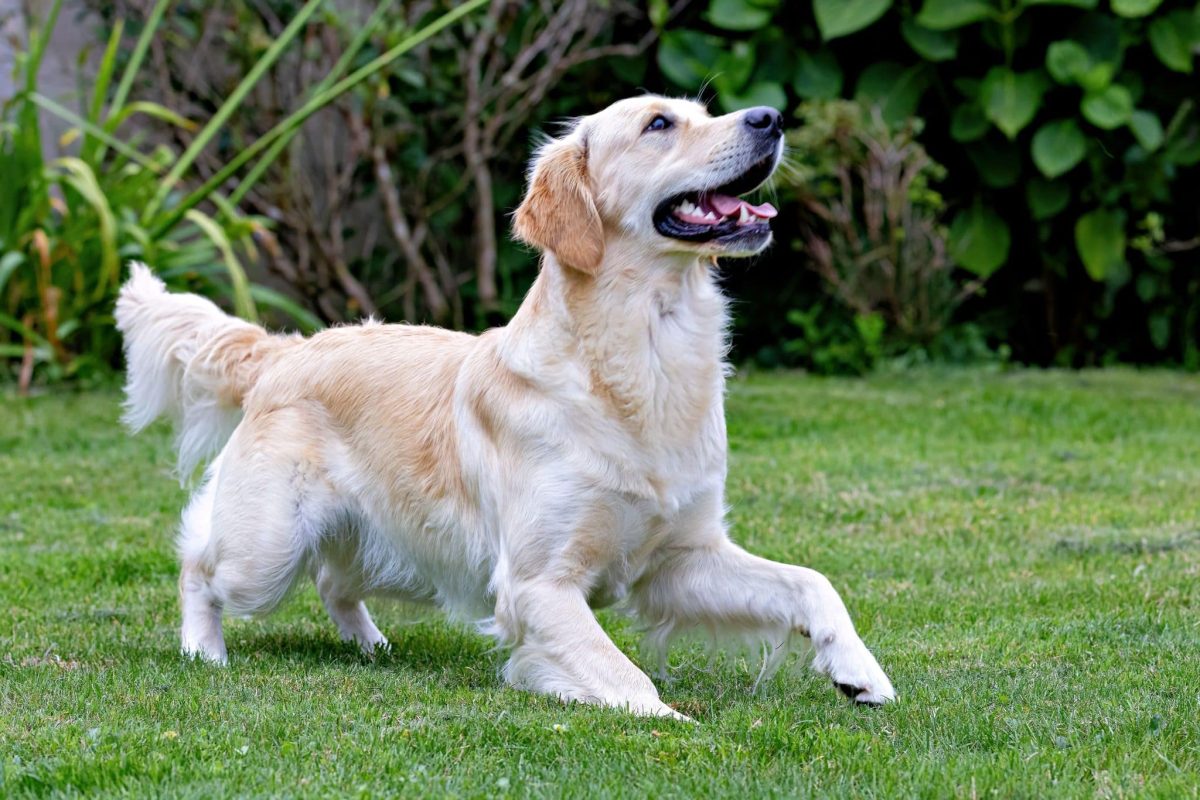
Golden Retrievers have famously gentle personalities, but sweetness does not prevent youthful dogs from becoming enthusiastic collectors of forbidden household treasures. Their retrieving background encourages carrying objects, and many Goldens happily parade around with shoes, socks, towels, toys, and other discoveries when excitement strikes. Puppies and adolescents can be particularly mouthy, making appropriate chew toys, supervision, exercise, training, and retrieval games valuable for protecting possessions while satisfying natural behavior. Goldens are typically eager learners who respond well to positive reinforcement, giving owners excellent opportunities to teach reliable cues such as “leave it” and “drop it.” Your homework may therefore survive, although your Golden could still proudly deliver it across the room like an important academic contribution.
Miniature Schnauzer
 Shutterstock
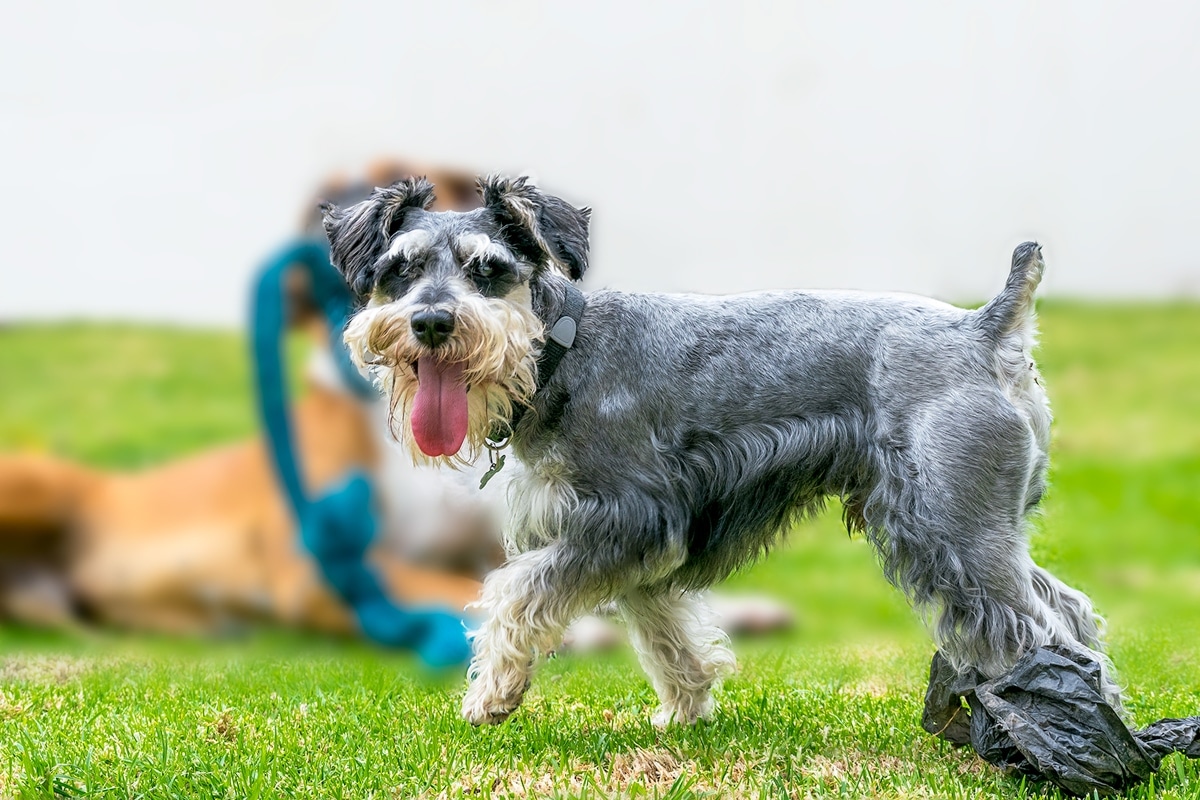
Miniature Schnauzers are alert, intelligent little dogs with enough personality to ensure that household life rarely becomes boring. Their background as versatile farm dogs and ratters encouraged quick reactions, persistence, curiosity, and confidence, traits that remain evident when modern Schnauzers notice unfamiliar sounds, investigate suspicious objects, or decide that something requires immediate canine supervision. They generally enjoy learning and benefit from regular walks, training exercises, interactive games, and opportunities to use their minds. Without enough engagement, some may amuse themselves by exploring or chewing whatever is available. Their expressive faces can also make accusations difficult because even a Schnauzer caught near suspiciously shredded paper may somehow look prepared to request legal representation.
English Bulldog
 Shutterstock
English Bulldogs might not match the relentless energy of a Border Collie or Husky, but mischief does not always require speed. Their charming personalities can include stubbornness, curiosity, playfulness, and a talent for becoming deeply interested in something precisely when humans would prefer otherwise. Younger Bulldogs may chew inappropriate objects while exploring their environment, making supervision, safe chew options, positive training, and careful management important. Because they are brachycephalic, exercise should be appropriate for the individual dog, with particular care taken in hot or humid conditions. Keeping tempting objects safely stored is easier than negotiating their return. If an English Bulldog gets hold of your homework, the resulting expression may suggest that the document voluntarily surrendered itself.
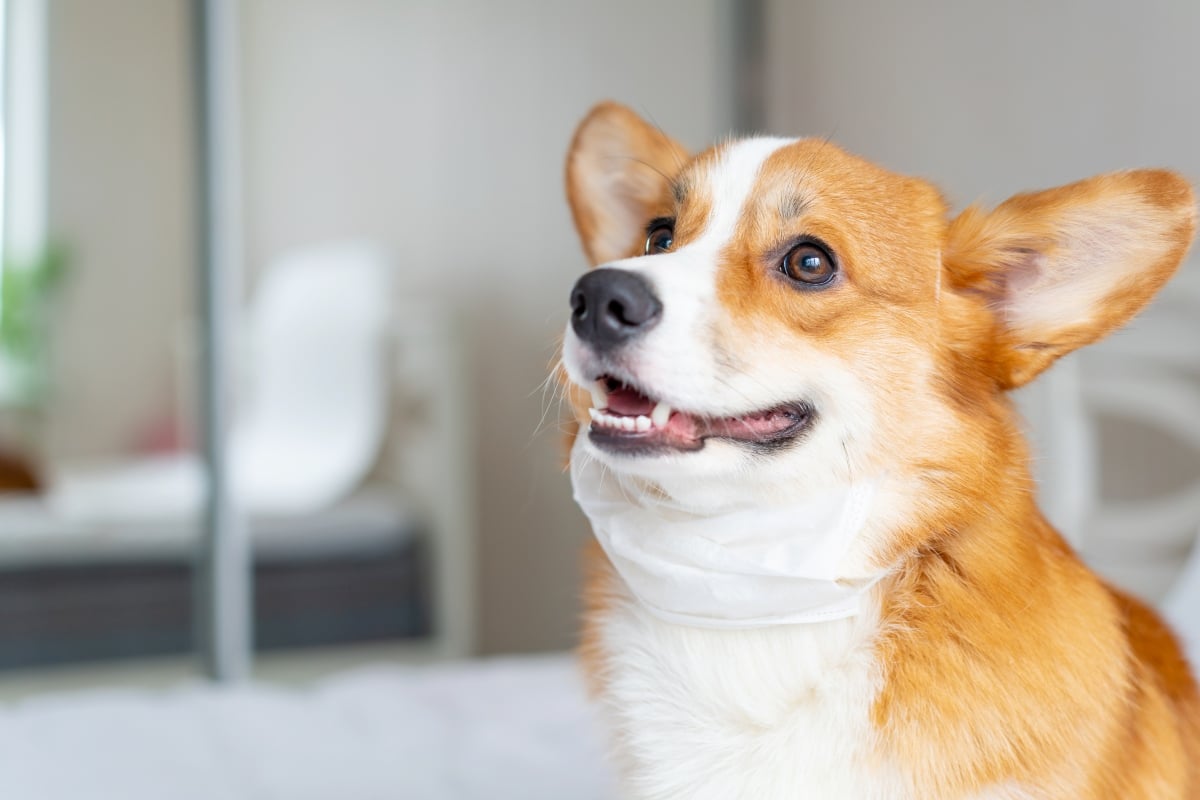
Pembroke Welsh Corgi
 Shutterstock
Pembroke Welsh Corgis combine an adorable appearance with the sharp mind and determination of a genuine working dog. Developed for herding cattle, they needed confidence, responsiveness, agility, and independent judgment, qualities that can produce an entertaining household companion who notices practically everything happening nearby. Corgis often enjoy learning but also need regular exercise and mental stimulation to prevent their considerable intelligence from being directed toward unauthorized experiments. Training games, food puzzles, scent activities, walks, and other enrichment can keep them appropriately busy while strengthening communication with their families. Their compact height should not encourage complacency either, because a motivated Corgi can display remarkable ingenuity when something interesting is supposedly out of reach.
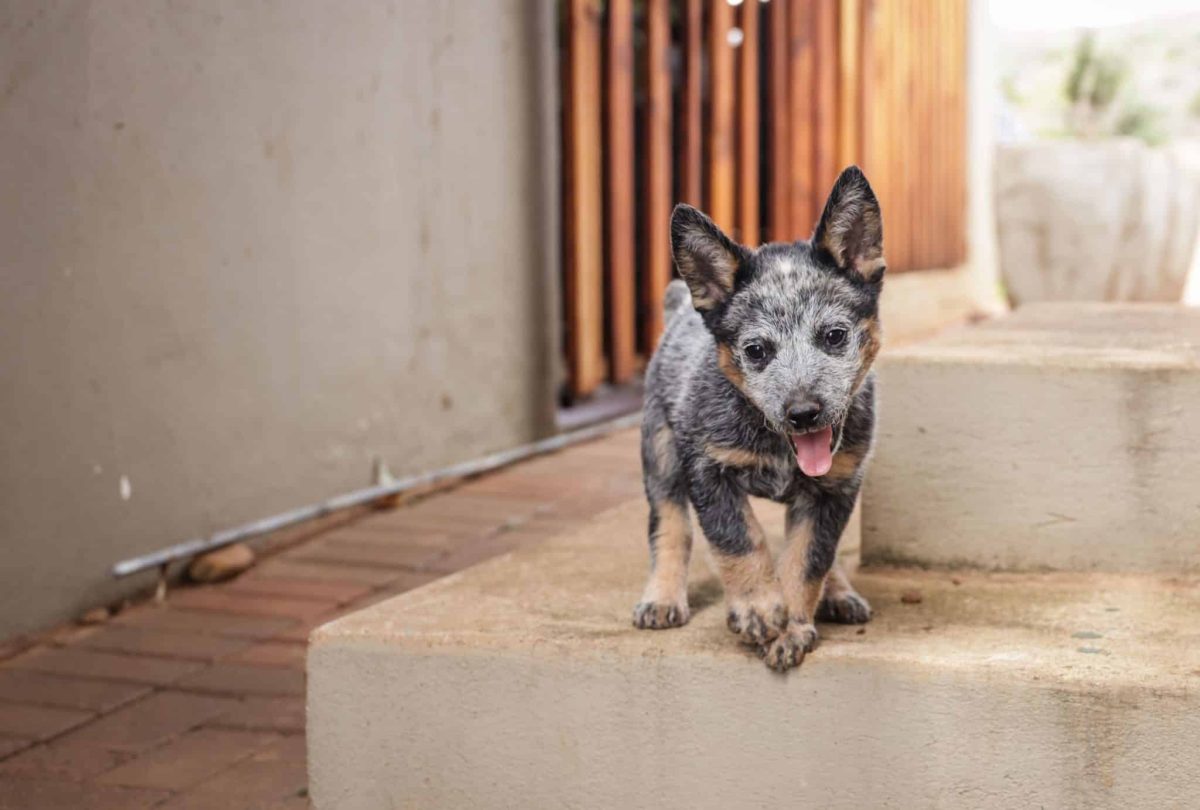
Australian Cattle Dog
 Shutterstock
Australian Cattle Dogs were developed to perform difficult herding work across demanding terrain, creating a breed famous for endurance, intelligence, toughness, and determination. Those characteristics make them outstanding partners for experienced, active owners, but they also mean these dogs generally need considerably more engagement than a casual stroll and an afternoon nap. Without sufficient physical exercise and mental challenges, an Australian Cattle Dog may redirect its formidable problem-solving skills toward activities nobody assigned, including chewing, exploring, chasing, or reorganizing household belongings. Structured training, canine sports, puzzle activities, outdoor adventures, and appropriate work can help satisfy their drive. If one ever eats your homework, you might reasonably suspect it was less an accident and more a carefully planned independent project.
The Homework Never Stood A Chance
 Shutterstock
Living with a mischievous dog means accepting that curiosity sometimes wins, especially when tempting belongings sit within reach of clever noses and enthusiastic mouths. Breed tendencies can reveal playful, investigative, or independent personalities, but training, age, exercise, and environment matter too. Providing chew toys, mental enrichment, regular activity, positive training, and secure storage helps protect belongings while satisfying instincts. If your homework somehow becomes canine confetti anyway, protect the next assignment, redirect your furry troublemaker, and consider gathering photographic evidence before explaining everything to your teacher.














 English (US) ·
  French (CA) ·