

If you live in an area that doesn’t offer curbside pickup, trying to get rid of yard waste can be harder – and more expensive – than you think. Debris builds up fast in the spring and fall as many of us begin cleaning up our yards and gardens.
So what are you supposed to do with all this organic waste, if you can’t put it on the curb and wait for it to disappear? There are sustainable ways to dispose of yard waste, but they may take a little more effort than just dragging your trash to the curb.
However, many of these free yard waste removal methods can benefit your landscape as well. I’ll share the best ways to get rid of green waste, if your city doesn’t do curbside pickup and you don’t want to pay potentially hundreds of dollars for a yard waste removal service.
Article continues below
1. Start a Compost Pile
(Image credit: Shutterstock)
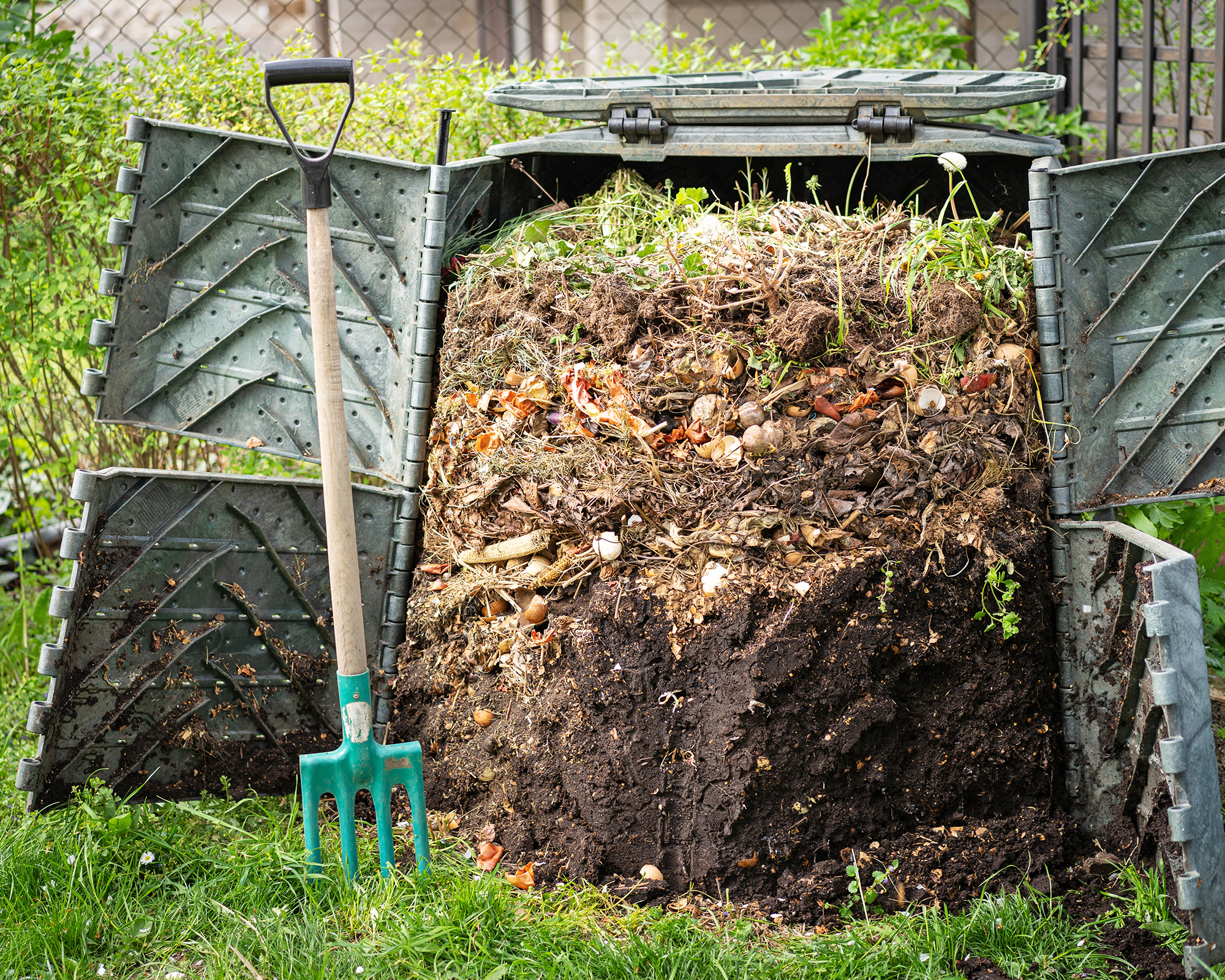
Starting a compost pile or bin is the best way to turn yard waste into garden gold. You can create a compost pile for free by simply heaping up your debris in a quiet corner of your yard. Layer green and brown compost materials and turn the pile every few weeks during the growing season to help decomposition.
If you’re willing to spend a few dollars, you can invest in a compost tumbler, like this one from Amazon, to speed up the process and contain any unwanted sights or smells in your landscape.
Never put weeds or diseased plant waste into your compost pile as this can spread these problems into other parts of your yard when you use the finished compost.
2. Take It to a Drop-Off Site
(Image credit: BOKEH STOCK / Shutterstock)
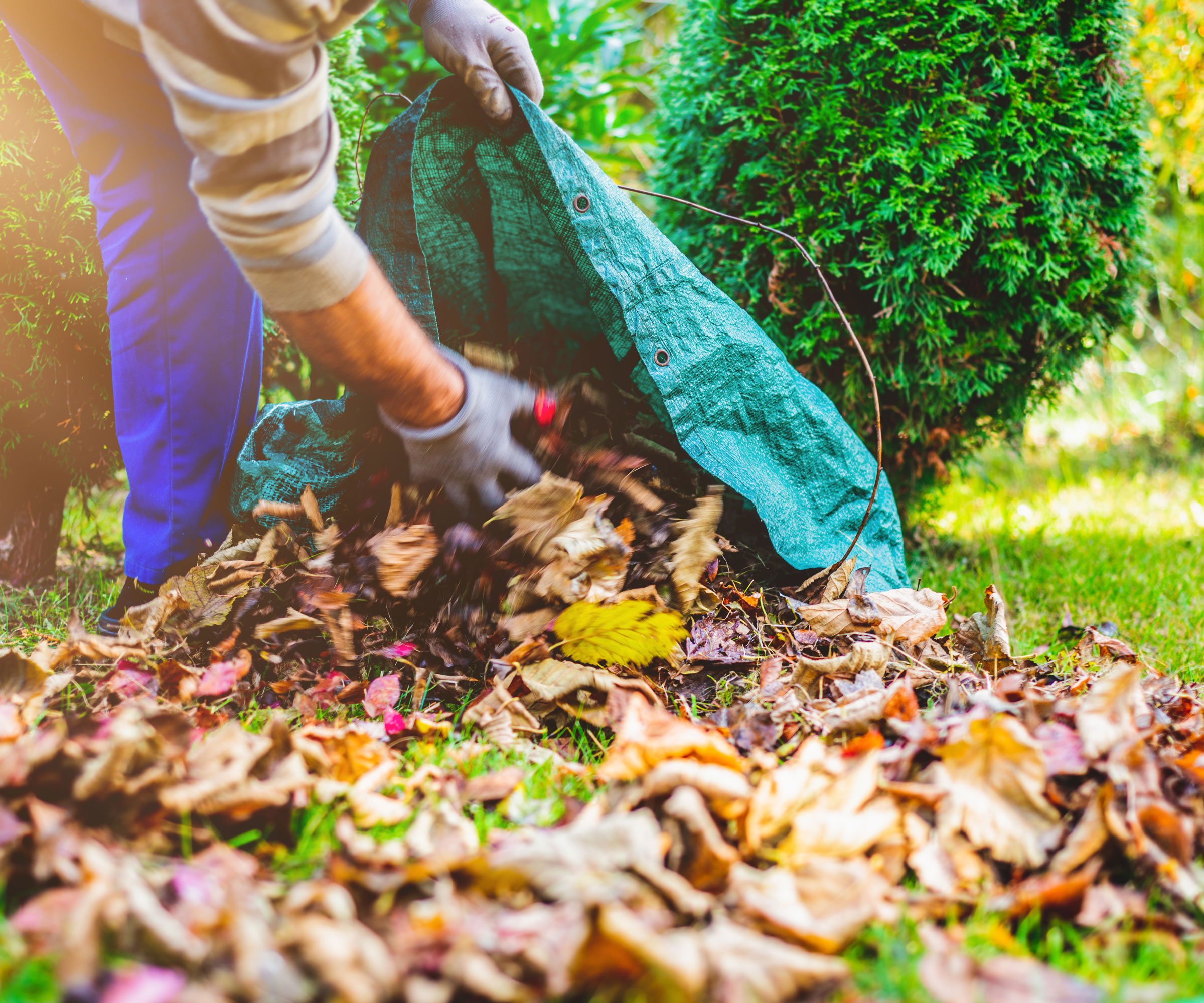
Even if your city doesn’t offer curbside yard waste disposal, they may have a drop-off location where you can take your trash instead. Many municipalities offer free drop-off at their recycling center or local dump.
Some of these sites even turn the green waste into free mulch or free compost that they offer to the local community in return. This often takes place in spring. Check out your local municipalities to see if they provide these drop-off services and what kind of waste they accept. Then make hauling your debris easier with some yard waste bags like these from Amazon.
3. Leave Grass Clippings in Place
(Image credit: Getty Images)
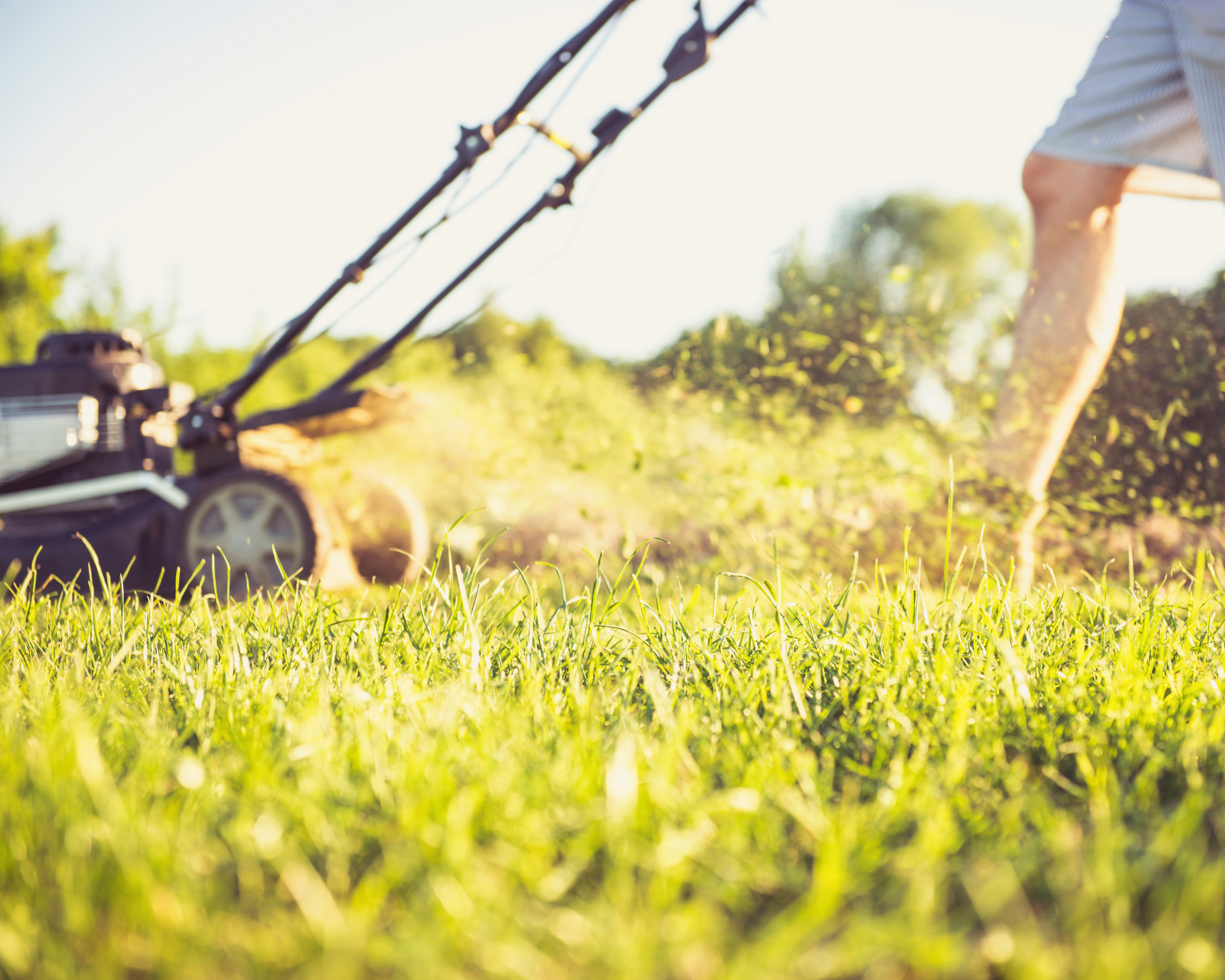
You don’t even have to move some of your yard waste, like grass clippings. Lawn trimmings actually make a wonderful, natural fertilizer for your grass. When you mow your lawn, simply let grass clippings fall where they may and mulch back down into the soil.
Unless your grass is very long, there’s no problem leaving lawn trimmings to compost back down into your yard. They’ll give your grass a nice boost of nitrogen as they decompose.
4. Fill Raised Beds & Planters
(Image credit: tagphoto / Getty Images)
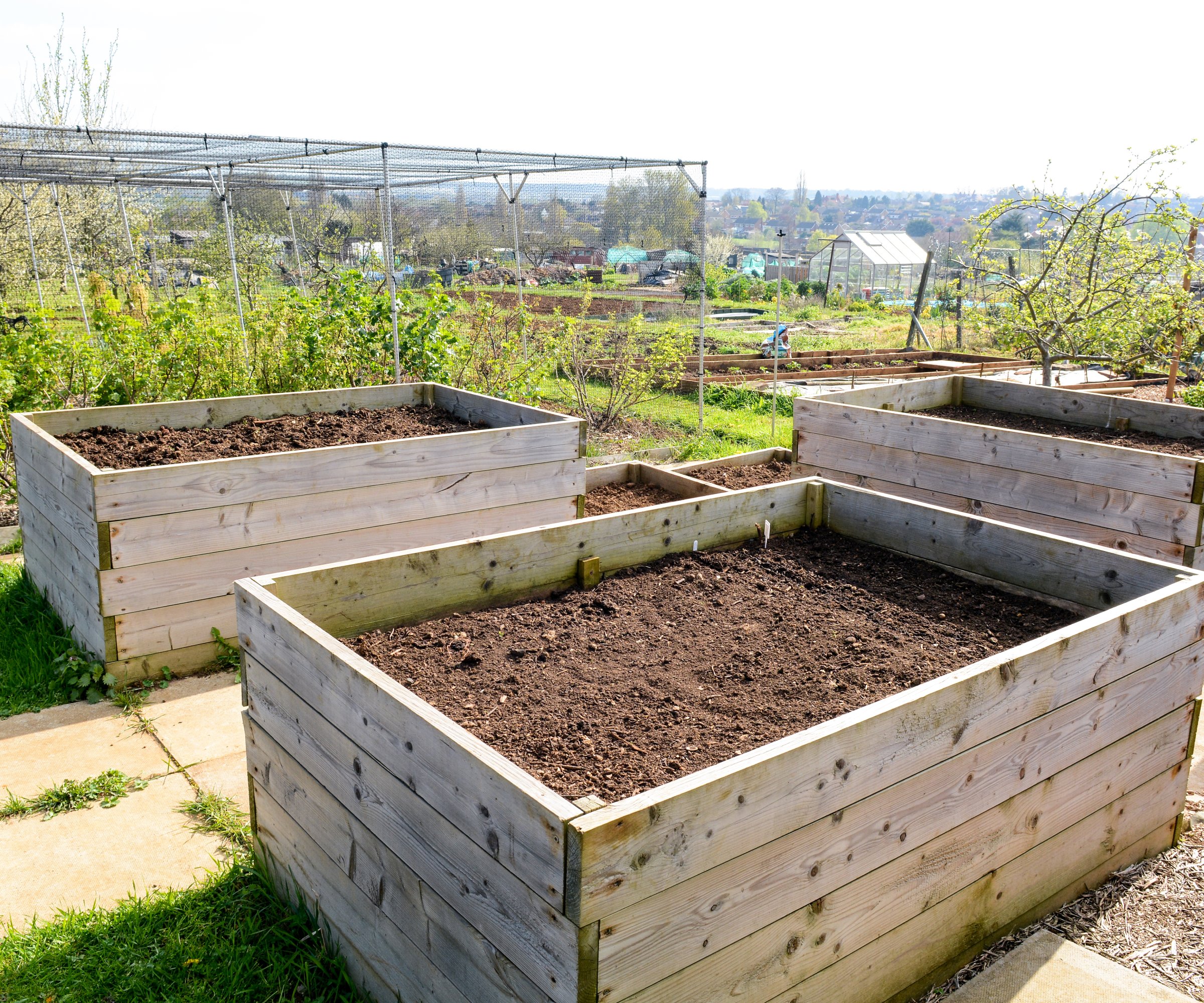
If you have raised beds or large planters, you can use yard waste as a clever way to save money on potting soil. From logs and branches to wood chips and perennial prunings, you can use yard debris to fill the bottom half of beds and large planters.
Follow hugelkultur principles and start with large woody materials at the bottom, then layer on smaller yard waste as you work your way up, then top your debris with compost or potting soil, and plant.
Of course, don’t put any weeds or diseased and pest-infested garden waste into your beds or planters. But any other organic material is just fine and will naturally compost under your plants, giving them a slow feed of nutrients.
5. Create a Wildlife Habitat
(Image credit: Mint Images / Getty Images)
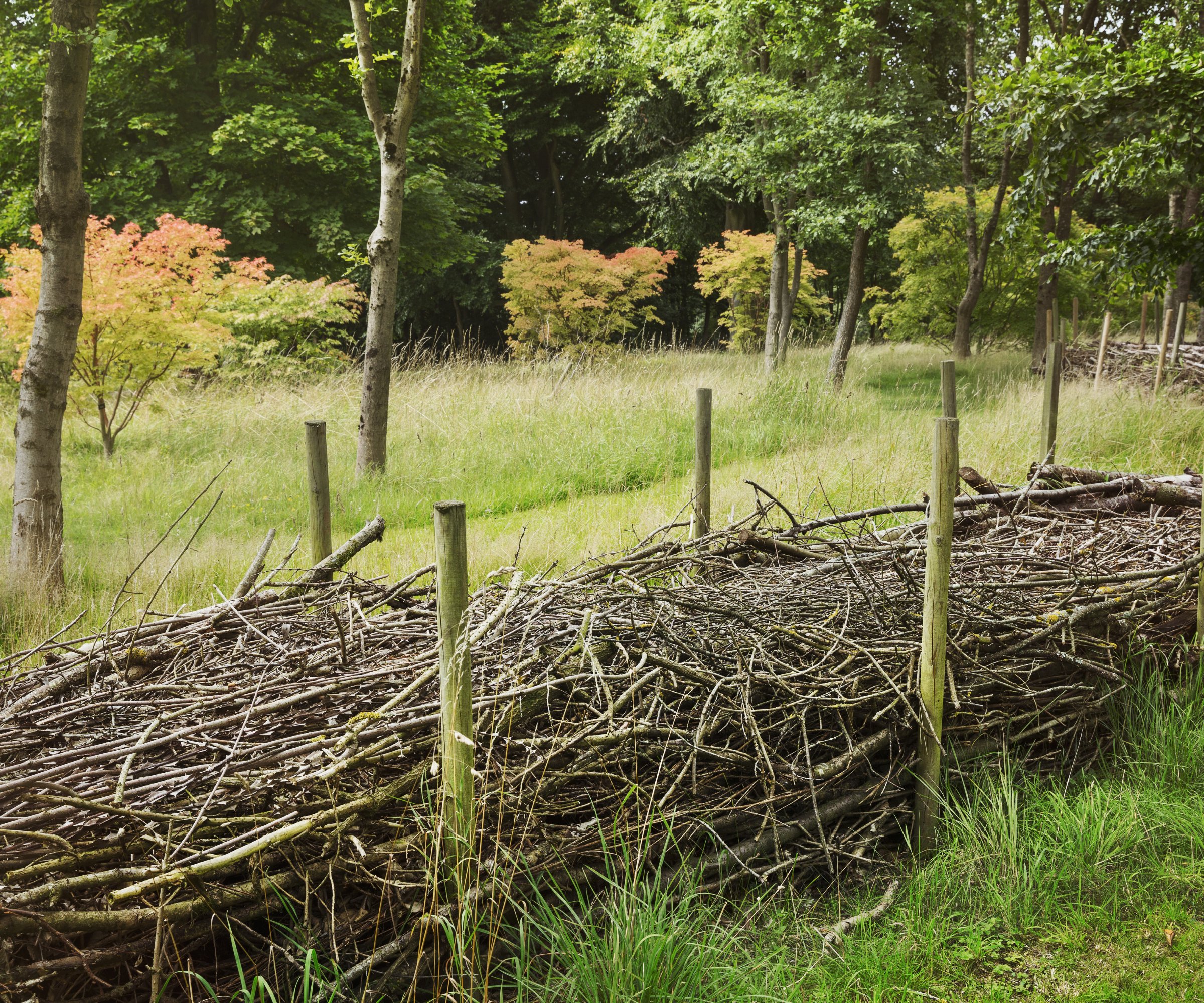
If you have a spacious landscape, then using yard waste to create a wildlife habitat is a great option to benefit both your local flora and fauna.
You can quickly build a dead hedge with branches and sticks from your most recent pruning job to give wildlife a safe place to nest. A simple hedge like this can also double as a unique, natural fence to add privacy to your backyard.
Another option is to use yard waste to support beneficial insects by building wildlife houses that encourage these helpful bugs into your garden. Inviting the right insects, like pollinators, into your yard can cut down on problem pests and help you grow a healthier, more productive garden.
Garden Cleanup Essentials
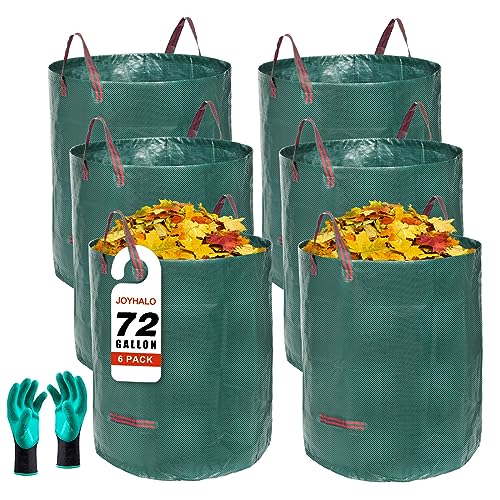
Joyhalo Reusable Yard Waste Bags
Make hauling away yard waste easier with this handy 6-pack of durable bags.
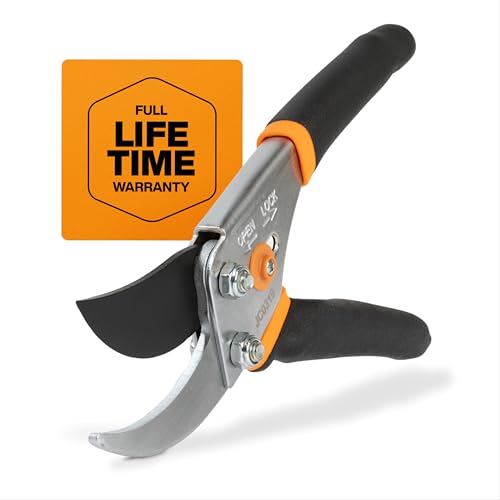
Fiskars Bypass Pruning Shears
Clean up overgrown plants by pruning them with pair of sharp, sterilized shears.
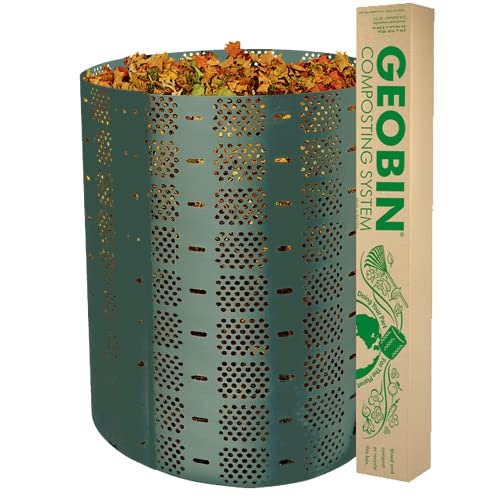
A simple compost bin like this is the perfect place to corral yard waste and turn it into black gold.













 English (US) ·
  French (CA) ·