

 7 months ago
184
7 months ago
184
PROTECT YOUR DNA WITH QUANTUM TECHNOLOGY
Orgo-Life the new way to the future Advertising by AdpathwayThis spring, make a few pollinator plant swaps and watch the garden hum with visits from bees, butterflies, hummingbirds, and more. If you’re unsure which swaps to make, don’t worry. Experienced gardener and Master Naturalist, Sarah Jay, covers five easy ones to make now.

Written by Sarah Jay Last updated: March 15, 2026 | 4 min read
There’s nothing like a few pollinator plant swaps to give your local bees, butterflies, moths, and hummingbirds a boost. Spring is a great time to make a few of these switches, so you’ll get to enjoy the flowers just as much as neighboring insects and birds do. Knowing which to make is half the task.
The most beneficial swaps involve removing invasives and planting natives instead. Invasive plants are those that thrive outside their native range so well that they form a monoculture, pushing out native plants. Local pollinators can sometimes get nectar from some invasives, but they get so much more from regionally indigenous plants.
When you’re deciding what to swap out, know that it may take time to remove an invasive plant completely. However, not all the swaps we list here are of that nature. We do include some swaps that are really just about including a similar plant that does a better job for our pollinator friends.
Black Gamecock Louisiana Iris

Black Gamecock Louisiana Iris
Creme de la Creme Hardy Tall Phlox

Creme de la Creme Hardy Tall Phlox
Echinacea Cultivars for Straight Species
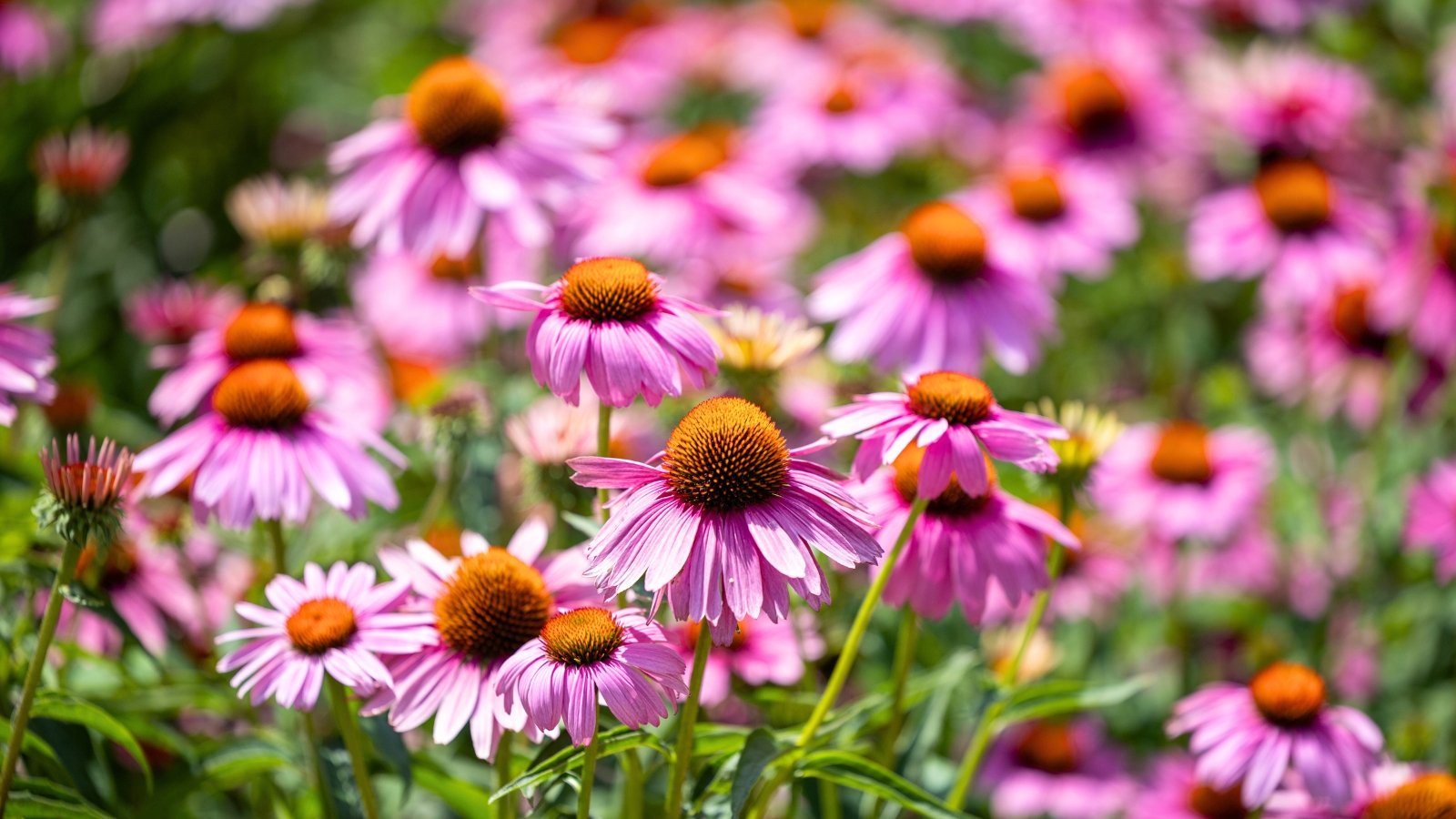 Straight species are far better for pollinators.
 While we here at Epic love the awesome echinacea cultivars our sister company, Botanical Interests, has for sale, a straight species is better for pollinators. Even better than a straight species is what is known as a local ecotype, or one grown from plant material taken from the wild.
In the east, standard Echinacea purpurea plants are excellent for butterflies and birds. The Great Plains host E. angustifolia, known commonly as narrowleaf coneflower. In the western parts of North America, and in the Pacific Northwest, opt for an aster or lupine instead, as no Echinacea species are native to the region.
You don’t have to do complete pollinator plant swaps here. Feel free to plant your regional natives next to your cultivated plants, like ‘Alan’s Pride‘, and the multicolored ‘Paradiso’ blend. Then take some time to determine which ones attract more wildlife. You may be surprised by what you learn.

Butterfly Bush for Mistflower
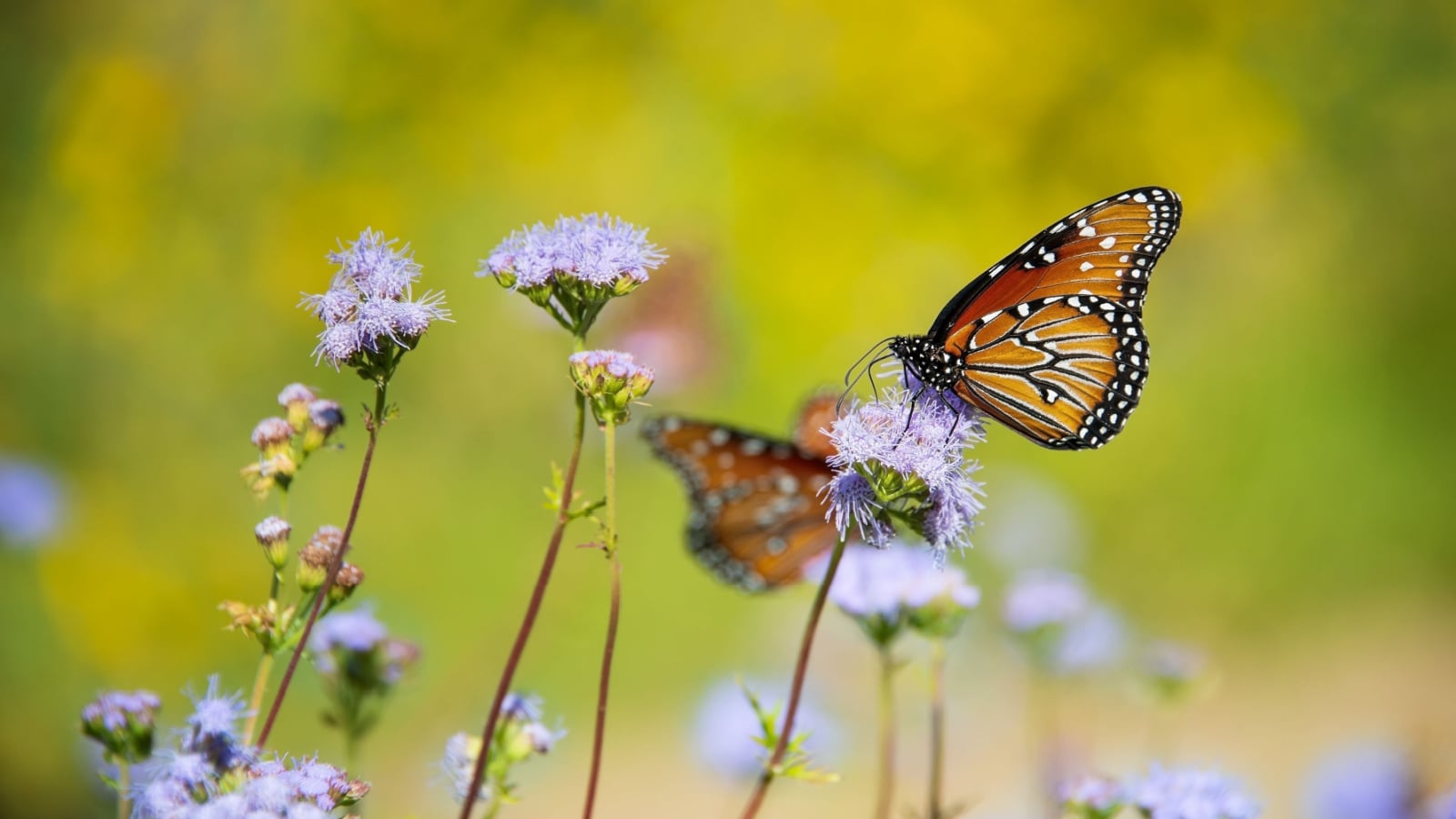 Mistflower is a plant pollinator swap that is less invasive.
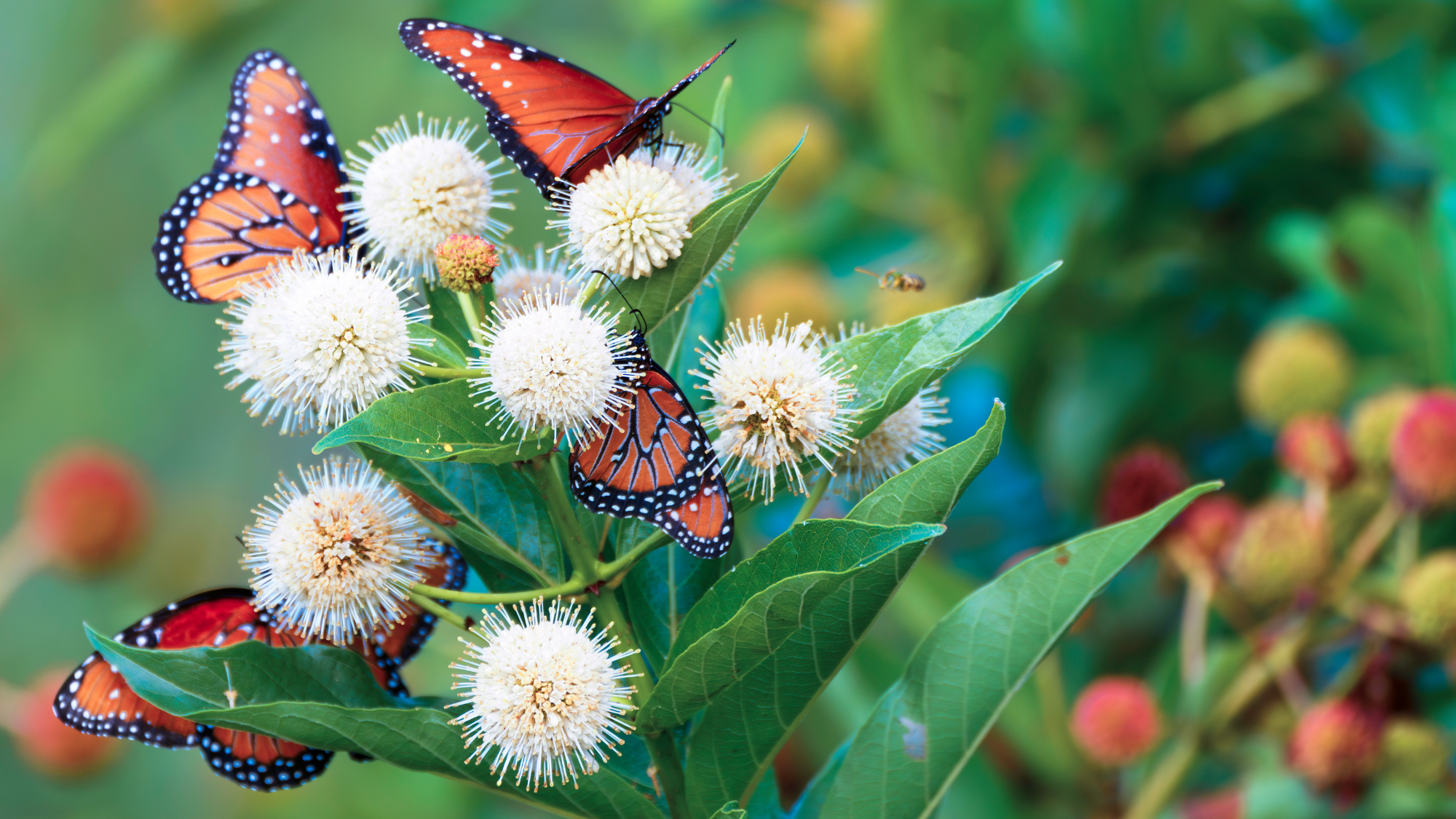
 You may wonder why we’ve included this suggestion in our list of pollinator plant swaps. But you will find there is so much more for butterflies with mistflower. Butterfly bush is a great plant for feeding butterflies, but it tends to invade natural areas. If you want to provide nectar and pollen for your winged friends every season, mistflower is where it’s at.
If you’re living in the eastern parts of North America, plant some blue mistflower (Conoclinium coelestinum). In rocky areas of the Pacific Northwest, try pink-flowered snakeroot (Ageratina occidentalis). There’s a white one native to the southwest as well, known botanically as A. herbacea.
While it would be most beneficial to remove your butterfly bush and follow up with planting a native mistflower in its place, that’s not always the easiest task. After the initial removal, you may have to follow up multiple times. If you’re working with a sterile cultivar, try planting the native mistflower next to it and see which the butterflies prefer.
Japanese Honeysuckle for Native Honeysuckles
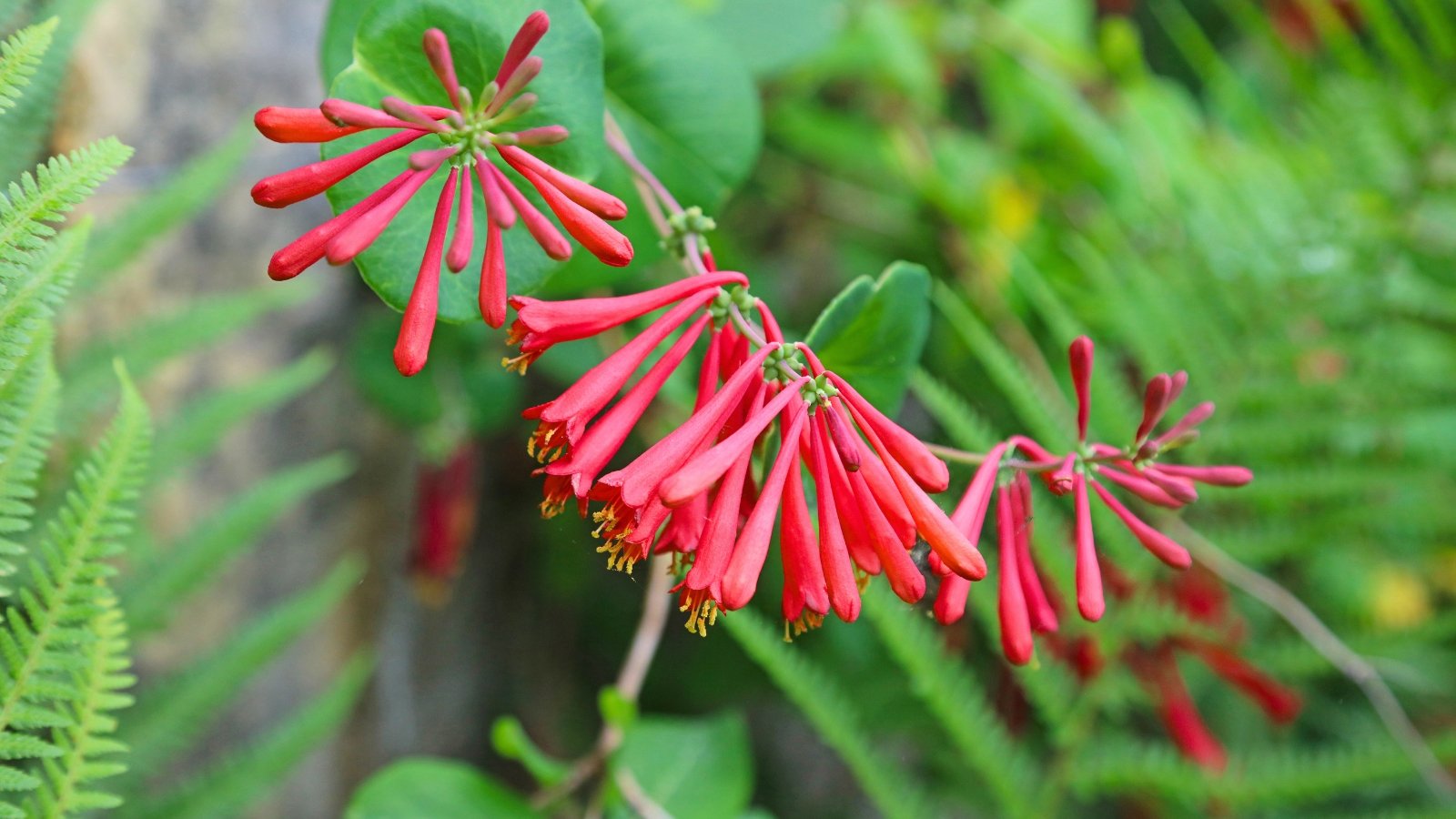 Look for honeysuckles native to your region.
 Another heavily invasive plant is Japanese honeysuckle. I have mixed feelings about this one, and there are tons of childhood memories I associate with the smell and taste of its flowers. It’s very intoxicating, and so it’s easy to see why people like to grow this one. Add to that its ability to take off quickly, and there’s no question why.
However, if you want to benefit your local butterflies, a native honeysuckle will do better. There are over 100 species native to North America, and certainly, there’s one you can plant instead of the non-native ones. Give them good support to keep them healthy and happy.
Red coral honeysuckle (Lonicera sempervirens) attracts clearwing hummingbird moths and hosts their larvae. American honeysuckle (L. canadensis) is a lovely northeastern US native that benefits local butterflies and birds. Northern bush honeysuckle (Diervilla lonicera) is another great one that has a range into eastern Canada. All of the native species benefit regional bees, of which many populations are in decline.
Burning Bush for Oakleaf Hydrangea
 Oakleaf hydrangea is a beautiful addition to any garden.
 Euonymus alatus, known commonly as burning bush, is a beautiful statement as a foundation planting due to its vibrant red leaves in autumn. However, it’s a highly invasive plant that takes over wooded areas of the northeastern parts of North America. For a plant that provides the same stature with even more flair, plant an oakleaf hydrangea instead.
While the two plants aren’t super close analogs, this is one of those pollinator plant swaps you won’t regret. Hydrangea quercifolia is a beautiful plant with interesting leaves that turn red in autumn. The shrub also has the same height and spread as the burning bush does. Add to that the lovely white to pink flower spikes, and it’s easy to see why oakleaf hydrangeas are better.
The blossoms are food for local wildlife. Beetles, butterflies, and native bees love to sip from the flowers, and birds dine on the seeds. It’s a cold-hardy plant also. It has a wide range and fits into multiple garden styles, whether they’re strictly native or more wide-ranging.
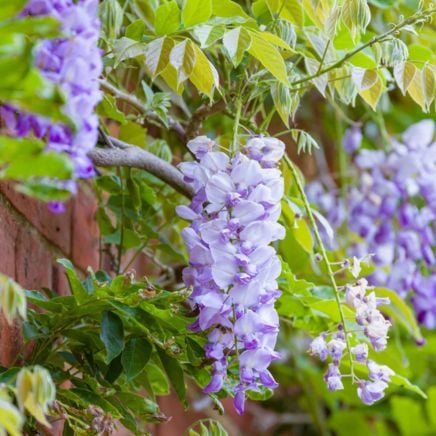
Japanese Wisteria for Native Wisteria
 Native wisterias are pollinator plant swaps that are much easier to manage.
 Among our other pollinator plant swaps, this one is almost exact aesthetically. Unless you’re a seasoned botanist, it’s hard to tell the difference between Japanese wisteria and American wisteria. But change your invasive wisteria out for a native one, and you’ll see noticeable differences in the number of pollinators about.
Why is this? Well, American wisteria hosts the Marine Blue and Zarucco Duskywing butterflies, and various species of skippers. Even a cultivar of the native species will provide more to wildlife than the non-native one. And the native species (Wisteria frutescens) is much easier to manage.
Prune your wisteria in late winter to early spring, and use the cuttings to make more plants. Then you can have a hedge of this awesome, sprawling vine all around your garden. That means even more habitat for those winged beauties we mentioned. You won’t regret changing the other for this one.













 English (US) ·
  French (CA) ·