

 8 months ago
234
8 months ago
234
PROTECT YOUR DNA WITH QUANTUM TECHNOLOGY
Orgo-Life the new way to the future Advertising by AdpathwayFor many gardeners, February is an awkward gap where spring is on the horizon but hasn’t arrived in full just yet. And if you’re feeling gloomy about it, you can be sure the birds in your garden are too.
In February, natural food sources are depleted after months of birds foraging through fall and early winter, and freezing temperatures in many regions make finding water difficult. Birds that stayed through winter instead of migrating need a little help from us to get through this lean period.
A few simple actions make a measurable difference in these tough weeks before early spring plants start producing new growth and insects become active again. Help your backyard birds in February, and they will reward you with pest and pollination help later in the year.
Clean Bird Baths
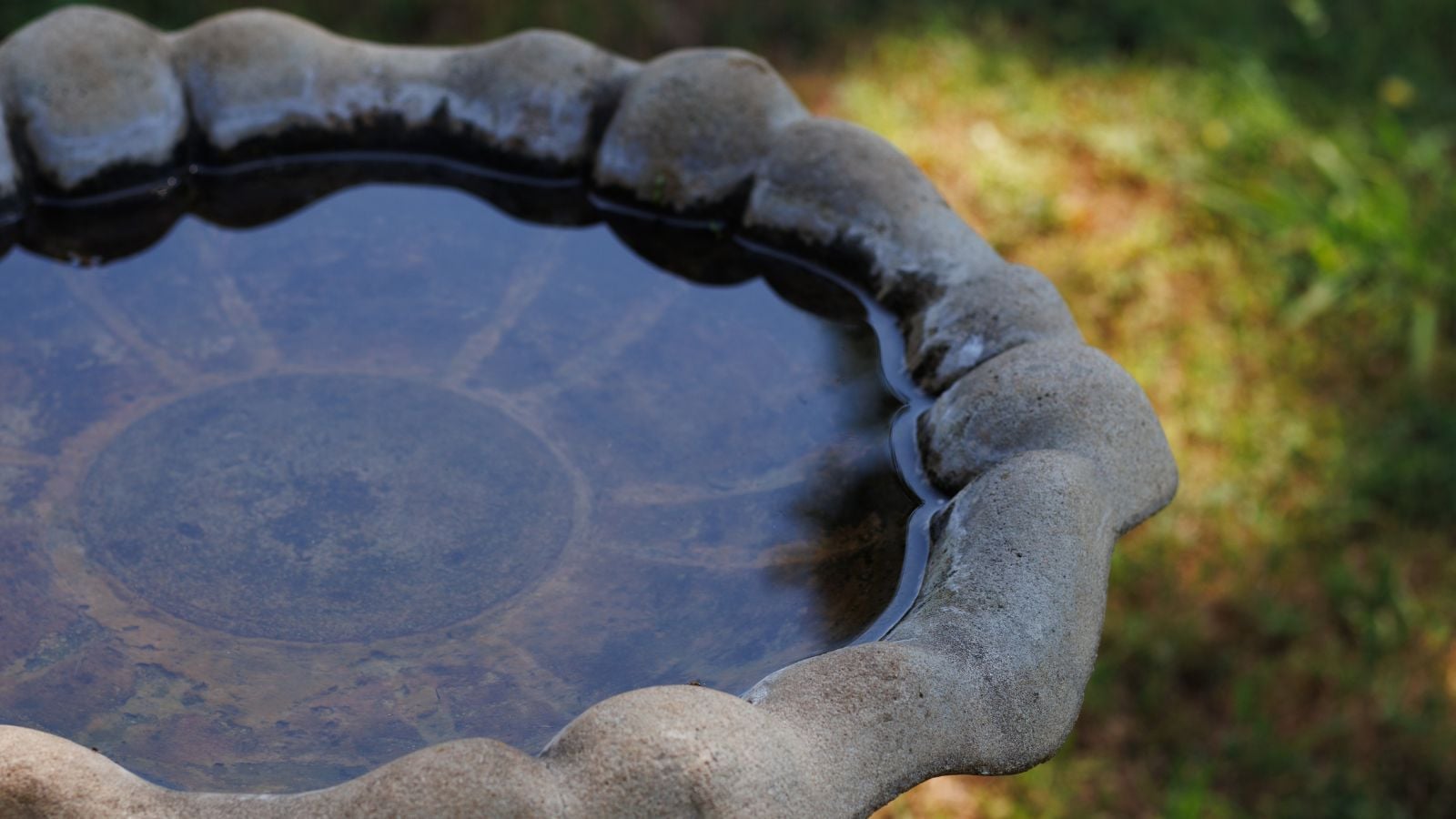 Scrub the bird baths regularly to avoid buildup.
 If you’ve seen how birds use bird baths, you’ll know they accumulate algae, dirt, and debris over time. Backyard birds still need clean water in February, but it’s also the period when many gardeners have stopped maintaining bird baths because of cold weather.
Old leaves, bird droppings, and other organic matter contaminate water and can spread disease between birds that share the bath. Scrub the basin with a brush and rinse thoroughly every few weeks, or more often if you notice visible debris.
Refill with fresh water after cleaning rather than just topping off what’s there. Stale water develops bacterial growth even in cold weather, and completely replacing the water prevents this buildup. The entire process takes maybe 10 minutes and makes a huge difference to the birds.
Use a Water Heater
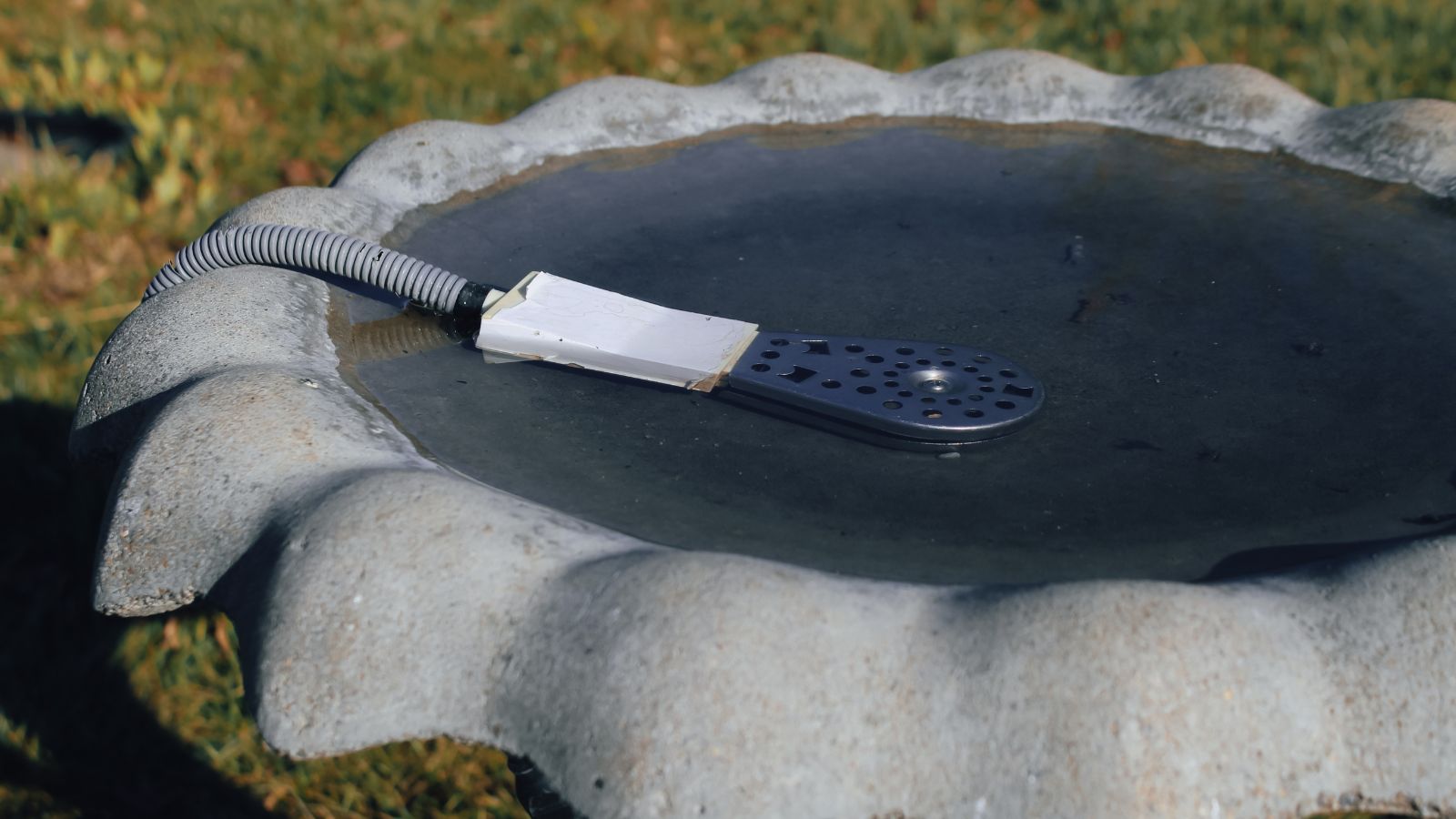 Heaters will stop the water from freezing.
In cold regions, dirty water might not be your problem. Frozen water could be. Frozen bird baths are useless to backyard birds in February that need to drink and bathe in winter. Finding liquid water becomes a significant challenge for birds when temperatures stay below freezing for extended periods.
Small electric heaters designed for bird baths prevent freezing without heating water to uncomfortable temperatures. These devices sit in the basin and keep water just warm enough to stay liquid. Most use minimal electricity, so you don’t need to worry about operating costs.
Battery-operated or solar-powered options exist if you don’t have outdoor electrical access near your bird bath. These aren’t as reliable in prolonged cold or cloudy weather, but they work reasonably well in milder climates where freezing is intermittent rather than constant.
Avoid using antifreeze or other chemicals to prevent freezing. These substances are toxic to birds and other wildlife. Stick with purpose-made bird bath heaters that keep water accessible safely.
Fill Bird Feeders
 Continue to provide seeds and other food sources.
 Natural food supplies hit their lowest point around February after backyard birds have been foraging on the same limited resources for months. Seeds from fall plants are mostly gone, and new growth hasn’t started yet. There likely aren’t many insects around either. Feeders provide critical supplemental nutrition when wild food sources are scarce.
Sunflower seeds attract a wide variety of species and provide good nutritional value. These contain enough fat and protein to help birds maintain body weight in cold weather. Suet cakes give birds the high-calorie fat they need for energy and warmth. Hang suet feeders in spots protected from direct sun to prevent the fat from melting.
Keep feeders consistently filled if you want populations to stick around your garden. Birds learn where reliable food sources are and return to them regularly. Empty feeders force birds to waste energy searching elsewhere instead of using that energy to stay warm.
Don’t Prune Everything
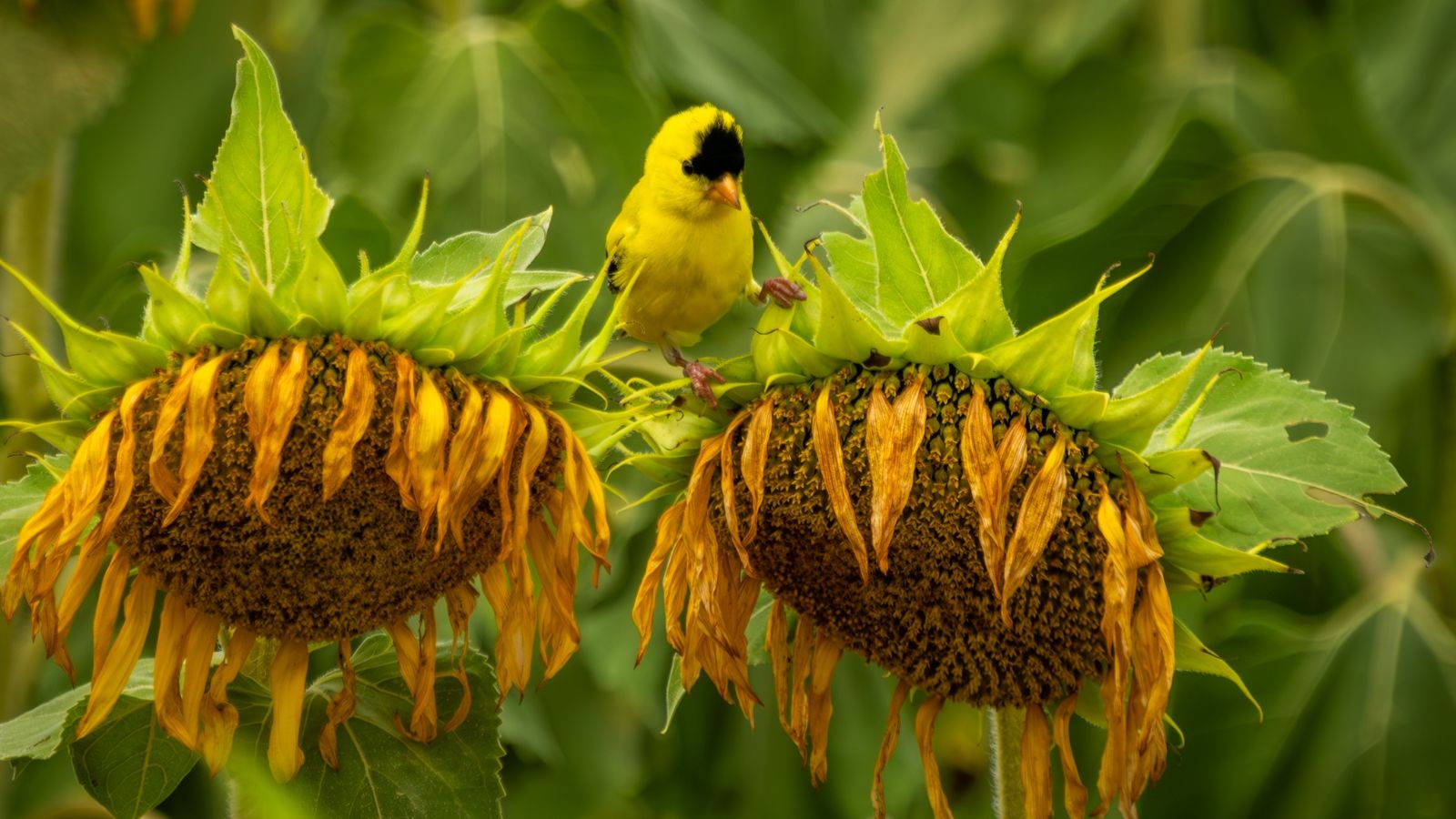 Leave seed heads on your plants throughout winter.
 Dead flower heads and seed pods from last year’s plants provide food for birds through winter. Cutting everything back in fall or early winter removes these resources when birds need them most. Leave some plants standing until after winter finishes, particularly those with persistent seed heads.
Coneflowers, black-eyed Susans, and sunflowers all hold seeds that birds feed on well into winter. The dried stems might not look as tidy as a cleanly cut bed, but they’re actively feeding birds during winter when natural food is otherwise scarce. And bare branches provide resting and viewing spots during the day.
If you’re planning future plantings, choosing native species benefits birds more than purely decorative varieties that drop their seeds quickly or don’t produce much seed to begin with.
Provide Some Cover
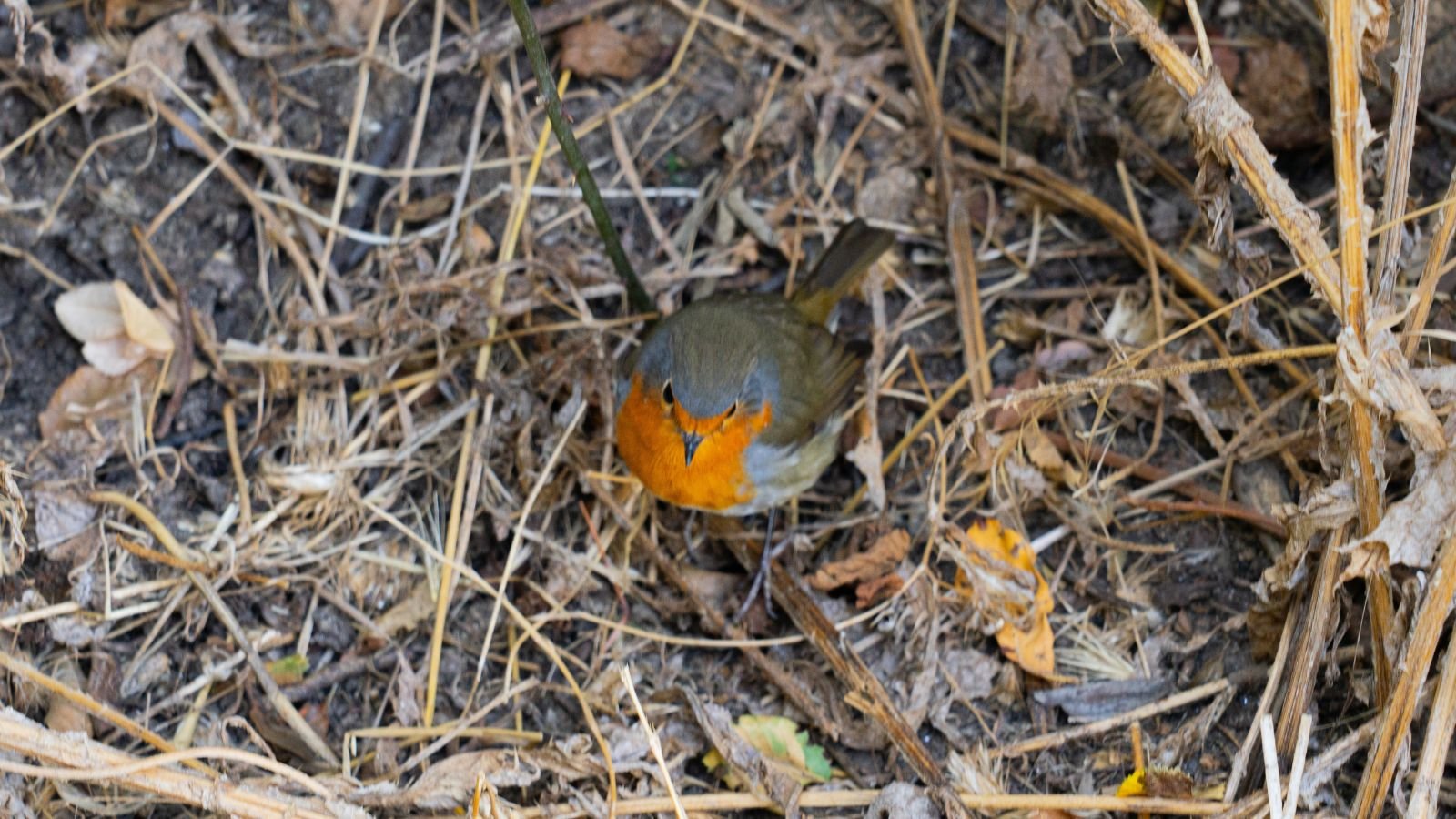 Smaller birds need protection while drinking or nesting.
 Birds need dense cover for roosting at night and escaping predators during the day. Evergreen shrubs and trees provide this cover year-round, but deciduous plants lose their leaves and stop offering protection once winter arrives.
If your yard lacks evergreens, consider adding a few. Holly, juniper, and arborvitae all work well, depending on your climate and available space. These don’t need to be large ones. Even small evergreen shrubs create usable shelter for backyard birds in February.
Brush piles made from pruned branches offer temporary cover if you don’t have established evergreen plantings. Stack branches loosely to create gaps and spaces where birds can shelter. These piles also harbor insects that birds can forage on when temperatures warm slightly.
Avoid placing bird feeders in completely open areas with no nearby cover. Birds are vulnerable to other predators while feeding, and they won’t use feeders positioned far from protective vegetation.














 English (US) ·
  French (CA) ·