

Cover cropping isn’t just for big farms. Ordinary gardeners can use this strategy in beds of all sizes. Cover cropping means growing a crop over winter that will benefit the soil rather than as a crop to harvest. September is a good time to sow seeds for a cover crop because the soil is still warm enough for germination, and there’s time for seedlings to grow before the first frost.
So, why should you take the time to use this old farming technique in your home garden? Cover crops protect bare winter soil from erosion, add nutrients, reduce compaction, reduce weeds, and feed beneficial microbes, improving overall soil health. Here are a few ideas of cover crops you can plant now and work into the soil in spring for healthier, more productive soil.
If you're not looking to fix a single problem and just want a reliable cover crop, try this seed mix from Amazon. It contains most of the crops listed below, plus some wildflowers for good measure.
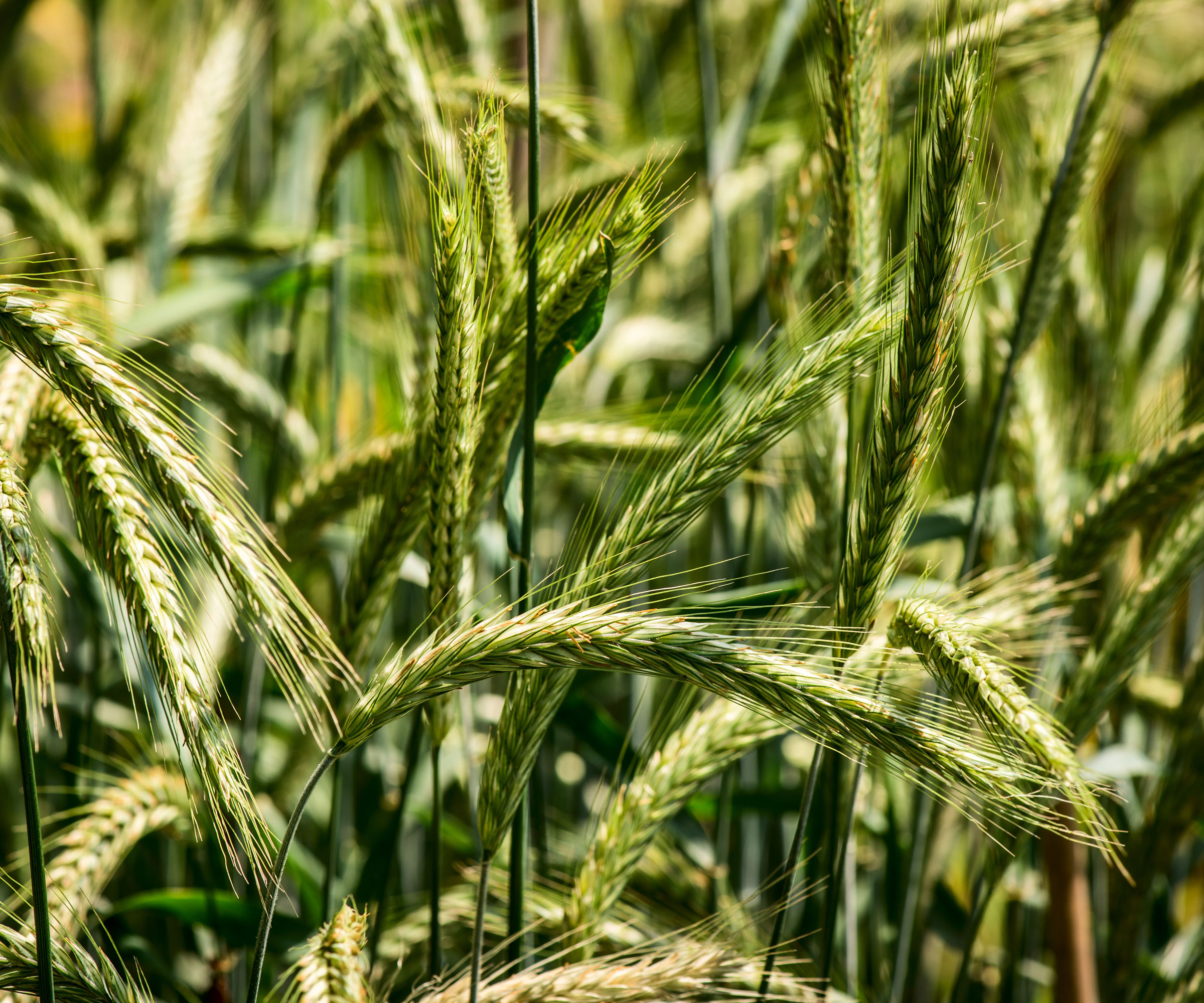
1. Winter Rye for Cold Winters
(Image credit: UMB-O / Shutterstock)
Winter rye is a tough cereal grain that germinates quickly and isn’t easily killed off by cold winter conditions. It should survive the season and grow again in spring, when you can chop it up and work it into the soil. Don’t delay doing this spring task, as winter rye grows rapidly as the weather warms and can become difficult to kill if you wait too long.
Winter rye has deep roots that break up compacted soil and reduce erosion. It’s also allelopathic, meaning it releases certain chemicals that prevent germination of other seeds. This makes it a good option for weed suppression. To sow winter rye or any cover crop this year, scatter the seeds over prepared soil, rake them lightly, and keep the area moist as seeds germinate.
Sow Right Seeds
Winter Rye Seed for Cover Crops
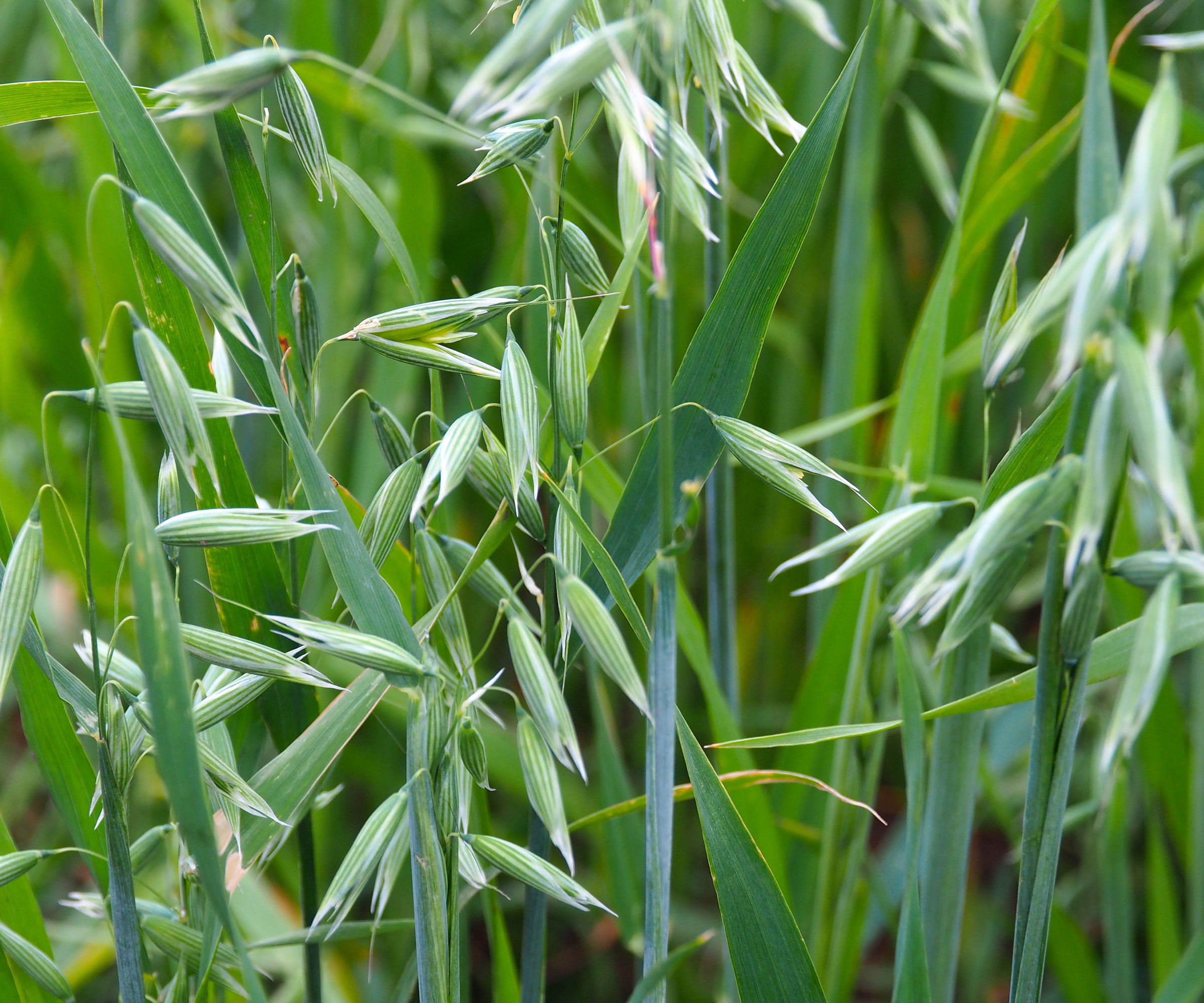
2. Oats for Quick Coverage
(Image credit: Natalya Rozhkova / Shutterstock)
As a cool-season crop, oats germinate and grow quickly in the cooler weather of fall. Choose this option for quick cover and a root system that holds soil in place very well. Although it might not survive the winter, oats give you a quick option for covering vulnerable soil in fall.
Although it will likely die over winter (depending on your climate), oats create a protective mat over the soil. Oats are also easy to work into the soil in spring. The dead foliage will add nutrients to your beds, and you don’t have to worry about it growing rapidly in the warmer weather.
Sow Right Seeds
Winter Oats Seed for Cover Crops
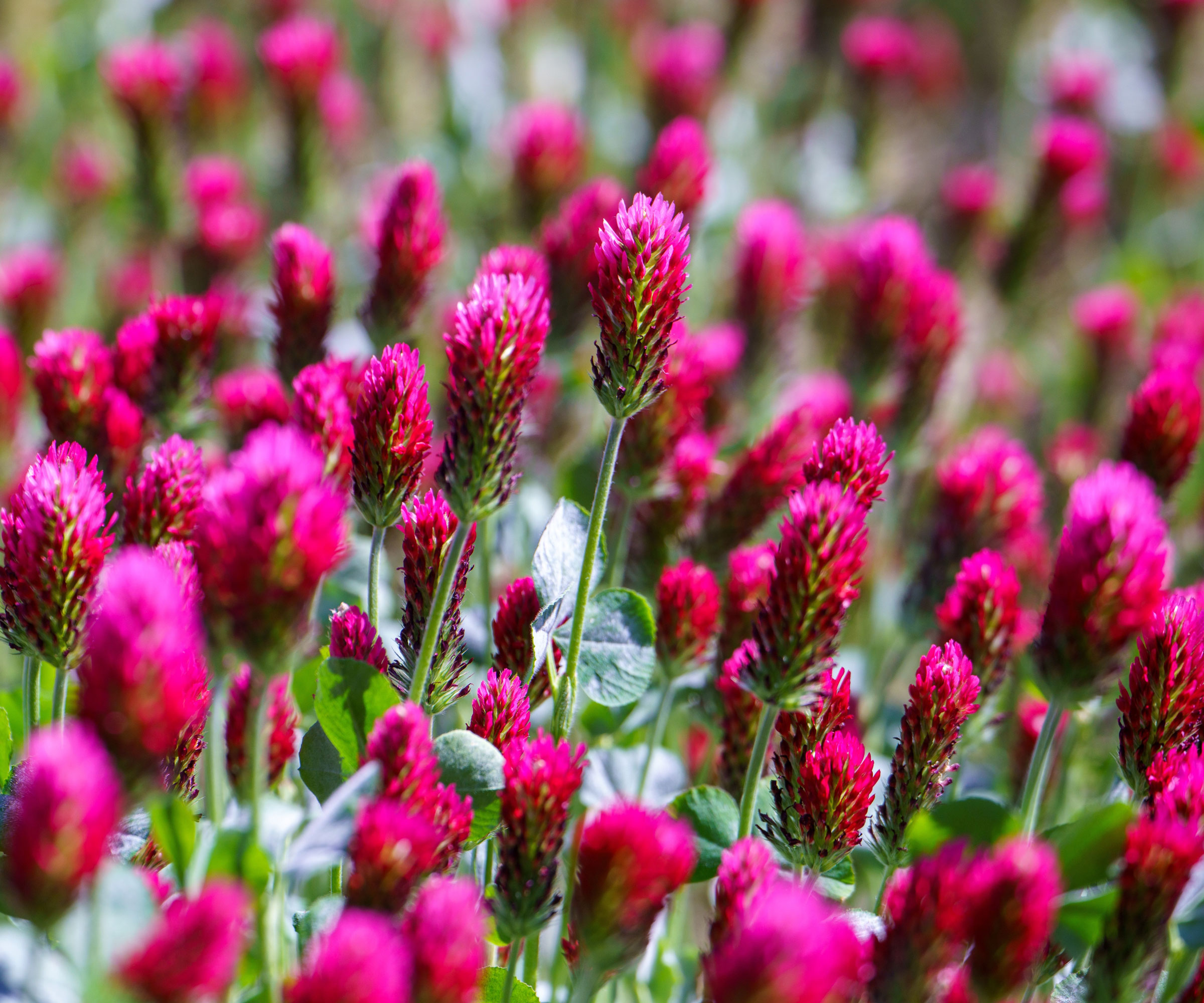
3. Crimson Clover for Adding Nitrogen
(Image credit: Venars.original / Shutterstock)
Crimson clover is a pretty, flowering clover that offers both benefits for the soil and an attractive cover for fall, and even winter, depending on your climate. It will germinate and establish. In spring, the clover will start growing again, blooming and supporting early pollinators before you turn it back into the soil.
One of the biggest benefits of clover as a cover crop is nitrogen fixation. Clover is a legume, meaning it turns atmospheric nitrogen into a usable form, enriching the soil with nitrogen. This is a bonus for whatever plants you grow in the bed next year.
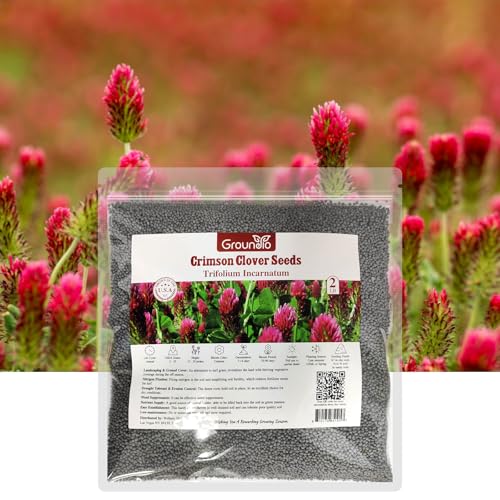
Groundio
2lb Crimson Clover Seeds
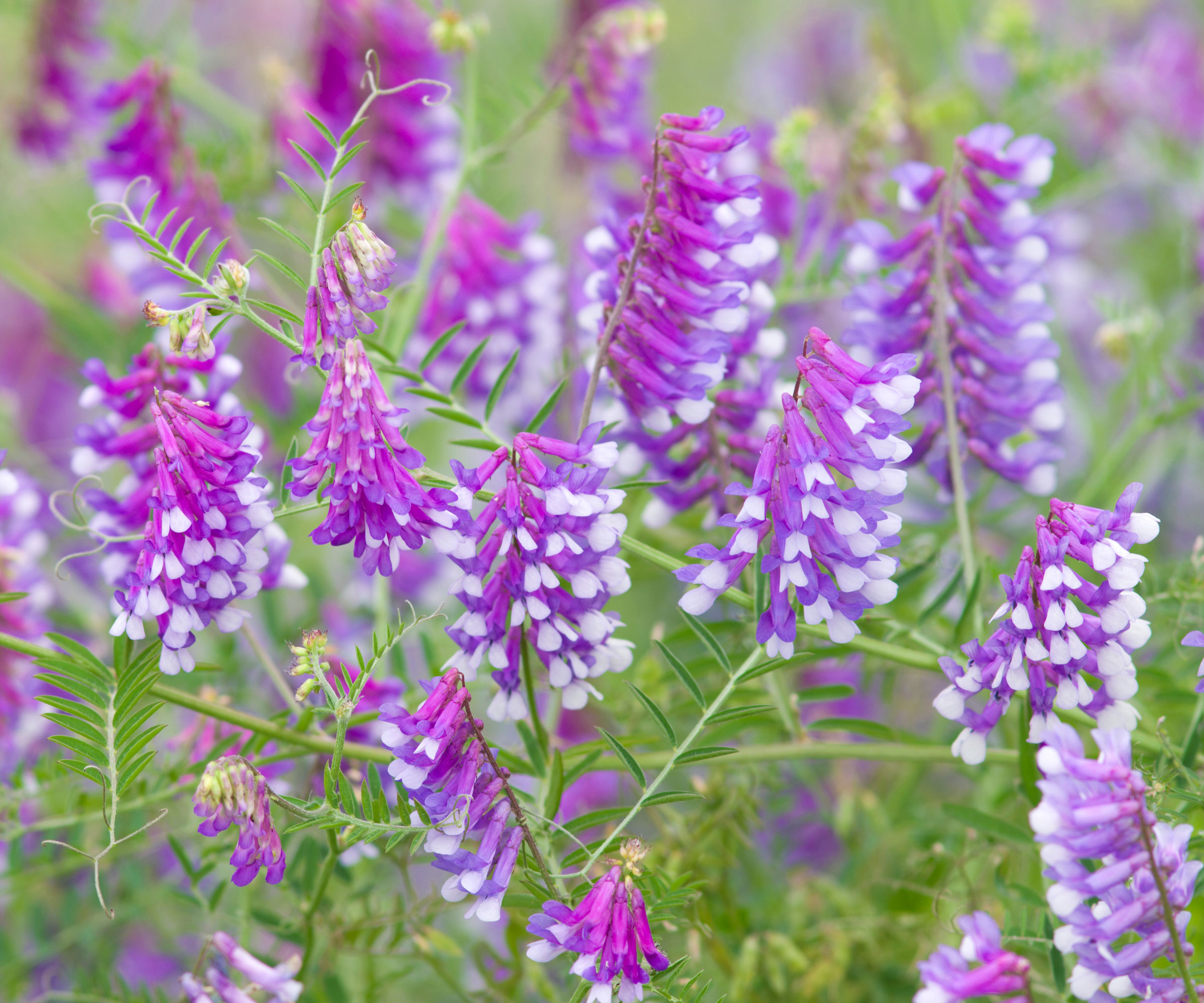
4. Hairy Vetch, Also for Nitrogen
(Image credit: zzz555zzz / Shutterstock)
Hairy vetch is a legume, like clover, so it’s another option you can choose if you want to enrich your bedding soil with nitrogen for next year. Hairy vetch is a little more vigorous than clover, so be prepared to work it back into the soil early in spring before it grows too much.
There are some benefits of hairy vetch compared to clover. It produces more green material, which adds more organic material to the soil in spring. It also has a stronger root system, so it is useful if erosion or compaction are big issues in your beds.
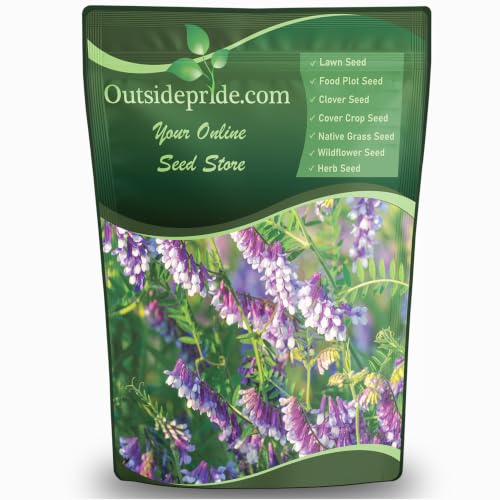
Outsidepride
Hairy Vetch Cover Crop Seeds - 1 Lb
5. Field Peas for Nitrogen and Easy Spring Turnover
(Image credit: McKinneMike / Getty Images)
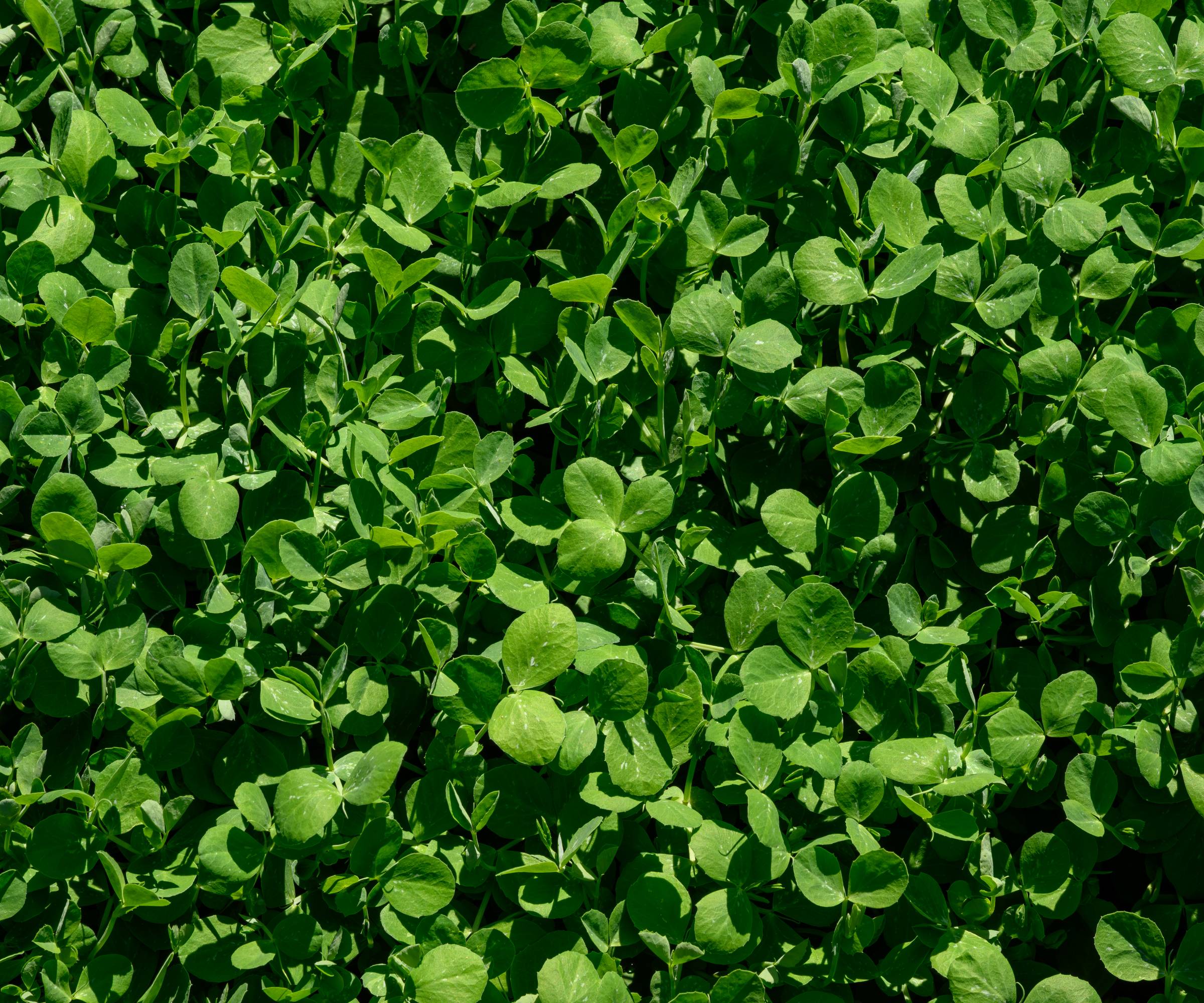
The last legume on our list is field peas. Like hairy vetch and clover, it fixes nitrogen to enrich the soil with this essential nutrient. It is less likely to survive winter than the other legume options, but it does grow quickly in fall, creating a carpet of green vines that will cover the soil and hold down weeds even after it dies in winter.
One benefit of field peas over other legumes is that it is very easy to turn into the soil in spring. Even if it hasn’t totally died over the colder months, it’s not difficult to control and incorporate it into the soil.
Eretz
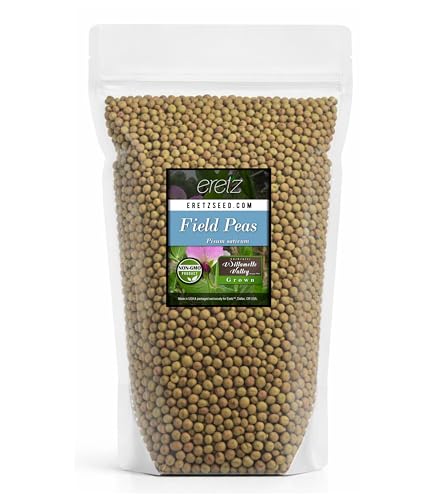
Field Pea Seeds - 3 lb
6. Annual Ryegrass for a Quick Root System
(Image credit: Sheryl Watson)
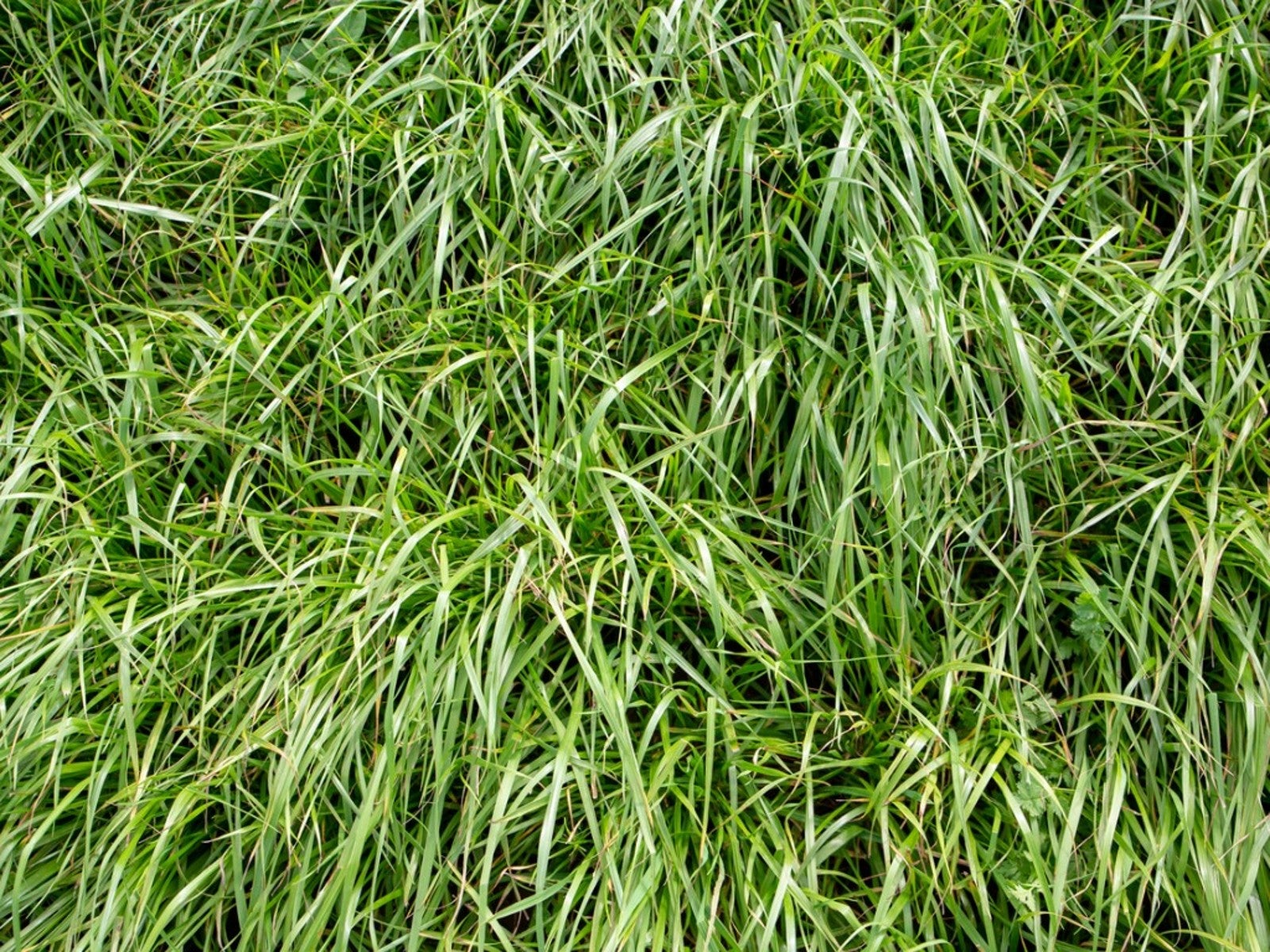
If your goal is to get roots into the soil quickly, choose annual ryegrass. Once the seeds are sown, this grass will quickly develop a dense root system that holds soil together, reduces erosion, and improves soil structure if it has become compacted over the growing season.
Annual ryegrass may survive winter to grow in spring, depending on how cold your winter gets. If it does survive, it can grow rapidly in spring, so be prepared to chop it up and turn it into the soil early before it starts to take over your beds.
The type of cover crop you choose depends on your needs. Whichever one you choose, be sure to water regularly as it establishes to give it a chance to grow before winter weather hits. In spring, each of these will need to be turned into the soil, so consider how much effort you’re willing to put into that chore. Although this is an extra task for September, growing a cover crop is a great way to get your beds ready for the next growing season.
Eretz
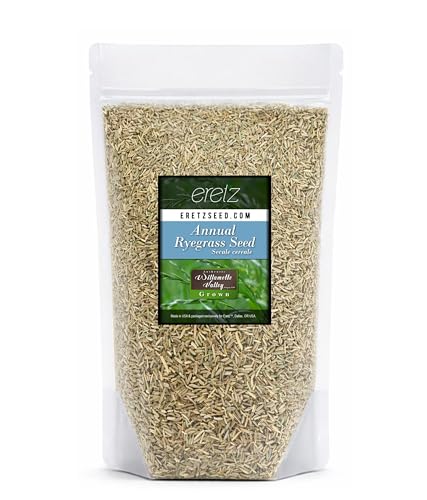
Annual Ryegrass Seed - 1 lb















 English (US) ·
  French (CA) ·