

 6 months ago
217
6 months ago
217
PROTECT YOUR DNA WITH QUANTUM TECHNOLOGY
Orgo-Life the new way to the future Advertising by AdpathwaySeeing vines taking over a building and breaking the structural integrity is enough to deter you from planting vines altogether. But some vines don't damage siding, brick, or paint, and you can plant these without worry. Experienced gardener Sarah Jay covers seven vines that are beautiful, but not so vigorous that they’re destructive.

Written by Sarah Jay Last updated: March 23, 2026 | 4 min read
Some vines don’t damage siding like the typical English ivy and kudzu that are prevalent across the country. Not all have such a prolific habit. There are plenty of beautiful vines you can allow to climb up the side of your house without bracing for destruction. Some even need support to climb in the first place.
These vines are safe for brick and painted exteriors as well. Simply plant them, and provide a trellis or similar support, or be prepared to pin them. Some will even climb without assistance, and meanwhile, they won’t penetrate the wall and harm the surface. Others will climb on their own, but they also appreciate assistance.
Even some native vines can be really detrimental when they’re planted in the wrong place. Here in North Texas, we have many, and they ramble through natural areas, sometimes killing trees. While native plants are beneficial to the ecosystem, out-of-place plants can be harmful. So look to these seven vines as you decide which is best for your garden wall or trellis.
Tangerine Beauty Crossvine
Tangerine Beauty Crossvine
Coral Honeysuckle
 These have a much slower growth rate.
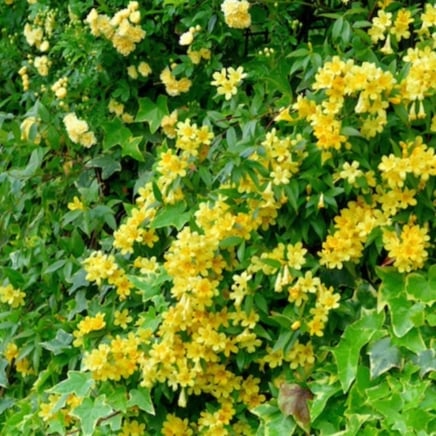
 While bush honeysuckles will easily take over a structure, coral honeysuckle vines don’t damage siding, paint, or brick walls. They have a much slower growth rate, and though they grow tall, they don’t cling to structures. Instead, they require a support to wrap around as they climb.
This is a southeastern North American native plant that hosts both the Spring Azure butterfly and the Snowberry Clearwing moth. These important pollinators will eat your vines, which is nature’s way of keeping things even more in check. Note that this is not a fire-safe plant, so if you’re in a fire-prone area, plant something else.
Carolina Jasmine
 It will grow as a ground cover without support.
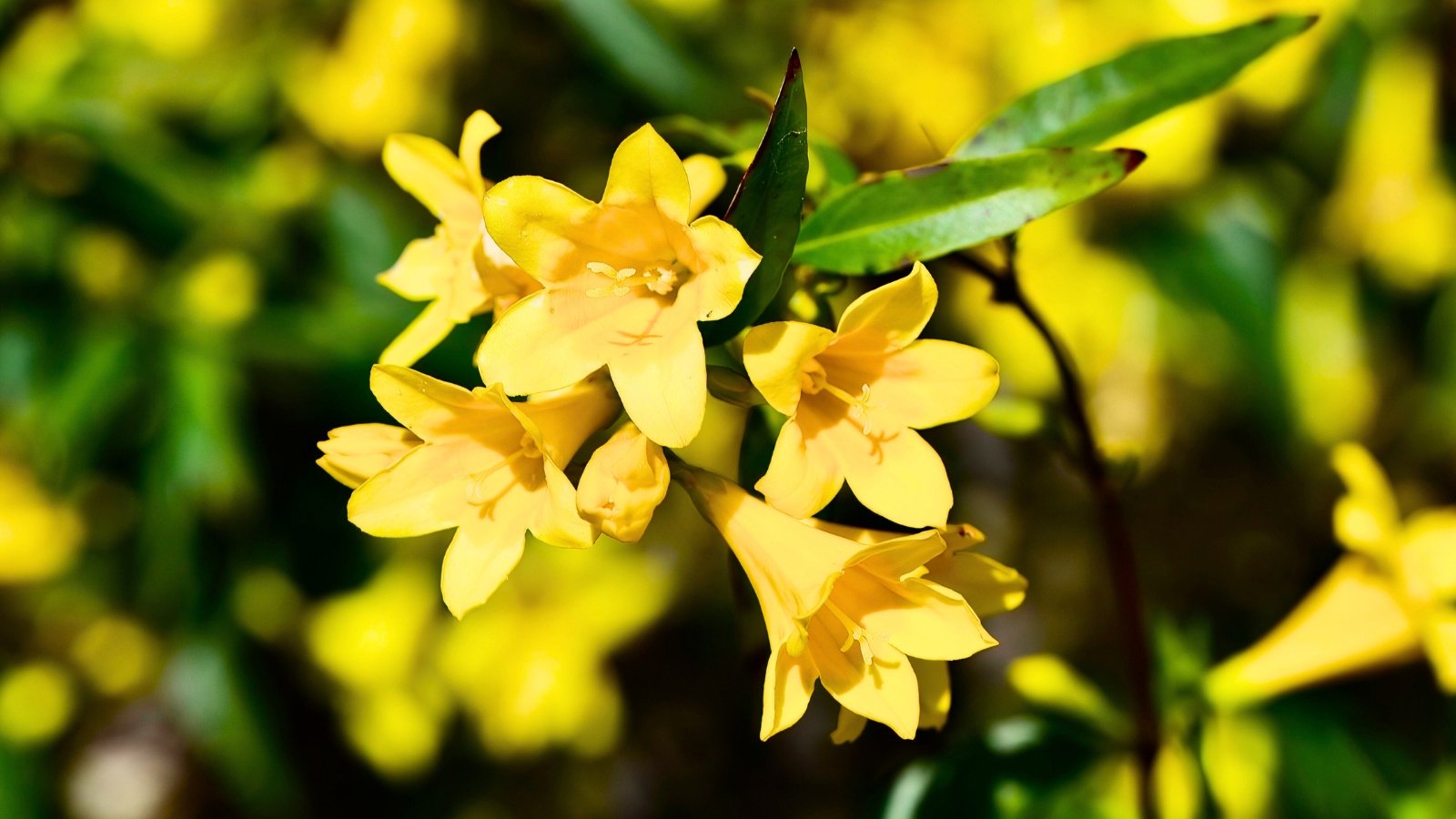
 Similar to coral honeysuckle, this vine is flammable. But it’s a lovely vine that is slightly more vigorous, with stunning yellow trumpet flowers that bloom in fall and spring. It’s perfect for trellises and pinning up the side of a house. It won’t cause structural problems as it grows, and it’s attractive to bees, hummingbirds, and butterflies.
If you don’t provide support, this plant will grow as a ground cover. Its foliage remains evergreen in most areas, turning slightly bronze in winter, and the blooms have an intoxicating scent you will wait for every year. This is a highly toxic plant, so keep it away from curious pets and children.
Star Jasmine
 The scent from the blooms is wonderful.
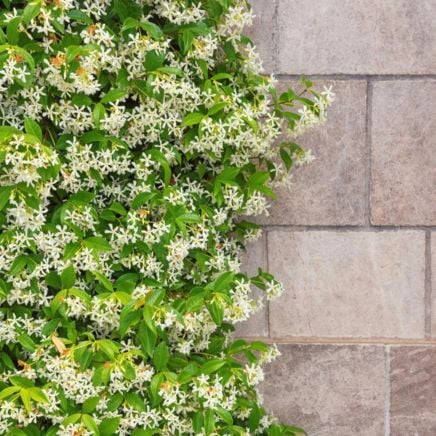
 Jasmines offer the garden a scent that few other vines can. Star jasmine is a beautiful vine that has an incomparable fragrance, which emits from its numerous star-shaped blooms in spring. Like the others we’ve listed so far, its foliage is evergreen. Use it to screen areas of the garden without worry as to whether or not it will destroy the structure it’s growing on.
This plant is best suited to warm areas, and it thrives in heat. It’s great in areas where you want to deter rabbits and deer, and it attracts bees and other pollinators with its tiny blooms. Once you get it established in your landscape, it will become drought-tolerant.
Tangerine Beauty Crossvine
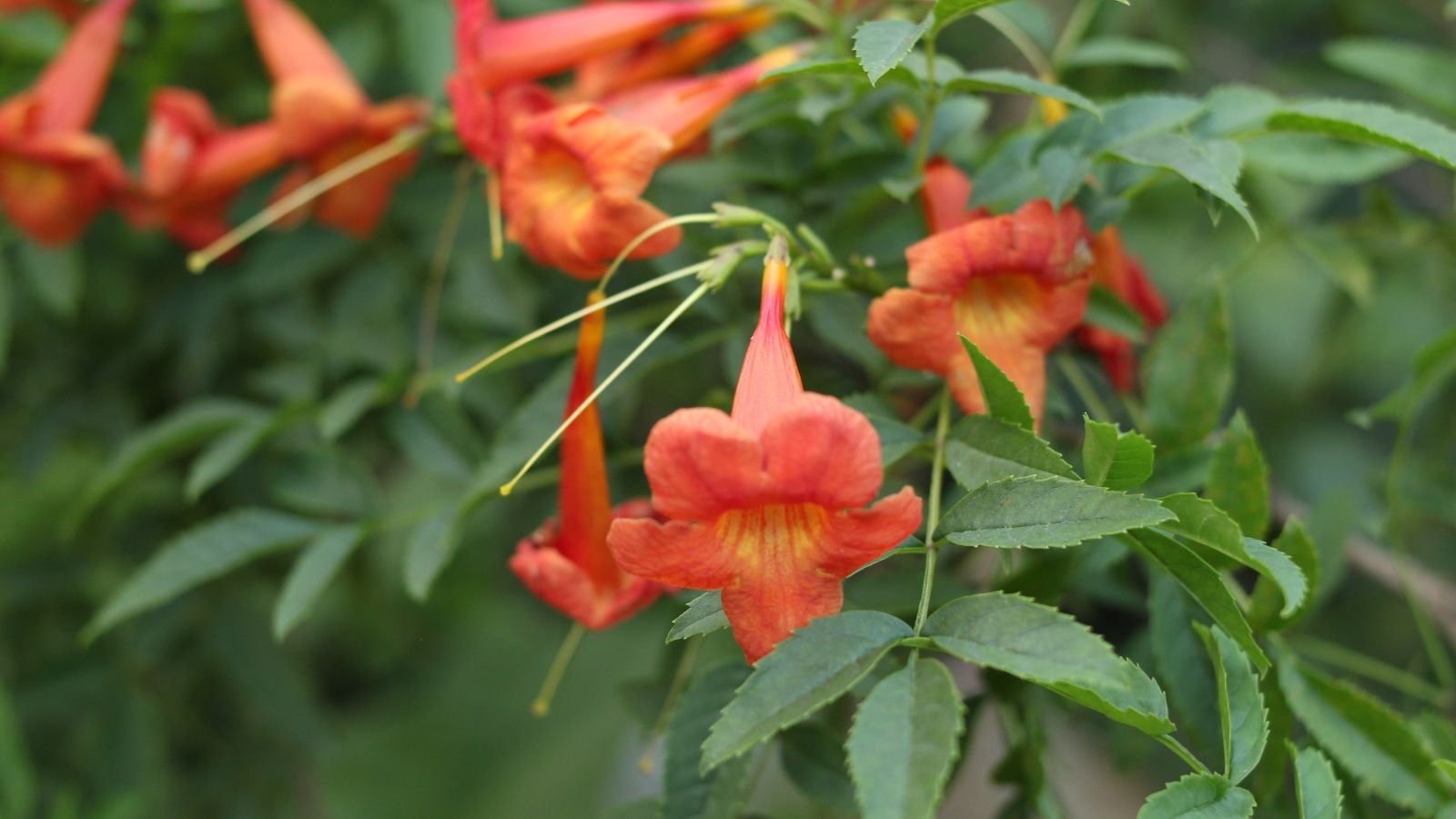 Shade is fine if you don’t have a position in full sun.
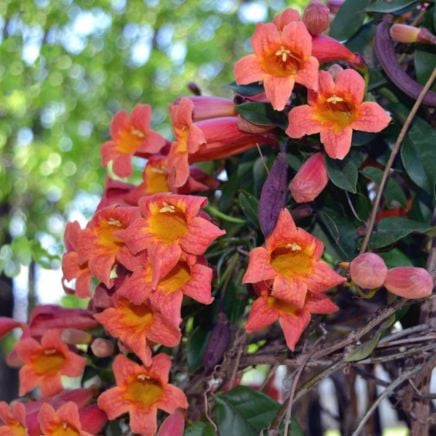
 There are large vines that don’t damage siding, brick walls, or paint, and ‘Tangerine Beauty’ crossvine is one of them. This plant prefers full sun but will do just fine in full shade if that’s what you have available. This is a widespread native plant hailing from Ontario to the Eastern US.
‘Tangerine Beauty’ has all the characteristics of its parent species, Bignonia capreolata, but with a deeper orange bloom. This is a perfect plant for a wildlife garden, where it can climb on its own and feed butterflies, bees, white-tailed deer, and beavers. However, this vine is highly flammable and not suitable for gardens in wildfire zones.
Amethyst Falls Wisteria
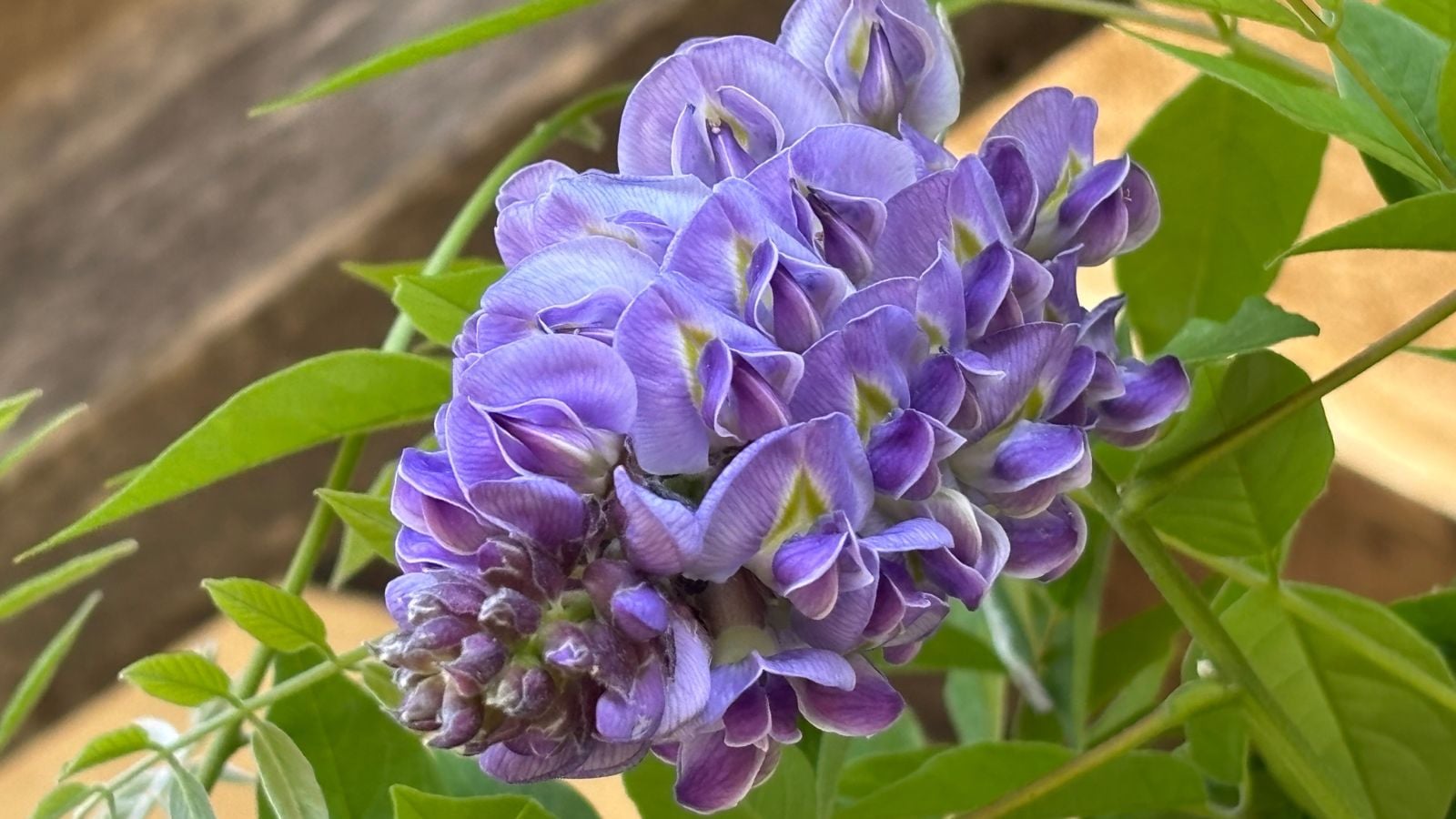 The vines are not as large or damaging as other types.
 Unlike the invasive wisteria vines, ‘Amethyst Falls’ wisteria vines don’t damage siding, paint, or brick. These are a variety of the native Wisteria frutescens, and they are considered dwarf versions of their parent species. ‘Amethyst Falls’ thrives in hot areas and cooler ones alike. Its woody habit makes it great for planting in areas where you only have to train it.
In early spring, this vine is bare, but it produces tons of beautiful purple racemes that hang like waterfalls, heralding the warm seasons ahead. Native wisterias, like this one, are important for pollinators and host the marine blue butterfly, silver-spotted skipper, and long-tailed skipper.
Peggy Martin Climbing Rose
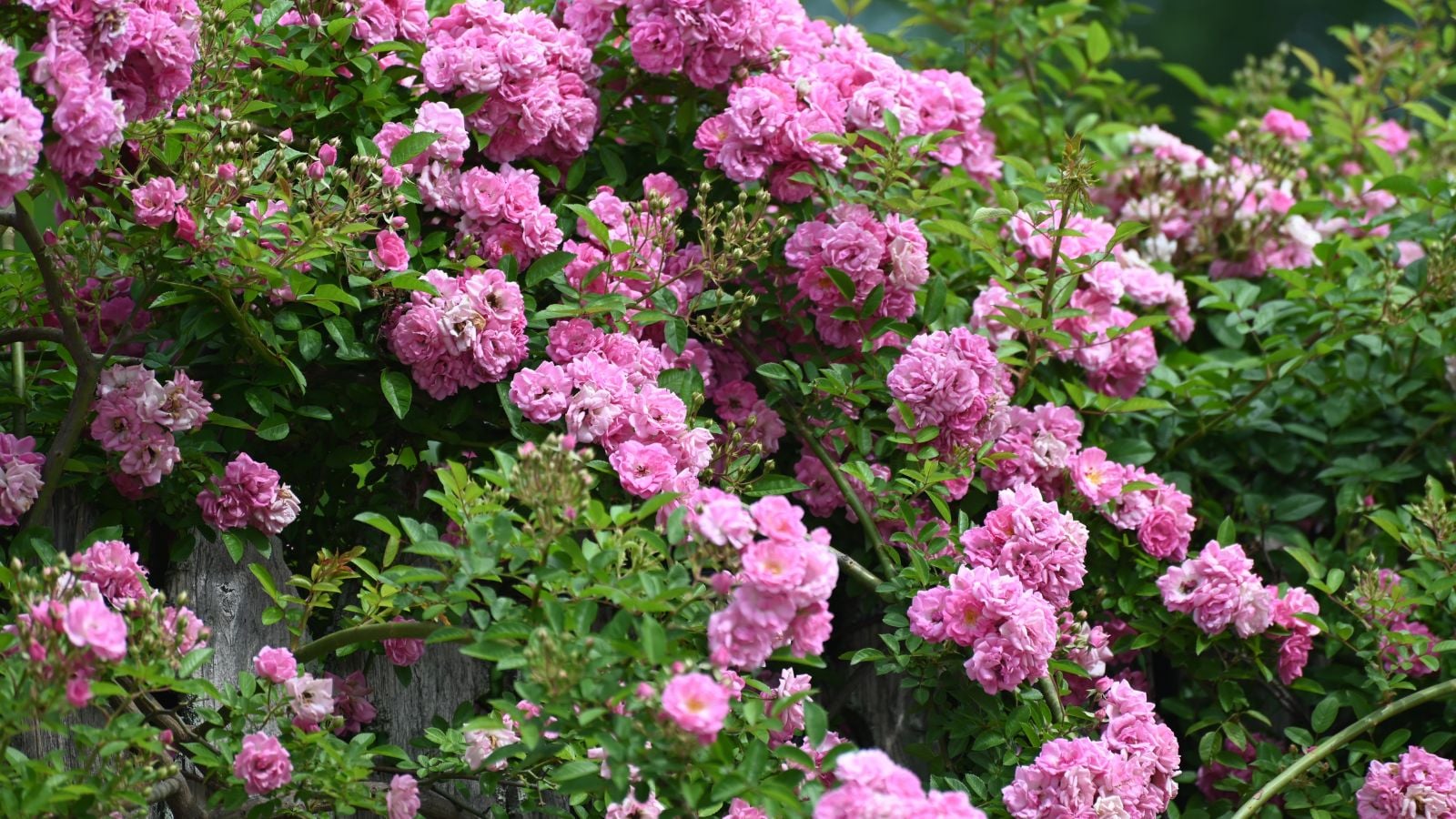 Grow up a wall or over an arbor.
 For a lovely climbing rose that only needs intermittent pinning, grow a ‘Peggy Martin’ rose. This is a great sprawling vine for brick walls that won’t penetrate the surface and crack it. ‘Peggy Martin’ is an adaptable plant that blooms tons of pretty pink roses from spring through fall. It doesn’t need much maintenance other than the occasional assistance to help it climb.
This rose originated in New Orleans and made its way to other areas of the country via cuttings that survived being submerged in salt water for over two weeks. This story is a testament to the hardiness of ‘Peggy Martin’, and if you live in an area with hot summers, coastal conditions, harsh sunlight, or all three, this is the vine for you.

Rock Clematis
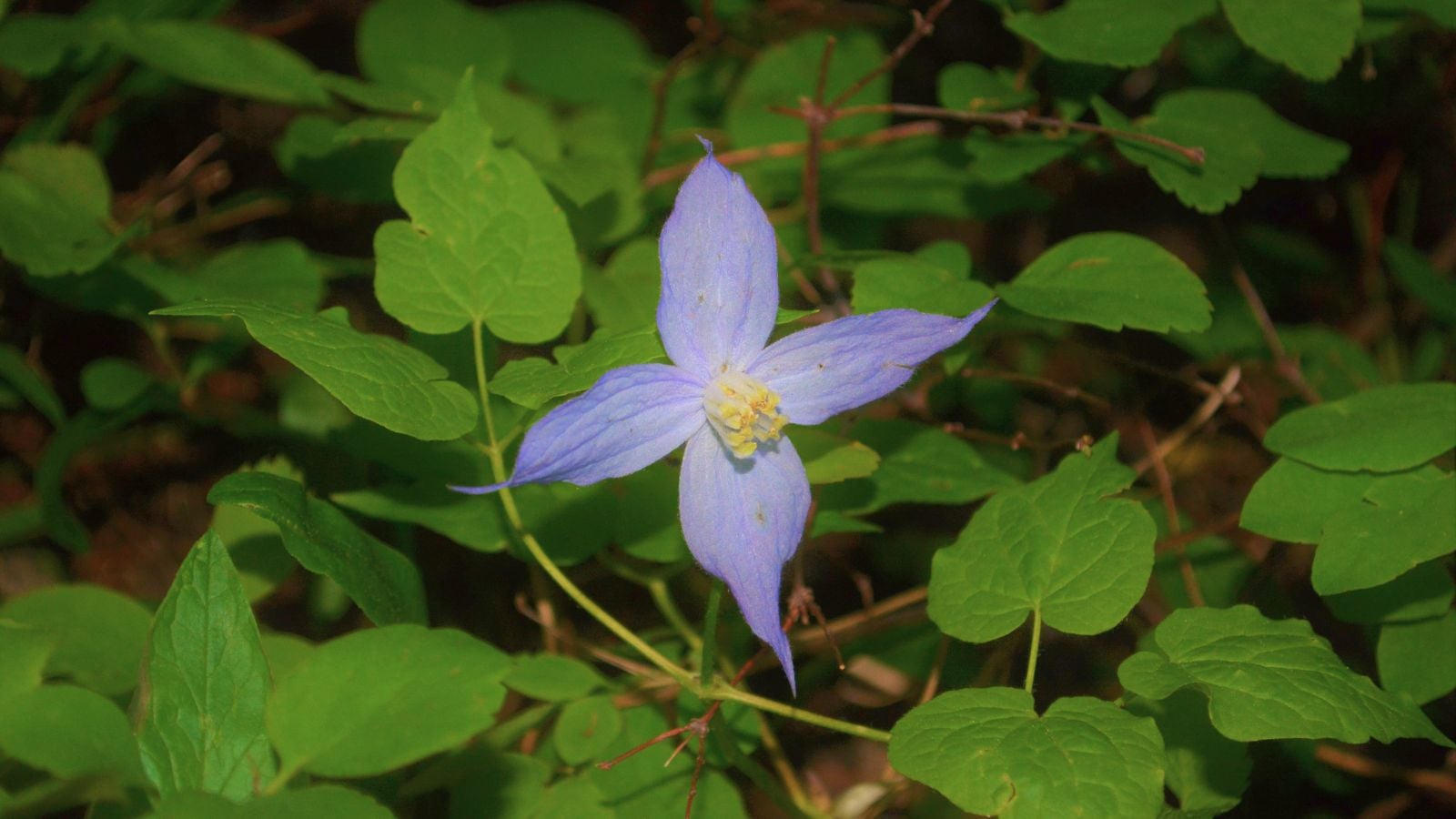 These native flowers appear in late spring and summer.
 Gardeners in the Pacific Northwest should look to rock clematis. These PNW native vines don’t damage siding, brick, or painted exteriors. They’re low-climbing and bloom from late spring to midsummer, displaying gorgeous deep purple flowers with four petals and bright white centers.
This is a group one clematis that needs consistently moist soil. Give them a prune after they finish blooming in summer, and don’t do more than just a quick shape-up. After the flowers fade, fluffy seedheads remain, offering late summer through winter interest.













 English (US) ·
  French (CA) ·