

 6 months ago
194
6 months ago
194
PROTECT YOUR DNA WITH QUANTUM TECHNOLOGY
Orgo-Life the new way to the future Advertising by AdpathwayBecause true blue tends to be rare in nature, you might think there aren’t many blue flowers. Shade can seem like another limiting factor in determining which flowers will work for a garden. But it turns out there are options when it comes to blue-hued blooms.
Blue is a cooling color that promotes calm and serenity in a garden. Plant larger plants at the back of garden beds, or in hedges. Smaller-statured plants work well in borders and as accent plantings among others of a similar size. Use these to neutralize any intense pops of color.
Bees happen to love blue flowers, as they display their favorite color. Scientific studies show bees tend to gravitate toward blue and blue-yellow color spectrums. This is because bees see trichromatically, like humans. But unlike the human eye, which sees combinations of red, green, and blue, bees see ultraviolet light, green, and blue.

Spring and Summer Forget-Me-Not
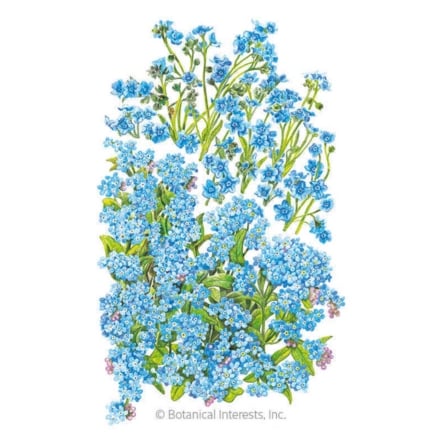
Spring and Summer Forget-Me-Not Seeds
Endless Summer® Hydrangea
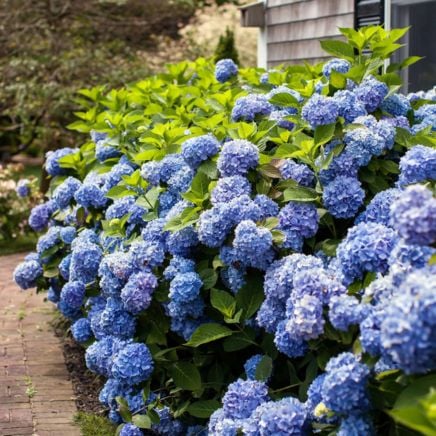
Endless Summer® Hydrangea
Victoria Blue Forget-Me-Not
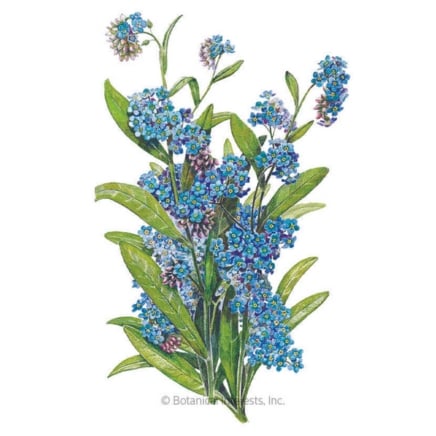
Victoria Blue Forget-Me-Not Seeds
Endless Summer® Hydrangea
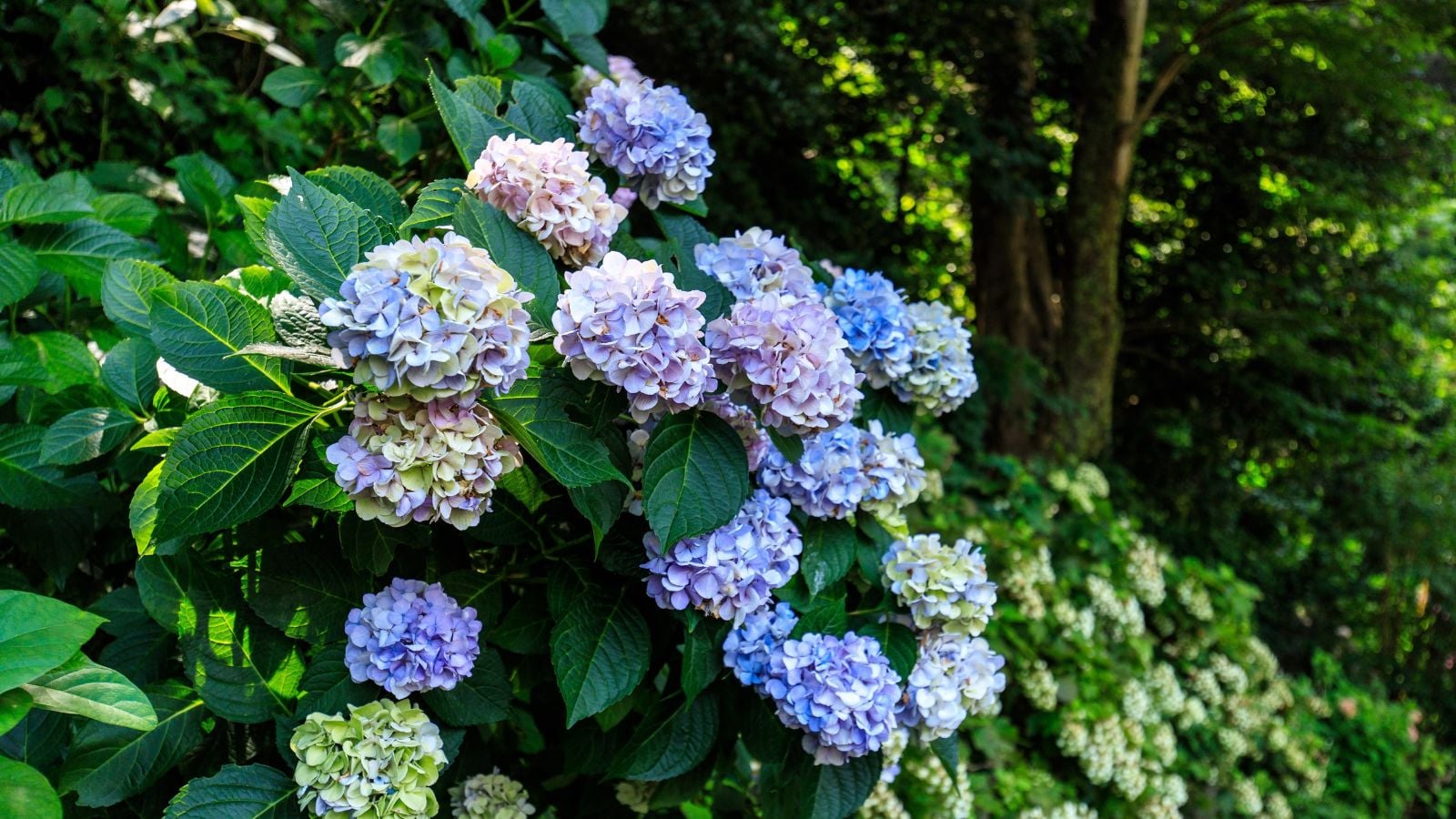 Plant several together to form a flowering hedge.
 The stunning azure blooms of the Endless Summer® hydrangea are a welcome sight in any shade garden. Plant these shorter hydrangeas in the middle of garden beds to add height between tall and short perennials, or use them as low shrubs at the back of your front beds.
These perennials add massive curb appeal to front yard gardens, and they offer blue blooms from summer through fall. Prune your shrubs immediately after they bloom to shape them and give them a boost toward a second set of blooms. Keep them trimmed for maximum roundness, provided by the flowers and the overall shape.
Spring and Summer Forget-Me-Not
 The adorable blue flowers pop up in spring or summer.
 Some forget-me-nots bloom in summer, and some bloom in spring. A blend of both provides flowers for both seasons. These two different species – Myosotis sylvatica and Cynoglossum amabile – have lovely, delicate white-eyed blue flowers. Shade is what they prefer.
The traditional spring version grows to six inches tall, and the summer bloomer reaches up to two feet. Keep that in mind as you plant your seeds. Time your sowings for one to two weeks before the last frost for the best germination. Then let them take off in an area.
Note that forget-me-nots are invasive in multiple areas of North America, and these seeds cannot be shipped to Wisconsin. Grow them outside their invasive range only.
Rozanne Geranium
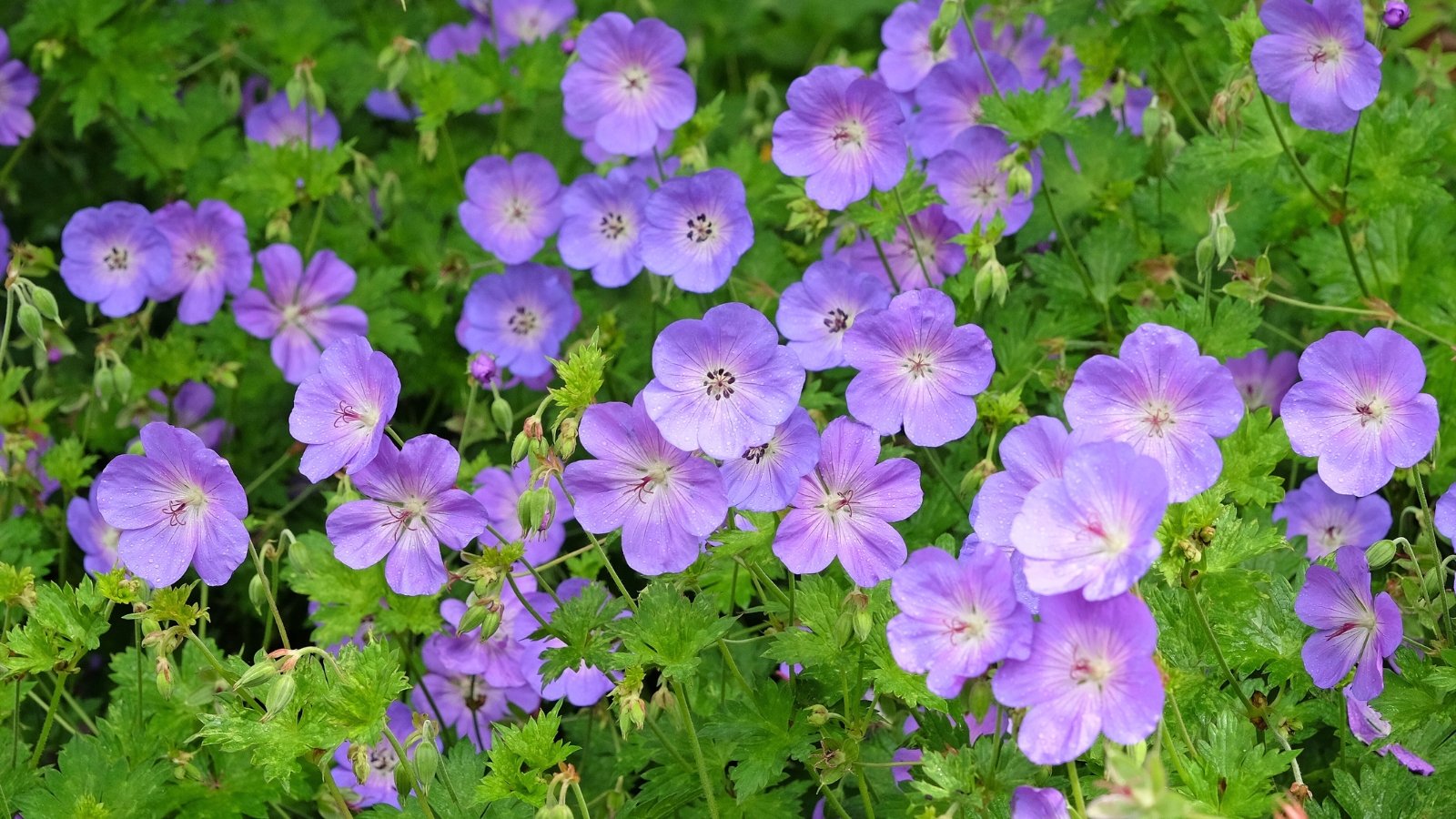 This one tolerates partial sun.
 The lovely ‘Rozanne’ geranium has some tolerance for full sun, and it’s the only entry on this list that falls into that category. Its purple-blue blooms are much more pronounced in full sun, but they handle shade well, too. This cultivar of a wild geranium won the Royal Horticultural Society’s Award of Garden Merit in 2006.
You may also see a rare variation among your plantings of white or lavender, but most likely you’ll have periwinkle-colored petals. Because there can be variation, plant these where they have the flexibility to be whatever color they want. They’re perfect along garden borders, and in containers if you have a smaller space.
Victoria Blue Forget-Me-Not
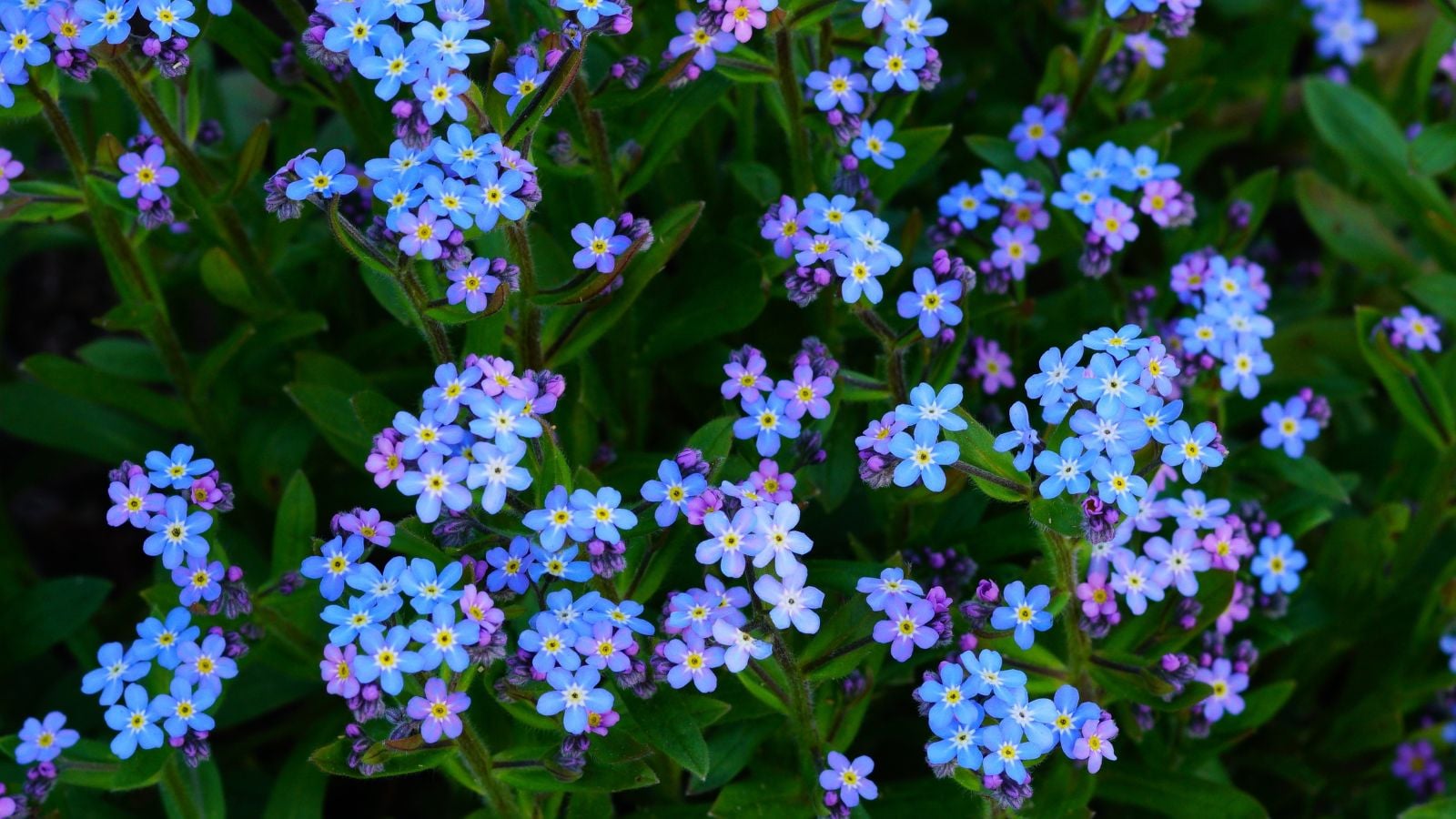 Look out for the flowers when spring arrives.
 If you only need a forget-me-not that blooms in spring, go for the woodland species, Myosotis sylvatica. The ‘Victoria Blue’ variety is perfect for planting among spring bulbs. Watch the masses of these small plants flower among your daffodils, tulips, and crocuses.
Because these are self-seeding perennials, you only have to plant them once in their hardiness range of zones 3 through 8 to have multiple years of blue flowers. Shade is the preferred light condition for these forget-me-nots. Remember, these are invasive across parts of North America. Always check to ensure a plant is not invasive before growing it in your region.
Jack Frost Brunnera
 Use these blue flowers for shade to keep rabbits away.
 Woodland plants tend to have some of the best features, and ‘Jack Frost’ brunnera is one of those that provides both blue blooms and interesting foliage. The leaves have green as their primary color, with silvery white between green veins and borders. The flowers are much like forget-me-nots, and open in spring in compound sprays atop slender stems.
If you have rabbits that love to nibble on your plants, use these as a boundary to ward them off. Plant them in areas that remain moist, and note that they tend to struggle in hot areas, even in their range. Those in zones 7 through 9 may want to keep theirs in containers and monitor them when summer arrives.
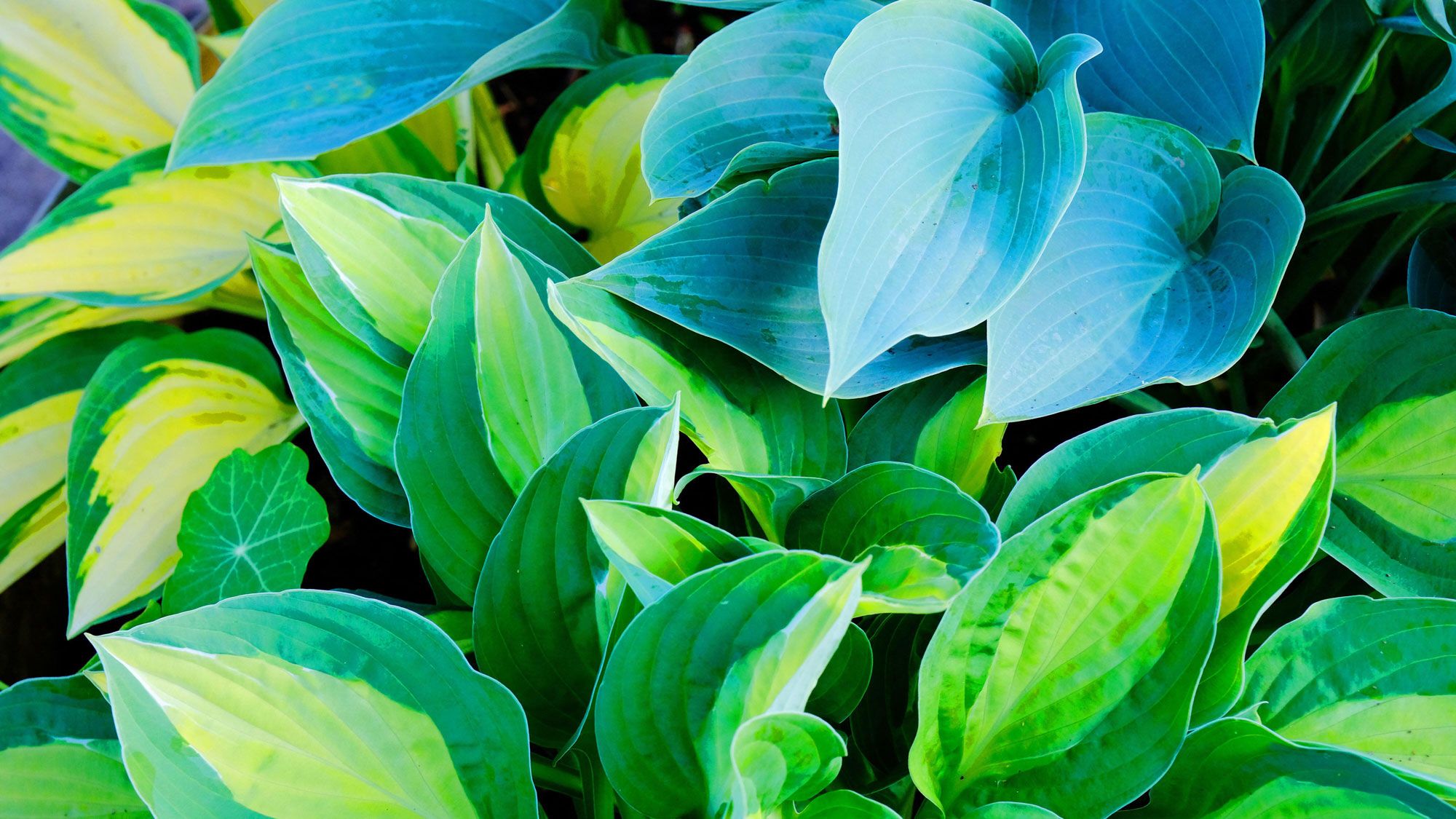
Blue Mouse Ears Hosta
 The leaves have a blue hue too.
 Hostas are great shade plants, bringing multiple styles of foliage to shady, moist gardens all over. ‘Blue Mouse Ears’ is a dwarf hosta with blue-green leaves that resemble the ears of a mouse due to their curled tips. The kicker is their summer-blooming lavender-blue flowers.
Shade is no problem for ‘Blue Mouse Ears’, as partial to full shade is what this perennial prefers. Because it’s small, it fits into almost any garden and any container. Pick this variety if you want a plant that won the 2008 Hosta of the Year by the American Hosta Growers Association.
Blue Zebra Primrose
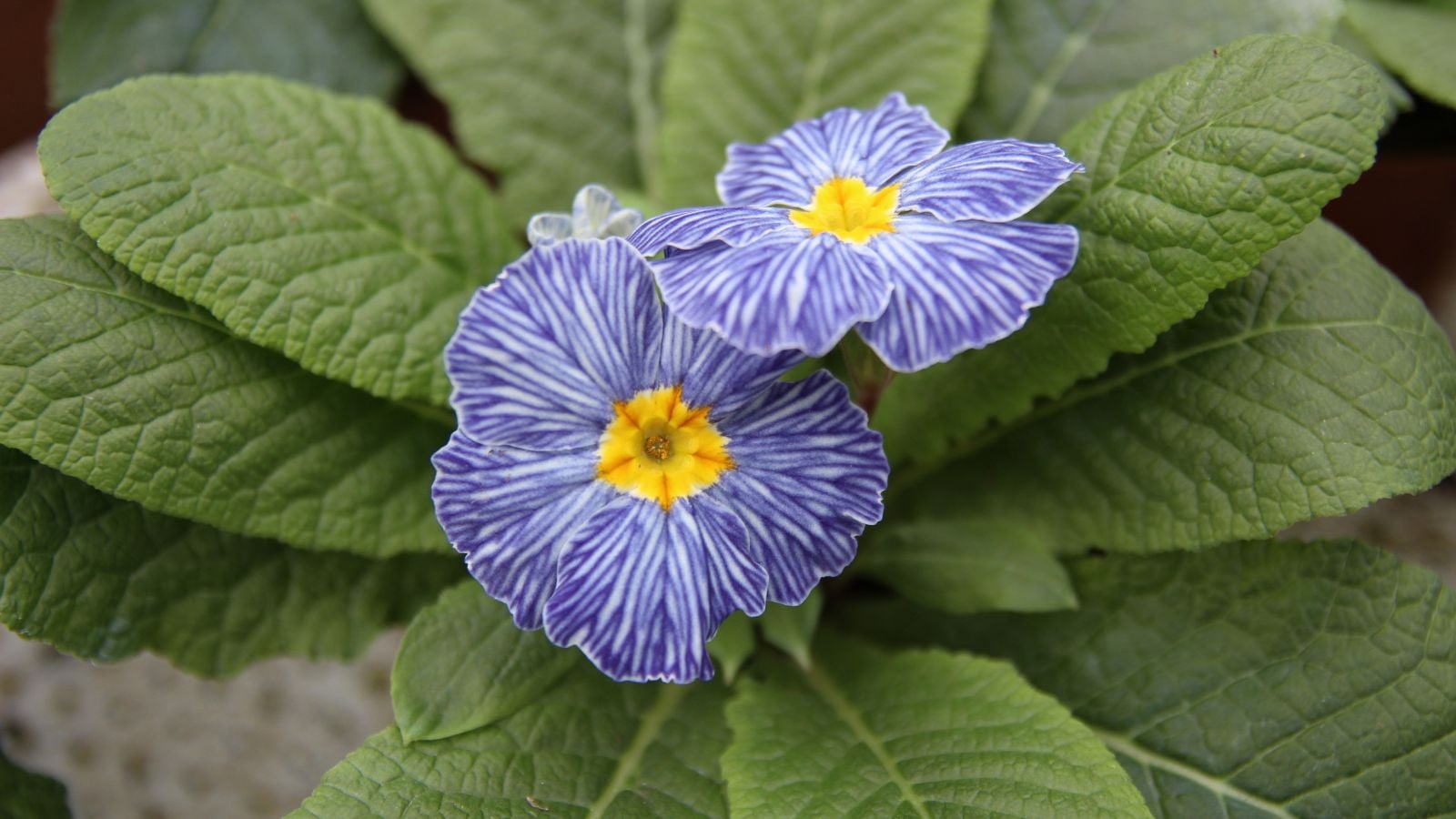 The blue and white stripes stand out in the garden.
 We saved the coolest of the blue-flowered perennials for last. As far as primroses go, this one is my favorite. Its blue and white-striped flowers are so stunning, and they fit into areas with rich, moist soil with ease. Plant them on your garden’s border for a late winter to early spring display.
Pop them into containers or raised beds to herald the coming warm seasons, or use them to create some style in your cottage garden. Better yet, plant them among your spring bulbs and spring and summer forget-me-nots for the best succession of blue flowers. Shade gardens are optimal for these. Some sun is okay, but a few hours is enough.













 English (US) ·
  French (CA) ·