

Given the diversity of nature, it isn’t surprising that not all seeds are alike. It’s not just that they look different, but they have very different growth requirements, which is an important fact for gardeners to keep in mind. Before you plant your garden, you need to know what your seeds require and be sure they get it – or you may never see seedlings emerge.
If you’ve had trouble getting seeds to grow in the garden, light might be the problem. Some seeds require light to germinate while others germinate best in the dark. Knowing how to start seeds includes understanding whether the seeds you’ve chosen need light or dark to germinate. If they don’t get what they need, they won’t sprout.
Here’s a quick guide to let you know which seeds need total darkness to germinate and which ones need a little sunlight.
Why Some Seeds Need Light & Others Need Dark
If a vegetable or flower seed is viable, it is a living entity with live, healthy embryonic tissue inside. Most seeds also hold stored nutrients, or food reserves, inside the seed coat. What causes a seed to "wake up" and germinate? This happens when their specific germination requirements – the correct moisture, temperature, and light – are met.
Each type of seed has its own individual needs. Most rely on their stored nutrients to germinate and only require water, air, and warmth to sprout. However, some are light-dependent and these are known as photoblastic seeds. That means they will not germinate unless their particular light needs are met.
Photoblastic seeds fall into two categories: positive photoblastic and negative photoblastic. Positive photoblastic seeds need light to germinate. For these seeds, light acts as a signal that triggers proteins in the seeds to break dormancy and begin growing. Negative photoblastic seeds need an absence of light to germinate or, in other words, they germinate best in the dark.
(Image credit: Future Content Hub)
Seeds That Need Light to Germinate
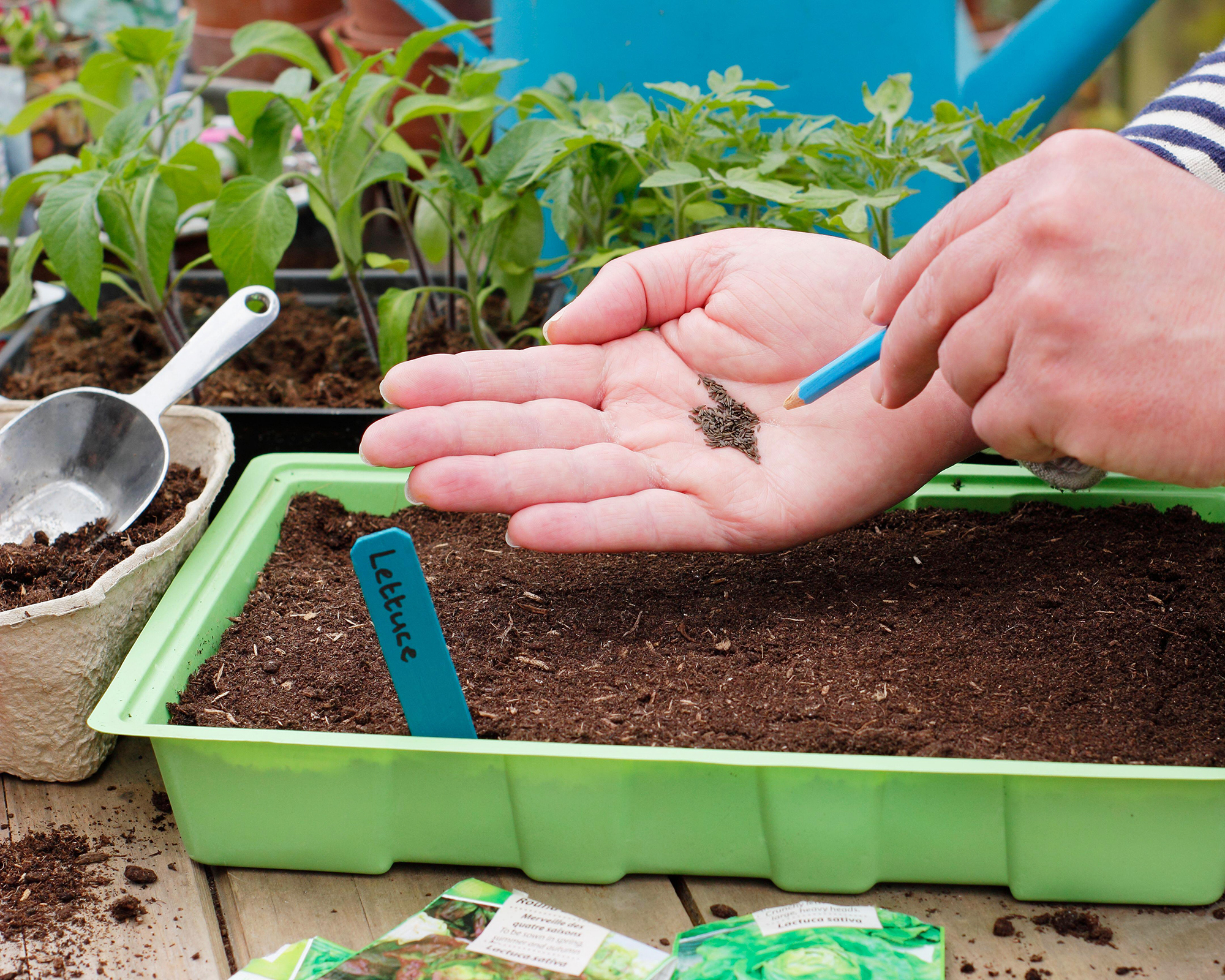
Positive photoblastic seeds will not germinate in darkness. That means that, when you sow these seeds, you need to scatter them on the top of the soil and not bury them under soil. Sowing them appropriately means your seeds will germinate. Sowing them without taking this requirement into account means poor germination rates.
But there’s no complete shortlist of positive photoblastic seeds you can write down and remember. Almost one third of common garden seeds need exposure to light in order to germinate. So you’ll have to rely on the info on the back of the seed packet or do a little research about your specific seed before planting.
In general, seeds that need light to germinate tend to be small. Their diminutive size means that they are easily affected by light exposure. For example, the tiny seeds of lettuce, celery, thyme, and dill fall into this category. Flowers with very small seeds are also in this category, like primroses, poppies, and petunias. Another rule of thumb is that wildflowers that self-seed every year often have seeds that require sun exposure to germinate.
(Image credit: Alamy)
Seeds That Need Dark to Germinate
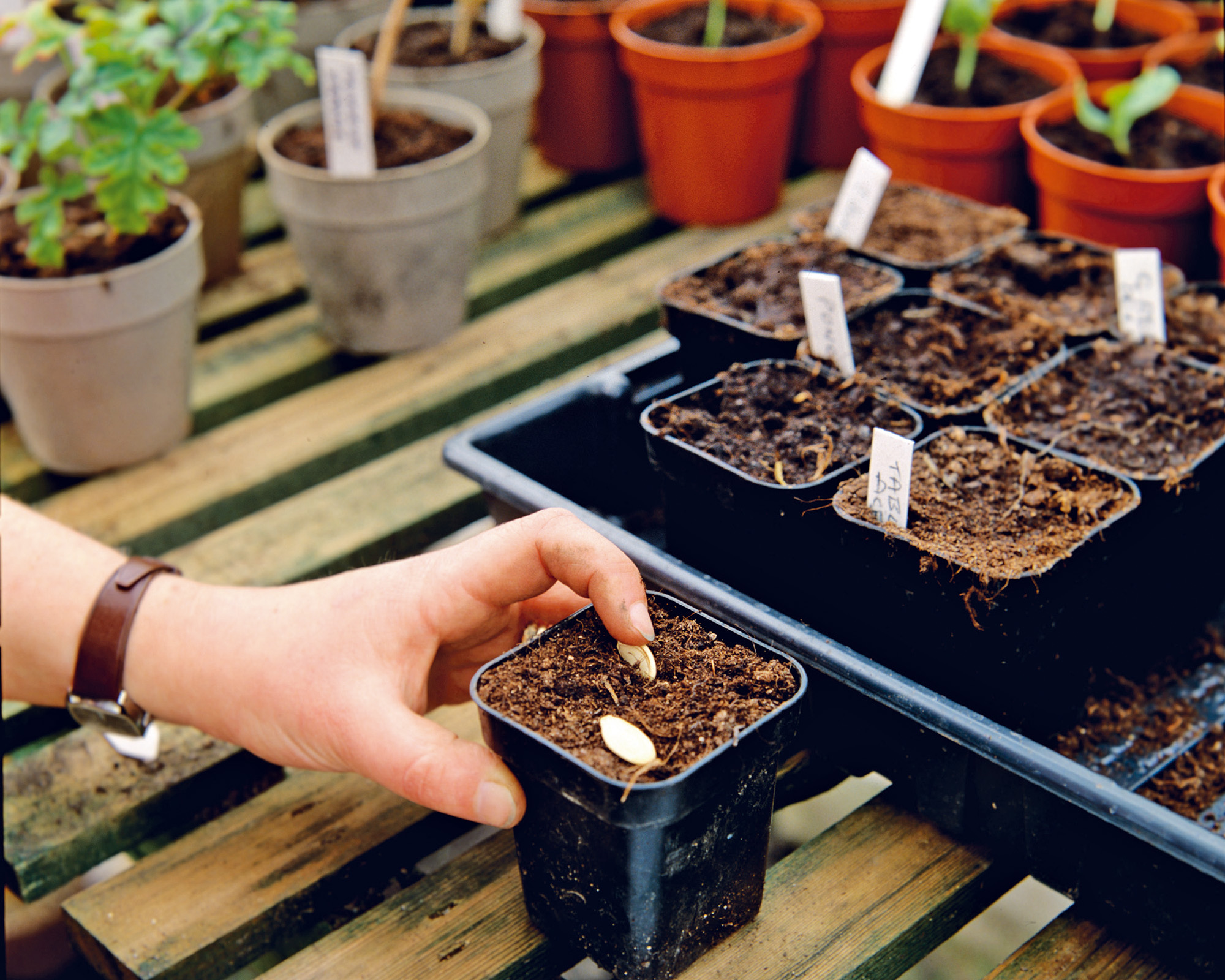
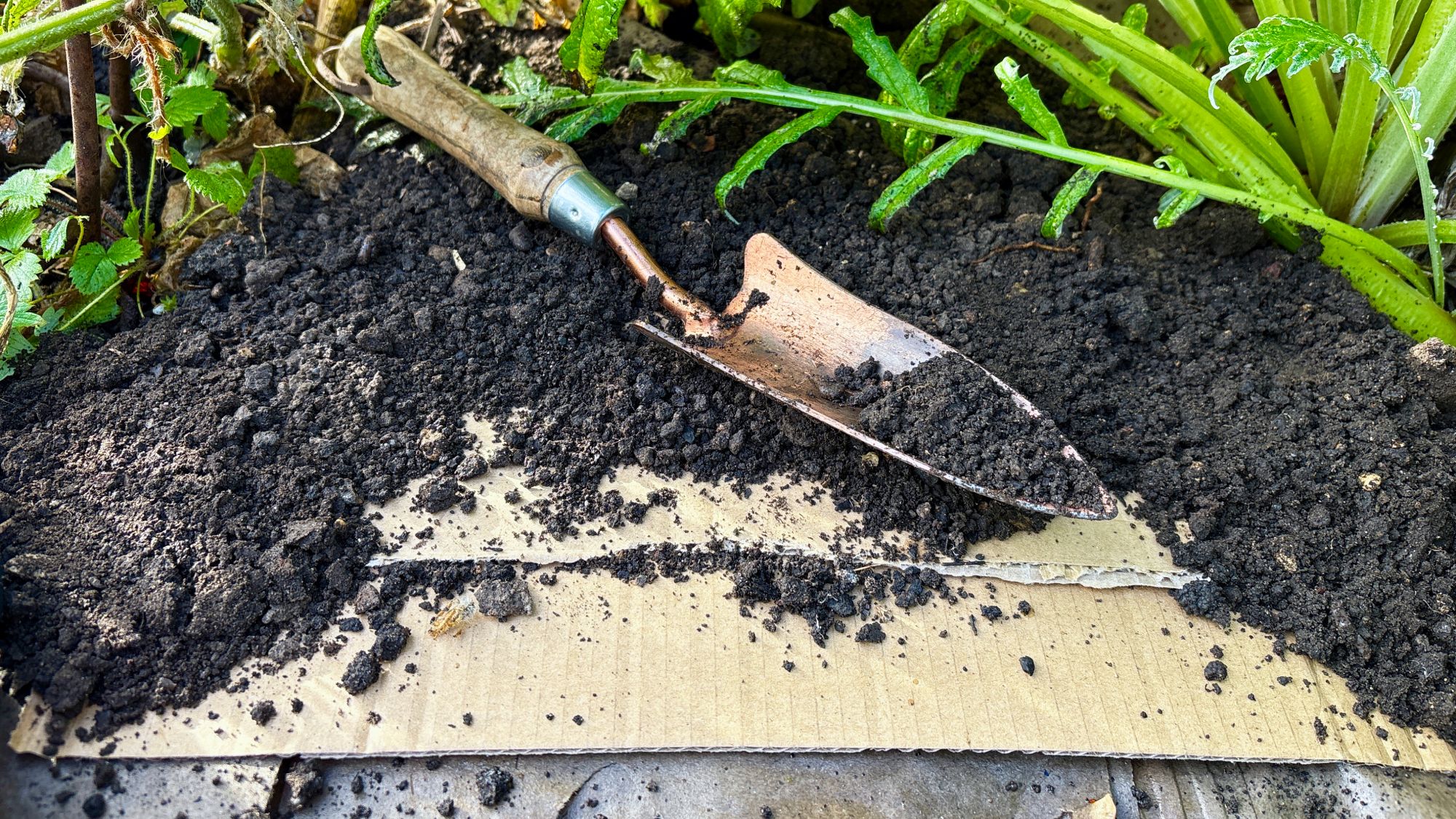
The other side of the coin are the seeds that need darkness to germinate. These are seeds that cannot be scattered on the top of the soil to sow them. They need to be covered up in order to sprout.
These are often larger flower seeds like borage and nasturtiums as well as many vegetables like kale, cauliflower, cabbage, broccoli, Brussels sprouts, and peppers. You don’t have to lock them in a sun-proof room. Just follow the standard practice of planting them at a depth twice their diameter.
How to Provide the Perfect Lighting Conditions
If you are planting seeds that need sunlight to germinate, you’ll want to forget the the normal seed planting depth rule that says to sow them twice as deep as they are wide.
Instead, scatter seeds on the surface of the soil, as if they had been placed there by nature. If you are afraid they will disappear in the wind or rain runoff, press them lightly into the top layer of soil with your foot or hand.
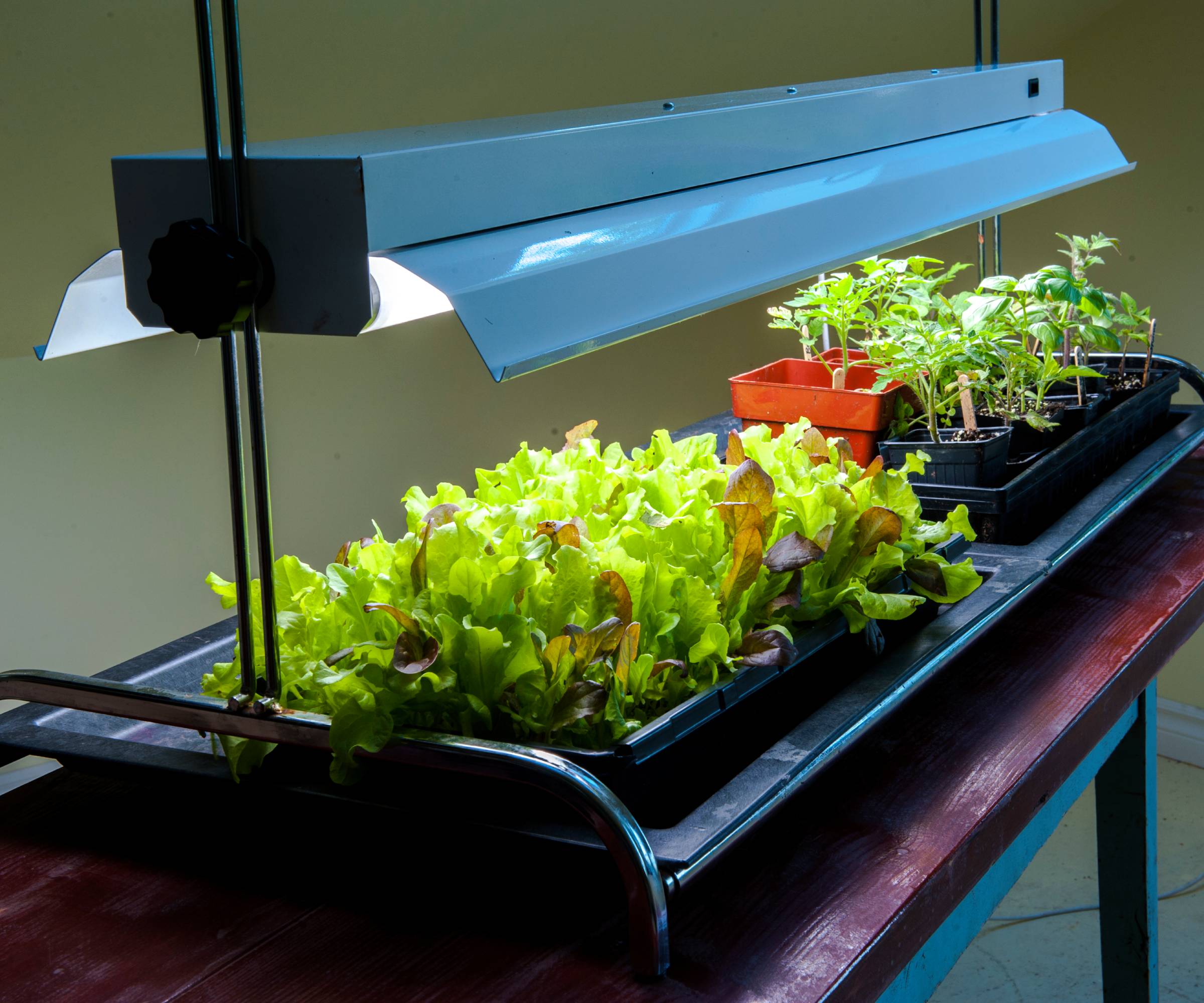
If you are starting seeds indoors, consider setting up LED grow lights, like this one from Amazon. Position the light a foot or less above the seed tray. Seeds will require some 10 hours a day to germinate, but providing more – up to 16 hours – can speed up the process.
(Image credit: Joseph De Sciose / Aurora Photos / Getty Images)
Other Germination Requirements
While some seeds’ need for light is fascinating, sunlight (or lack of it) is not the only requirement for seed germination. Remember that soil temperature, soil moisture, and airflow are all important factors as well.
When it comes to a good germination temperature, you have some room for error. That’s because seeds have optimal temperature ranges for germination, with a maximum and a minimum temperature – so anything in the range will work. A temperature outside that range can damage the seeds or, at the very least, prevent them from germinating.
Seeds also need water and air. Keep seeds consistently moist and plant in well-draining soil to allow for good aeration. This permits the seeds to “breathe” in oxygen and release carbon dioxide. This seed starting mix from Miracle-Gro provides plenty of airflow to seeds.
Give your seeds all of these essential elements – and the right light – and you are sure to have successful germination and healthy plants.
Seed Starting Must-Haves
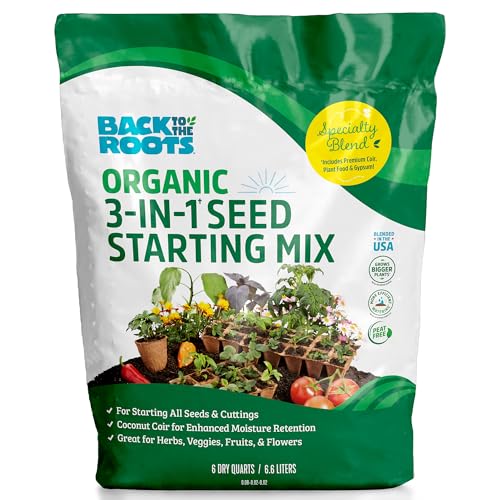
Back to the Roots 3-In-1 Seed Starting Mix
This organic seed starting mix will give any seeds a strong start, whether they need light or dark.
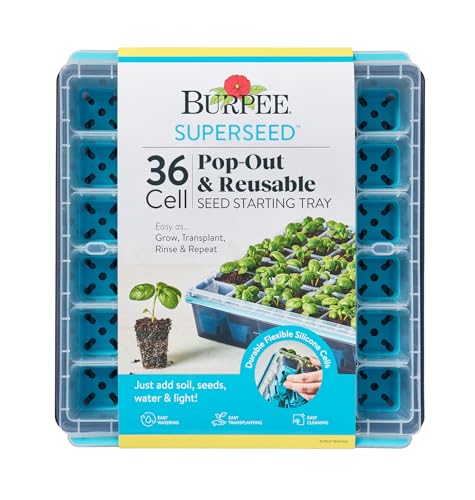
Burpee Superseed Seed Starting Tray
You can start seeds year after year with this reusable seed starting tray.
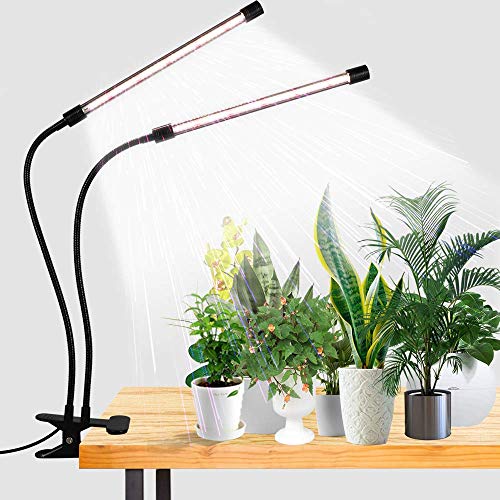
A simple LED grow light like this can make all the difference for seeds that need light to sprout.












 English (US) ·
  French (CA) ·