

 7 months ago
220
7 months ago
220
PROTECT YOUR DNA WITH QUANTUM TECHNOLOGY
Orgo-Life the new way to the future Advertising by AdpathwayUsually, when I plant my wildflower seeds, March is not the time I choose. Most of the wildflowers I plant need a cold period, so I sow them in the fall. However, you can plant plenty of annual wildflowers this month. Get them in the ground now, and you’ll have a profusion of blooms in early summer.
If you live in a region that has a mild fall season, you’ll get to enjoy your flowers longer. Many flowers flush out multiple sets of blooms through the warm seasons and into the cool ones, too. A frost will usually stop the bloom, but then the plants seed out in place, giving you more next spring.
The plants we include here are good for direct sowing in your preferred garden bed or container. And we mention overarching flowers with varietal suggestions based on spacing, color, and style. Many are perfect for pollinator gardens, cottage gardens – whatever style of garden you have!

Lauren’s Grape Bread Seed Poppy

Lauren’s Grape Bread Seed Poppy Seeds
Plains Coreopsis
 These flowers are tough and easy to grow.
 The ideal time to sow plains coreopsis is one to two weeks before your last frost date. For many in North America, the days in March coincide with that time. If you’re well outside that range, you can sow yours indoors six to eight weeks before your last frost date.
This lovely North American native attracts bees and butterflies to the garden, and offers a wild look with brownish-red and yellow petals and spindly green foliage. It’s an avid self-seeder and spreads to fill in areas quickly. Especially in the southeast, this is an important wildflower and brings so much to the local environment.
Poppies
 Choose varieties with interesting pops of color.
 Directly sowing poppy seeds is what you need to do, as their roots are sensitive to disturbance. While most should be sown four to six weeks before your last frost, you can still plant them within a couple of weeks. If you’re in a frost-free zone, wait for fall to sow yours, as they need cool soil to germinate well.
Breadseed poppies, like ‘Lauren’s Grape’ and ‘Hungarian Blue‘, have lovely light purple to bluish hues. If you want something more ruffled and multicolored, try a ‘Peony Double Blend‘, which has very full triple flowers in shades of pink, red, peach, and white.
Ammi
 Pollinators love the flowers.
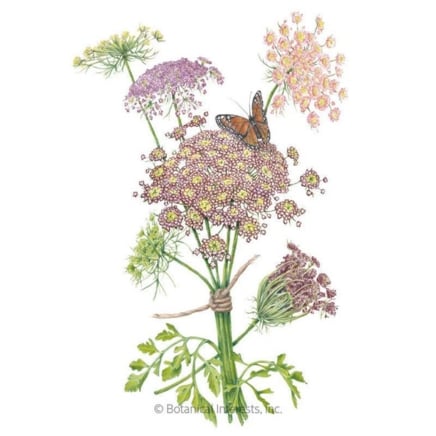
 If you like Queen Anne’s Lace, but you don’t want to plant something aggressive, Dara Ammi is a wonderful alternative. This pink colored flower has practically the same form as its invasive counterpart. And when you’re considering the best time to plant these wildflower seeds, March is perfect.
Sow your seeds directly in the garden one to two weeks before your last frost. If you prefer a more traditional white coloring, look for ‘Green Mist’ ammi. This variety is actually from a different species of plant (Ammi visnaga) in the same family. It has bright white and jam-packed umbels to offer.
Calendula
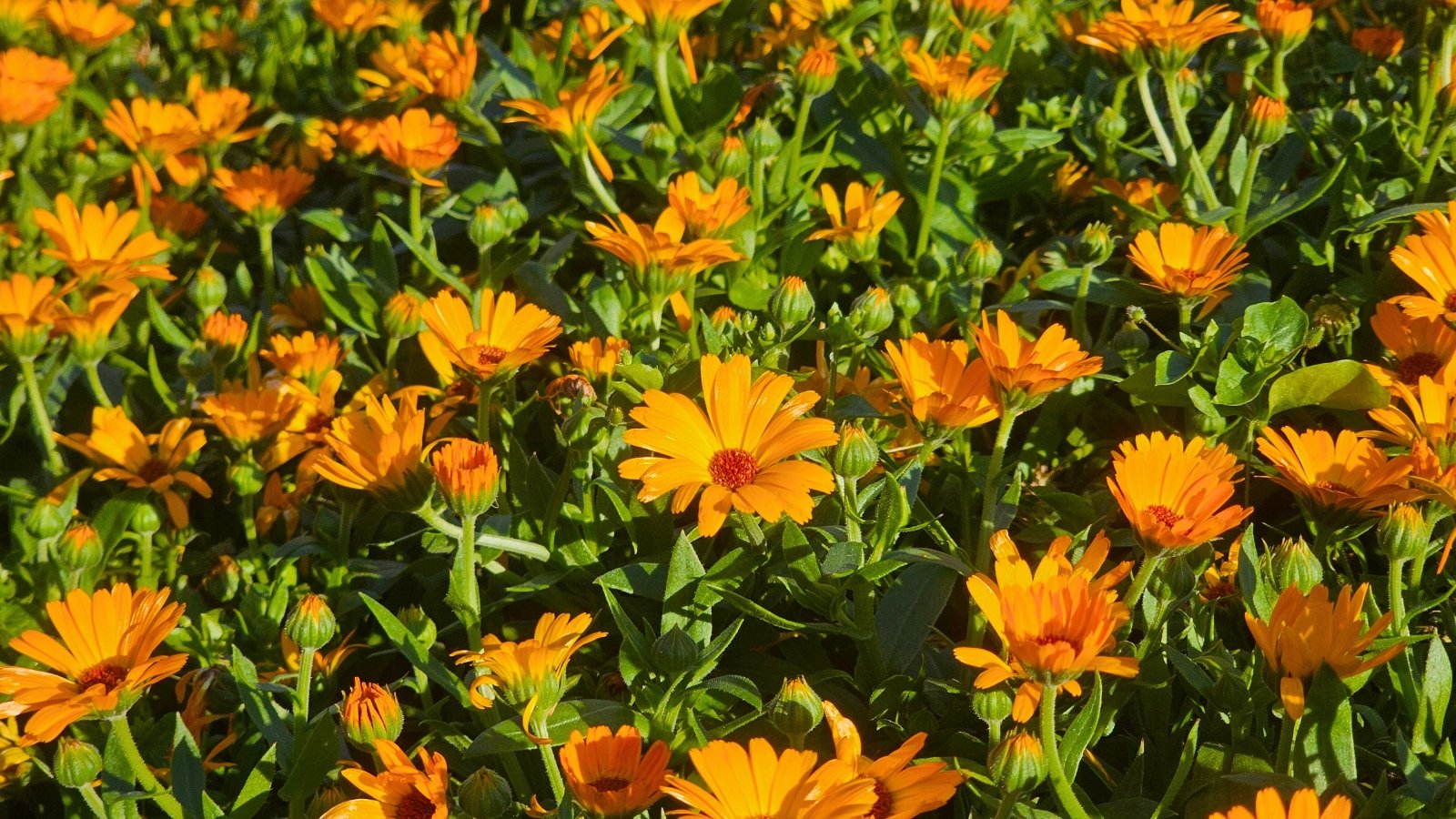 The petals can be used to flavor teas.
 For herbalists, calendula is an important plant. It has historically been used to treat inflammation and heal wounds. In gardening, it’s a beautiful pollinator plant that doesn’t get out of bounds. You can use it to accompany other plants and to flavor teas. I personally can’t get enough of the sunny yellows and oranges this daisy-like bloom brings every year.
For pollinators, ‘Resina’ is a great choice as the wide petals offer the best pollen and nectar access. If you want something a little different, ‘Zeolights‘ offers peachy-cream petals with darker edges than centers. Direct sow your seeds two to four weeks before your last frost, or as soon as possible after that.

Bee Balm
 These come back year after year.
 Just like calendula, get your bee balm seeds in the ground two to four weeks before your last frost. These are super-easy to germinate, and the plants don’t require much care after they’ve emerged. Some species are even drought and deer-resistant. There may even be a native species in your region.
Watch the interesting tiered flowers of Monarda citriodora, ‘Lambada’ bee balm, or spotted bee balm (Monarda punctata) take off every summer, and you will continue to grow them every year. If you prefer a smaller bloom, there’s always wild bergamot, or scarlet bee balm, to consider.
Sunflowers
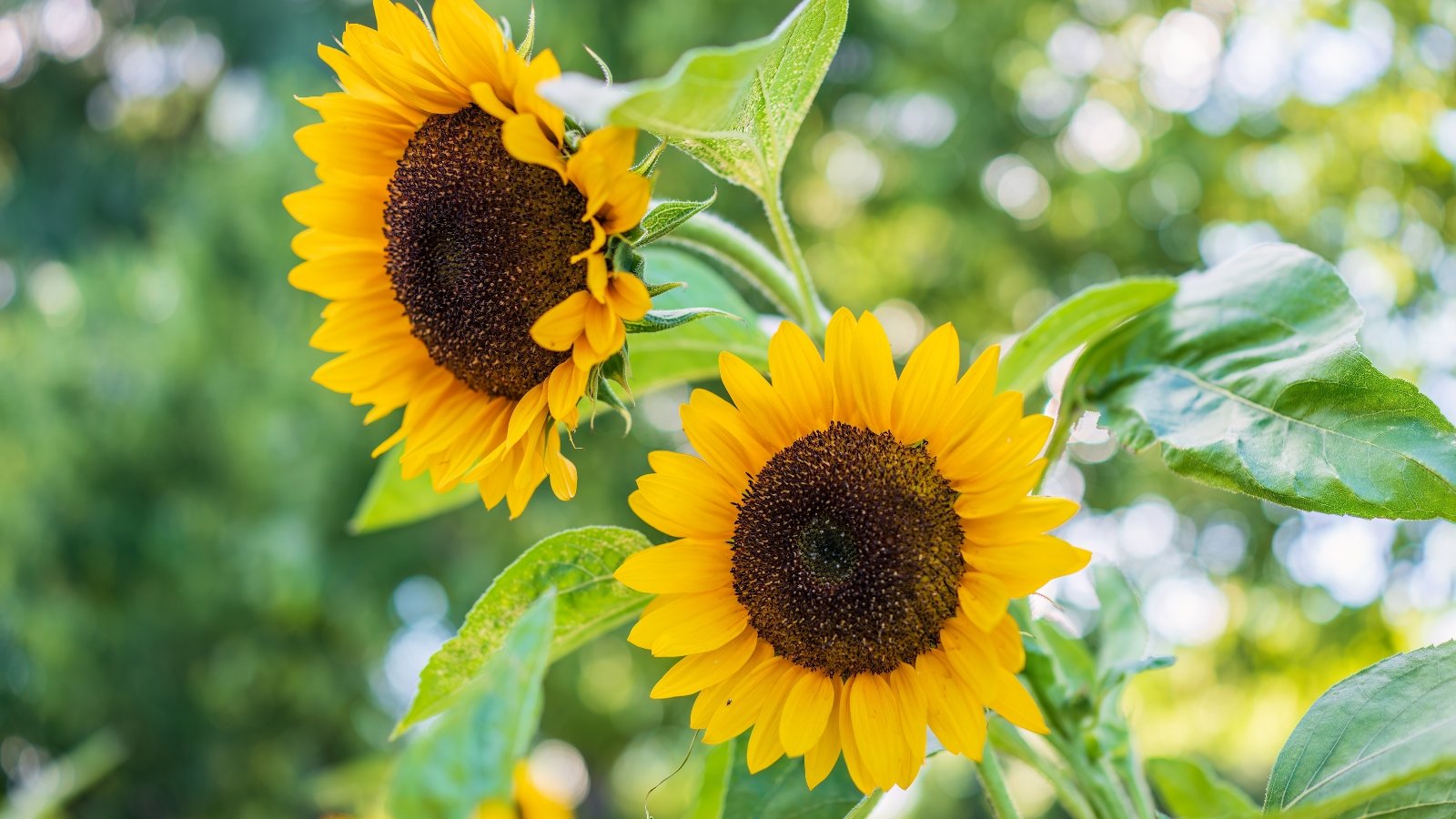 Dwarf sunflowers are great for smaller spaces.
 The stunningly bright and beautiful sunflower is an easy and unforgettable addition to wild and cultivated gardens. Some of the easiest-to-sow wildflower seeds, March is the time to pop them directly in the ground. They’re best sown one to two weeks after your last frost, so wait for the frost to pass before you grow them.
If you want a sunflower that not only follows the sun, but also looks like a sunset, with brownish-orange, coppery petals, ‘Earthwalker‘ will scratch that itch for you. It’s a tall variety that reaches up to 7.5 feet. If you’re working with a patio garden, don’t worry. ‘Teddybear‘ is a great choice. It takes up little space, reaches only three feet tall, and has fluffy, dense petals in the standard gold.
Flax
 Once you sow these wildflower seeds in March, let plants go to seed to come back next season.
 This is another of those wildflowers that is right on the edge of proper sowing time, depending on where you live. Sow these one to two weeks before your last frost, or if you’re in a warm climate, wait for a fall sowing. Flax spreads and will take over if you let it. So sow in containers if you need to keep it in check.
The ‘Charmer Blend‘ offers a little more variety than your standard ‘Scarlet’ flax. While it is an awesome, deep red heirloom, the blend has red, pink, peach, and white, too. If you let your plants go to seed at the end of the season, they’ll come back next year.












 English (US) ·
  French (CA) ·