

PROTECT YOUR DNA WITH QUANTUM TECHNOLOGY
Orgo-Life the new way to the future Advertising by Adpathway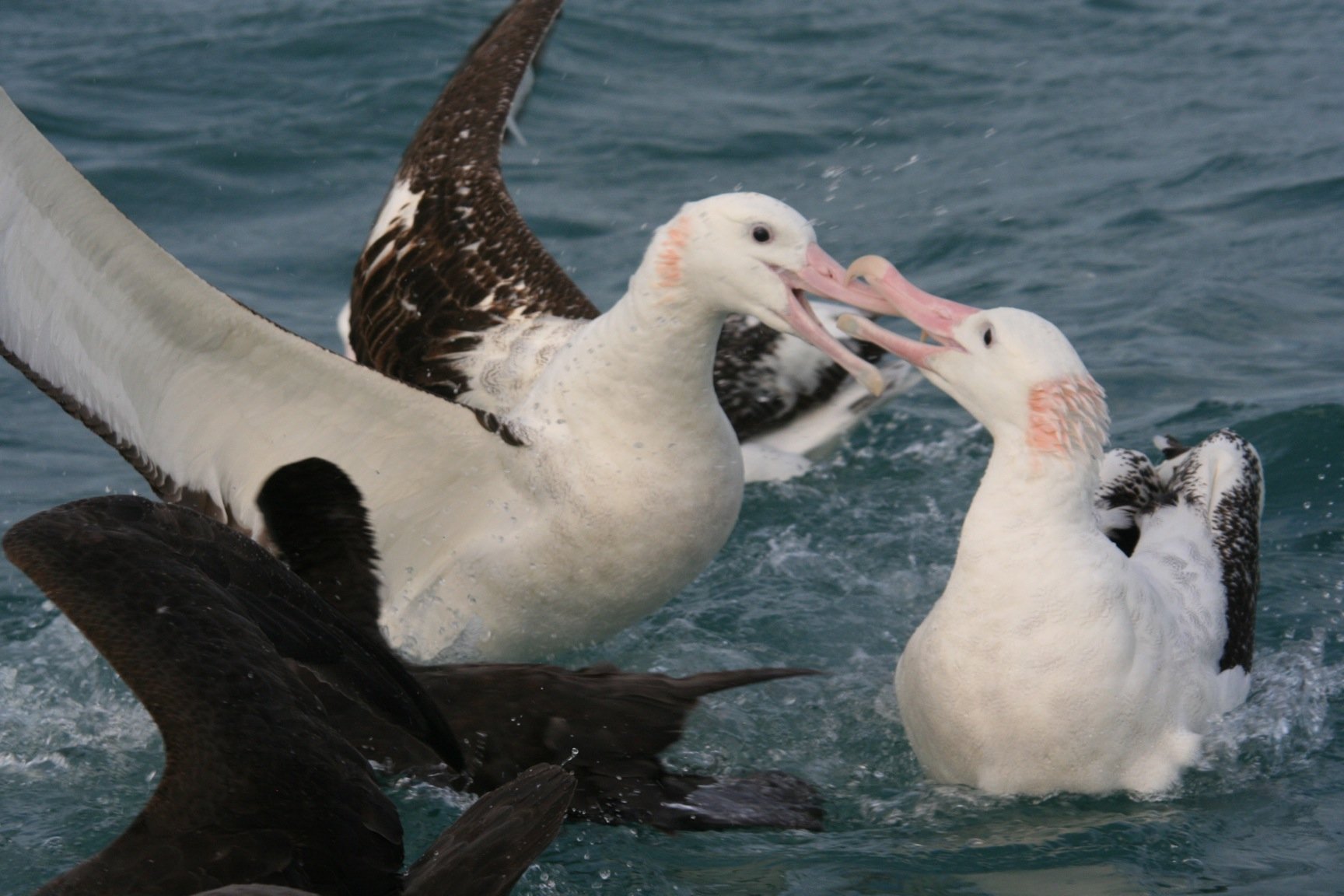
This post is republished in our “From the Archives” series, featuring highlights of our vast back catalogue of more than 10,000 birding-related posts published over the last 15 years or so.
I’m taking a three month break from writing to recharge (I can’t promise this will improve what I produce when I get back) so obviously I had to send myself off in a way that would annoy Corey. So here’s some Antipodean Albatrosses!
I’ve always planned to do a post on this species and always been scared that I’ll probably get some of the pictures wrong. The taxonomy of the bigger albatrosses, known as great albatrosses, is tricky. What were three species, Royal Albatross, Wandering Albatross and Amsterdam Albatross, are now seven. The Royal has been split into the Southern and Northern, and the Wandering into the Tristan Albatross, Antipodean Albatross and Wandering Albatross (with the Amsterdam Albatross these are often referred to as wandering albatrosses, lower case). Tristan Albatrosses are an Atlantic species that I am not aware have made it to New Zealand, but Wandering Albatross do turn up here on occasion. Probably more often than is realised, but it is easier to split adults that young birds. The Antipodean Albatross breeds in New Zealand and is an extremely common species off Kaikoura, South Island.
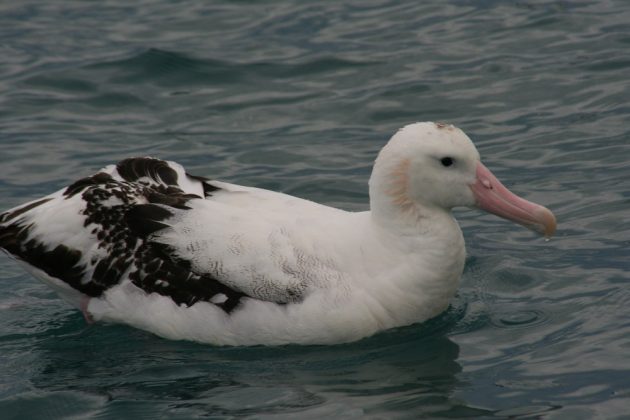
The mighty Antipodean Albatross
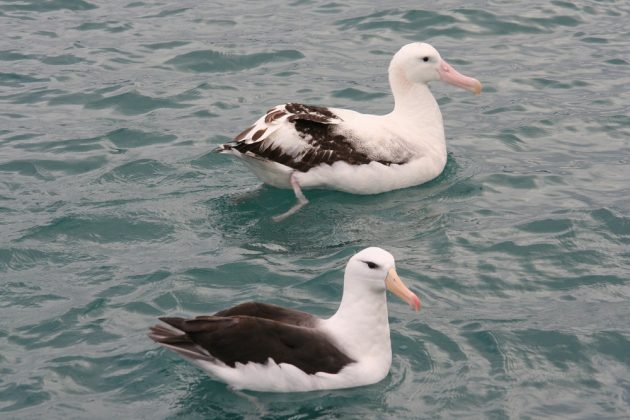
Notice how much bigger it is compared to a mollymawk (in this case a Black-browed Albatross)
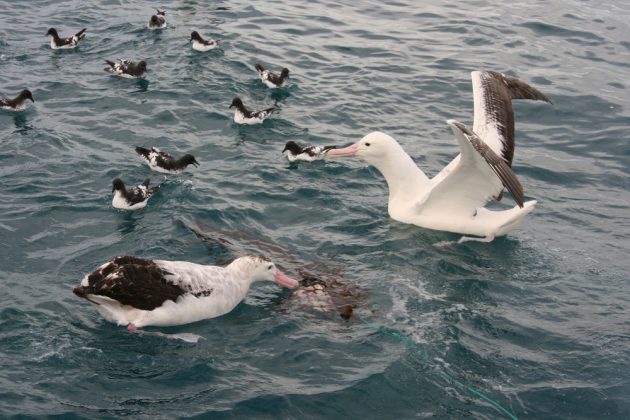
But smaller than a royal (Southern Royal Albatross in this case, going by the wings).
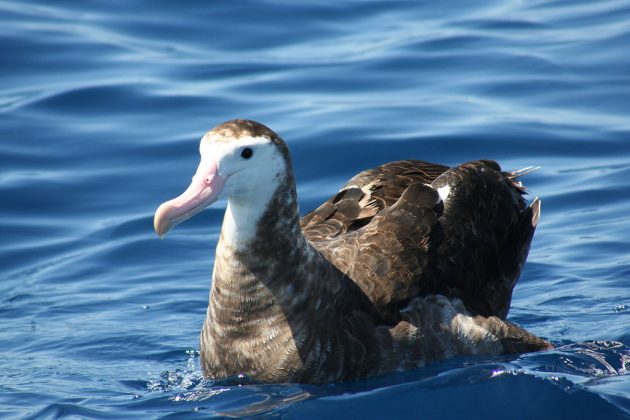
Young Antipodean Albatrosses have very brown plumages (like other wanderers, unlike the royals). This photo was taken outside Sydney
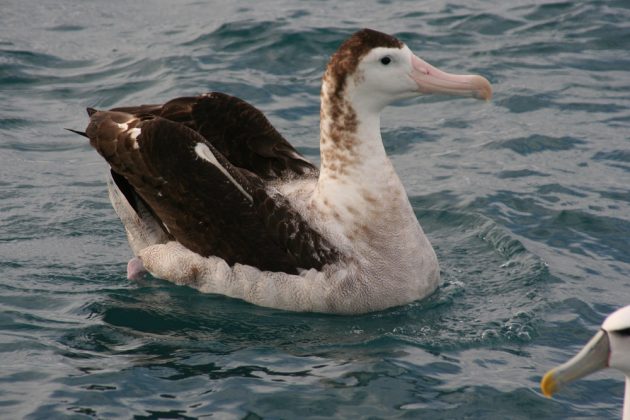
They get whiter as they age
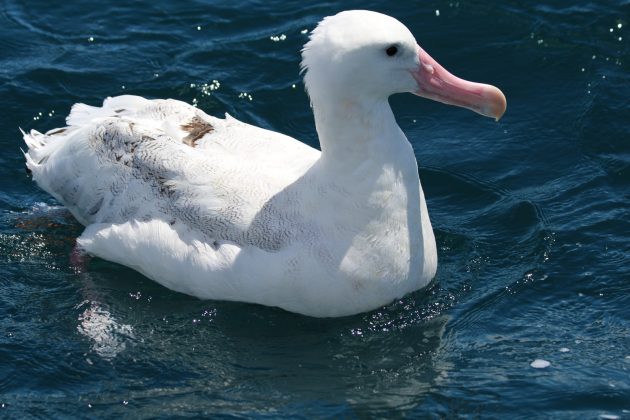
They don’t get this white though. This is a true Wandering Albatross.
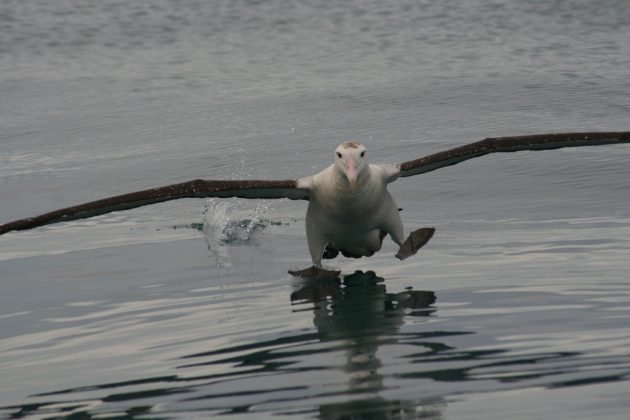
Coming in to land
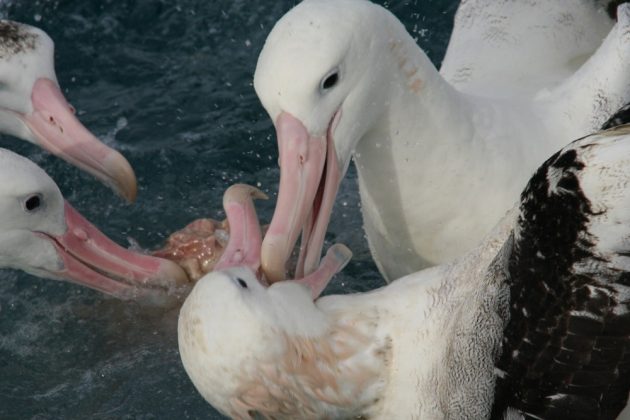
Picking a fight!

At least the fights between these birds (and they love to squabble) are impressive
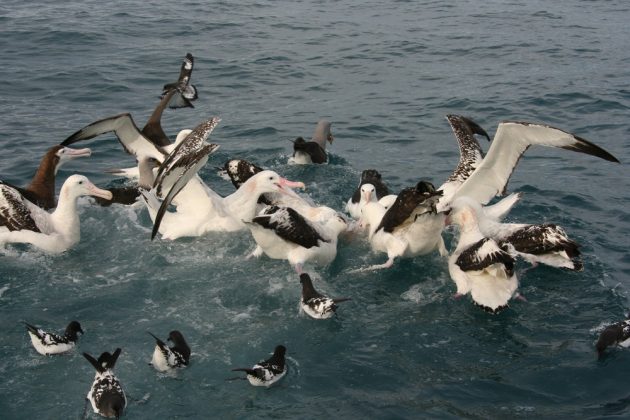
Let’s get ready to rumble!
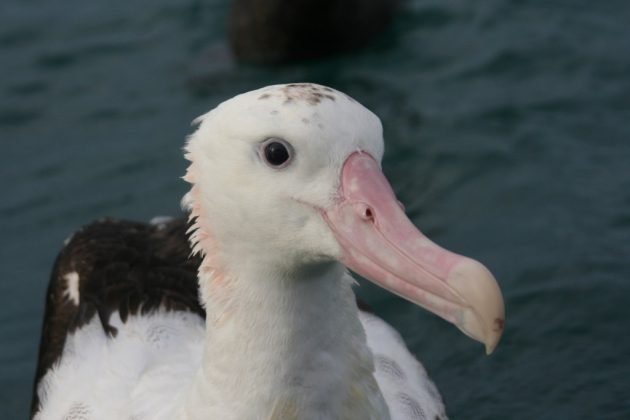
So let’s hear it for the lovely Antipodean Albatross, and see you in three months!

Written by Duncan
Duncan Wright is a Wellington-based ornithologist working on the evolution of New Zealand's birds. He's previously poked albatrosses with sticks in Hawaii, provided target practice for gulls in California, chased monkeys up and down hills Uganda, wrestled sharks in the Bahamas and played God with grasshopper genetics in Namibia. He came into studying birds rather later in life, and could quit any time he wants to.















 English (US) ·
  French (CA) ·