

PROTECT YOUR DNA WITH QUANTUM TECHNOLOGY
Orgo-Life the new way to the future Advertising by AdpathwayThis piece comes to us from the Wildlife Conservation Society (WCS). Views and opinions expressed in blog posts are those of the individuals expressing them and do not necessarily reflect those of THIRTEEN Productions LLC/The WNET Group.
As governments prepare to gather in Yerevan, Armenia, for the 17th Conference of the Parties to the Convention on Biological Diversity (CBD CoP17), let’s affirm a truth long understood by both biodiversity science and Indigenous knowledge: Safeguarding human well-being begins with safeguarding the living world and our relationship to it.
Indigenous Peoples and many local communities are among the world’s most effective and enduring custodians of nature. They are already leading some of the strongest and most equitable efforts to conserve natural and cultural heritage. Yet international recognition of their contributions too often stops short of concrete, sustained action.
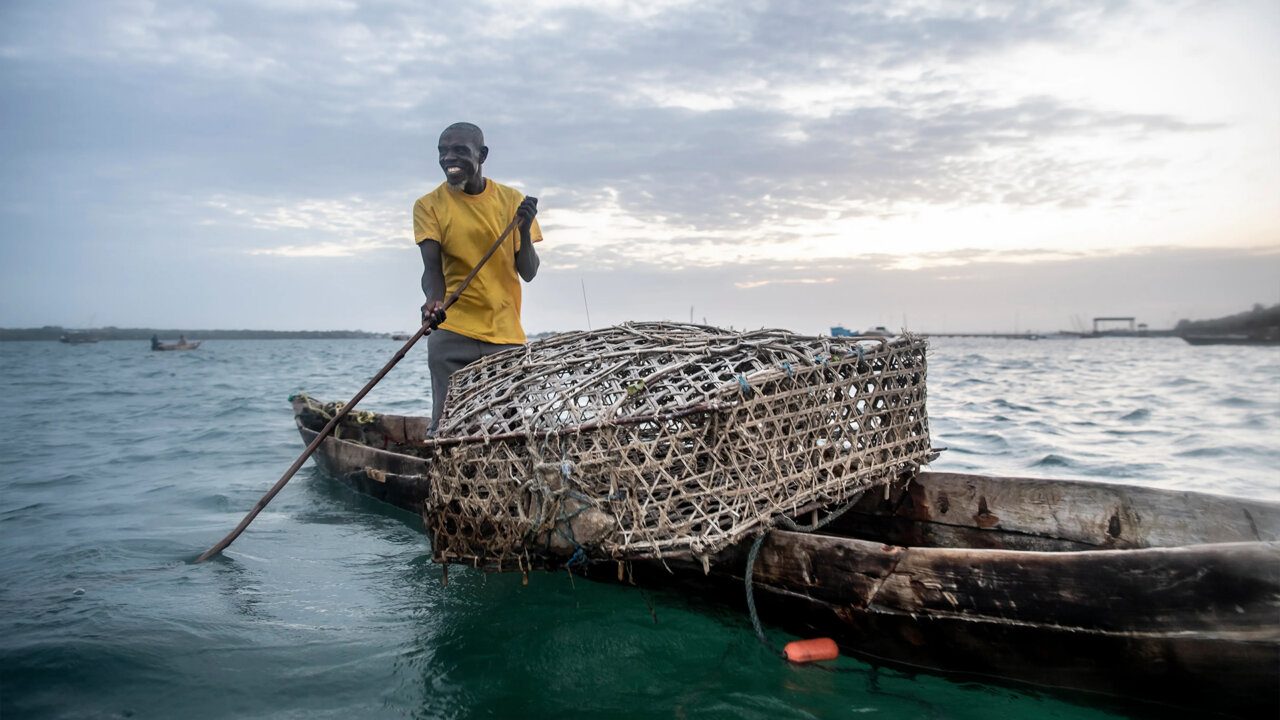
Strengthening capacity and working alongside communities in securing, exercising, and benefitting from rights is a core feature of WCS’s approach to conservation. Photo credit: Alissa Everett/WCS.
The Kunming-Montreal Global Biodiversity Framework, adopted in 2022, commits countries to strengthen the integrity, connections, and resilience of ecosystems. It also recognizes that meeting those goals requires the whole of society, with particular attention to Indigenous Peoples and local communities. Their rights, knowledge, values, and practices must be respected, consistent with the United Nations Declaration on the Rights of Indigenous Peoples (UNDRIP) and international human rights standards respectively.
The first global review of progress under the framework as captured in the State of Biodiversity Action report (the Report) will take place at this month’s conference. The findings so far are sobering.
Consider Target 22, which calls for full and fair participation by Indigenous Peoples and local communities. On average, governments addressed only 38 percent of its elements. Too few dealt meaningfully with respect for Indigenous cultures or rights to lands, territories, resources, and traditional knowledge. The indicator intended to track Indigenous land tenure contains little data.
The same problem appears in efforts to conserve and restore 30 percent of the world’s land and seas by 2030. National reports often fail to show whether the rights of Indigenous Peoples and local communities over their territories are being respected and recognized for conservation. Without that information, apparent conservation gains can conceal failures of both equity and effectiveness.
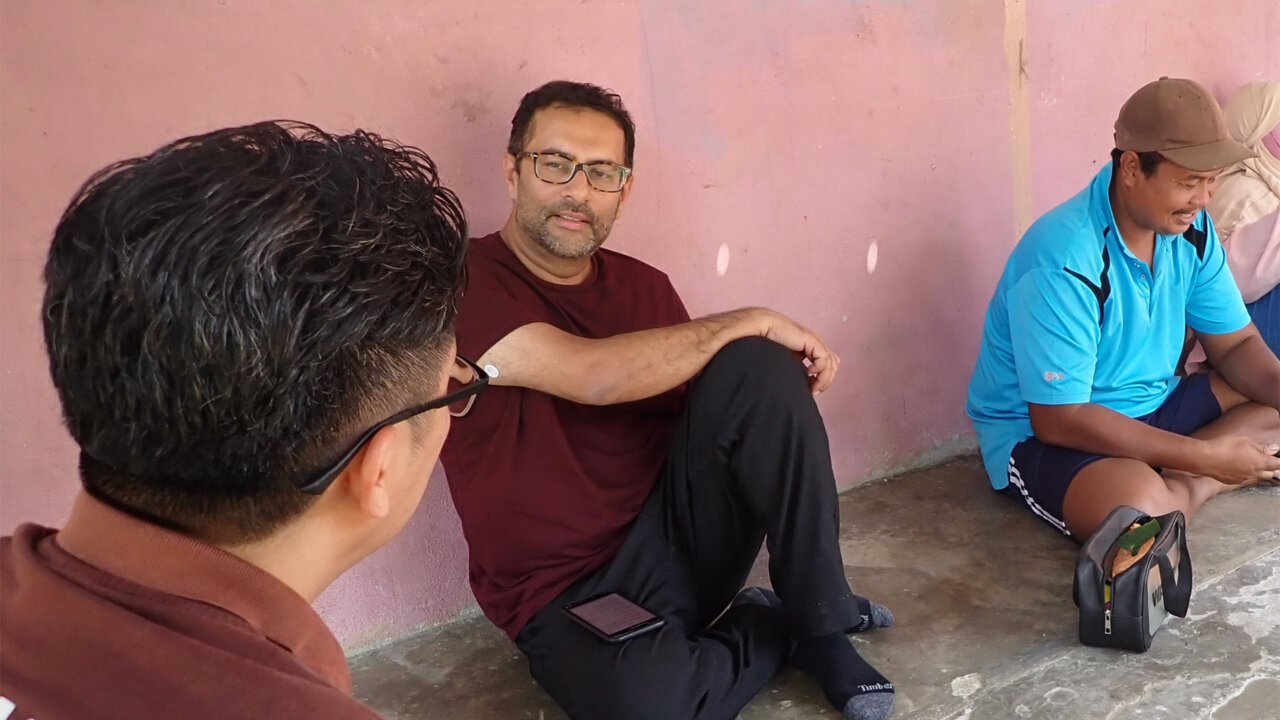
Sushil visits an Orang Asli Village in the Endau Rompin landscape of Malaysia. Photo credit: ©WCS Malaysia.
The risks are not abstract. Only 13 percent of governments set targets for fully protecting environmental human rights and Indigenous defenders. Just a handful reported concrete protection mechanisms, even as defenders continue to risk their lives to safeguard biodiversity.
Financing also rarely reaches communities directly. Support for Indigenous Peoples is seldom dedicated, predictable, or designed for direct access. And the principle of free, prior, and informed consent is sometimes treated as advisory, applied inconsistently, or ignored.
These are not merely gaps in reporting but in the safeguards that protect Indigenous Peoples’ and local communities’ lives, territories, and knowledge.
CoP17 can begin to close them. Governments should explicitly recognize the contributions of Indigenous Peoples and local communities to global restoration and conservation goals. They should recognize territories traditionally owned, occupied, used, or acquired by Indigenous Peoples and local communities consistent with UNDRIP and international human rights standards respectively.
Some circumstances demand special protection. For Indigenous Peoples living in voluntary isolation or initial contact, self-determination means remaining isolated and this right has to be fully protected. Governments should establish No-Go zones and halt permits and extractive activities that threaten their survival, guided by the principles of no contact, intangibility, and precaution.
Governments must also decide how the new permanent body devoted to Indigenous Peoples and local communities under the biodiversity convention will operate (called the Subsidiary Body to Article 8(j)). It is the first permanent space of its kind in a United Nations environmental process. Its unresolved rules on representation should lead to genuine co-leadership with governments, not symbolic participation.
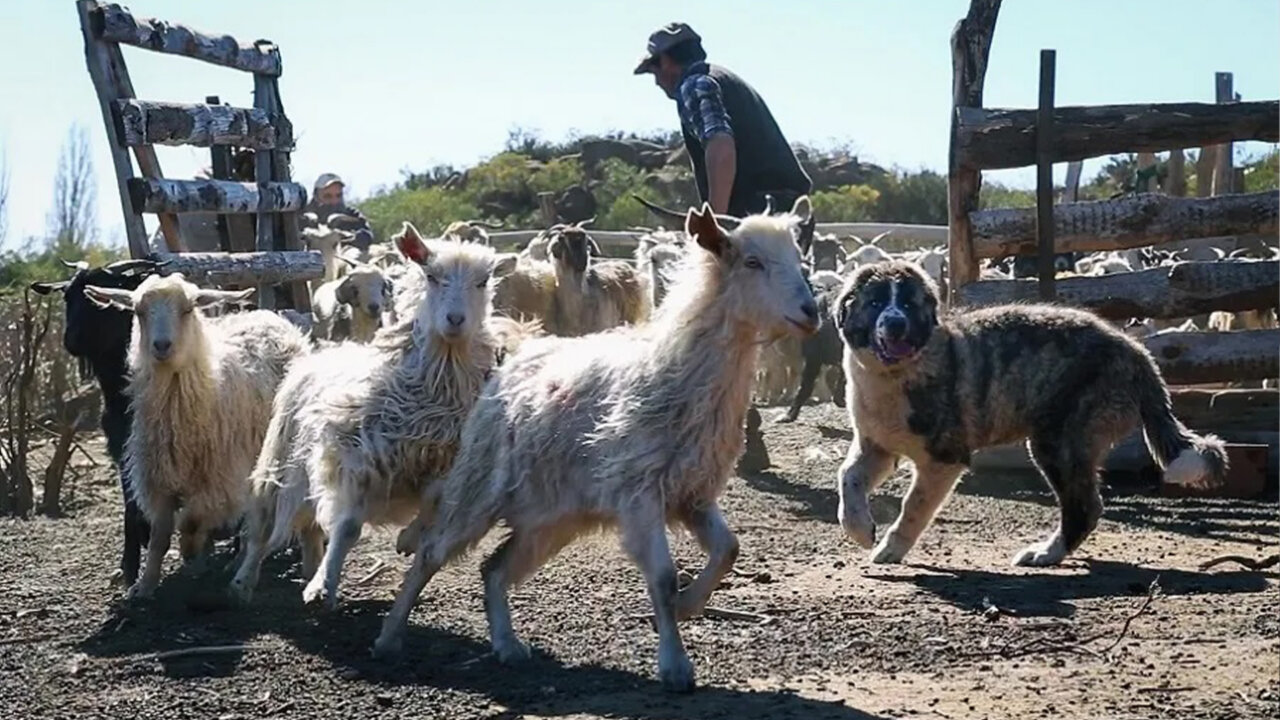
Argentinian livestock dogs work with local herders to reduce conflict with pumas and other native carnivores. Photo credit: ©Federico Gregorio
More broadly, countries should expand direct access to financing, protect environmental and Indigenous defenders, uphold Indigenous control over data, treat Indigenous and traditional knowledge with equal respect, and require free, prior, and informed consent. This lays the foundation for a genuine action rooted in ecological integrity and rights.
This work cannot be confined to one treaty. The three Rio Conventions on desertification, biodiversity, and climate change are meeting in close succession this year. Indigenous Peoples and local communities protect grasslands, forests, drylands, and coasts that sustain biodiversity, store carbon, and buffer people against climate extremes and displacement. Governments should coordinate their work across all three conventions and recognize that healthy ecosystems and Indigenous and local stewardship are a shared foundation for their goals.
Parties to the CBD convention increasingly recognize and support the rights of Indigenous Peoples and local communities whose care has kept so much of the living world as a vibrant and interconnected system. At CoP17, governments have an opportunity to turn recognition into action. Their decisions will help determine whether ecosystems — and the lives, cultures, and well-being bound to them — are safeguarded or eroded through 2030 and beyond.
















 English (US) ·
 French (CA) ·