

PROTECT YOUR DNA WITH QUANTUM TECHNOLOGY
Orgo-Life the new way to the future Advertising by Adpathway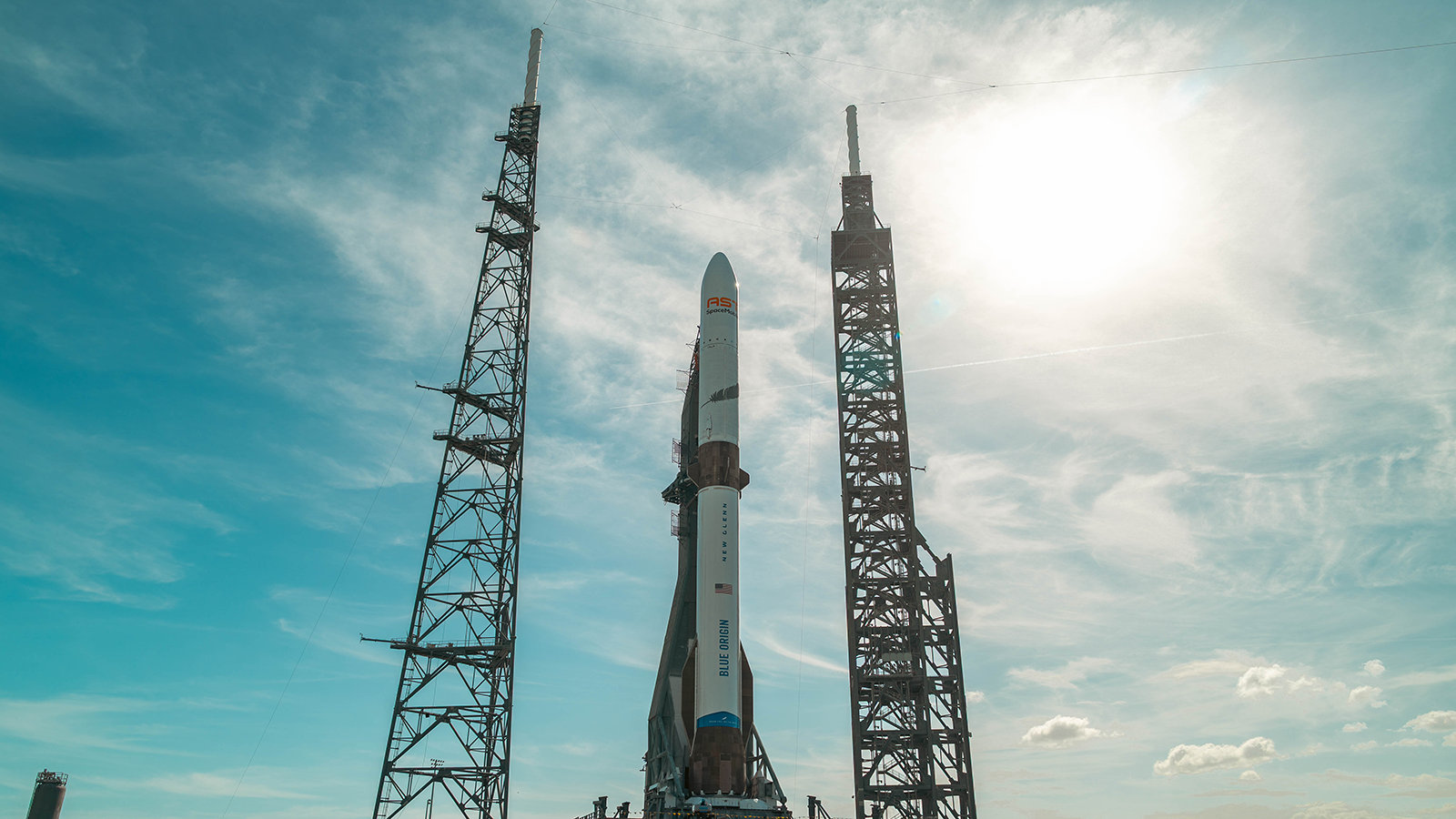
Blue Origin
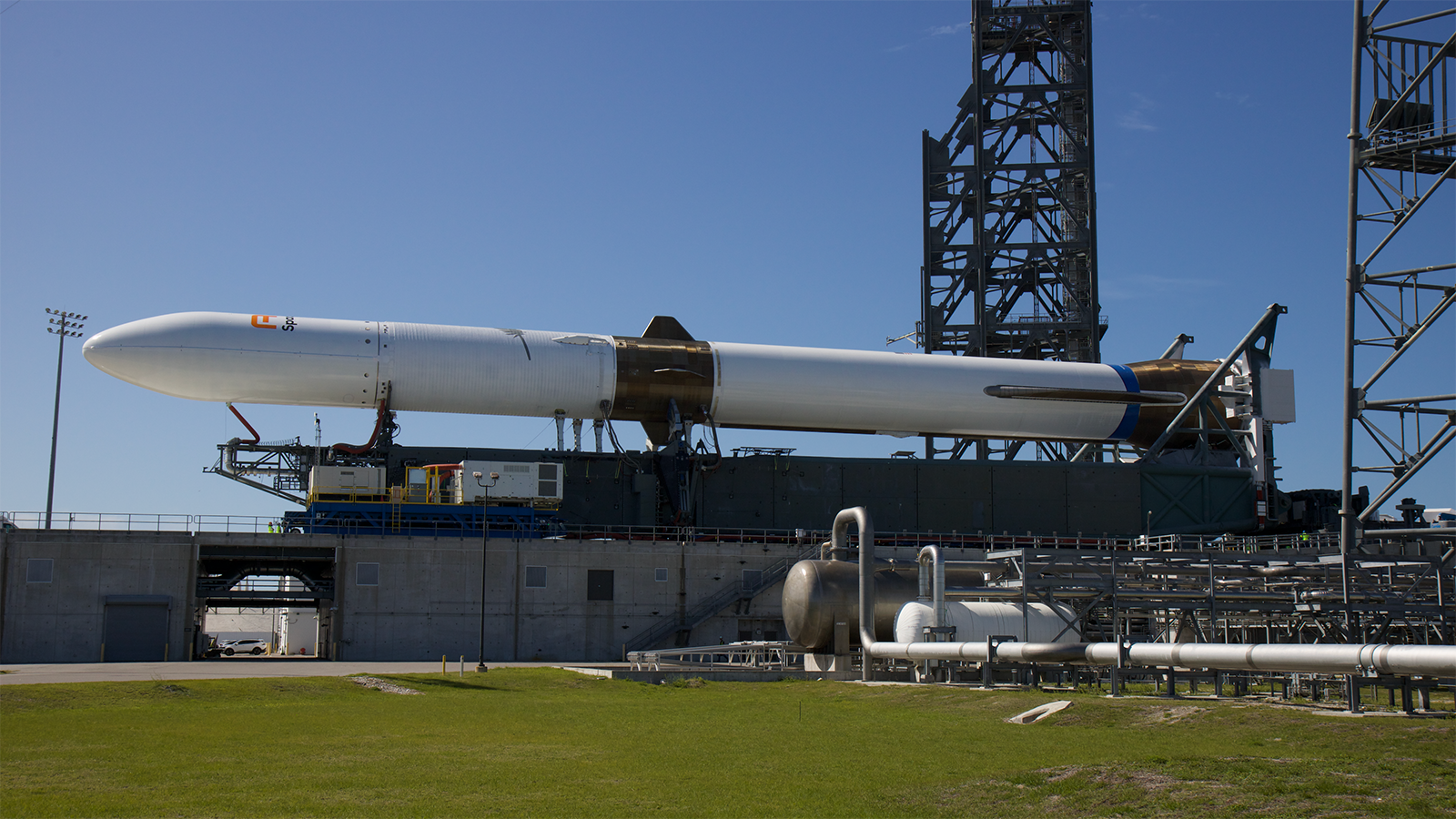
For the first time, Blue Origin has successfully landed its New Glenn booster rocket, which had been flown on a prior mission, but the satellite payload that came with it was shunted into an incorrect orbit.
The launch marked a technical milestone for Amazon founder Jeff Bezos’ space firm, with Blue Origin now only the second company, after SpaceX, to land a booster that had been used in another launch.
But New Glenn’s upper stage placed a satellite from AST SpaceMobile into a lower-than-planned orbit. While the satellite separated from the launch vehicle and powered on, the altitude is too low to sustain operations with its on-board thruster technology and will de-orbited.
The mixed results show that Blue Origin is still trailing behind its biggest rival SpaceX, even if the mission did demonstrate that it can now reuse parts of rockets that are capable of placing payloads into orbit.
Blue Origin
Blue Origin is currently contracted for major components of Nasa’s Artemis missions to the Moon. This weekend’s launch helps the firm demonstrate that it can meet Nasa’s sustainability requirements, as New Glenn will eventually be used to transport the Blue Moon lander to the lunar surface. Nevertheless, the failure of the upper stage means that further work will need to be undertaken before Nasa will allow humans to be transported in the rocket.
The AST satellite in question is part of a growing constellation that will be used to beam a space-based broadband service to virtually any location on Earth. So far, it has signed a deal with Vodafone to build out a direct-to-device service for European customers that could help to fill some rural blackspots in network coverage.
AST said the cost of the lost satellite, called BlueBird 7, is expected to be recovered under the company’s insurance policy. BlueBird 7 would have been the firm’s eighth deployed into low-Earth orbit and is one of many planned for its broadband network. The company is currently in production through BlueBird 32, with BlueBird 8 to 10 expected to be ready to ship in approximately 30 days.
It expects that orbital launches will occur roughly every one to two months during 2026, targeting approximately 45 satellites by the end of the year.
You may also be interested in...

OpenAI has paused plans to roll out a series of data centres across the UK, citing concerns over the cost of energy and regulati
Open-access content

The Civil Aviation Authority has rejected efforts from Heathrow to significantly raise its landing fees to fund a series of upgrades to the airport.
Open-access content

OpenAI has confirmed it will shut down its AI video generation platform Sora after just two years as the firm looks to refocus its resources on its core product ChatGPT.
Open-access content
Four astronauts have successfully completed a seven-hour flyby of the Moon as part of Nasa’s Artemis II mission.
Open-access content
Nasa is planning to make manned trips to the lunar surface every six months from 2028 as part of efforts to lay the groundwork for a permanent Moon base.
Open-access content

The EU’s total greenhouse gas emissions have now fallen by 40% since 1990, according to official data.
Open-access content

Relocating Venice to a new site has been mooted as one possible option to protect it from rising sea levels as the increasing number of flooding events threaten to overwhelm the city’s infrastructure.
Open-access content
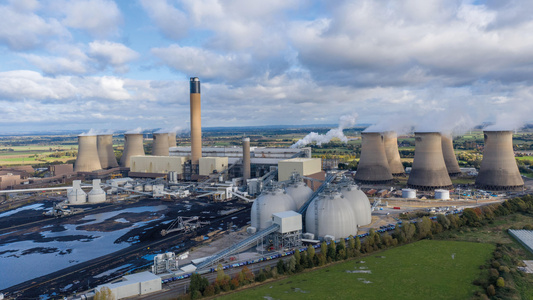
The Drax power plant in Yorkshire claimed £999m in subsidies from the government in 2025 despite the controversial nature of its claims to be a low-carbon energy generator.
Open-access content
More from Blue Origin
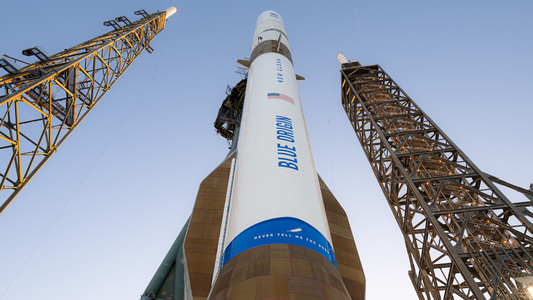
Blue Origin’s New Glenn rocket has successfully launched, carrying two Nasa spacecraft bound for Mars.
Open-access content

Blue Origin has proposed a building a new telecommunications hub for Mars that could support Nasa’s future missions to the plane
Open-access content
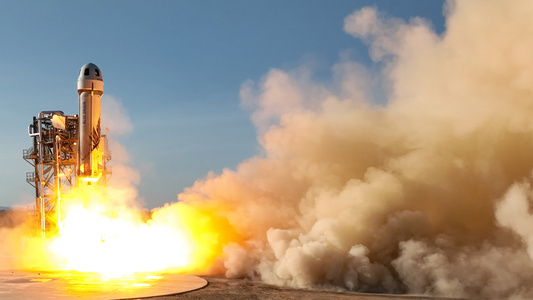
Blue Origin has landed its 11th human spaceflight carrying an all-female crew including pop star Katy Perry and Jeff Bezos’ fiancée Lauren Sánchez.
Open-access content
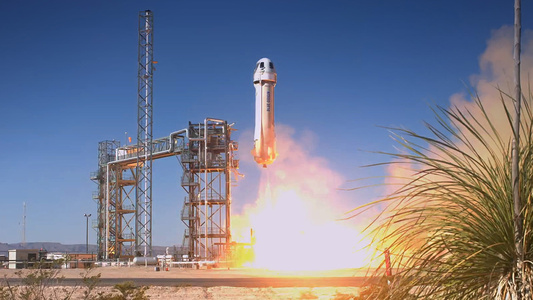
Blue Origin has successfully completed testing on the second stage of its heavy-lift rocket New Glenn, ahead of a hoped-for launch later this year.
Open-access content
More from Business

It took Google’s Blaise Agüera y Arcas a decade of working with language prediction and face recognition to come to the realisat
Members'-only content
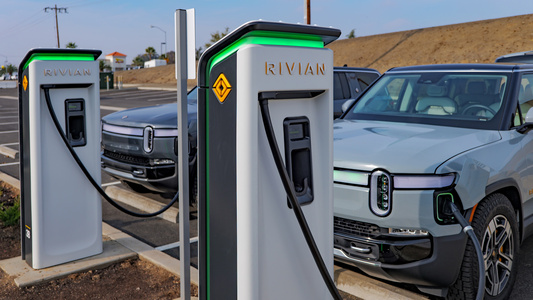
Uber will invest up to $1.25bn (£930m) in electric vehicle maker Rivian as part of a deal to deploy 50,000 autonomous robotaxis across 25 cities in the US, Canada and Europe.
Open-access content
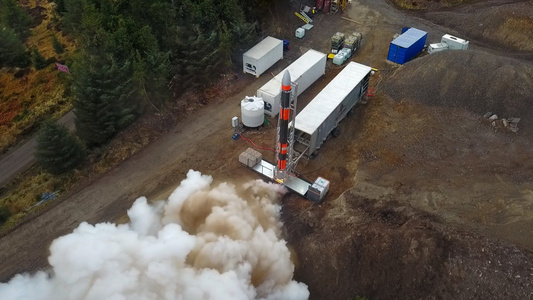
Skyrora, one of the UK’s most prominent space firms, has expressed interest in buying the assets of rocket launch company Orbex
Open-access content

Takeaway firm Just Eat has launched trials of autonomous delivery robots to transport food to customers in Milton Keynes and Bri
Open-access content
More from Rockets
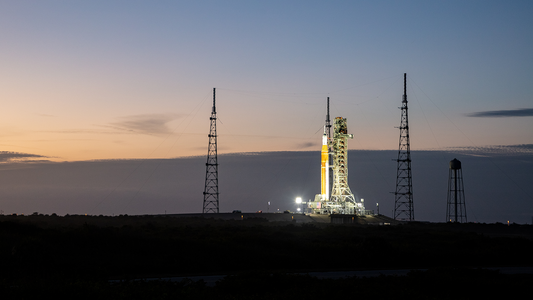
US space agency Nasa is preparing for its Artemis II mission, set to launch in early February 2026, which will carry four astronauts on a lunar flyby before returning to Earth.
Open-access content
Blue Origin’s New Glenn rocket has successfully launched, carrying two Nasa spacecraft bound for Mars.
Open-access content
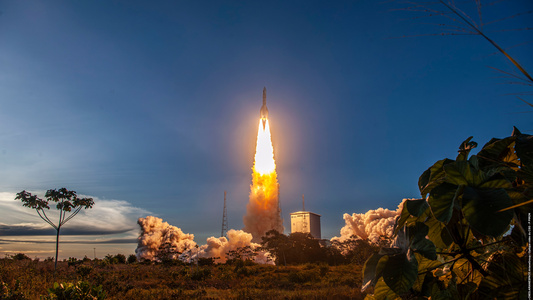
The European Space Agency (ESA) has announced the latest Sentinel-1 satellite has reached orbit, extending Europe’s all-weather Earth observation capabilities.
Open-access content
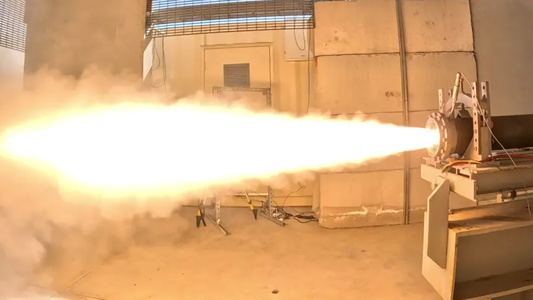
US aerospace company Ursa Major has successfully tested a rocket motor that lets existing small military rockets fly farther without increasing their size.
Open-access content
More from Space
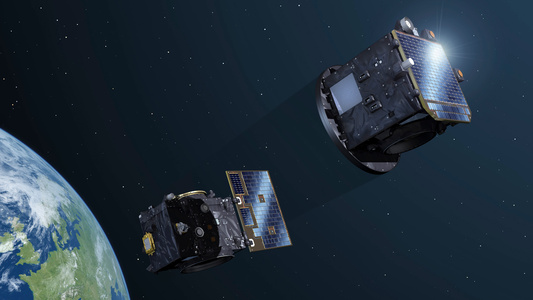
The European Space Agency has restored contact with its Coronagraph spacecraft weeks after communications were lost following an anomaly.
Open-access content

Farming’s rural nature has long been an obstacle to technology adoption in the sector – but more accessible communications, together with AI, are opening the door.
Open-access content

A nanotechnology-based material developed at the Massachusetts Institute of Technology could block harmful space radiation, enabling safer human spaceflight.
Open-access content
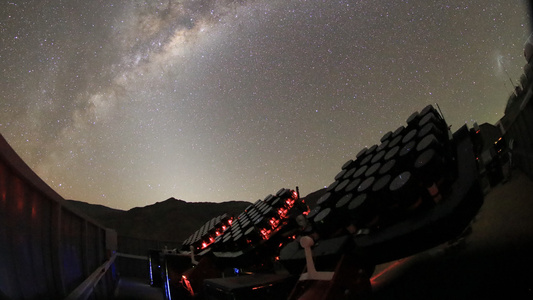
Construction has begun on a next-generation telescope, dubbed MOTHRA, that is designed to reveal the cosmic web – a largely unknown network of gas and dark matter that connects galaxies across the universe.
Open-access content
More from Space Launch Systems
The US Federal Aviation Administration has closed its investigation into SpaceX's Starship failures in May and June, givin
Open-access content
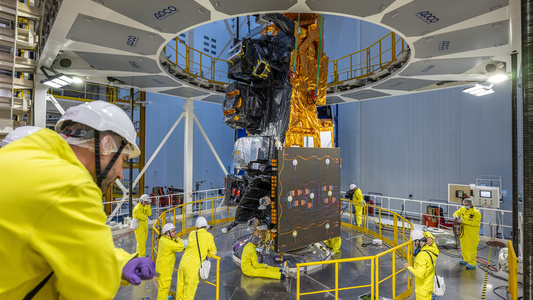
The European Space Agency’s (ESA’s) weather satellite with its payload of six instruments has been sealed inside the Ariane 6 rocket’s fairing ahead of lift-off on 13 August.
Open-access content
Rocket and space technology company Skyrora has received its UK Civil Aviation Authority licence for suborbital launches from Scotland’s SaxaVord Spaceport.
Open-access content
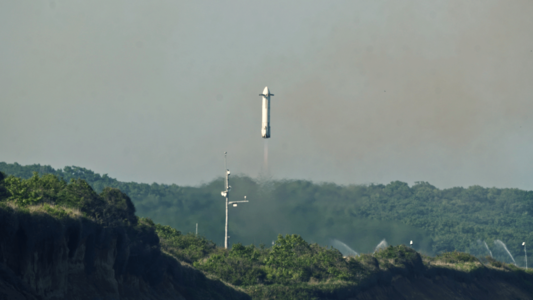
Honda’s experimental reusable rocket has reached an altitude of nearly 300 metres before successfully touching down on its landing site.
Open-access content
More from Jack Loughran
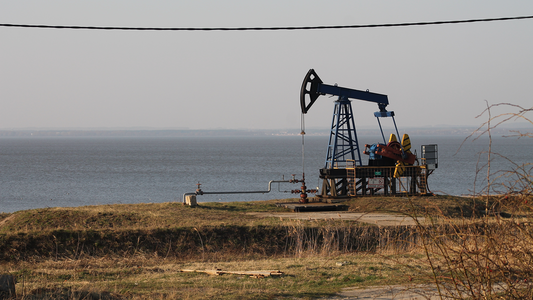
Depleted oil fields could be used to contain liquid hydrogen as much of the infrastructure already in place can be repurposed, researchers at King Abdullah University of Science and Technology have said.
Open-access content

A portable atomic clock that has been successfully tested at sea could change the future of marine navigation.
Open-access content

Methane emissions from the world’s largest cities have unexpectedly risen 6% since 2019, according to satellite data, suggesting that some sources are unaccounted for.
Open-access content
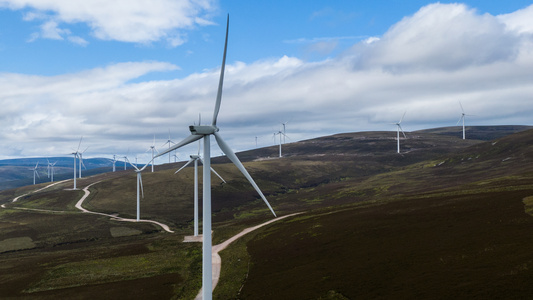
Households may be encouraged to maximise their energy consumption this summer by running appliances such as dishwashers or charging their electric cars in order to help balance the grid.
Open-access content
More from News
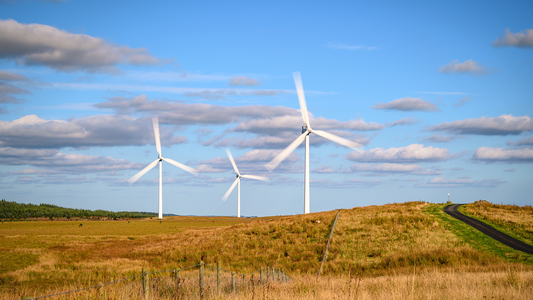
Expanding the UK’s onshore wind supply chain could add £56bn to the economy, according to a new report by RenewableUK.
Open-access content
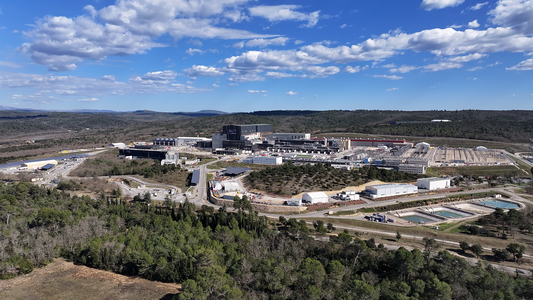
The cost of fusion technology is likely to fall more slowly than previously predicted, raising doubts about its ability to compete with renewable energy.
Open-access content
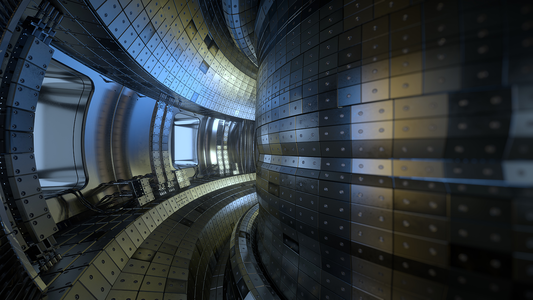
Fusion decommissioning does not have the same problems as fission. Fusion machines will create far less radioactive waste, most
Open-access content

Israeli-based tech start-up Celleste Bio has unveiled a milk chocolate bar made using real cocoa butter grown in a bioreactor.
Open-access content













 English (US) ·
  French (CA) ·