

 1 hour ago
5
PROTECT YOUR DNA WITH QUANTUM TECHNOLOGY
Orgo-Life the new way to the future Advertising by AdpathwayA cross-sectional investigation conducted among female cancer survivors in the Republic of Ireland has revealed that more than three-quarters of participants rely on dietary and botanical supplements to alleviate treatment-induced menopausal symptoms, even though nearly half do not inform their oncology care teams. Published in Clinical Nutrition Open Science, the study examined the patterns of supplement consumption, perceived symptomatic relief, primary information sources, and communication barriers among seventy-five women coping with iatrogenic menopause following cancer therapies. Iatrogenic menopause refers to a medically induced cessation of ovarian function precipitated by interventions such as chemotherapy, endocrine therapies, ovarian irradiation, or bilateral oophorectomy. Because the resulting drop in circulating oestrogen occurs abruptly rather than over the gradual multi-year transition characteristic of natural biological menopause, the associated symptoms are frequently more acute, severe, and persistent, presenting an extensive supportive care challenge across extended cancer survivorship.
The biological and clinical context surrounding iatrogenic menopause is marked by substantial physical, cognitive, and emotional distress that can endure for a decade or more after active anti-cancer treatment concludes. Epidemiological projections indicate that female cancer cases globally, excluding non-melanoma skin malignancies, will rise by fifty-five point five percent between 2022 and 2045, expanding the overall population living with long-term treatment-related sequelae. In natural menopause, eighty to ninety percent of women report symptoms, with roughly one-third experiencing severe impairments in their daily functional quality of life. For female cancer survivors, especially those treated for hormone receptor-positive breast malignancies, managing profound vasomotor flashes, genitourinary atrophy, and sleep disruption is complicated by absolute clinical contraindications against systemic hormone replacement therapy due to fears of stimulating malignant recurrence. Consequently, survivors frequently turn to non-pharmacological modalities and commercially available dietary formulations to manage debilitating symptoms, operating in an environment where clear clinical guidance is often absent.
To investigate these self-care behaviours, the research team administered a structured thirty-two-item web-based questionnaire adapted with permission from a previously published survey evaluating dietary supplement practices in breast cancer survivors. Conducted via Qualtrics between March and October 2025, recruitment utilized non-probability convenience sampling disseminated through cancer support organizations, social media channels, patient newsletters, and oncology advocacy networks across Ireland. Eligible individuals were required to be assigned female sex at birth, aged eighteen years or older, resident in Ireland, possessing a self-reported history of cancer, and experiencing menopause induced by anti-cancer treatments. Out of one hundred and eight individuals who initially accessed and consented to the survey platform, seventy-five completed the necessary sections and met all eligibility criteria. Quantitative variables were cleaned and examined with descriptive statistics in R version 4.5.0, while open-ended narrative explanations exploring clinician-patient communication were systematically evaluated through reflexive thematic analysis grounded in a constructivist framework.
The demographic and clinicopathological composition of the analysed cohort reflected a predominantly educated cohort undergoing active survivorship care. Participants ranged from thirty to sixty-nine years old, with eighty-four percent clustered between the ages of forty and fifty-nine, and fifty-seven point three percent holding a third-level qualification such as a bachelor degree or postgraduate diploma. The vast majority, accounting for eighty-five point three percent of the sample, had received a primary diagnosis of breast cancer, followed by ovarian cancer at five point three percent, non-Hodgkin lymphoma at two point seven percent, skin cancer at two point seven percent, and other malignancies at four percent. Curative treatment intent was reported by seventy-six percent of participants, while eighteen point seven percent were managing metastatic disease. Most respondents had undergone surgery, chemotherapy, and radiotherapy, and seventy point seven percent had received endocrine therapy, with sixty-five point three percent currently taking adjuvant endocrine agents such as anastrozole, tamoxifen, letrozole, or exemestane.
When characterizing menopausal status, fifty-seven point three percent of respondents classified themselves as post-menopausal, while thirty point seven percent reported experiencing active menopausal symptoms while remaining uncertain of their precise biological stage. Furthermore, seventy-eight point seven percent explicitly attributed their symptom onset directly to iatrogenic menopause induced by their cancer regimens. The physical and emotional burden captured across the cohort was substantial: low sexual libido was cited as a severe symptom by forty-six point seven percent of participants, followed in severity by insomnia at thirty point seven percent and vaginal dryness at twenty-six point seven percent. In the moderate severity tier, fatigue was reported by fifty-eight point seven percent of respondents, cognitive difficulties with focus affected fifty-four point seven percent, memory impairments impacted forty-eight percent, and vasomotor hot flashes were experienced by forty-four percent of the women surveyed.
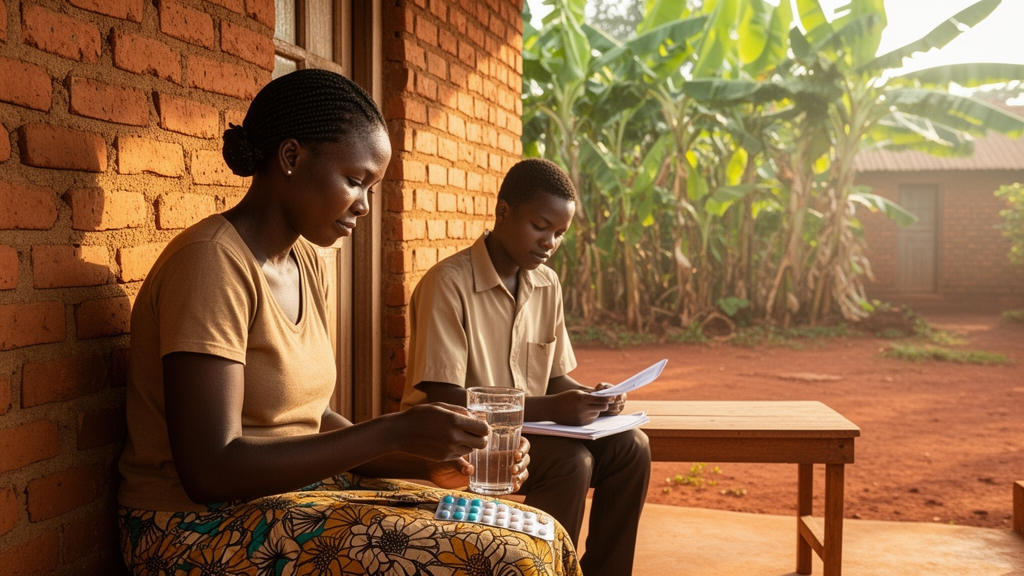
Overall supplement consumption was reported by seventy-seven point three percent of the seventy-five participants, demonstrating that dietary supplementation represents an exceptionally widespread self-management strategy within this patient demographic. The investigation distinguished between two principal product classes: micronutrient formulations, comprising vitamins and minerals, and botanical supplements, encompassing plant-derived compounds as well as melatonin, which was classified under botanicals to preserve structural consistency with prior survey instruments. Micronutrient supplements were consumed by sixty-six point seven percent of participants, botanical supplements were utilized by forty-six point seven percent, and thirty-eight point seven percent consumed products from both categories simultaneously. Poly-supplementation was highly prevalent across the cohort: forty percent of participants reported using between one and four individual supplements, twenty-four percent consumed five to eight supplements, and thirteen point three percent took between nine and fifteen distinct preparations.
Among specific botanical preparations, the most frequently reported was melatonin, consumed by seventeen point three percent of the sample, followed by Asian mushroom extracts such as lion’s mane at fourteen point seven percent, and turmeric or curcumin at thirteen point three percent. Evening primrose oil and collagen were each taken by nine point three percent, ashwagandha by eight percent, and tart cherry and sage by five point three percent each. Within the vitamin and mineral category, magnesium was the most common agent, reported by fifty point seven percent of participants, followed closely by vitamin D at forty-five point three percent and calcium at forty percent. Omega-3 fish oils containing only eicosapentaenoic acid and docosahexaenoic acid were used by twenty-one point three percent, general fish oil blends by sixteen percent, standard multivitamins by sixteen percent, and oral probiotics by sixteen percent, while specific B-complex vitamins, zinc, and iron were taken by smaller subsets.
Motivations for taking supplements corresponded directly to specific physical and psychological complaints, although patient ratings reflected subjective perceived effectiveness rather than validated clinical improvements. Micronutrients were largely taken for physiological maintenance: calcium and vitamin D were predominantly selected for bone health support, magnesium was targeted toward sleep enhancement and musculoskeletal aches, and omega-3 oils and B vitamins were taken for perceived cognitive and general well-being. Botanical products were chosen to mitigate subjective neurocognitive, emotional, and menopausal distress, including ashwagandha for anxiety, Asian mushrooms for cognitive performance and immunity, and tart cherry for joint discomfort. When evaluating perceived efficacy, thirty point three percent of vitamin and mineral users rated their supplements as very effective, while nine point seven percent deemed them not effective at all. Among botanical users, twenty point five percent regarded their supplements as very effective, whereas fifteen percent evaluated them as entirely ineffective in relieving menopausal symptoms.
A marked divergence emerged regarding where survivors obtained information about different supplement categories. For vitamins and minerals, primary medical consultants and general practitioners served as the leading source of guidance, cited by thirty-five point one percent of users, followed by digital platforms including the internet and social media at eighteen point five percent, and other allied healthcare professionals at fifteen point three percent. Specifically, seventy-three point three percent of calcium users and sixty-five point seven percent of vitamin D users received recommendations directly from their medical physicians, reflecting standard oncology protocols regarding bone density preservation during adjuvant endocrine therapy. Conversely, digital channels predominated for botanical products: forty point five percent of botanical consumers identified the internet and social media as their primary information source, whereas oncology consultants and general practitioners were cited by only twelve point two percent. Remarkably, registered dietitians were almost entirely absent from patient decision-making, cited by merely two point three percent of vitamin users and ten percent of turmeric users.
Despite the high prevalence of complex supplementation regimens, only fifty-three point three percent of participants reported disclosing their supplement use to their attending medical teams. Qualitative thematic analysis of open-ended survey narratives revealed four major themes driving communication and four themes underlying non-disclosure. Disclosing survivors were motivated by concerns regarding biological safety and adverse interactions with active adjuvant cancer treatments, a desire to obtain clinical validation for holistic symptom relief, professional trust in clinician oversight, and a commitment to personal autonomy while maintaining transparent medical charts. Conversely, participants who withheld information cited perceptions that supplements lacked clinical relevance, anticipated physician skepticism or dismissive attitudes, experienced severe appointment time constraints where consultations focused exclusively on oncological recurrence, or relied entirely on independent literature reviews, with one participant emphasizing that personal scientific training led to self-directed decision-making.
The widespread use of botanical preparations without medical oversight raises substantial clinical safety considerations, particularly given the high proportion of survivors concurrently receiving endocrine pharmacotherapy. Twenty-six point seven percent of participants collectively consumed five botanical agents—specifically ashwagandha, ginseng, maca root, slippery elm bark, and turmeric or curcumin—that possess documented or theoretical pharmacokinetic interactions with adjuvant endocrine therapies such as aromatase inhibitors and tamoxifen. Furthermore, regulatory bodies including the European Commission have formally identified substances such as ashwagandha, maca root, and turmeric as compounds of potential public health concern regarding toxicological risks. Although the current survey was not designed to evaluate clinical interaction endpoints or adverse physical events directly, published pharmacological literature highlights that unmonitored herbal ingestion can alter hepatic enzymatic metabolism and compromise cancer therapy efficacy, demonstrating that high formal education does not guarantee awareness of herb-drug interactions.
The study authors emphasized several critical methodological limitations that contextualize their empirical observations. Because the study utilized a descriptive cross-sectional design, temporal sequences cannot be established, meaning researchers cannot determine whether symptom severity directly triggered supplement initiation or whether supplement use fluctuated over time. Furthermore, the reliance on an anonymous online convenience sample drawn through cancer support networks may have introduced self-selection bias, over-representing digitally literate, highly educated individuals who are already proactive in self-management. The survey cohort was also relatively small, comprised predominantly breast cancer survivors, and relied entirely on subjective participant recall and self-reported menopausal definitions without objective clinical verification or formal psychometric instrument validation. Consequently, the authors conclude that routine, non-judgmental clinician inquiry must be systematically integrated into survivorship care pathways to identify supplement use, prevent adverse pharmacokinetic interactions, and support informed shared decision-making.
Subject of Research: Dietary and botanical supplement use and disclosure patterns among cancer survivors experiencing iatrogenic menopause
Article Title: Alleviating menopausal symptoms? The prevalence, perceived effectiveness and information source of dietary and botanical supplements among predominantly breast cancer survivors experiencing iatrogenic menopause
Article References: Johnston, K. E., O'Connell, K., & Cushen, S. J. (2026). Alleviating menopausal symptoms? The prevalence, perceived effectiveness and information source of dietary and botanical supplements among predominantly breast cancer survivors experiencing iatrogenic menopause. Clinical Nutrition Open Science, 70, Article 100726. https://doi.org/10.1016/j.nutos.2026.100726
Image Credits: AI Generated
DOI: 10.1016/j.nutos.2026.100726
Keywords: iatrogenic menopause, cancer survivorship, breast cancer, dietary supplements, botanical supplements, endocrine therapy, clinical communication, supplement disclosure, melatonin, magnesium, vitamin D, calcium, herbal interactions, symptom self-management, vasomotor symptoms, oncology care, qualitative thematic analysis















 English (US) ·
 French (CA) ·