

 2 months ago
75
2 months ago
75
PROTECT YOUR DNA WITH QUANTUM TECHNOLOGY
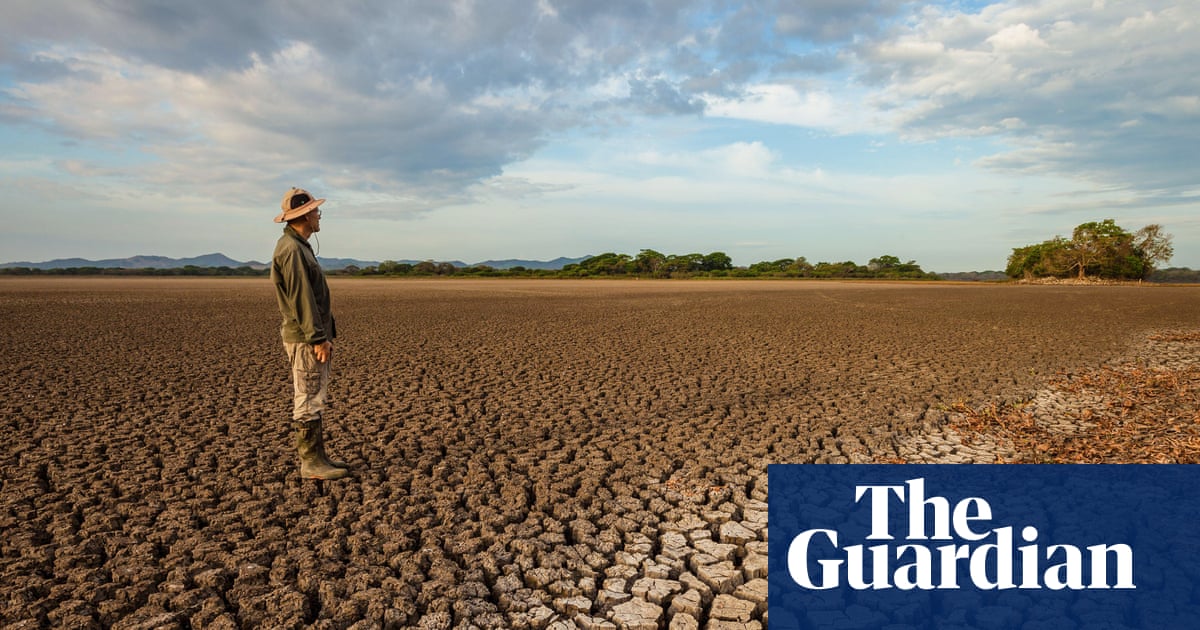
Orgo-Life the new way to the future Advertising by AdpathwayExtreme heat supercharged by the climate crisis is sucking Europe dry in summer and intensifying the drought hitting the continent, a scientific analysis has found.
Record-breaking heatwaves meant the hot atmosphere strongly evaporated water from rivers, lakes, soils and plants – conditions made 80 times more likely by global heating in western Europe and 40 times more likely in eastern Europe, the study showed. The level of soil dryness in the west was made five times more likely by the pollution from fossil fuels in the west, and 11 times more likely in the east.
Droughts have usually been linked to low rainfall, but western Europe’s most recent winter was a wet one. The scientists said the climate crisis was redefining drought in Europe, with high temperatures the key factor this summer. Today’s drought in western Europe is classified as “extreme” but would have been “moderate” in the world before the climate crisis, according to the analysis.
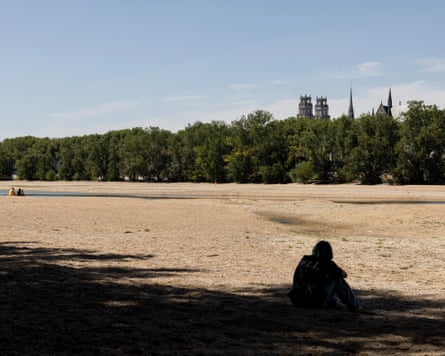
The drought was assessed until the end of June, early in the summer, but is already having major impacts. Many countries have implemented emergency restrictions on water use, with most parts of southern England now under a hosepipe ban.
Deadly wildfires have raged through Spain and France and farmers have been hit hard, facing some of the driest soils on record. About 9m tonnes of grain are expected to be lost across Europe, with the worst maize harvest in 50 years expected in France, and Romanian farmers losing over a million hectares of crops.
Rivers are running low across Europe, cutting the generation of clean hydropower and restricting cargo ships. The Rhine at Lobith in the Netherlands is now lower than the minimum level seen in the hot summer of 1976. The scientists warned that this disruption could push up the price of food and energy, hitting low-income households hardest.
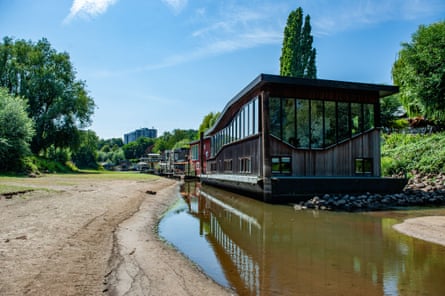
The researchers said the link between the human-caused climate crisis and the drying of European summers was strong. “We now see an enhanced tendency for unusual soil drying already in spring, before summer has even begun,” said Dr Dominik Schumacher, at ETH Zurich. “That is our own doing: as temperatures climb, the atmosphere’s thirst increases quickly, sucking moisture out of rivers, lakes, reservoirs and the soil. If you have increasingly hot air, it will suck the soils dry.”
The 2026 drought had arrived two months earlier than one that struck in 2022, he added. This year has also seen particularly dangerous wildfire conditions in western Europe. Schumacher said: “Conditions starting off fairly wet and then transitioning to very, very dry are the prime ingredients for an extreme fire season, because more vegetation can grow and then burn later on.”
Dr Mariam Zachariah, at Imperial College London and also part of the study team, said: “What’s most alarming is that these conditions are occurring at 1.4C of warming. If global emissions push temperatures up to 2.8C as predicted, these intense evaporative conditions could double in likelihood. Without rapid, aggressive emissions cuts, Europe is heading for a future where these scorching, dry summers happen time and time again.”
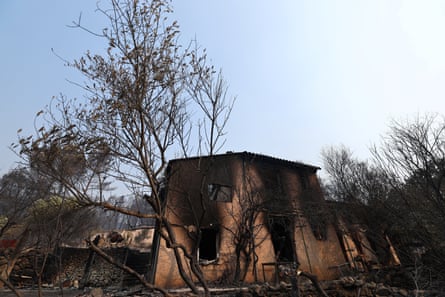
The UN climate chief, Simon Stiell, said: “Worsening droughts are an unignorable red alert that our planet is overheating. Until humanity stops burning huge amounts of coal, oil and gas, these brutal climate-driven droughts will only get more severe and more costly for households and whole economies alike. But the solutions are just as clear: move much faster to renewable energy.”
The analysis by the World Weather Attribution (WWA) consortium of scientists used peer-reviewed methods to assess the drought in western Europe, including England, France, Spain, Portugal and Italy, from April to June. Eastern Europe has been suffering lower rainfall for a year so this analysis, spanning 15 nations from Belgium to Estonia, covered the last 12 months.
after newsletter promotion
The researchers used weather observation and climate models to compare the drought conditions in today’s super-heated world with those in a world without the 1.4C of global heating. “In both study regions, human-induced climate change was found to have made the 2026 drought more severe,” they concluded.
The heatwave at the end of June was the worst on record for Europe and would have been impossible without the climate crisis, a previous WWA study found. About 20,000 Europeans are estimated to have died due to the high temperatures, including about 2,200 in England and Wales. A separate study published on Thursday estimated that the lost working hours due to the high temperatures in the UK alone cost the economy more than £1bn.
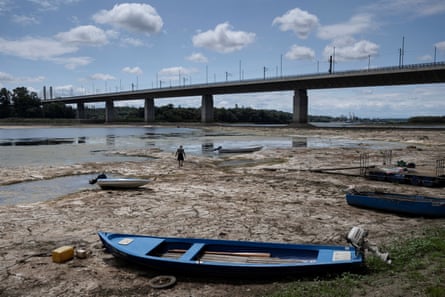
Tom Lancaster, at the UK’s Energy and Climate Intelligence Unit, said: “The heatwaves this summer have been a shocking reminder that climate change is a problem for now, not for the future. And it is hitting the very foundations of our way of life, none more fundamental than access to secure, safe supplies of water for drinking and growing food.”
Helen Wakeham, the chair of England’s National Drought Group, said: “Dry weather depletes our water, while the hot conditions mean we use more of it. This is a difficult combination.”
-
The Guardian’s climate forum 2026: On Tuesday 20 October, join Damian Carrington, and our panel of experts – including Professor Andy Haines, Katie White MP, Asad Rehman, Shruti Suresh, Gareth Thomas and Amy Fairman for a hopeful and solutions-focused evening. Book tickets here or at guardian.live
















 English (US) ·
  French (CA) ·