

 18 hours ago
15
18 hours ago
15
PROTECT YOUR DNA WITH QUANTUM TECHNOLOGY
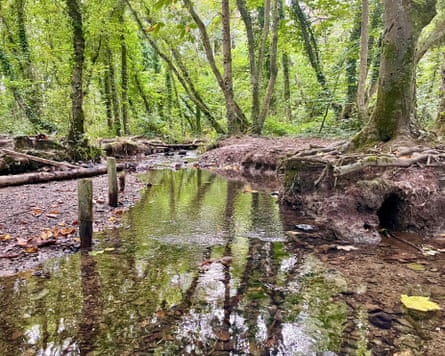
Orgo-Life the new way to the future Advertising by AdpathwayA grey wagtail flits at the stream’s edge, its flaxen underbelly matching the woodland’s autumn swatch. A few months ago, this bird may have struggled to catch a midge or water snail here, after the streambed nearly ran dry. Sitting by the water now, it’s easy to forget the damage this area suffered this year. But the land remembers.
Many months on from Storm Goretti, the entrance to these woods is still a battlefield of fallen trees, Scots pines and ageing oaks torn ungainly from the ground. Just over a mile away, a gorse break is still scarred from a late-summer wildfire that blackened the coastline. I stopped by the other day; the western gorse should have been blooming, delicate coconut notes luring in late pollinators. Instead, their petrified remains jutted lifelessly out towards the sea.
The common denominator in all this is the climate crisis, and yet, in our severely nature-depleted country, the natural world itself can help minimise the damage, if we give it half a chance.
Just over the border in Devon, the Dartmoor Headwaters Project has shown how native woodland increases water infiltration compared with nearby grazed pasture, and how restoring peatland can improve water storage; both have helped to slow runoff during heavy rainfall. At Woodland Valley Farm, near Truro, the introduction of beavers has also helped with water storage and absorption into the floodplain.
Farther north, in Tywi Forest, up in the Cambrian mountains, rewetted peatlands have proved resilient to fires, thanks in part to sphagnum moss. And the mix of hazel and sweet chestnut canopies rustling above me, in high heat, will offer just the sort of cover that cools the air, provided we preserve and plant them.
All this just scratches the surface of what can be done. Looking at this stream now, I wonder what the future holds. One intense winter storm could bring yet more damage, and next summer the threat of wildfires will arrive once more. We know it’s coming, but while we cannot control the weather, we can influence how the land copes with it.
The grey wagtail disappears, leaving the stream to purl steadily on.














 English (US) ·
  French (CA) ·