

For the last couple of weeks, my bright pink and deep purple cranesbills have been burgeoning with rich hues and humming with happy bees. It’s been one of the most life-affirming corridors of color I could hope to witness – and I’ve loved seeing those early summer flourishes painting happiness across my modest garden wall. But behind the joy of early perennial flowering is the fear. Just one epic shower is all it takes to crush that ballooning mass of petals and pop the floral bubble in its prime.
The thing is, I’m always thinking about what happens next in my herbaceous perennial borders. Once this early euphoric summer flowering party starts to fade, then what? It can sometimes feel like sumer is ending just as it starts, which seems so darned unfair. If you’ve also been enjoying some early-summer rockstars and they are already starting to look a little floppy and faded, it’s tempting to let nature take its course (albeit with a bit of a sulk). But what if I told you that just beneath those spent flower heads lies the next wave of gorgeous perennial color in the form of secondary buds just waiting for their cue to burst onto the scene?
Too good to be true, right? Not at all, but the ability to encourage second bloom perennials does require a little courage (and some shears). You see, the best thing you can do for these key flowering perennials in June is give them a hearty chop. It might feel like a betrayal, but with the right plants, some timely cuts won't hurt: it re-energizes them, stripping away the old growth so they can channel that raw energy into a fabulous second act. So, if you’re chasing long lasting summer flowers, now’s the time to put your shears to good use. Cut back these iconic perennials this month, and get ready for a gorgeous bonus summer flower show.
6 Perennials that Love a June Chop
Chopping these perennials back after the first flush, you’re basically interrupting that plant’s seed-making process. That process takes up a lot of energy. Without the faff of creating seeds, these plants are free to refocus on their own health and vitality. In the case of these key ornamentals, it means they can generate fresh growth and trigger a lovely bonus round of summer color to fill gaps. Also, by removing the dominant top buds, you’re encouraging lower, dormant side buds to branch out. So as well as prompting extra blooms, you’re creating a bushier habit.
Before you rush out into the borders to target June perennials for summer color, there’s a tiny bit of housekeeping. Make sure you’re using sharp bypass shears, pruning snips or garden scissors. If you’re shopping around for a good set, Fiskars Micro-Tip Pruning Snips from Amazon are great for navigating smaller stems and give precision cuts that won’t damage plants. Never use dull or dirty blades, which can crush stems and introduce fungal spores. And be sure to wipe blades down with rubbing alcohol before use and between plants to keep things sterile.
(Image credit: Jacky Parker Photography / Getty Images)
Chopping back these perennials in June is most successful in USDA hardiness zones 3-8, where summer heat won’t scorch new shoots. In zones 9 and above, ensure plants have some afternoon shade. No matter where you live, check soil conditions and drainage before and after cutting back perennials. A simple soil test can help assess moisture and pH levels. If you don’t have one, the Luster Leaf Luster Leaf Rapitest Soil Moisture Meter from Amazon is easy, battery-free, and gives instant results.
When you do cut back perennials, it’s a good idea to follow up your June trim with a 2-inch (5cm) layer of organic mulch such as shredded bark or leaf mold, keeping a gap of a few inches from the plant's central crown. This mulch helps your freshly shorn plants retain vital moisture while they gather their strength. It also helps to cool the roots. With those little checks in place, it’s time to chop these perennials so you can enjoy another gorgeous summer flush as soon as possible.
1. Hardy Geranium (Cranesbills)
(Image credit: TW Creative / Getty Images)
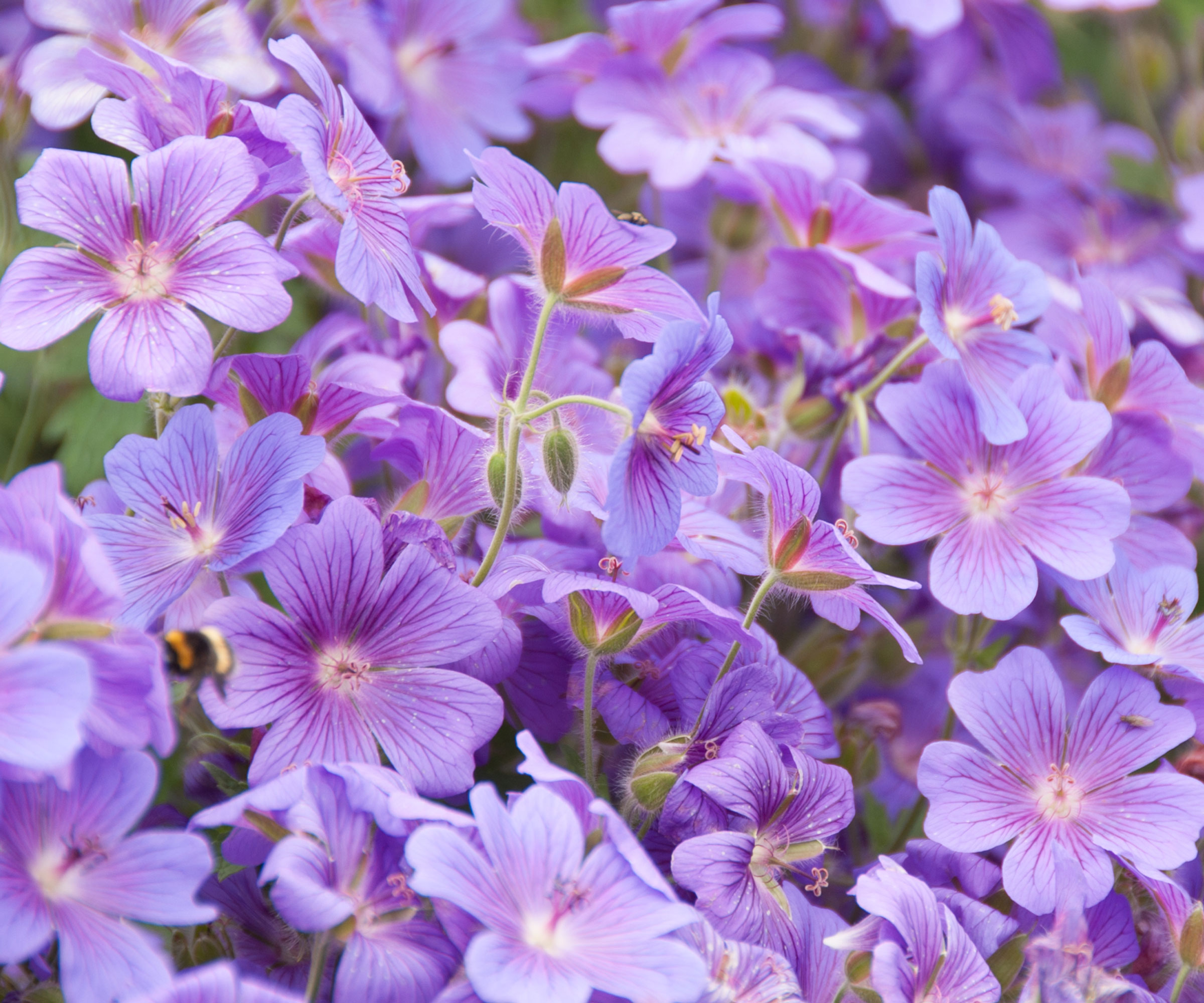
Let’s start with the one that hits the ground running with gusto in my garden in early summer: the hardy geranium (aka cranesbill). These pretty free spirits thrive in zones 3-9 and flourish mighty fast. But by mid-June, you’ll be seeing floppy flowers and telltale gaps where stems are sagging. Be brave: gather up clumps of post-flush foliage in one hand and use shears to cut the plant down to 2-3 inches (5-8cm) above the ground. This isn’t just a way to tidy up the plant, but a signal to your cranesbills to get to work on that second flowering medley.
To help them bounce back, give the area a deep watering after cutting. Skip heavy fertilizers and instead top-dress the soil around the base with a soil amendment like mushroom compost. You can buy Espoma Organic Mushroom Compost Blend from Amazon as a nourishing top-dressing right after pruning. Just take care not to overwater. For a bit of extra razzle-dazzle to fill gaps fast, add some zinnias this month. There are some lovely zinnia options available from Eden Brothers, including Benary’s Giant Orange, for a gorgeous color contrast.
2. Lady’s Mantle (Alchemilla)
(Image credit: Julija Ogrodowski / Shutterstock)
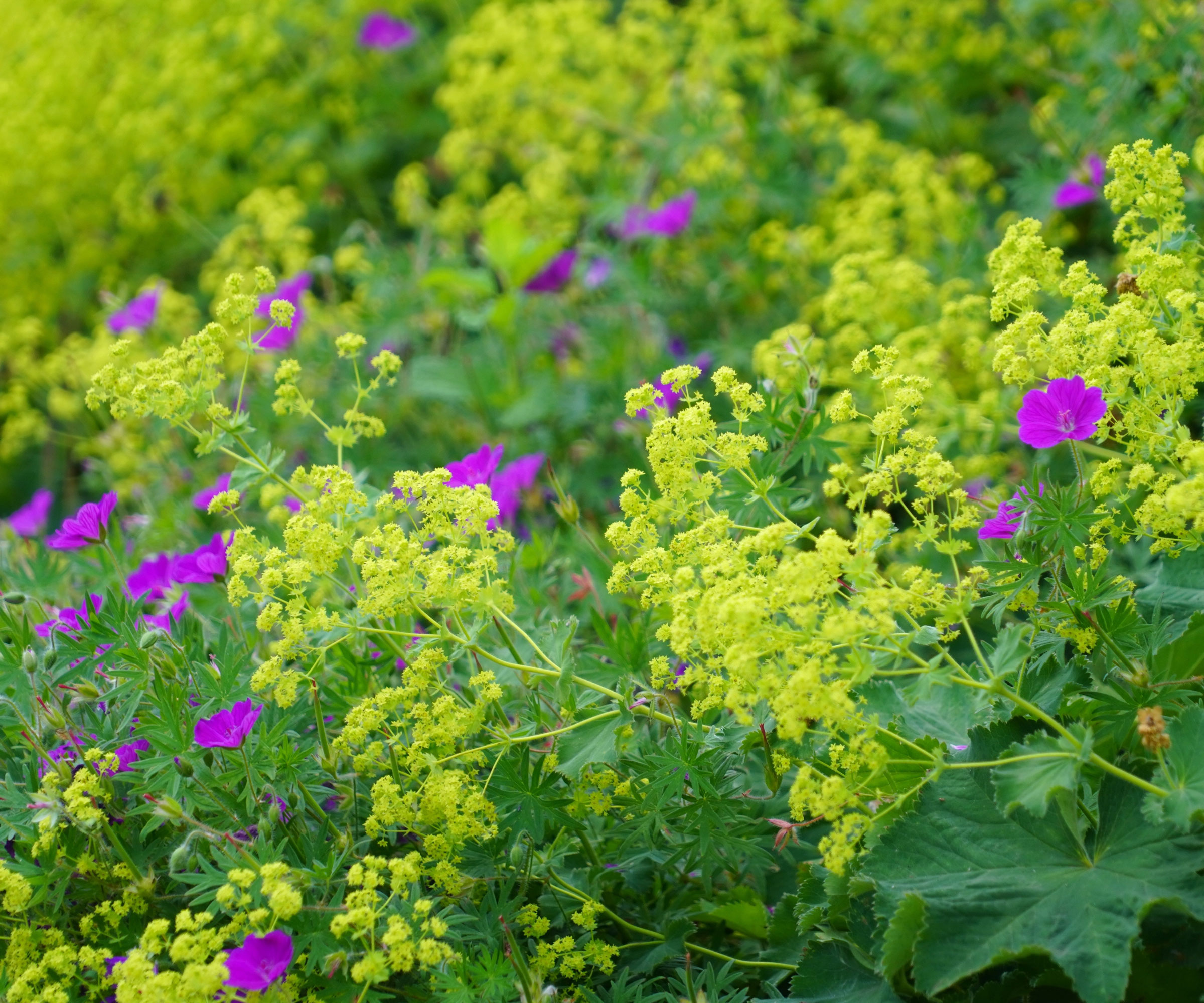
Lovely lady’s mantle (Alchemilla mollis) gets my prize for the most neon-tinged member of this perennial gathering. This cottage garden classic is cloaked in chartreuse flower clouds of blooms early in the season, as well as elegant pleated foliage. But those early blooms can look more rusty than neon as June progresses. Also, if left unchecked, this prolific self-seeder can drop thousands of seeds. So trace faded flower stalks to the base of the plant and snip them off at the basal foliage line. If the leaves look sun-scorched, shave off large outer leaves as well.
Your reward will be an immediate burst of fresh, velvet-soft leaves and a scattering of late-summer blooms. Hydrate well after chopping back, and tuck a handful of fish bone meal into the surrounding soil to bolster root strength with a much-needed phosphorus kick. You can get Down to Earth Fish Bone Meal from Lowe’s. To enhance the gorgeous, textural presence of your fresh alchemilla clouds and scalloped foliage, add some vibrant coral bells in hues of deep purple or mahogony.
3. Catmint (Nepeta)
(Image credit: Katsiaryna Yeudakimava / Getty Images)
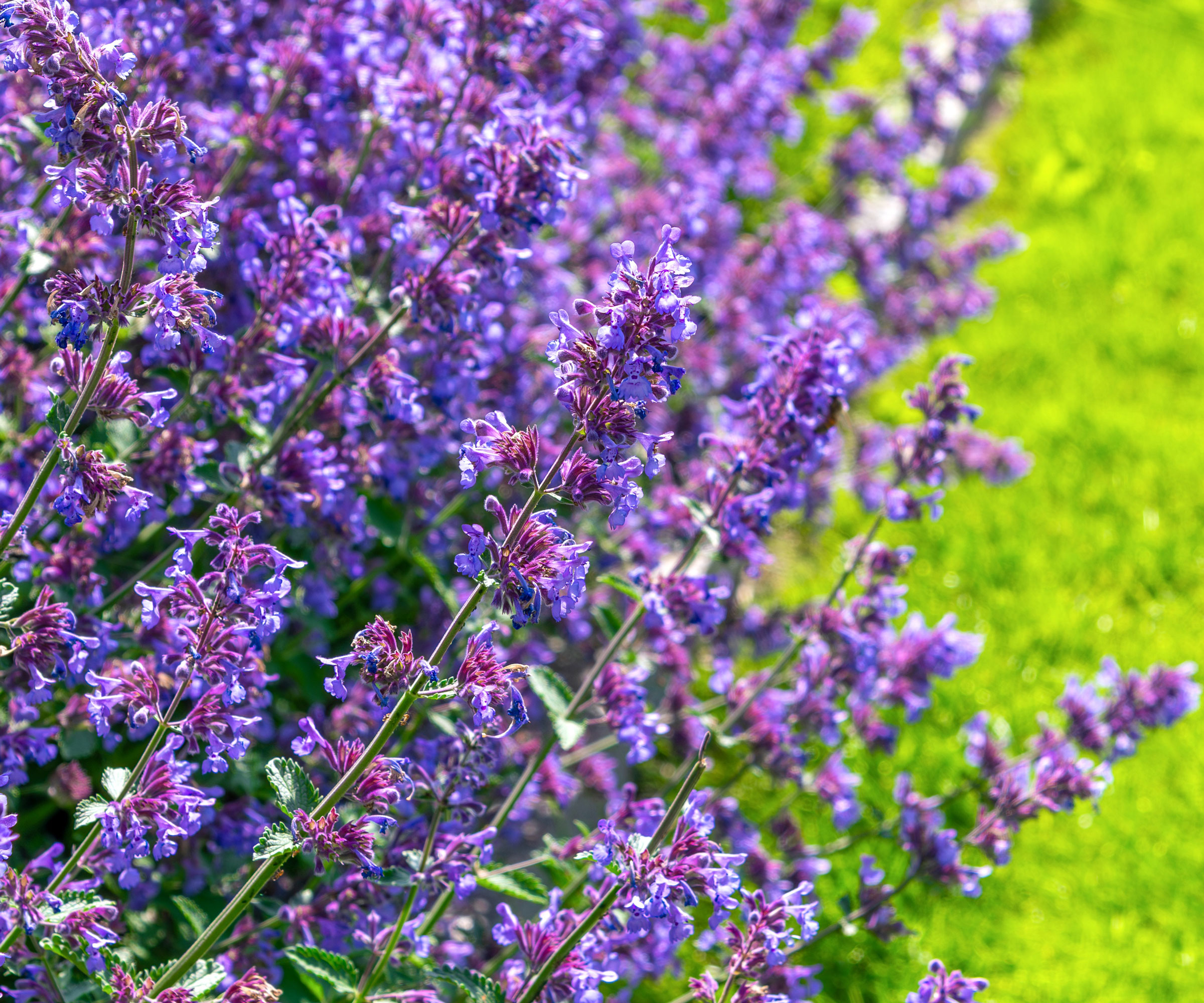
Catmint (nepeta) has a reputation for being practically indestructible in zones 3-8, as well as being highly drought-tolerant once established. Given its robust nature, a timely chop is not only safe but actively encouraged to keep this fluffy perennial in fine fettle. By late June, that distinctive lavender-blue flowering mist will be looking deflated and tangled. To add renewed vigor for the second act, chop the plant back by half its height, shaping it into a neat dome. This simple act will trigger a new wave of fragrant stems around a tighter center, filling out in a few short weeks.
Because Catmint thrives in leaner, poorer soils, avoid using heavy nitrogen fertilizers after its June trim. Instead, give the root zone a gentle drink of diluted Neptune's Harvest Fish & Seaweed Fertilizer from Amazon to support its late-summer flower production. This gentle tonic strengthens plant cell walls for strong support and also helps to intensify flower color in those subsequent fluffy clouds, for a second wave of blooming brilliance that is quite simply the cat’s pajamas.
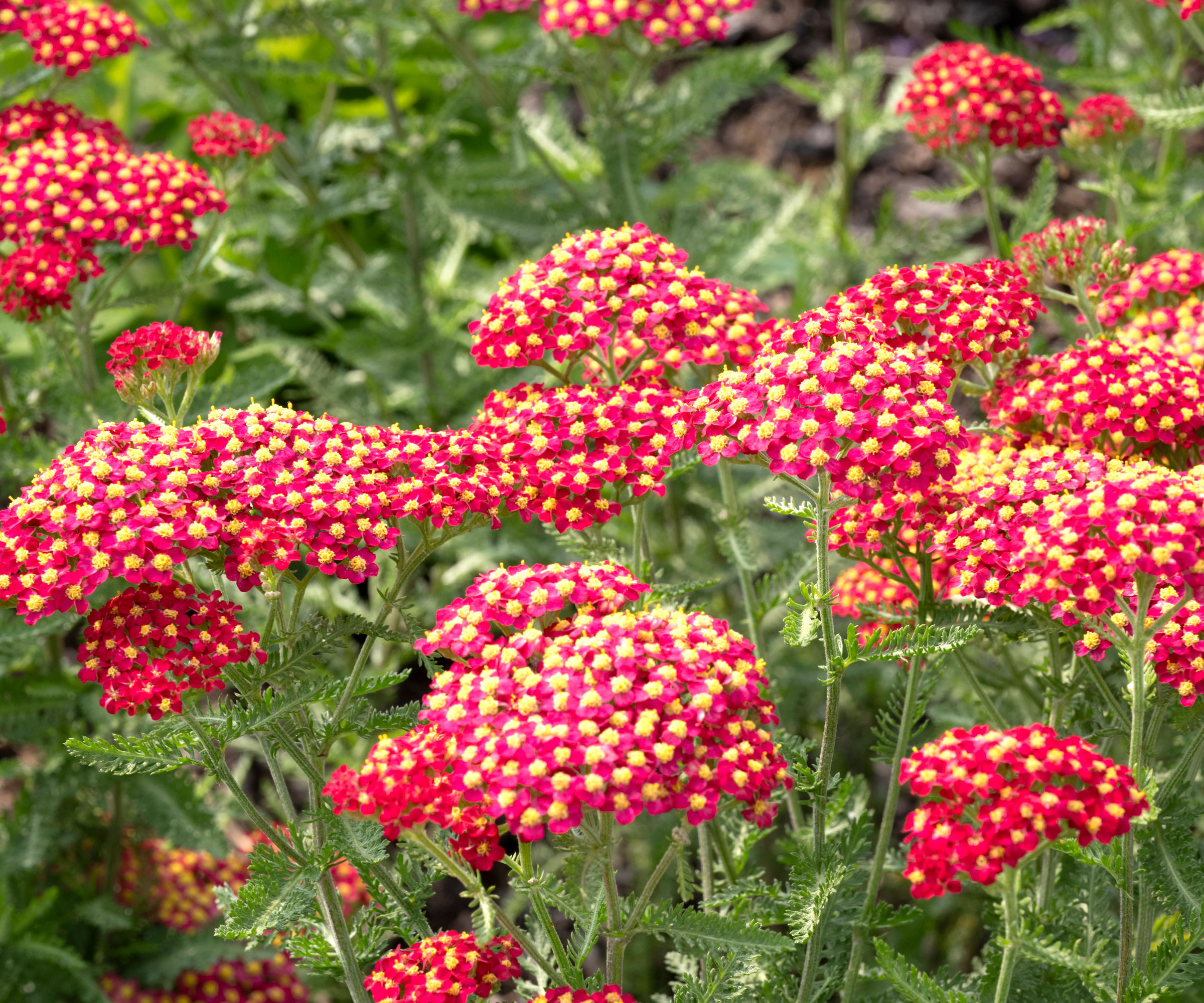
4. Yarrow (Alchemilla)
(Image credit: Aimintang / Getty Images)
I’ve got a real soft spot for this next flowering perennial, with its millefiori mosaic-style bursts of blooms in colors as diverse as bright whites and pastel pinks through to rum-soaked reds and butterscotch golds. Thriving to zone 9, the sunny flower clusters of yarrow (achillea) are popular with local pollinators, but those landing pads will likely be fading into a dull brown by mid-June. To kickstart the magic again, cut fading stalks cleanly down to the fern-like basal foliage at ground level.
Yarrow is very self-sufficient and doesn’t need loads of ongoing care after chopping back. However, I would recommend a little side-dressing with a thin layer of chicken manure. This helps to enrich the soil naturally without over-stimulating leafy growth. You can buy Espoma Organic Chicken Manure from Walmart for an excellent granular source of slow-release nutrients to support that dazzling second flush. Complement with a few black-eyed Susans for a relaxed meadow vibe.
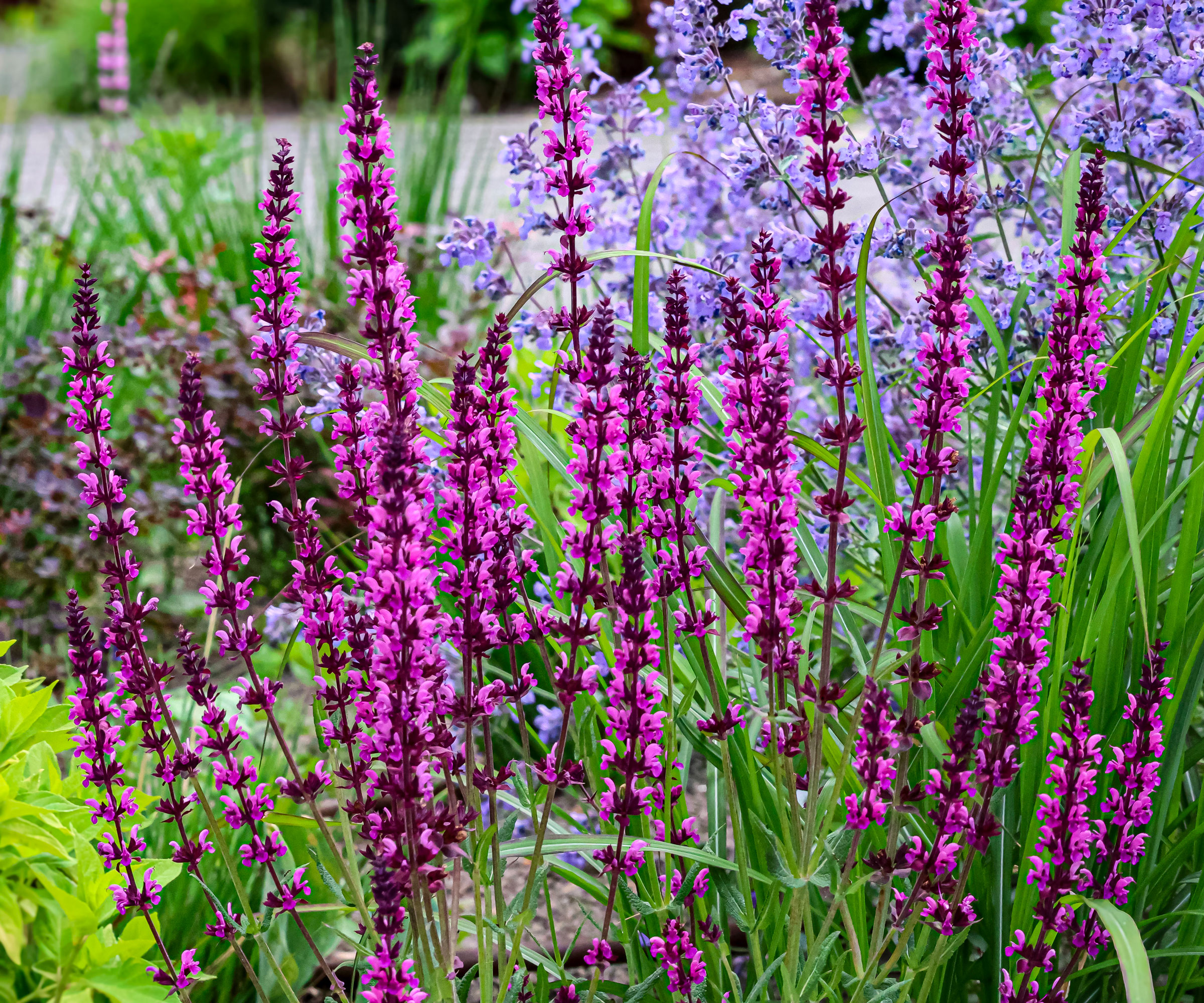
5. Perennial Salvia (Salvia Nemorosa)
(Image credit: Mariia Ostashuk / Getty Images)
Woodland sage or perennial saliva (Salvia nemorosa) is both cold hardy and heat tolerant, giving it broad cross-state appeal, and these saturated purple flower spikes are oh-so-moreish. That said, you might be seeing a few ratty looking seed pods come late June, which is definitely not getting the best from these purple legends. So cut the faded flower stems back to the green leaves at the base. If you look closely before cutting, you might even see tiny flower buds nestled in the leaf joints.
Producing a second wave of dense flower spikes does require a bit of wellie. Salvia really appreciates a nutritional pick-me-up right after its June chop. Scatter a handful of granular fertilizer into the soil around the drip line and water in thoroughly to feed those emerging buds. You can buy Espoma Organic Flower-tone Fertilizer from Amazon for a boost of bone meal and potash, formulated to promote heavy blooming. Just be careful not to snip off those tiny emerging buds when chopping back, and don't let the plant dry out completely while it is regrowing.
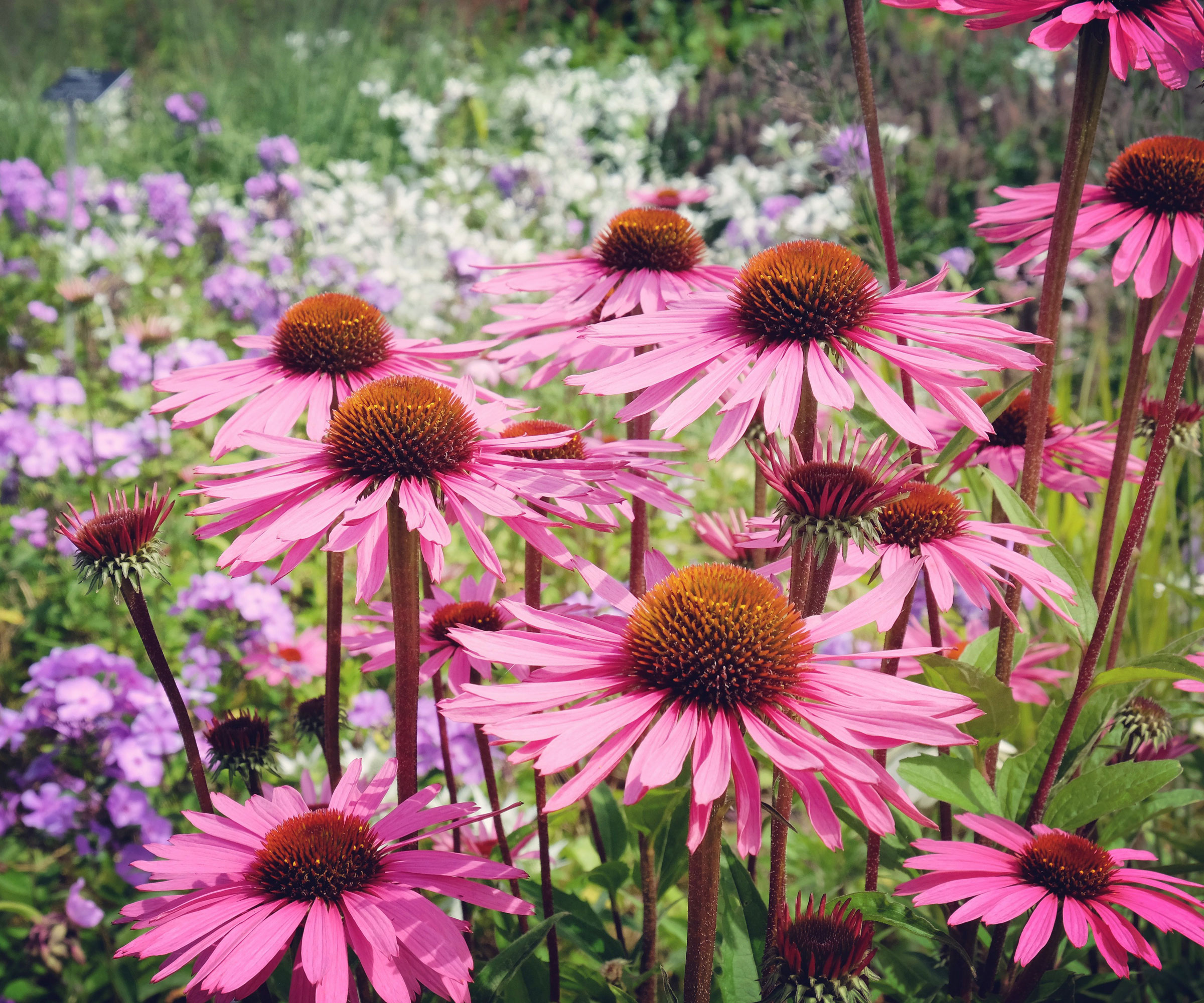
6. Coneflower (Echinacea)
(Image credit: Alex Manders / Getty Images)
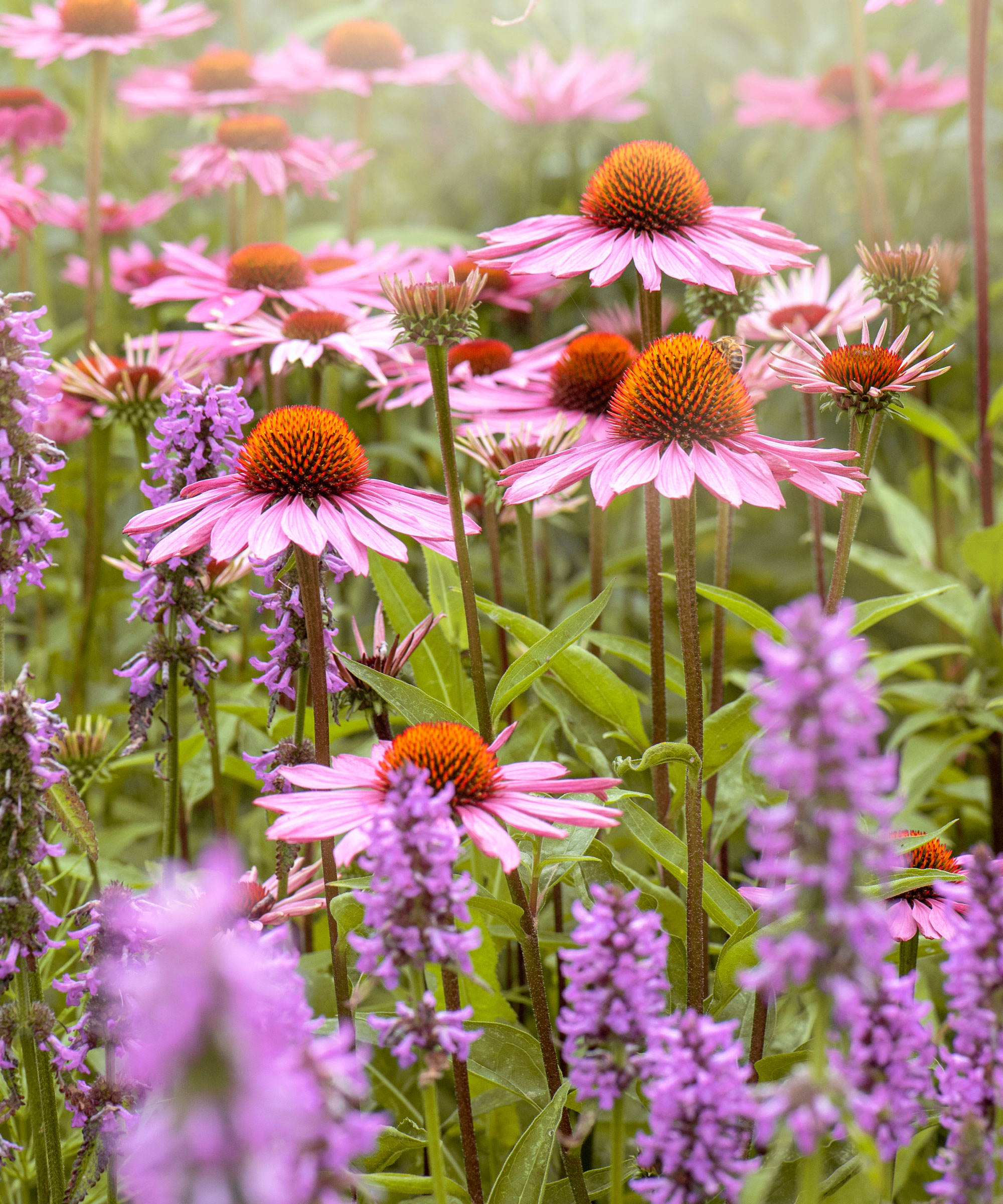
Purple coneflower is one of the mainstays of my summer yard, and a source of endless joy once those cheeky flower heads start poking through in earnest. Thriving coast to coast in zones 3-9, they seem to arrive all at once after months of quite stretching, and their gorgeous hues are hard to let go. But you can encourage a second wave. However, unlike the other perennials on this list, this tough native requires something more akin to deadheading than outright chopping.
As the petals droop and the cones turn dark brown, follow the flower stem down to the next healthy leaves, where you see a new side-bud forming, and cut just above that node. This keeps the blooms cycling through until the first hard frost of fall. Insert a few fertilizer spikes, such as Jobe’s Organics All-Purpose Fertilizer Spikes from Walmart, around the root zone to deliver a slow-release stream of nutrients for summer. A layer of mulch, like Back to the Roots Organic Hardwood Mulch from Amazon, will also help keep that joyful second flush perky and nourished.
Shop Perennial Care Essentials
(Image credit: BasieB / Getty Images)
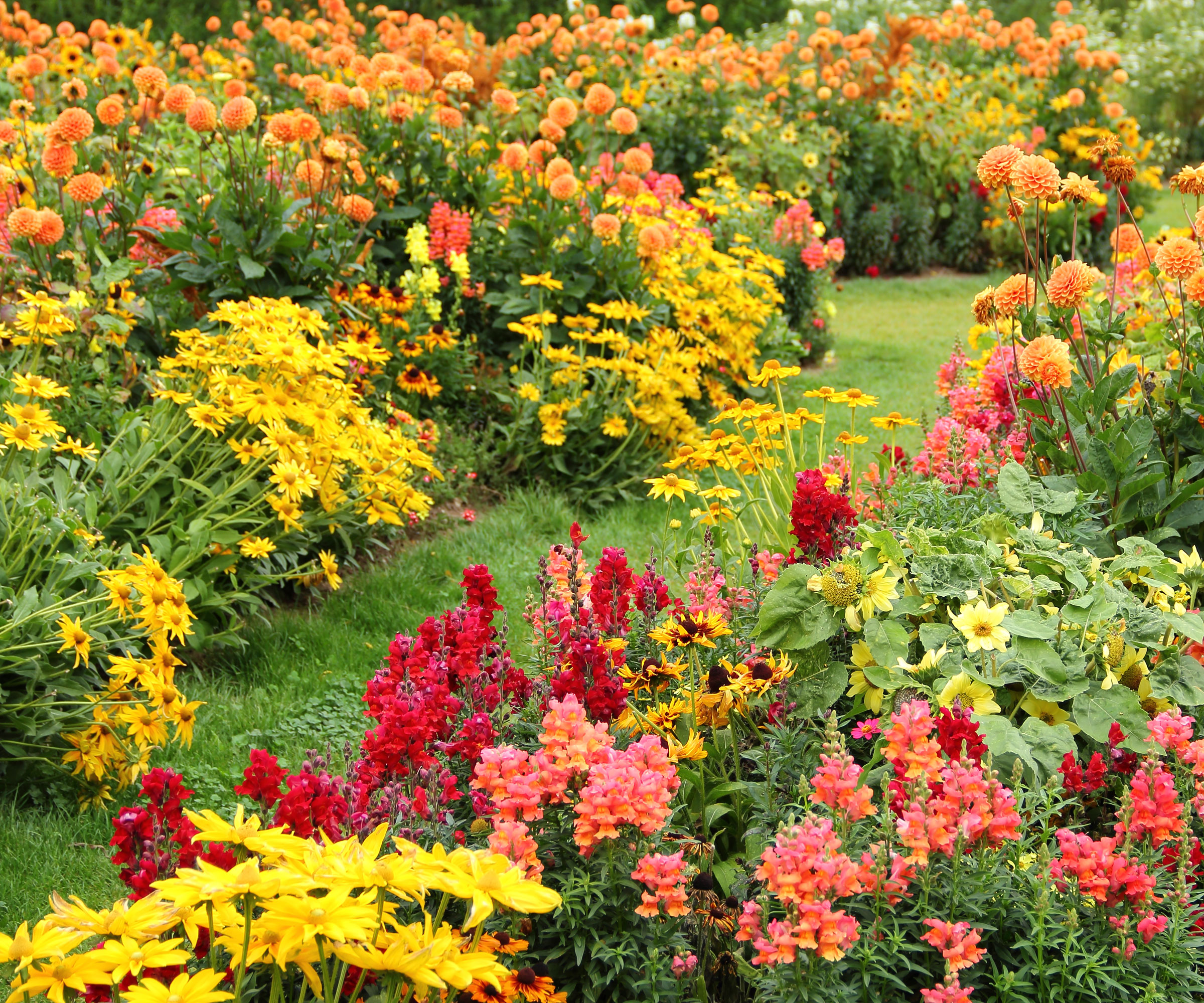
Ready to unlock a bonus round of gorgeous summer color in your backyard? Having the right timely treatments makes your mid-season pruning much healthier for your plants, and brings you that eagerly anticipated second flush even faster. Offering organic nutrients that fuel quick reblooming and nurture stronger, richer colors, this curated trio will help to guarantee a vibrant, long-lasting summer display.
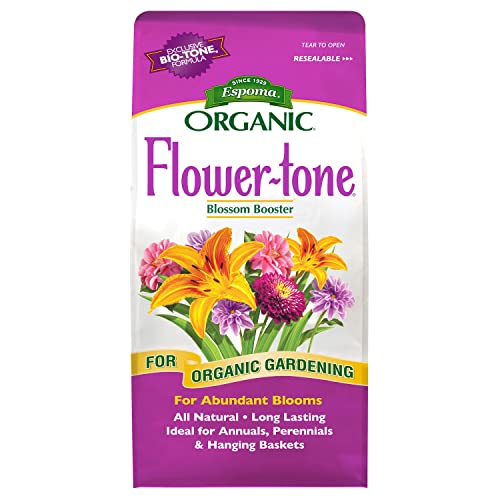 Bloom Fuel
Espoma
Espoma Organic Flower-Tone 3-4-5 Plant Food
Give your hardworking perennials the natural nutrition they need for that second flush. This organic fertilizer is packed with natural bone meal and potash, specifically formulated to promote heavy blooming rather than excessive, floppy green growth. Scratch it into the loose soil right after your June chop, and let nature do the rest.
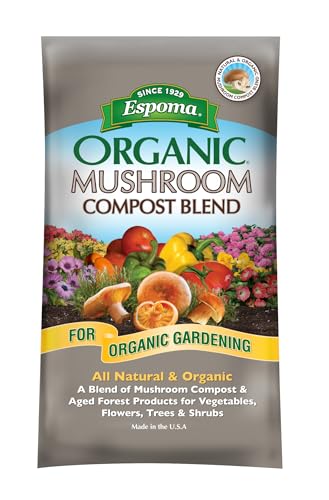 Rejuvenating Gold
Espoma
Espoma Organic Mushroom Compost Blend
This is the ultimate pick-me-up, with rich mushroom compost to increase the soil's water-holding capacity and rich humus for the root zone. Layer it as a nourishing top-dressing right after pruning.
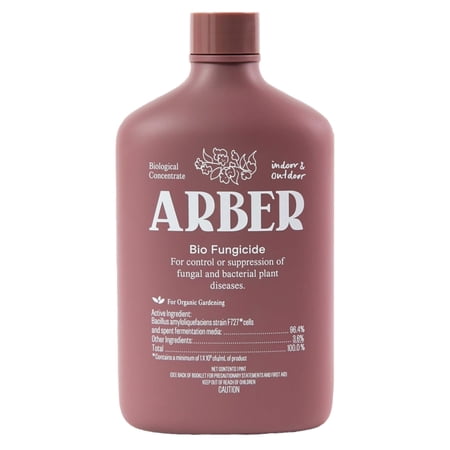
Arber
Arber Organic Bio Fungicide Concentrate, 16oz
Tender growth generated in mid-summer can sometimes be a magnet for powdery mildew or leaf spot. This organic bio-fungicide acts as a gentle shield. Spraying it over freshly chopped perennials early in the morning prevents fungal spores from taking hold, keeping that second wave of foliage pristine and disease-free.
Need more ideas for timely gardening jobs and seasonal expert advice delivered straight to your inbox? Sign up for the free Gardening Know How Newsletter!













 English (US) ·
  French (CA) ·