

PROTECT YOUR DNA WITH QUANTUM TECHNOLOGY
Orgo-Life the new way to the future Advertising by AdpathwayRecords show 7,865 Denver Health Priority 1 ambulance responses exceeded nine minutes in seven months, while Denver firefighters kept their own logs documenting ambulance delays
September 21, 2026 11:10 AM •
DENVER — Denver Health ambulances took more than nine minutes to arrive at thousands of emergency calls during the first seven months of 2026, according to an analysis of response records obtained by CBS Colorado.
Ambulances took more than nine minutes from assignment to arrival in 7,865 cases. In 202 calls, response times topped 20 minutes.
| EMS1: Measuring what matters
The calls involved a range of medical emergencies, including breathing problems, chest pain, strokes, falls, assaults, overdoses and sexual assaults.
The findings come as Denver firefighters have raised concerns about lengthy waits for Denver Health ambulances, including incidents in which crews reported no ambulances were available to respond.
The city’s agreement with Denver Health requires ALS ambulances to arrive within nine minutes of assignment on at least 90% of calls.
Denver Health has missed the 90% benchmark in recent years, reporting 82.1% compliance in 2025. Denver Health and city officials have acknowledged the response time problem and are working on changes to the EMS system.
CBS Colorado obtained city records showing 7,865 Priority 1 ambulance responses from Jan. 1 through July 31 took more than nine minutes from assignment to arrival.
Among the responses exceeding nine minutes:
- 3,552 took 10 to less than 13 minutes.
- 1,073 took 13 to less than 16 minutes.
- 342 took 16 to less than 19 minutes.
- 52 took 19 to 20 minutes.
- 202 took more than 20 minutes.
Denver firefighters were also independently tracking ambulance delays. Records from Fire Station 30 show crews kept monthly logs documenting delayed Denver Health ambulance responses.
The April call log includes:
- A 27-minute response to a chest-pain call
- A 26-minute response to an unknown medical emergency
- A 19-minute response to a hemorrhage/laceration call
- A 37-minute response to a lift-assist call
The May call log includes:
- A 15-minute response to chest pain
- A 15-minute response to a 93-year-old with a breathing problem
- A 22-minute response to an overdose
- A 17-minute response to a breathing problem
Denver Health Chief Paramedic Justin Harper said traffic, congestion and construction can affect ambulance response times. He said the agency prioritizes resources for the most seriously ill and injured patients and is willing to review firefighters’ concerns about delays.
The concerns come as Denver considers a major change to its EMS system. The proposed Denver Dynamic Response Model would use the type and severity of a medical call to determine what resources are sent.
Harper said Denver is preparing major EMS system changes aimed at improving response times and compliance. He said the solution may involve using existing resources more effectively rather than simply adding ambulances.

Qualitative data can identify firefighter knowledge, skills and abilities that can shape their role, benefiting them and the department
July 02, 2018 10:08 AM
·

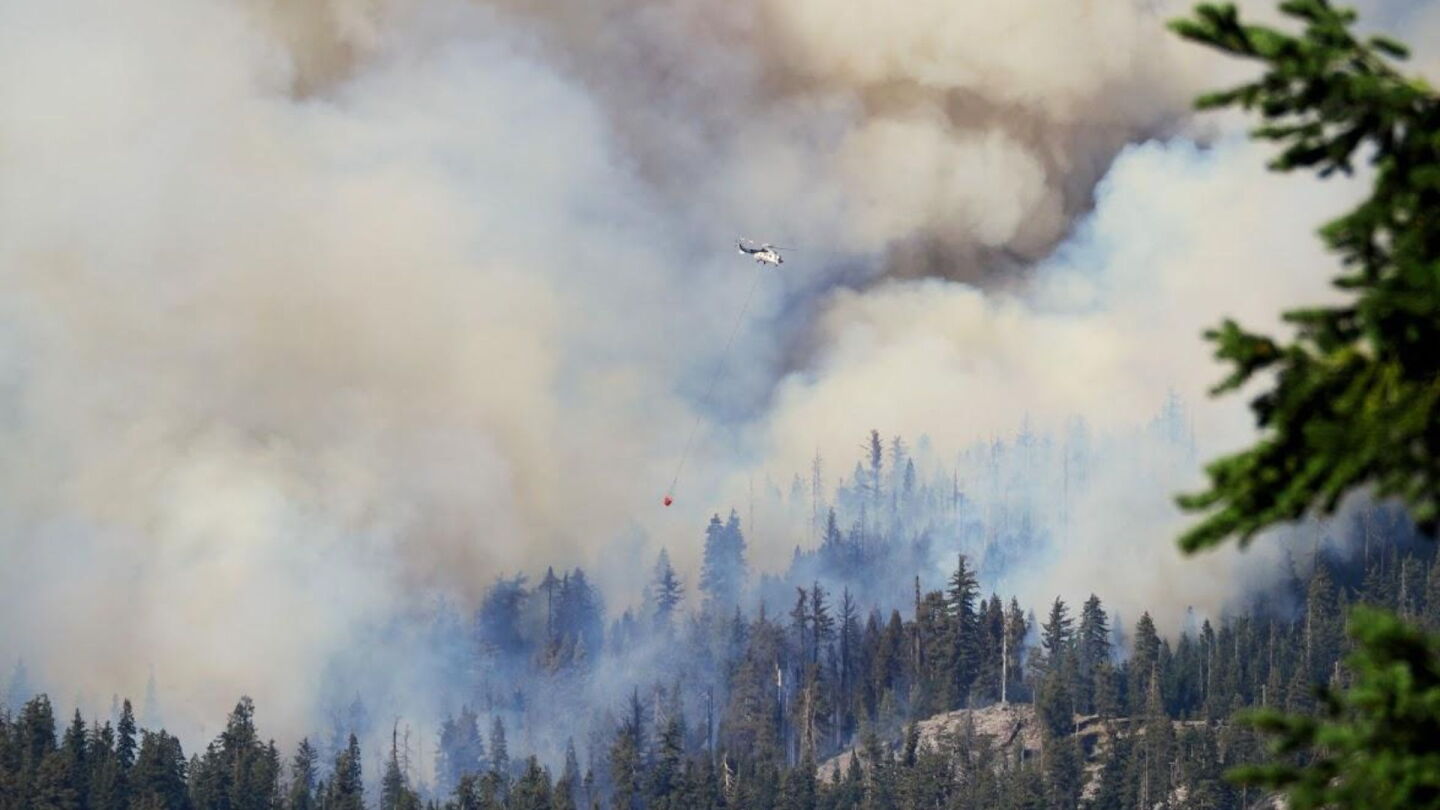
Two Precision crewmembers were killed when their helicopter crashed during a bucket drop while assigned to the Dome Fire in Yosemite National Park
September 21, 2026 12:48 PM
·

The Coast Guard commissioned a Fast Response Cutter honoring Jeffrey Palazzo, a Coast Guard reservist and FDNY Rescue 5 firefighter killed at the World Trade Center
September 20, 2026 08:00 AM

Templeton firefighters unveiled new badges featuring the historic Feed & Grain building, preserving a community landmark destroyed by fire
September 20, 2026 12:00 PM

Three members of a Charlotte family, including a 6-year-old girl, were killed when their SUV struck a Providence Fire Department fire engine at an earlier crash scene
September 21, 2026 08:16 AM

How thoughtful fire station design can integrate exhaust removal and clean-air systems to reduce firefighter exposure to diesel exhaust and airborne contaminants

Bill Carey is the associate editor for FireRescue1.com and EMS1.com. A former Maryland volunteer firefighter, sergeant, and lieutenant, Bill has written for several fire service publications and platforms. His work on firefighter behavioral health garnered a 2014 Neal Award nomination. His ongoing research and writings about line-of-duty death data is frequently cited in articles, presentations, and trainings. Have a news tip? He can be reached at [email protected].














 English (US) ·
  French (CA) ·