

Moles and voles can be confused because of the similarity of their names, but they aren’t similar animals. Unfortunately, for many gardeners though, they are both pesky little creatures that can create damage in the lawn and landscaping.
Luckily, identifying the animals digging holes and damaging plants is quite easy with these two. Moles are underground insectivores and voles are small rodents who do their work above ground. If you have ever walked through your yard and felt the ground suddenly give way under your foot, that is from a mole. Seeing narrow little tracks carved through your lawn or groundcover indicates voles.
Let’s dig in and see what differentiates moles and voles and what you can do to keep them at bay.
Moles
(Image credit: Natalia Kokhanova / Getty Images)
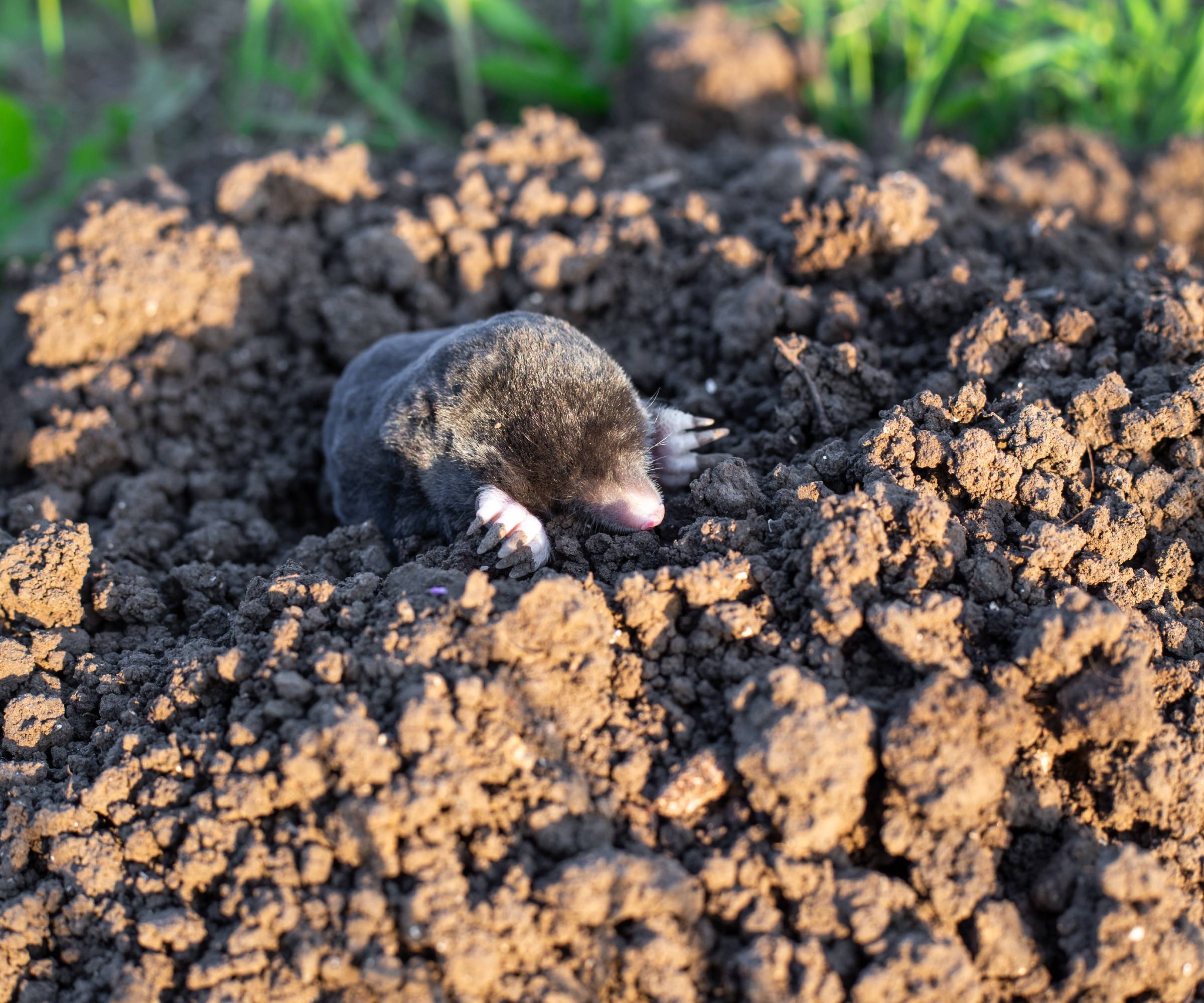
Moles are insect-eating mammals who burrow underground and can a mess of your lawn. Their tunnels are easy to roll an ankle in and their mole hills make for unsightly lumps of dirt all over the yard.
Moles are 6-8 inches (15.2-20.3 cm) long and have velvety gray fur. Their large front feet have claws that make digging a breeze, and they have very small eyes and ears. They love to eat earthworms, so even if your lawn is free of other bugs, moles can still be present. When the weather is hot, earthworms and other insects go deeper underground and the moles will follow them. This might make you think you have gotten rid of them, but then they pop up again as the weather cools!
There are some humane ways to get rid of moles like creating a trap with a coffee can, but unfortunately, the only foolproof way to fully get rid of them is to kill them. Talk with your local extension office or a local pest control company for help. However, moles don’t usually do any lasting damage to your lawn and they play a vital role in our ecosystem, so maybe a little pile of dirt isn’t so bad, after all.
Voles
(Image credit: Jonas Hanacek / Getty Images)
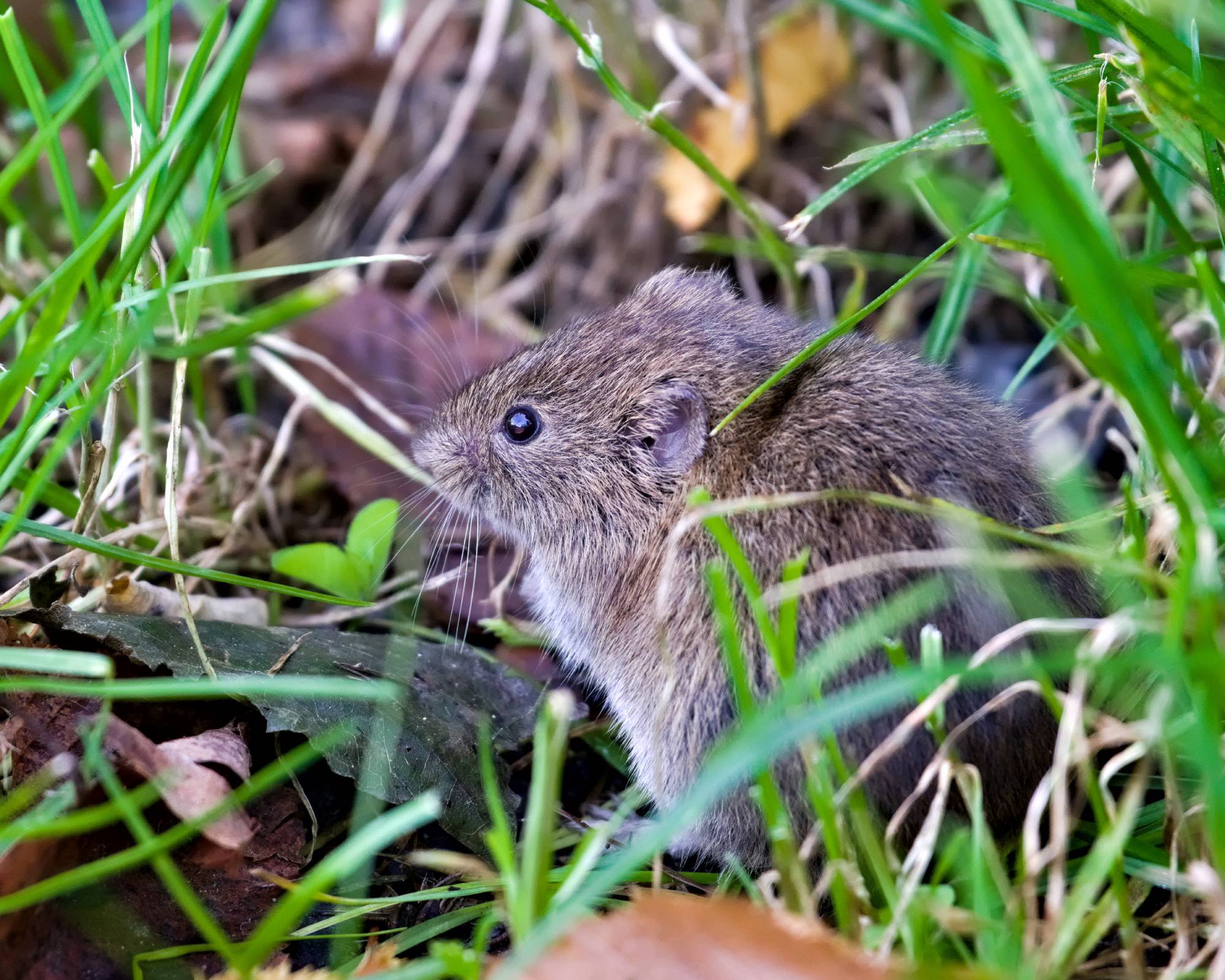
Voles, on the other hand, can do some minor damage to plants, trees, and turf. Voles are stout, little rodents that resemble mice, though they have much shorter legs and tails. Their bodies are typically 3.5-5 inches (8.9-12.7 cm) long and they like to chew paths through grass and groundcover to make their travel easier.
If you have voles, you will see a 2-inch wide pathway going around the yard. Gnawed trunks on trees and shrubs, and chewed stems and leaves on other plants are also giveaways. You might spot them eating spilled seeds from your bird feeders, too.
Mowing your lawn regularly, edging grass around structures and log piles, and keeping on top of weeding will help to reduce vole populations in your yard. Cleaning up that bird seed under your feeder or using a bird seed catch tray like this one from Amazon will help prevent them from coming around looking for a free snack.
Now that you know which one you are dealing with, you can get to work to make your garden a little less friendly, for pests that it is!
















 English (US) ·
  French (CA) ·