

PROTECT YOUR DNA WITH QUANTUM TECHNOLOGY
Orgo-Life the new way to the future Advertising by AdpathwayDistributed Energy Generation Market Trends Accelerate with Solar PV and Smart Grid Growth
The shift towards decentralized energy systems, coupled with advancements in microgrid technology and energy storage solutions, is driving the adoption of distributed generation.
According to a new report published by Allied Market Research, the Distributed Energy Generation Market size was valued at $360.4 billion in 2023 and is projected to reach $1,403.5 billion by 2033, growing at a CAGR of 14.6% from 2024 to 2033. The increasing demand for decentralized energy systems, rising investments in renewable technologies, and supportive government policies are key factors driving the expansion of the Distributed Energy Generation Market globally.
Introduction to Distributed Energy Generation
Distributed energy generation (DEG) refers to electricity generation systems that are located close to the point of energy consumption rather than relying solely on large centralized power plants. These systems are typically installed near solar power facilities or conventional power plants that use combustion turbines to generate electricity.
Distributed energy generation can supply power to a single building such as a residential home or business facility. It can also be integrated into larger systems such as microgrids used in industrial complexes, military bases, universities, and community energy networks.
One of the primary advantages of distributed energy generation is its ability to reduce electricity transmission losses. When connected to local distribution networks, these systems can deliver electricity more efficiently while improving grid reliability. As energy demand continues to increase globally, the Distributed Energy Generation Market is gaining importance as a flexible and sustainable power solution.
Regional Analysis
Regionally, the Distributed Energy Generation Market is analyzed across North America, Europe, Asia-Pacific, and LAMEA.
The Asia-Pacific region accounted for the largest share of the global market in 2023 and is also expected to witness the fastest growth during the forecast period. Rapid industrialization, population growth, and increasing electricity demand are major factors driving the adoption of distributed energy generation technologies in the region.
Countries such as China, India, and Japan are actively investing in renewable energy infrastructure and decentralized power systems. Supportive government policies promoting renewable energy adoption have created a favorable environment for distributed energy technologies.
Technological advancements and improvements in energy infrastructure are also contributing to the strong growth of the Distributed Energy Generation Market across Asia-Pacific.
Market Drivers
Government regulations and global initiatives aimed at reducing greenhouse gas emissions are major factors driving the growth of the Distributed Energy Generation Market. Many governments and municipal authorities have introduced policies to promote renewable energy technologies and reduce dependence on fossil fuels.
Renewable energy systems such as solar photovoltaic (PV), wind turbines, and fuel cells are widely integrated into distributed generation systems. These technologies contribute to improved energy security, reduced carbon emissions, and greater energy resilience.
In addition, ongoing research and development activities are accelerating technological innovation in distributed energy systems. Improved efficiency, advanced energy management systems, and enhanced grid integration capabilities are helping expand the adoption of decentralized power generation technologies.
Another important driver is the cost advantage of distributed generation systems compared with traditional centralized power generation. Distributed systems can reduce infrastructure costs related to long-distance electricity transmission while providing reliable power supply to consumers. These factors collectively contribute to the rapid growth of the Distributed Energy Generation Market.
Market Challenges
Despite its promising growth potential, the Distributed Energy Generation Market faces several challenges that could affect its expansion. One of the key challenges is the presence of regulatory barriers and policy uncertainties in some regions. Inconsistent policies and regulatory frameworks can discourage investments in decentralized energy projects.
Another challenge involves the high initial investment required for installing distributed generation systems. Although these systems offer long-term cost savings, the upfront installation costs can limit adoption, particularly in developing economies with limited access to financing.
Grid integration is another technical challenge associated with distributed energy systems. Integrating decentralized power sources into existing electricity infrastructure requires advanced grid management technologies and improved network capacity.
In addition, cybersecurity concerns related to digital energy systems and smart grids present potential risks for energy infrastructure. Protecting energy networks from cyber threats is becoming increasingly important as digital technologies are integrated into distributed energy systems.
Emerging Opportunities
Despite these challenges, the Distributed Energy Generation Market offers significant opportunities for growth and innovation. The increasing adoption of digital technologies such as the Internet of Things (IoT) is transforming the way energy systems operate.
Smart energy management systems enable real-time monitoring and optimization of energy consumption, improving efficiency and reducing operational costs. These technologies also support better grid management and integration of renewable energy sources.
Another major opportunity comes from the rising popularity of community-based energy projects and prosumer models. Prosumers are consumers who also produce electricity through solar panels or other distributed energy systems. These models encourage local energy generation and promote energy independence.
Collaboration between utilities, technology companies, and energy consumers is also fostering innovative business models that support decentralized energy infrastructure. These developments are expected to accelerate the growth of the Distributed Energy Generation Market in the coming years.
Market Segmentation
The Distributed Energy Generation Market is segmented based on technology, end-use industry, and region.
By Technology
Based on technology, the market is segmented into micro-turbines, combustion turbines, micro-hydropower, reciprocating engines, fuel cells, wind turbines, solar PV, and others.
The fuel cells segment accounted for the largest share of the market in 2023 due to its ability to provide clean, efficient, and reliable energy solutions across various industrial applications. Fuel cells are widely used in distributed power systems because they produce electricity with minimal environmental impact.
However, the solar PV segment is expected to grow at the fastest rate, registering a CAGR of approximately 17.6% during the forecast period. The rapid growth of solar photovoltaic technology is driven by declining installation costs, government incentives, and increasing environmental awareness.
Solar PV systems are widely adopted in distributed energy networks due to their scalability, flexibility, and ability to generate electricity close to consumption points.
By End-Use Industry
Based on end-use industry, the market is categorized into residential, commercial, and industrial segments.
The industrial segment accounted for the largest share of the Distributed Energy Generation Market in 2023. Industrial facilities require large amounts of electricity for manufacturing operations, making distributed generation systems an attractive option for ensuring reliable and cost-effective energy supply.
Meanwhile, the commercial segment is expected to grow at the fastest rate, with a projected CAGR of 16.3% during the forecast period. Businesses are increasingly adopting distributed energy systems to reduce electricity costs, enhance energy efficiency, and achieve sustainability targets.
Commercial buildings such as office complexes, hospitals, and shopping centers are investing in decentralized energy solutions to improve operational efficiency and reduce environmental impact.
Competitive Landscape
The Distributed Energy Generation Market is moderately consolidated, with several leading companies playing a key role in technological innovation and market expansion. Major companies operating in the market include Siemens, General Electric, Mitsubishi Electric Corporation, Schneider Electric, Caterpillar, Doosan Corporation, Vestas Wind Systems, Rolls-Royce Power Systems, Toyota Turbine and Systems, and Capstone Green Energy.
These companies are focusing on product innovation, strategic partnerships, and technological advancements to strengthen their competitive position in the Distributed Energy Generation Market.
Conclusion
The Distributed Energy Generation Market is poised for significant growth as countries increasingly adopt decentralized and renewable energy solutions. Rising environmental concerns, supportive government policies, and technological advancements are accelerating the deployment of distributed energy systems worldwide. As the global energy landscape continues to evolve toward sustainability and resilience, the Distributed Energy Generation Market will play a vital role in shaping the future of modern power generation and energy management.
Read More: https://www.alliedmarketresearch.com/distributed-energy-generation-market-A13784
Featured Product
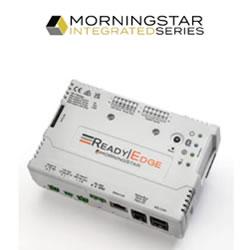
MORNINGSTAR - ReadyEdge
The ReadyEdgeTM (RE-1) accessory is an intelligent system controlling and reporting device meant to make monitoring your solar energy system more transparent. Enabling access to LiveViewTM 2.0 and Morningstar Solar ConnectTM, ReadyEdge provides data from all compatible Morningstar devices in your system. It is designed to be paired with the three ReadyBlock options, up to six total, with the possibility to use multiple ReadyShunts and ReadyRelays. The ReadyEdge is compatible with select Morningstar products.

















 English (US) ·
  French (CA) ·