

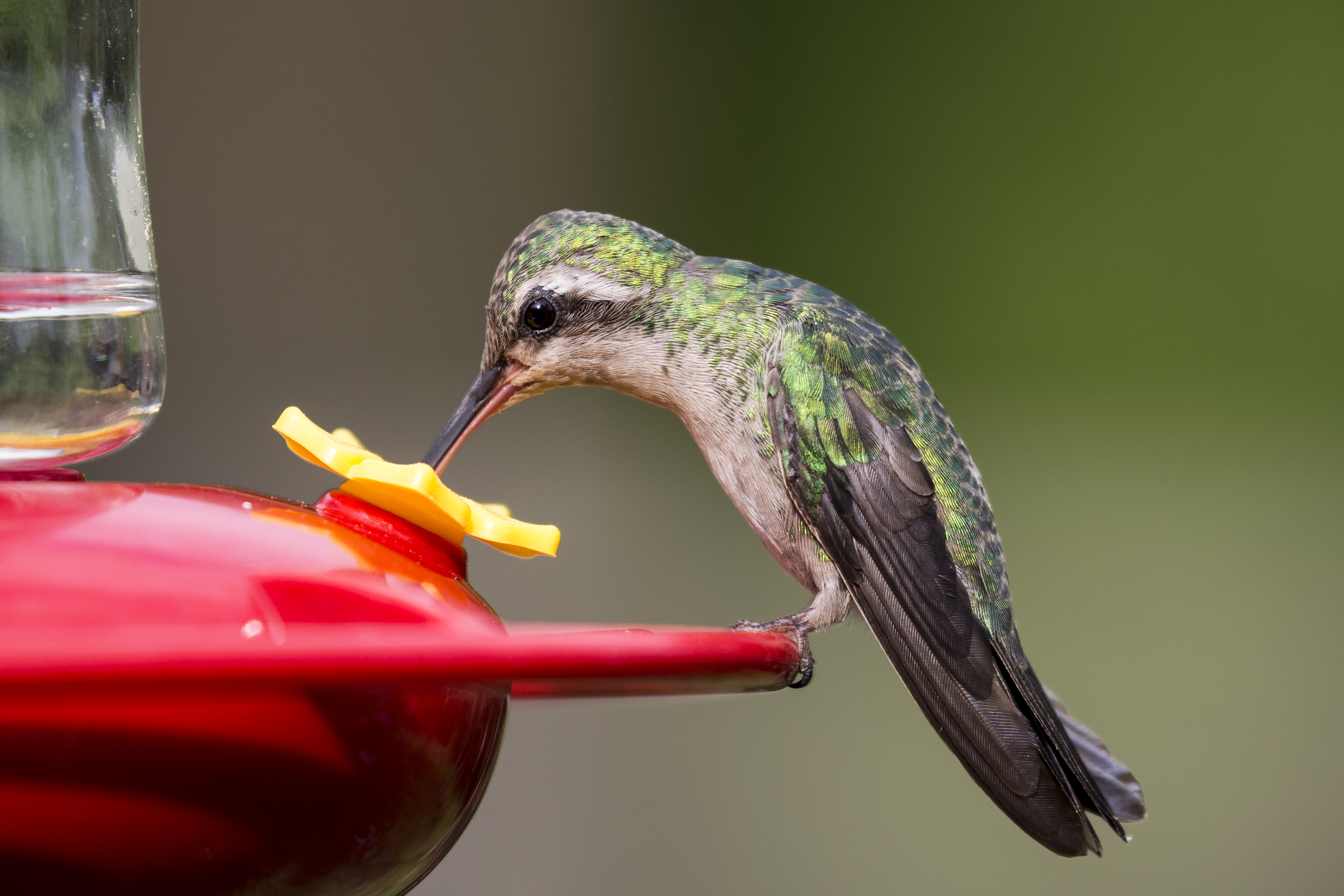
It's conventional wisdom that hummingbirds are drawn to the color red. That's why your average hummingbird garden is packed to the gills with cardinal flower, bee balm, coral honeysuckle, and of course the ubiquitous bright red feeder.
(Image credit: Getty Images)
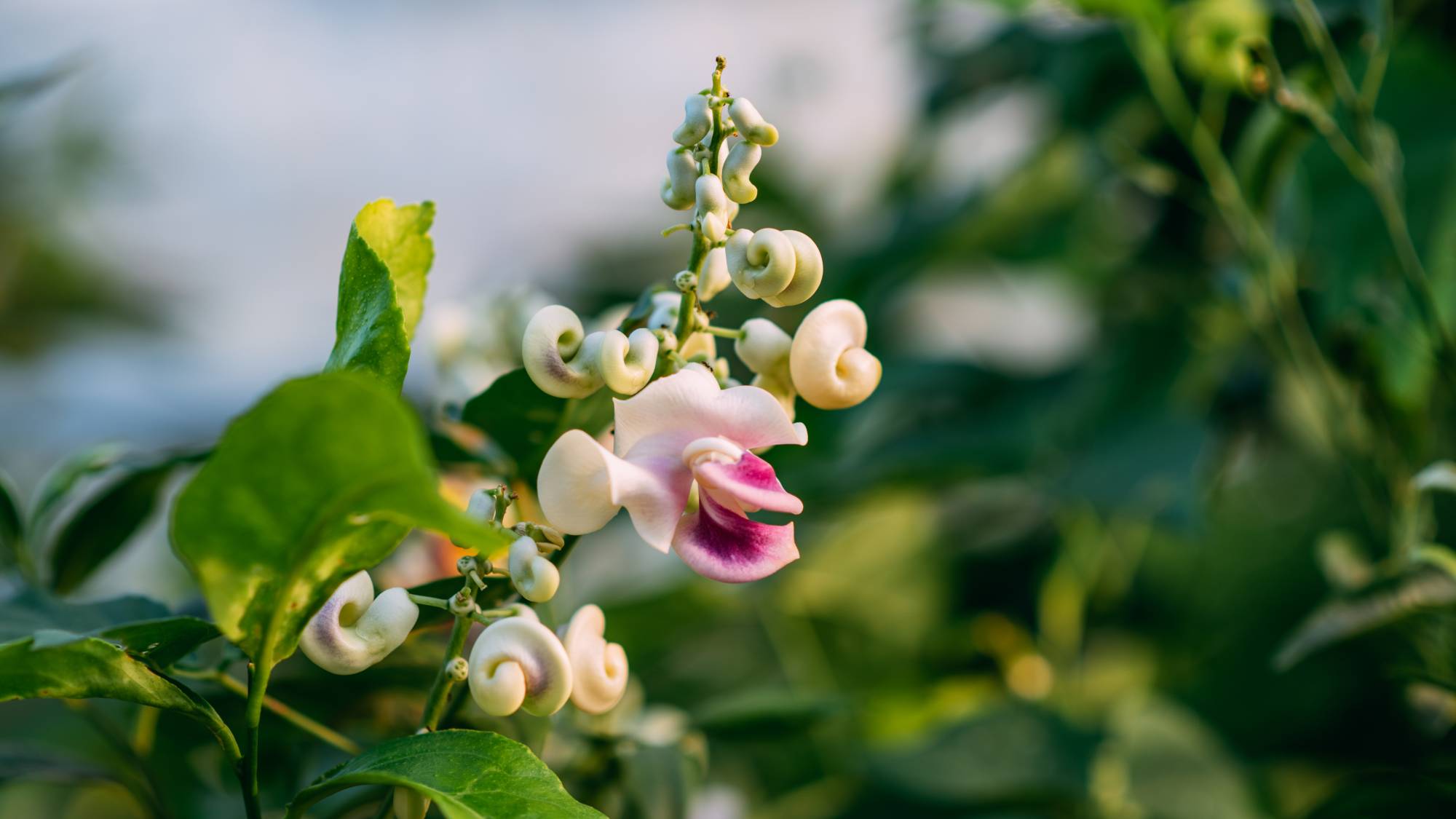
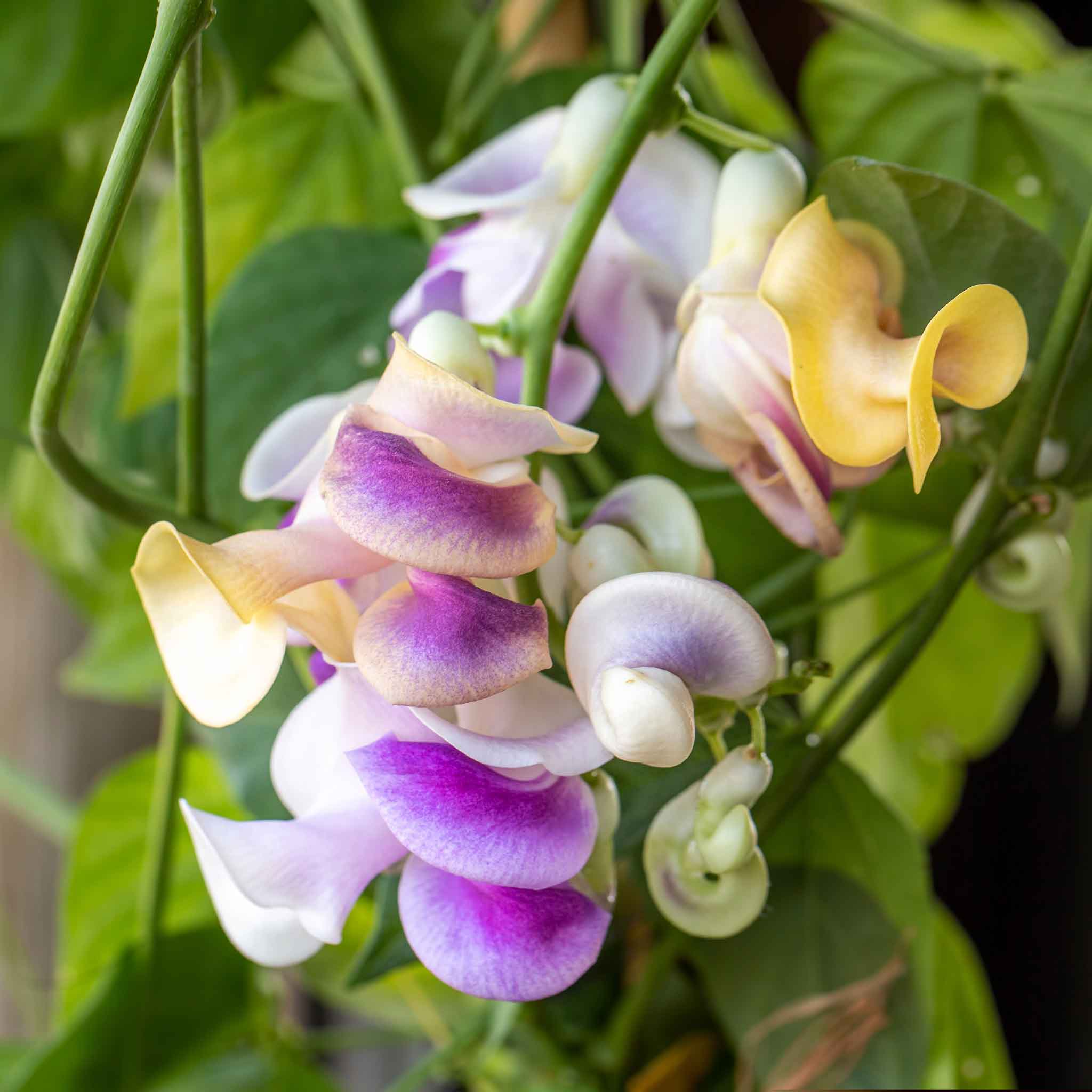
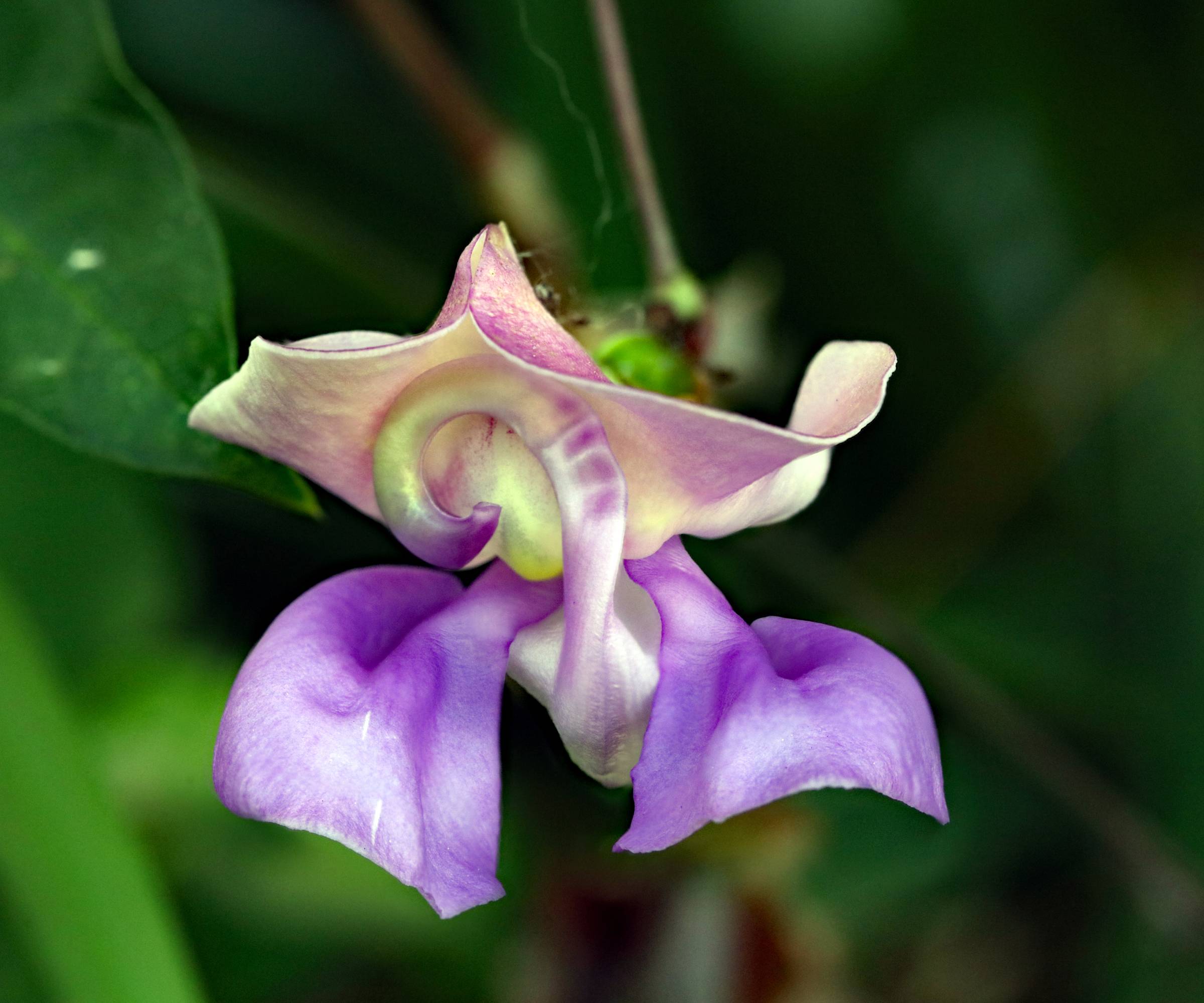
But if you're looking for something a little different in color and a lot different in shape, you have got to check out the corkscrew vine. Instead of bright red, its flowers come in shades of white, pink, purple, and yellow, all swirling together in a mesmerizing display. Seriously, no two flowers come out looking the same.
And in place of the usual trumpet-shaped blooms that usually attract hummingbirds, corkscrew vine flowers live up to their name and form a tight spiral that looks like absolutely nothing else you've got in your garden.
Article continues below
Corkscrew Vine Facts
(Image credit: AegeanBlue / Getty Images)
The corkscrew vine is also frequently called snail vine. One look at its flowers, especially the tightly wound buds, and you'll understand why. Its scientific name is a little bit in contention. Officially it's called Cochliasanthus caracalla. Another name, Vigna caracalla, is either its previous erroneous name, or the name of a close but less fragrant cousin... depending on who you talk to.
In either event, Cochliasanthus caracalla is the one we're here to discuss today.
It's a tropical plant, native to the hot climates of South and Central America. It's hardy in USDA zones 10 and 11 (and maaaybe 9), where it can be grown as a perennial. For the rest of us in more temperate zones, we'll have to grow it as an annual, or pot it up and bring it indoors for the winter.
It's vining in nature, topping out at about 6.5 feet (2 m) in length. It's a very fast grower, and produces fragrant flowers steadily from late spring all the way through fall.
Why Do Hummingbirds Love It?
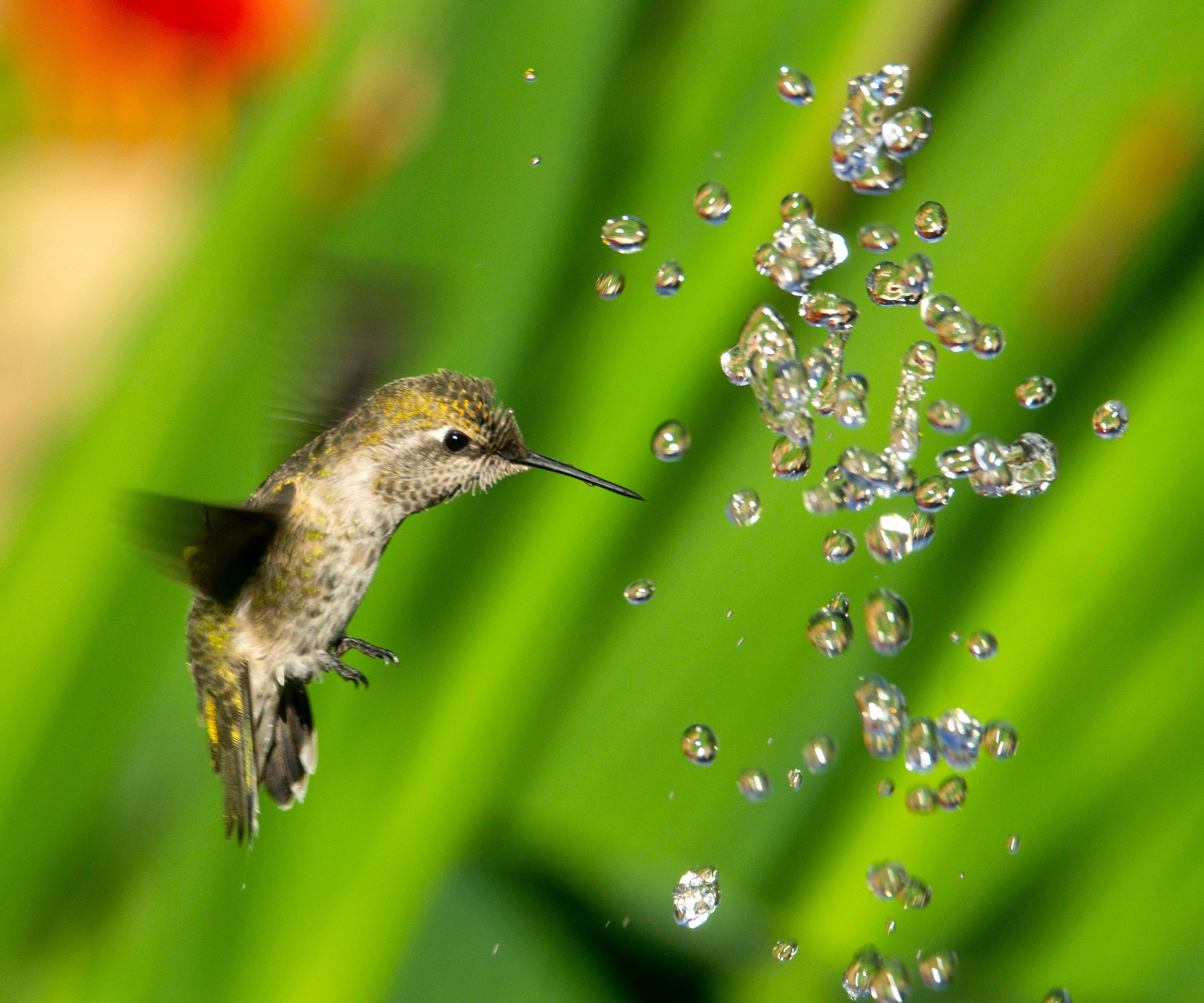
There are two reasons hummingbirds love corkscrew vines so much. For one, corkscrew vines produce a huge amount of nectar, more than you'd get from your average flower. Hummingbirds are massive nectar consumers. You'd always be hungry too if you had to beat your wings that fast.
(Image credit: Alex Photoman / Shutterstock)
The other reason hummingbirds love corkscrew vines is because the flowers seem to be shaped specially for them.
That twisty, spirally flower shape isn't just for show – the big nectar cache is actually hidden inside, like a snail tucked away in its shell. According to a 2017 study published in Flora magazine, this is an evolutionary adaptation designed to reward certain pollinators that are able to get to the nectar. These flowers aren't open to just anybody – pollinators with their own special adaptations recognize corkscrew vines as highly exclusive dining spots, and they'll seek them out.
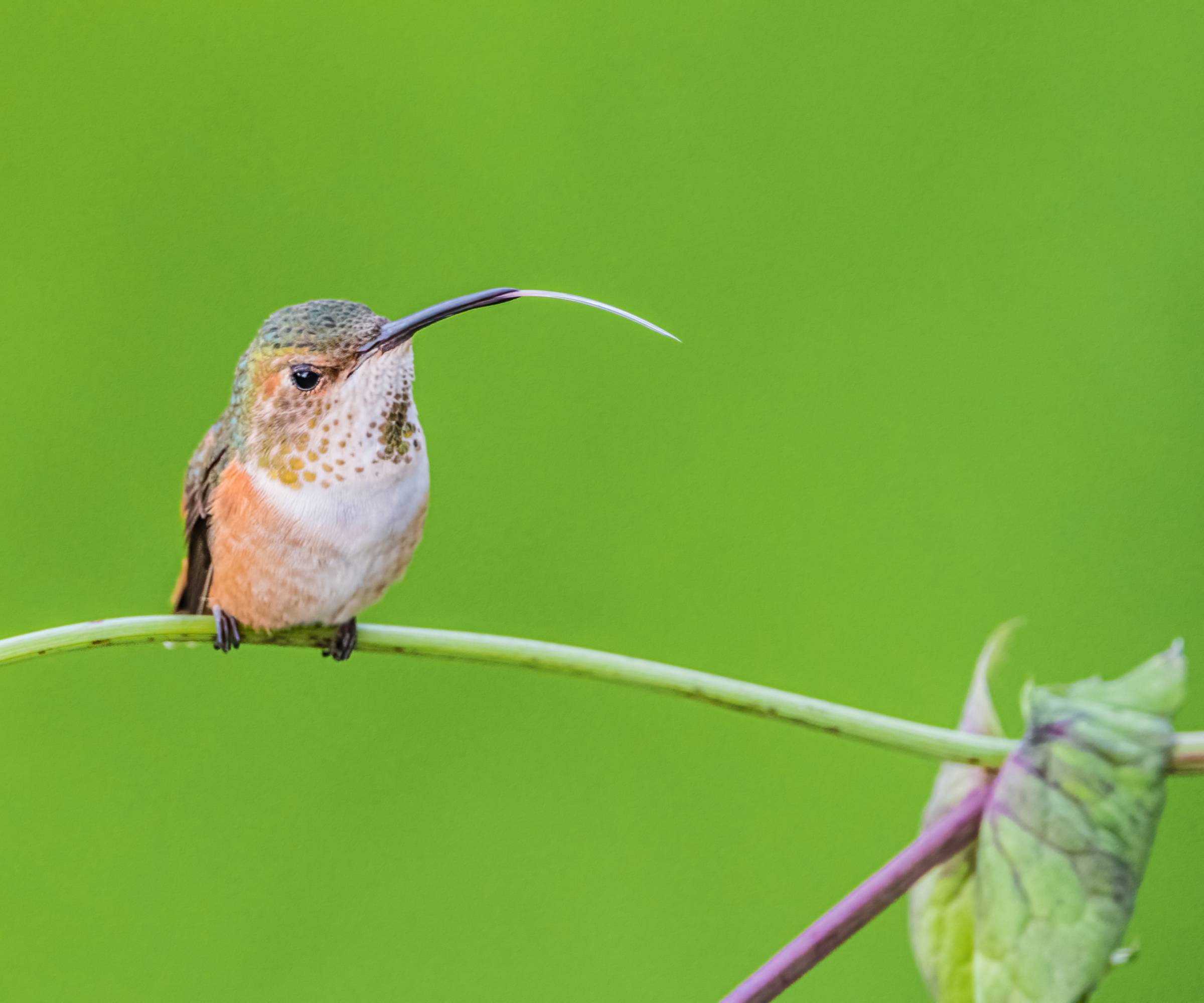
Do hummingbirds have this special adaptation? Well, have you ever seen a hummingbird's tongue?
(Image credit: Andrew Breslow / Getty Images)
Hummingbirds don't just have long beaks – that anteater-like tongue is perfect for winding through the spiraling inner workings of a corkscrew flower, scooping up nectar as it goes.
(Image credit: Edward Chaidez / Getty Images)
How to Grow Corkscrew Vine
If you're growing corkscrew vine in zone 8 or colder, it's a good idea to start seeds indoors eight weeks before the last spring frost, then transplant them outside once all chance of frost has passed and temperatures stay consistently above 55 F (13 C). In zone 9 and warmer, you can sow directly in the ground after all chance of frost has passed.
Plant your corkscrew vine in a spot that receives full sun and has well-draining soil. It's possible to grow in a container – a good idea if you want to overwinter it indoors. Just make sure your pot has multiple drainage holes, and that any trellis you add isn't going to tip the whole thing over.
Include some kind of support or trellis. It's a vine, after all! If you want to stay on-theme, go for this hummingbird trellis from Amazon.
Water at least 1 inch (2.5 cm) per week, and wait for the hummers to flock to you!
Shop More Hummingbird Gear
Hummingbird Feeder With Camera
Hummingbird & Butterfly Wildflower Seeds
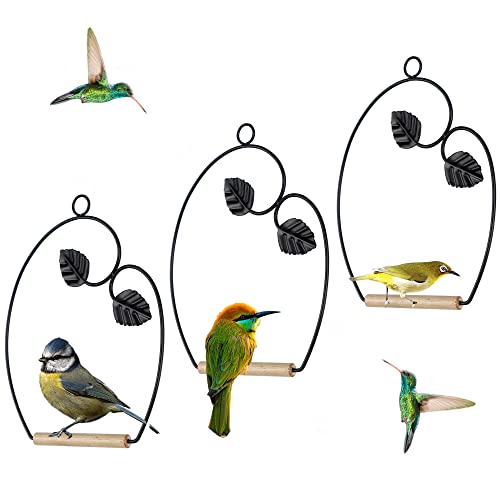
Set of 3 Hummingbird Swings












 English (US) ·
  French (CA) ·