

In one of his famous poems, Robert Frost wrote: “Good fences make good neighbors.” Does this apply to hedges as well? It might, if the hedge is on your property line.
Hedges are eco-friendly alternatives to fences and walls. They can provide hiding and nesting places for local wildlife, while also marking the property line.
But planting a hedge on the edge of your property is shadowed by legal concerns. Your best bet is to know the law before you begin then act carefully to make sure the hedge stays on your side of the fence.
I cover more questions like this in my Gardening Lawyer series, drawing on my experience as both a gardener and former attorney.
Benefits of Hedges
(Image credit: Ben Bryant/Getty Images)
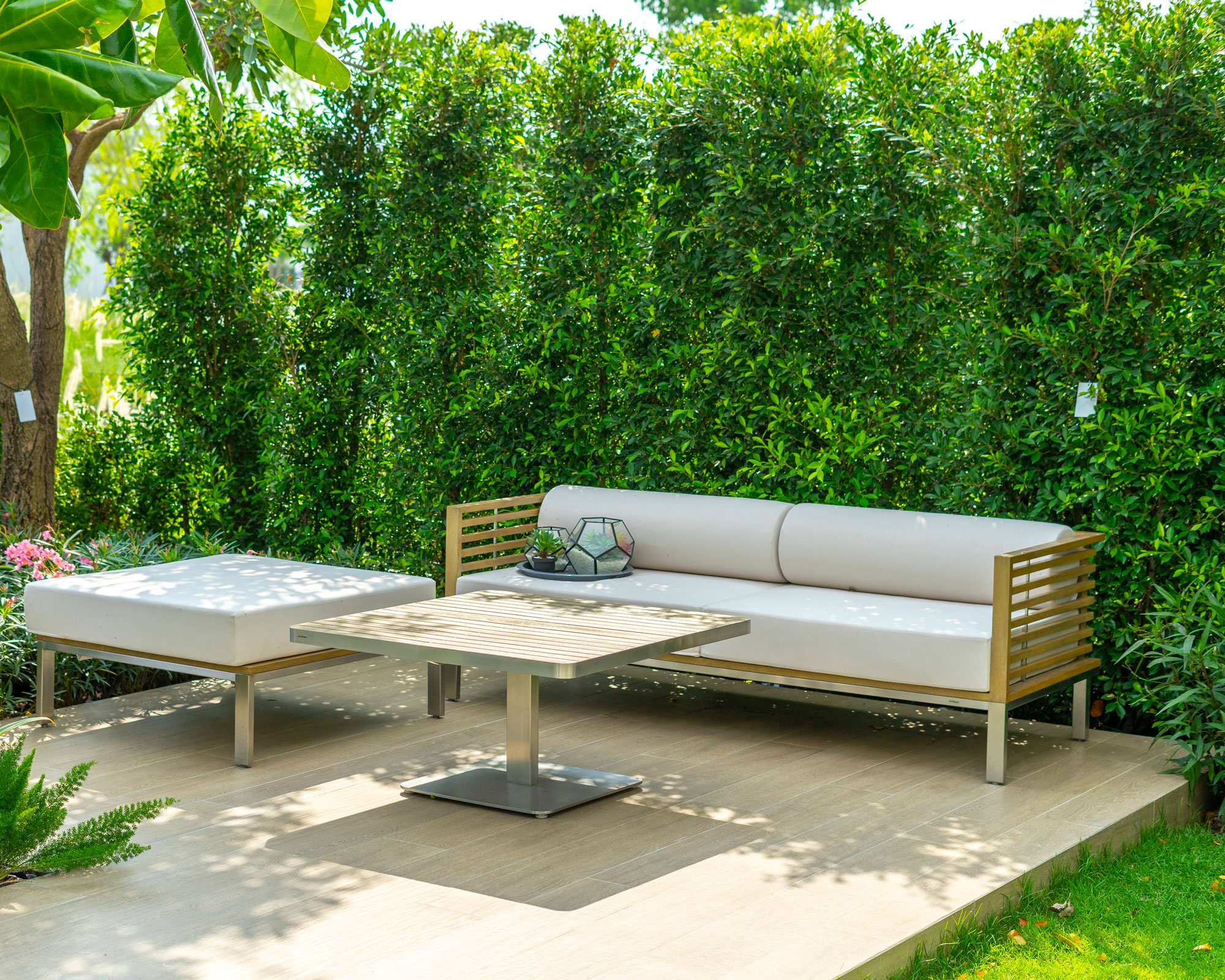
Who wouldn’t prefer a natural, lovely boundary of shrubs on the property line instead of a wall or fence? A hedge offers privacy, environmental benefits, and structural protection, but it’s green and growing. The best hedge plants have foliage dense enough to create a privacy screen, blocking your backyard from the views of curious neighbors and muffling traffic noises.
And hedges are lovely, with ample aesthetic appeal. The greenery - sometimes with seasonal colors, flowers or fruit - softens your property line but also serves as a wind block. It can also act as a sun buffer, shading backyard areas in summer while also limiting chilly winter drafts.
Finally, hedges can stabilize the soil and also provide wildlife habitat. Hedge plants with deep root systems prevent soil erosion, while the dense foliage offers nesting sites, safe areas for birds and mammals, and food sources for birds and pollinators.
Property Line Perils
(Image credit: Grace Cary / Getty Images)
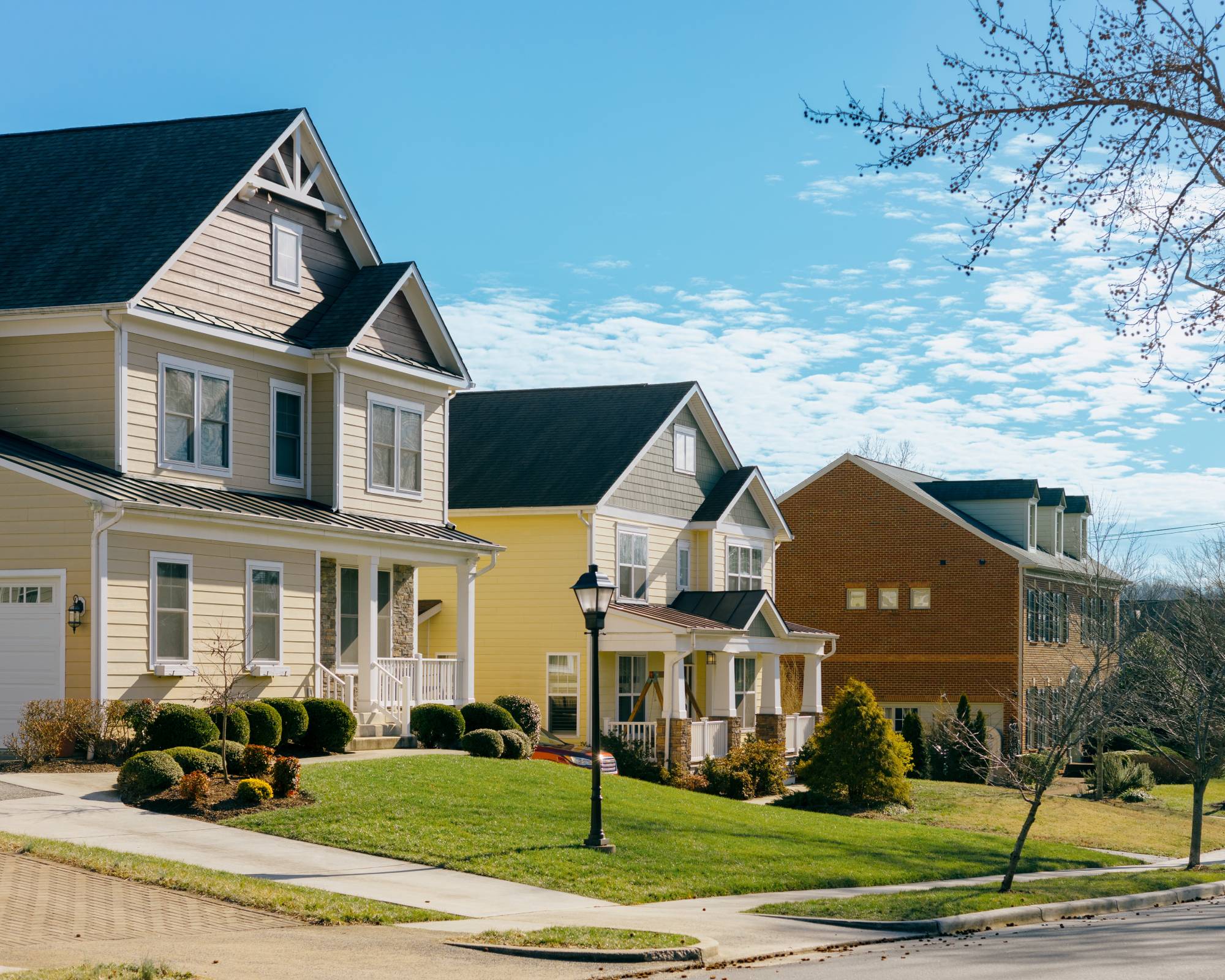
Planting near your home is easy. You don’t need to worry that your neighbors won’t be happy. It’s your land and you can plant whatever you want. But when you plant anything near the property line, your neighbor might be involved. This includes property line hedging.
It’s easy to understand why you should hesitate to plant an oak sapling near the property line. That tree is going to grow tall and wide, and its branches (and maybe even the trunk) will expand into the neighbor’s backyard…and they may not like it. Hedge shrubs may be trimmed neatly, but a property line hedge raises the same issues as border line oaks. Hedges are shrubs, and shrubs can grow even faster than trees.
Laws About Property Lines and Plants
(Image credit: Klaus Steinkamp / Alamy)
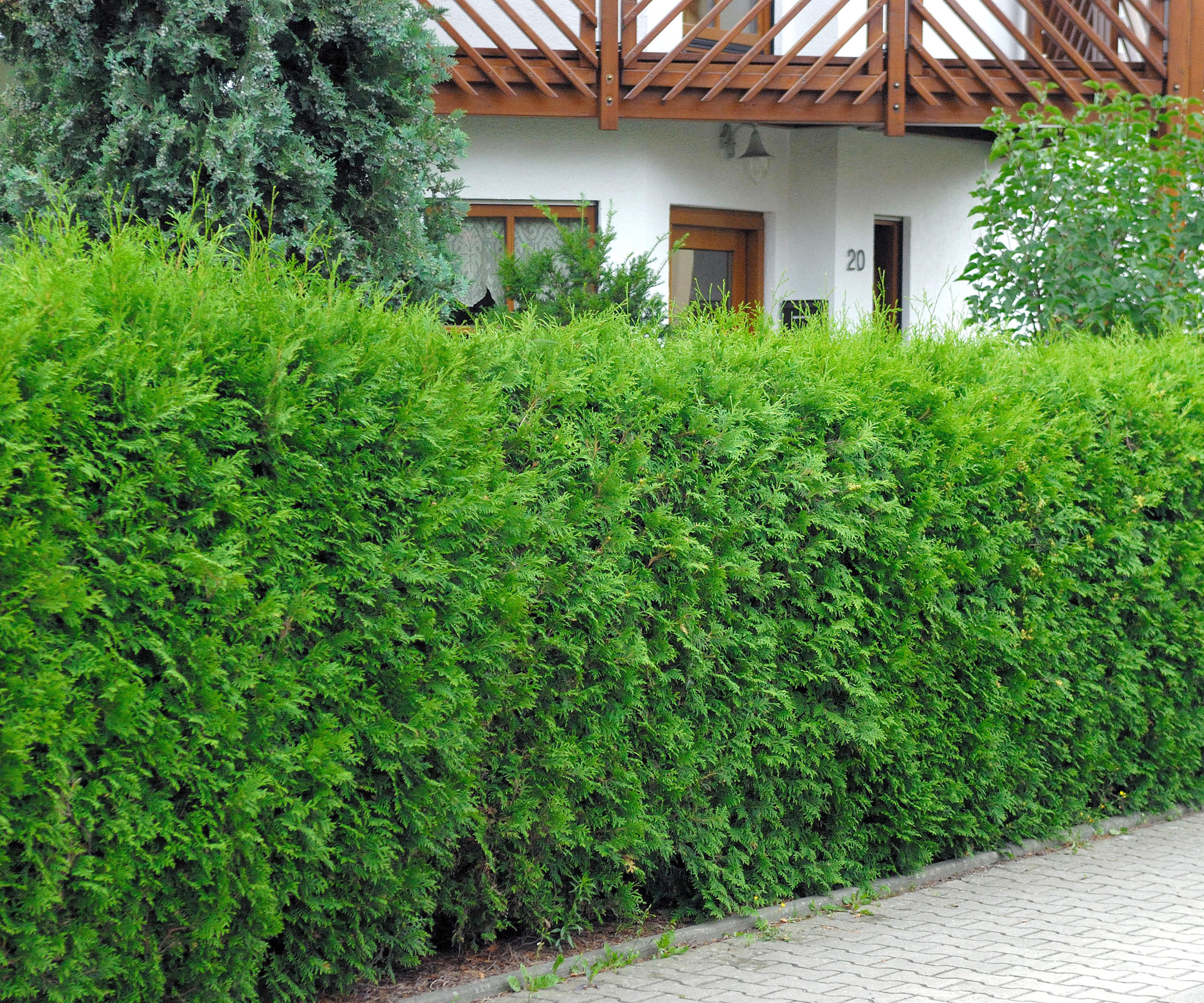
Every state has their own laws regulating plants on property lines, and some cities and even housing communities have rules too. The general law in most states allows a neighbor to cut down any part of a tree or shrub planted by a neighbor on your property line that extends into your own property. They don’t even need to ask permission.
But that’s not all. Many communities limit the height of any tree or shrub planted on a property line. Some cities and HOAs limit the species of trees and shrubs you can plant. Others won’t allow trees that block views or shade neighboring backyards.
Steps to Take Before Planting a Property Line Hedge

(Image credit: MoMo Productions / Getty Images)
You can prevent problems with your neighbors over your property line hedge by acting carefully. These are the seven steps you should follow before planting your hedge.
- Learn all of the laws relevant to planting shrubs on the property line. Check for state laws, municipal regulations, and HOA or bylaw requirements - if you live in a housing community with an HOA or a housing development where bylaws apply. Find out if species or mature heights are regulated and whether there are any setback requirements. While you are researching, see if there are laws prohibiting planting that blocks a neighbor’s view or shades a neighbor’s backyard.
- If you are still unclear on the law, consult with an attorney.
- Develop a plan for your hedge. Select the type of shrub - taking into account your hardiness zone and the sun exposure of the area. Note the mature height and width of the species of shrubs you have selected. If you have any questions, ask a plant expert or an arborist to be sure the species is appropriate for the location.
- Review city records that show the location of the property line between you and the neighbor.
- Map out where you will plant your hedge. Set plants up to 3 feet (1m) back from the property line so branches do not cross into your neighbor's yard when fully grown. Add even more access space behind the hedge so that you can maintain the hedge without walking on your neighbor’s property.
- Talk with your neighbors. Tell them what shrubs you want to plant and their mature size. Show them your hedge map. Walk the property line with them to make sure that your understanding about its location is the same as theirs. Listen to their concerns and address them if you can.














 English (US) ·
  French (CA) ·