

Pollinators make our world go round. And those of us who keep gardens have a real chance to do something to help bees and butterflies. The best way to do so is by planting the pollinator plants to feed them throughout the whole year. Sure, we can plant flowers in spring. But it’s also possible to install nectar-rich plants into the landscape in September.
So what are some of the best fall-blooming pollinator plants? Luckily, you have more than a few to choose from. To choose the right ones for the autumn landscape, though, you should select resilient perennials that bloom in the cool season and provide essential late-season food for bees and butterflies.
Here are the best plants to provide a fall feast for pollinators in your garden.
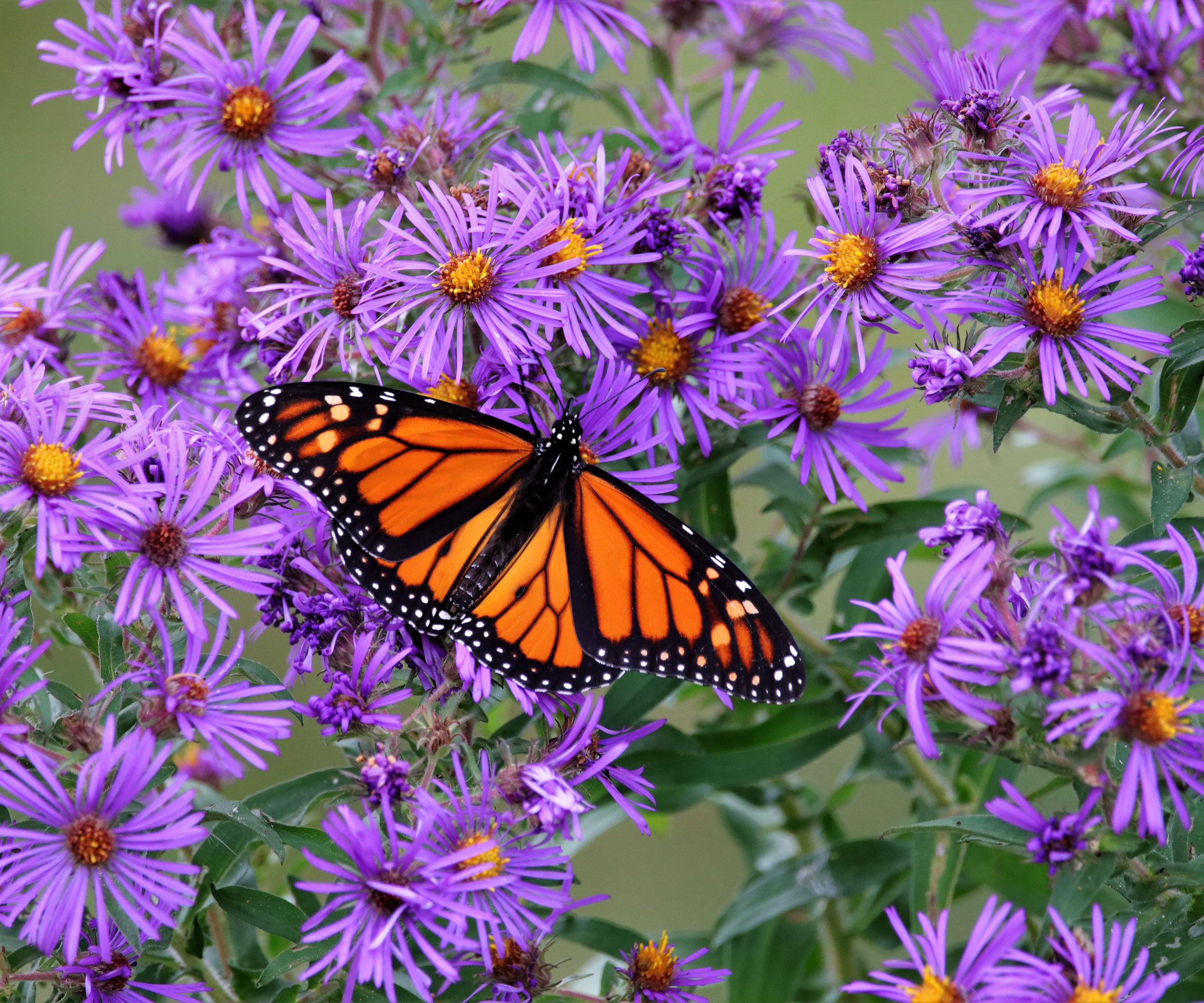
1. Asters
(Image credit: Peter Photos / 500px / Getty Images)
Swipe to scroll horizontally
Botanical Name |
Symphyotrichum spp. |
Hardiness |
Zones 3-8 |
Are asters the best fall perennial plants for autumn? A good argument can be made that they are. Asters offer lovely daisy-like blooms in purples, pinks, and blues. These flowers offer essential late-season nectar to feed both bees and migrating butterflies. In fact, they are pollinator magnets from late summer into November.
There are a number of aster varieties, some growing to 6 feet (2 m) tall, but all are exceptional perennial plants for autumn planting. Asters don’t like hot, sunny sites, but they do need some sunshine and well-draining soil. They do best in regions with cool, moist summers and cool nights.
If you are transplanting young plants, do it in spring once all chance of frost is gone. But early September is the perfect time to transplant mature asters in containers you bought at the garden center.
Explore unique native aster plants from American Meadows online.
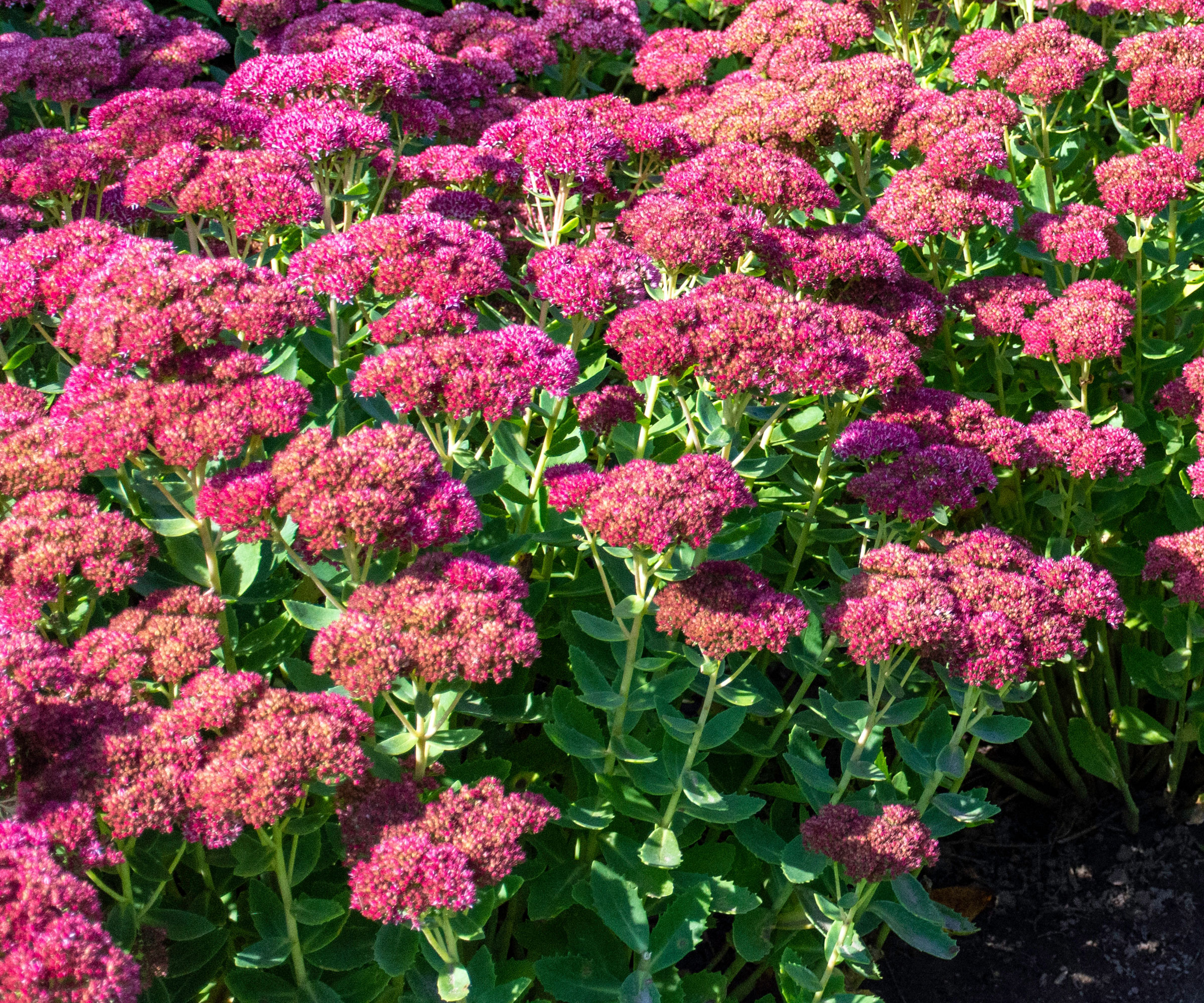
2. 'Autumn Joy' Sedum
(Image credit: Joanne Dale / Shutterstock)
Swipe to scroll horizontally
Botanical Name |
Sedum spectabile ‘Autumn Joy’ |
Hardiness |
Zones 3-10 |
It’s hard to think of a desirable attribute for a fall-blooming perennial that doesn’t apply to ‘Autumn Joy’ sedum. It’s hardy, adapts to cold climates and hot ones. It's also drought tolerant and lovely, offering thick flower clusters in autumn that are magnets for butterflies and beneficial insects during the cooler months after summer. They bloom after most summer flowers fade, providing interest into fall and early winter.
This sedum is a clump-forming succulent perennial beloved for its huge flowerheads that appear from late summer into fall. It’s a real color-show of a plant with green flower buds in late spring that open to pink flowers in summer. These deepen to rosy, coppery and bronze tones as fall arrives. And best of all, Autumn Joy provides vital late-season nectar and pollen for pollinators, including bees and butterflies.
You can find Autumn Joy sedum plants online for under $10 from American Meadows.
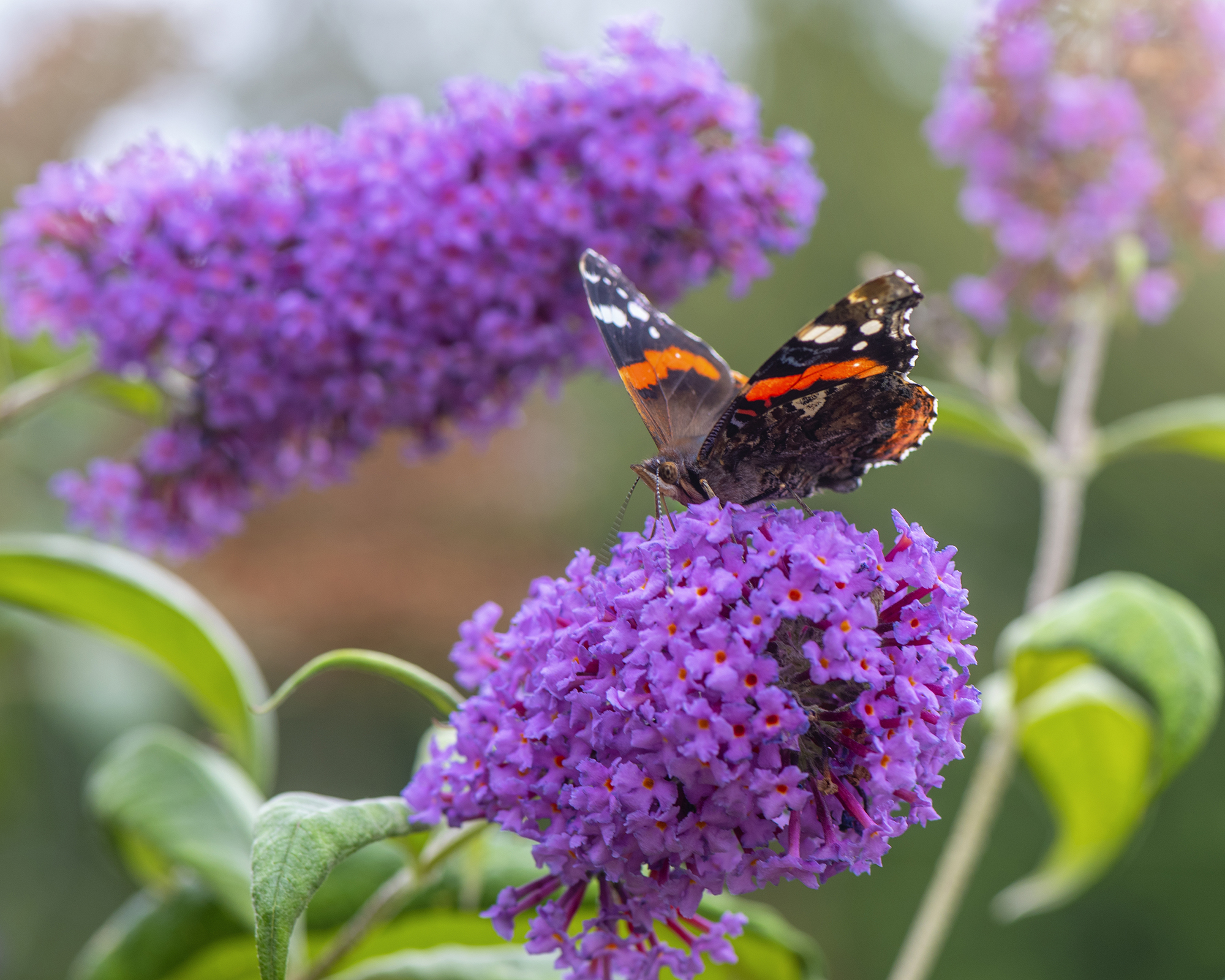
3. Butterfly Bush
(Image credit: Getty Images)
Swipe to scroll horizontally
Botanical Name |
Buddleja davidii |
Hardiness |
Zones 5-9 |
Butterflies love butterfly bush – as the common name suggests. But this is not a one-pollinator shrub. Its panicles contain hundreds of nectar-filled florets. These bright flowers in purple, pink, and blue also draw in bees with their sweet honey fragrance. Some butterfly bush varieties have flower spikes almost a foot long and many bloom straight though the summer to the first frost.
Butterfly bush grows fast, making it weedy and even invasive in some parts of the country (check your local extension office before planting). It’s a perennial shrub with arching stems and a bushy habit. These shrubs offer an abundant late-season nectar source for fall pollinators when other garden flowers fade. Pollinators like monarch butterflies, hummingbirds, and bees will certainly be grateful!
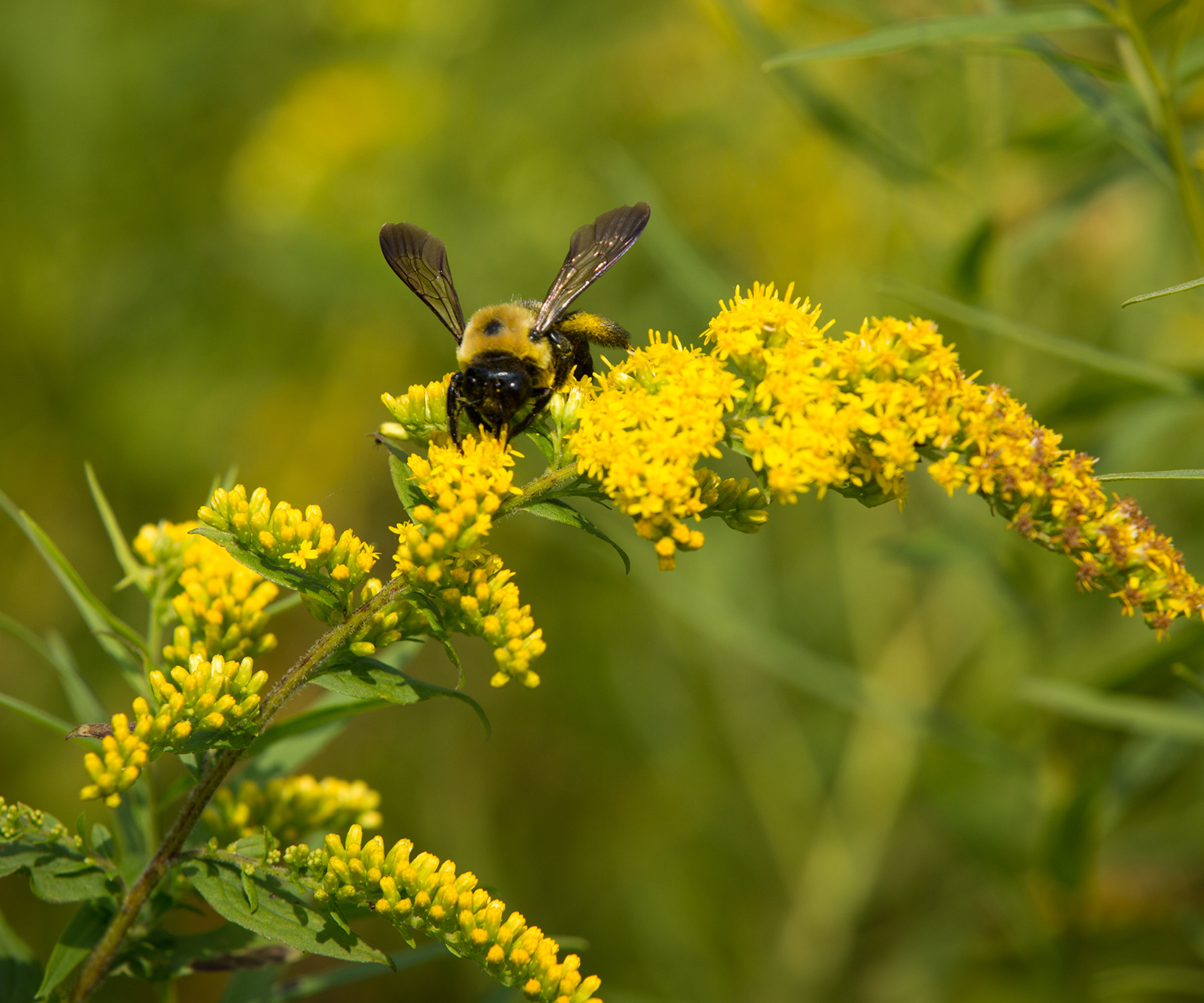
4. Goldenrod
(Image credit: Mark Nistico / Getty Images)
Swipe to scroll horizontally
Botanical Name |
Solidago spp. |
Hardiness |
Zones 3-9 |
Goldenrod, with its bright yellow blossoms, is a favorite fall-pollinator plant in Europe, but less popular in the United States – and that’s our loss. But wait, you say. Isn’t goldenrod the plant that causes hay fever and makes you sneeze? Nope! That’s a myth that is more accurately attached to ragweed, which blooms around the same time
Goldenrod blooms from late summer and keeps those flowers coming right through the first frost. Its flowers are loaded with nectar and heavy, sticky pollen that's available to bees and butterflies when most other flowers have faded. In fact, dozens of bee species rely heavily on goldenrod pollen. This plant also supports dozens of species of native moth and butterfly caterpillars, which are essential food for songbirds.
Find the perfect goldenrod species for your yard from High Country Gardens.
5. Joe-Pye Weed
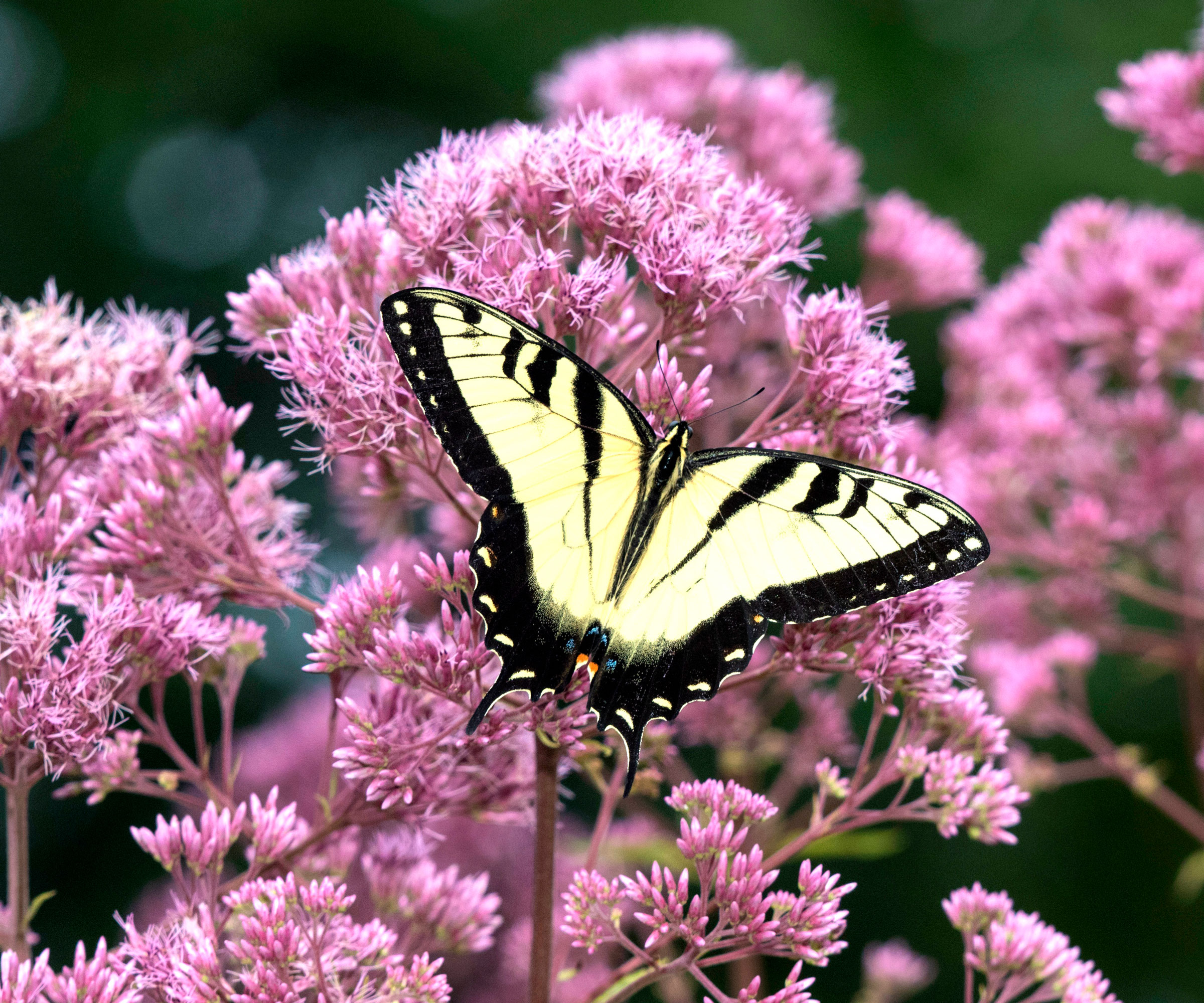
(Image credit: Danita Delimont / Getty Images)
Swipe to scroll horizontally
Botanical Name |
Eutrochium spp. |
Hardiness |
Zones 3-9 |
Joe-pye weed may not be the most gorgeous plant in the garden, but it's a powerhouse pollinator perennial. Its small, fragrant flowers are arranged in large, domed flower clusters that smell like vanilla. They are loaded with nectar that provides high-energy food for pollinators in late summer and fall. It’s a late-season lifeline for autumn pollinators, appearing just as other summer flowers fade.
This plant is one of the primary foods of monarch butterflies getting ready for the long trip south for winter. But it also is a staple for bumblebees and hummingbirds. As fall merges into winter, the dried seedheads offer foraging material for wild birds and beneficial insects as well.
Explore native Joe-pye weed plants online from American Meadows.












 English (US) ·
  French (CA) ·