

 3 hours ago
12
PROTECT YOUR DNA WITH QUANTUM TECHNOLOGY
Orgo-Life the new way to the future Advertising by AdpathwayA detailed clinical case series documenting five laboratory-confirmed survivors of Marburg virus disease in southern Ethiopia indicates that early diagnostic identification paired with prompt antiviral administration and supportive care can achieve viral clearance and full clinical recovery, even when individuals present with severe gastrointestinal hemorrhage or significant hepatic injury. The findings, published in the International Journal of Emergency Medicine, examine patients treated at the Jinka General Hospital Marburg Virus Disease Treatment Center during an outbreak declared by the Ethiopian Ministry of Health in late October 2025. Across the entire outbreak response, public health surveillance identified 19 total cases, comprising 14 laboratory-confirmed infections and five probable cases. Among the 14 confirmed cases, nine individuals died, reflecting an overall case fatality rate of 64.3 percent, while five survived following intensive inpatient management.
Marburg virus disease is a severe, often lethal hemorrhagic fever caused by Marburg virus, a member of the Filoviridae family first identified in 1967 after simultaneous outbreaks in Marburg and Frankfurt, Germany, and Belgrade, Yugoslavia, linked to laboratory work with African green monkeys imported from Uganda. The pathogen maintains a natural wildlife reservoir in the Egyptian fruit bat, and human infections carry historical case fatality rates ranging between 24 percent and 90 percent depending on the specific viral strain, host factors, and local clinical capabilities. Clinically, the infection typically begins with an abrupt, nonspecific febrile illness characterized by high fever, severe headache, chills, and profound fatigue, before progressing rapidly to severe gastrointestinal manifestations such as intractable vomiting, profuse watery diarrhea, and intense abdominal pain. Advanced stages frequently involve coagulation abnormalities, marked vascular permeability, and overt bleeding, which can precipitate multi-organ failure, circulatory collapse, and shock.
The five survivors detailed in the report included four females and one male with a median age of 18 years, who were admitted and managed between November and December 2025. Epidemiological evaluations revealed that four of the cases arose through identifiable transmission chains within community and occupational settings. Three patients were household contacts of known probable or confirmed Marburg cases, including one individual whose father was a probable case and whose uncle died of confirmed disease, and another patient who provided extensive caregiver support to two infected siblings who both died. A fourth patient was a 32-year-old female healthcare worker stationed at the Jinka treatment center who had direct occupational contact with confirmed patients over a two-week period and later served in pre-triage care, where she assisted during the delivery-related care of an infected woman despite wearing personal protective equipment.
Upon hospital admission, all five patients exhibited classic initial clinical manifestations of filovirus infection, presenting uniformly with fever, generalized headache, fatigue, and gastrointestinal complaints. Hematological and biochemical evaluations across the cohort demonstrated classic hallmarks of systemic filoviral illness, including profound bone marrow suppression and direct hepatocellular injury. Marked leukopenia was documented across the cohort, reaching a nadir white blood cell count of 1.55 times 10 to the third power cells per microliter, accompanied by severe thrombocytopenia with a platelet nadir of 65 times 10 to the third power cells per microliter. Hepatic involvement was universally evident through elevated transaminases, reaching an extreme peak aspartate aminotransferase level of 1,153 units per liter in one severely affected patient. Additionally, one patient experienced profound neutropenia, with an absolute neutrophil count dropping to 107 cells per microliter.
Overt hemorrhagic complications developed in three of the five survivors between the fifth and seventh days after symptom onset, a timeline that mirrors the progression seen in previous Central and East African outbreaks. The first patient, a 15-year-old female who presented five days after contact with a suspected fatal case, suffered three episodes of hematemesis alongside high fever, cough, abdominal pain, and scattered erythematous maculopapular skin lesions. Another patient, an 18-year-old female admitted shortly after the death of a suspected household contact, quickly progressed into the hemorrhagic phase, experiencing significant upper gastrointestinal bleeding with baseline hemoglobin measurements fluctuating between 11.6 and 14.6 grams per deciliter. A 35-year-old female caregiver similarly presented with bloody diarrhea and a history of upper gastrointestinal hemorrhage, followed by a critical phase around day five marked by persistent fever reaching 39.5 degrees Celsius and severe hepatic injury.
Therapeutic management for all five surviving patients integrated experimental antiviral therapy alongside protocolized, aggressive supportive care. Every patient received remdesivir, administered intravenously with an initial loading dose of 200 milligrams followed by maintenance doses, typically 100 milligrams daily for total treatment durations ranging up to ten days. In one instance, the 15-year-old female received a maintenance regimen of 100 milligrams twice daily for seven days. For the 35-year-old patient who developed an aspartate aminotransferase level of 1,153 units per liter and an alanine aminotransferase level of 596 units per liter, clinicians temporarily suspended remdesivir after five days due to concern over drug-induced hepatic stress. Following a five-day therapeutic interruption and subsequent biochemical improvement in liver function, remdesivir was safely re-administered for five additional daily doses, achieving a completed 10-day course without recurrence of severe transaminitis.
Supportive interventions targeted fluid homeostasis, symptomatic relief, and hemostatic stabilization tailored to individual clinical severity and local resources. Aggressive intravenous fluid resuscitation using crystalloid fluids and dextrose-containing solutions was deployed to counteract ongoing gastrointestinal losses from vomiting and profuse diarrhea. For patients exhibiting active gastrointestinal hemorrhage, clinical teams administered intravenous tranexamic acid to support hemostatic control, supplemented by vitamin K, fresh-frozen plasma, intravenous omeprazole for gastrointestinal mucosal protection, and metoclopramide for symptom management. Broad-spectrum empiric antibiotics, including ceftriaxone combined with metronidazole or intravenous meropenem, were administered to selected patients exhibiting profound neutropenia or suspected secondary bacterial infections, in line with national management guidance.
Virological monitoring via serial reverse transcription polymerase chain reaction assays confirmed progressive viral clearance across the cohort. In the infected healthcare worker, serial cycle threshold values rose steadily from 20.8 at admission to 25.4, 29, and 35, reflecting a diminishing viral burden before achieving an initial negative molecular test on day 12 and confirmatory clearance on day 14. Across all five survivors, viral clearance—verified by two consecutive negative reverse transcription polymerase chain reaction tests performed within a 48-hour window—was successfully achieved between days 6 and 12 of treatment. All five patients achieved complete clinical recovery and resolution of laboratory abnormalities, and were subsequently discharged in stable condition after hospital stays spanning 10 to 14 days.
When placed in the broader context of the regional outbreak, treatment timing appeared to be a notable distinguishing factor between survivors and non-survivors. Out of the 14 laboratory-confirmed outbreak cases, ten individuals received remdesivir while four received supportive care alone; all four patients who did not receive the antiviral agent died. Among the ten patients who were administered remdesivir, the five survivors presented early in their clinical illness and received timely interventions, whereas five patients who presented at an advanced, delayed stage of disease succumbed despite receiving antiviral therapy. The authors note, however, that because these observations originate from an emergency outbreak response with a small sample size and no control for baseline illness severity, they cannot establish a definitive causal link between remdesivir and survival, emphasizing the need for continued prospective clinical trials.
The study authors conclude that dynamic monitoring of hepatic function and viral clearance is essential when delivering supportive care and experimental antivirals in resource-constrained environments. Although standard approved treatments and vaccines for Marburg virus remain unavailable, the successful recovery of all five patients demonstrates that filovirus infections are not uniformly fatal, even when complicated by profound cytopenias and acute gastrointestinal hemorrhage. The clinical course of these cases highlights the crucial importance of early case detection, immediate presentation to specialized treatment facilities, and structured hemodynamic and supportive management, while underscoring the urgent necessity of rigorous infection prevention and personal protective equipment adherence to interrupt transmission chains in both healthcare and domestic settings.
Subject of Research: Clinical presentation and recovery of Marburg virus disease patients in southern Ethiopia
Article Title: Marburg virus disease outbreak and response in South Ethiopia Region
Article References: Wolie, A. A., Mengistie, B. T., Mengistie, C. T., Tadesse, S. Z., Teferi, M. G., Bifa, G. W., Bogale, A. A., Adnew, A. J., Admassu, N. K., Bayu, T. G., Nigatu, D. G., Gemeda, A. S., Teko, E. B., Roffe, E., & Hassen, G. W. (2026). Marburg virus disease outbreak and response in South Ethiopia Region. International Journal of Emergency Medicine, 19(1), Article 250. https://doi.org/10.1186/s12245-026-01370-3
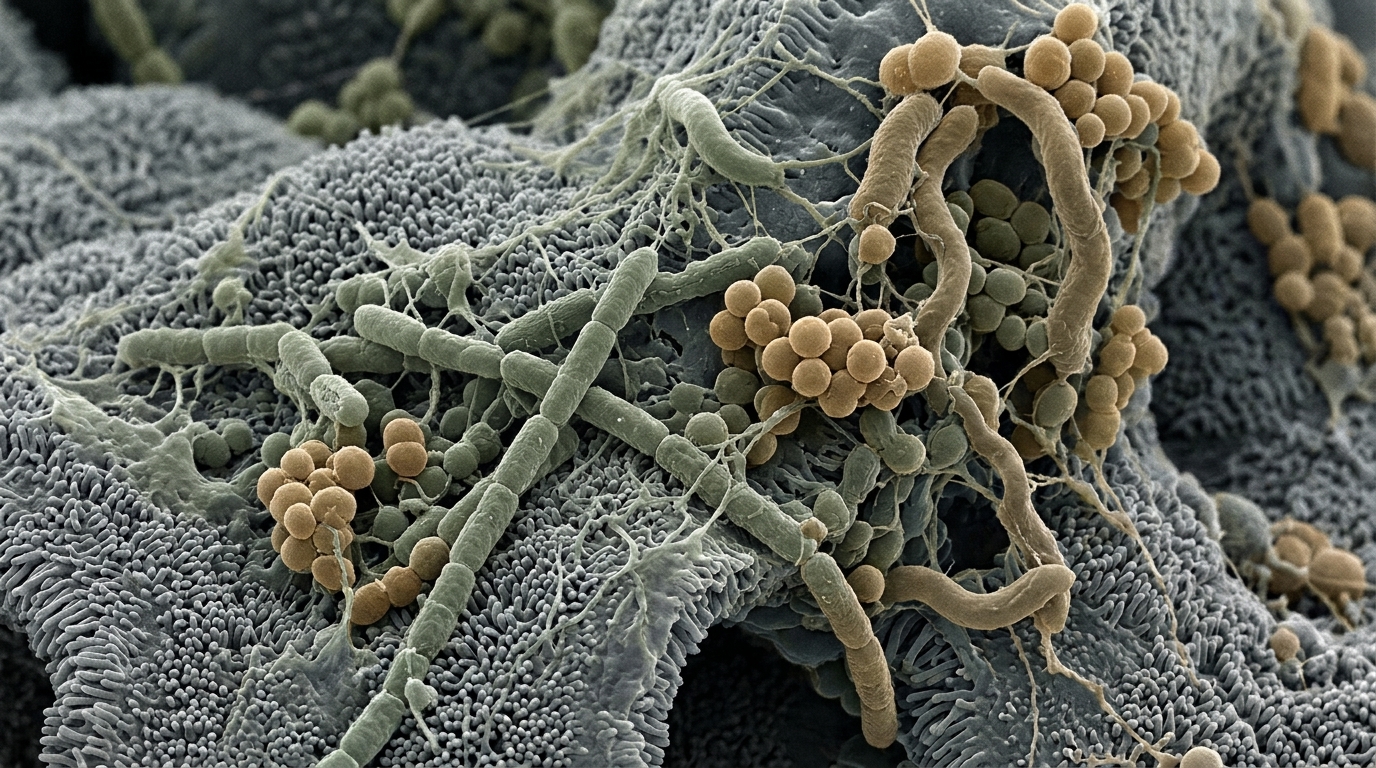
Image Credits: AI Generated
DOI: 10.1186/s12245-026-01370-3
Keywords: Marburg virus disease, Ethiopia outbreak, Jinka General Hospital, filovirus, remdesivir, viral clearance, case fatality rate, gastrointestinal hemorrhage, thrombocytopenia, leukopenia, transaminitis, supportive care, reverse transcription PCR, emerging infectious diseases, zoonotic infection, infection prevention and control

















 English (US) ·
 French (CA) ·