

When I think of a butterfly garden, butterfly bush (Buddleja davidii) is one of the first plants that comes to mind.
The clue's in the name: with its colorful flower clusters and nectar-rich blooms, it's easy to see why this shrub is such a favorite among gardeners looking to attract butterflies. However, butterfly bush has a complicated reputation, as it can become invasive in parts of the United States.
Sterile cultivars like this stunning Psychedelic Sky™ Butterfly Bush from Nature Hills offer a promising solution, producing little to no viable seed and reducing the risk of unwanted spread. That being said, if I was looking to create a garden that's as beneficial to local wildlife as it is beautiful, I'd also consider adding another native flowering shrub to the mix.
Shop Non-Invasive Butterfly Bush Options:
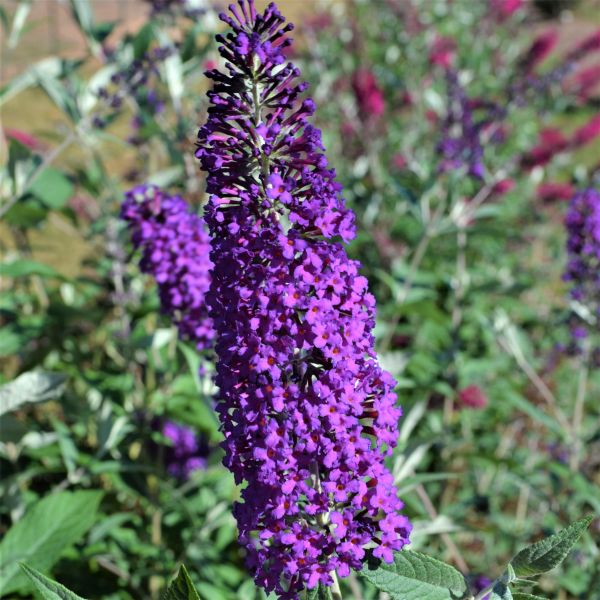
First Editions
Psychedelic Sky™ Butterfly Bush
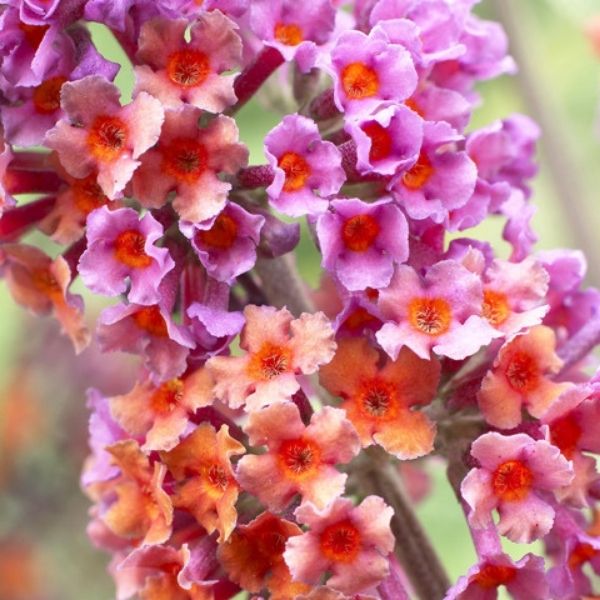
Plants That Work
Bicolor Butterfly Bush
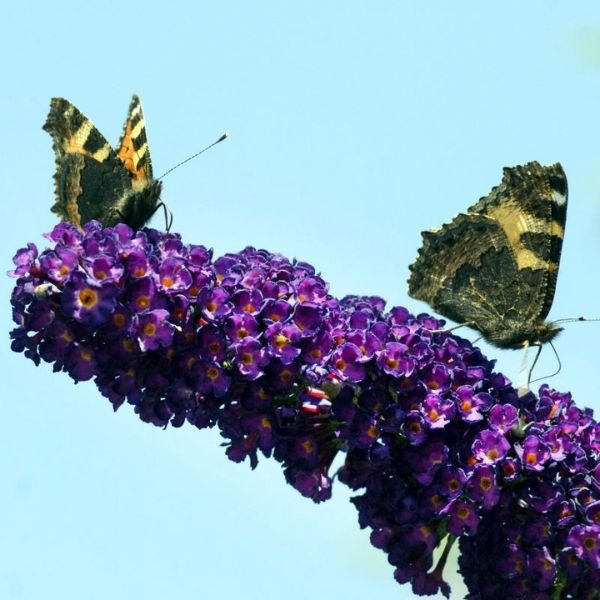
Nature Hills Nursery
Black Knight Butterfly Bush
A Beautiful Native Alternative To Butterfly Bush
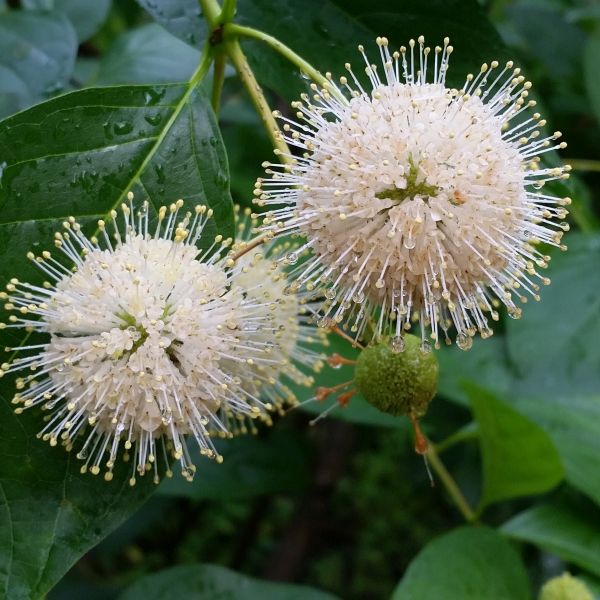
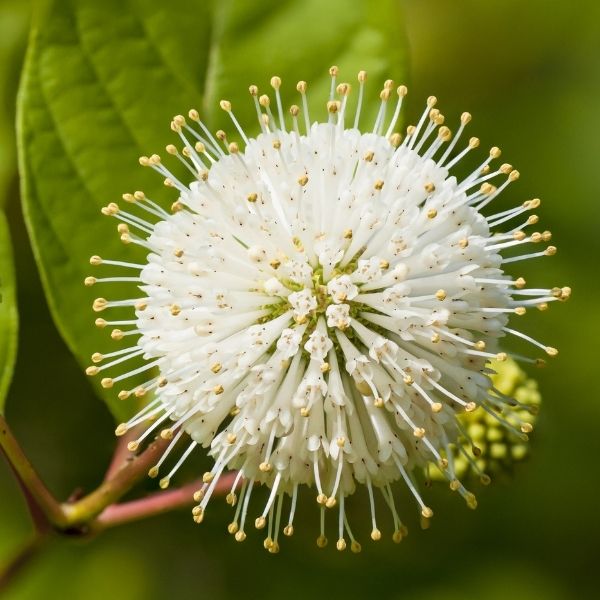
Native to much of the United States, buttonbush (Cephalanthus occidentalis) has its own distinctive charm, with spherical white blooms that attract pollinators and fruits that provide food for birds.
It's a wildlife-friendly butterfly bush alternative worth considering, particularly if you have moist soil or a rain garden, and a way to add another valuable native plant to the landscape.

(Image credit: Donna Bollenbach / Shutterstock)
Rather than producing tapered flower clusters like a butterfly bush, this uniwue alternative develops distinctive round, white flower heads that look a little like pincushions. Each globe is made up of many tiny tubular flowers, which typically appear during summer and fill the air with their sweet honey-like fragrance.
Its flowers provide nectar and pollen for bees, butterflies, and other pollinators, including hummingbirds. In fact, it's also one of the plants to add if you want fireflies in your garden, too. Win!
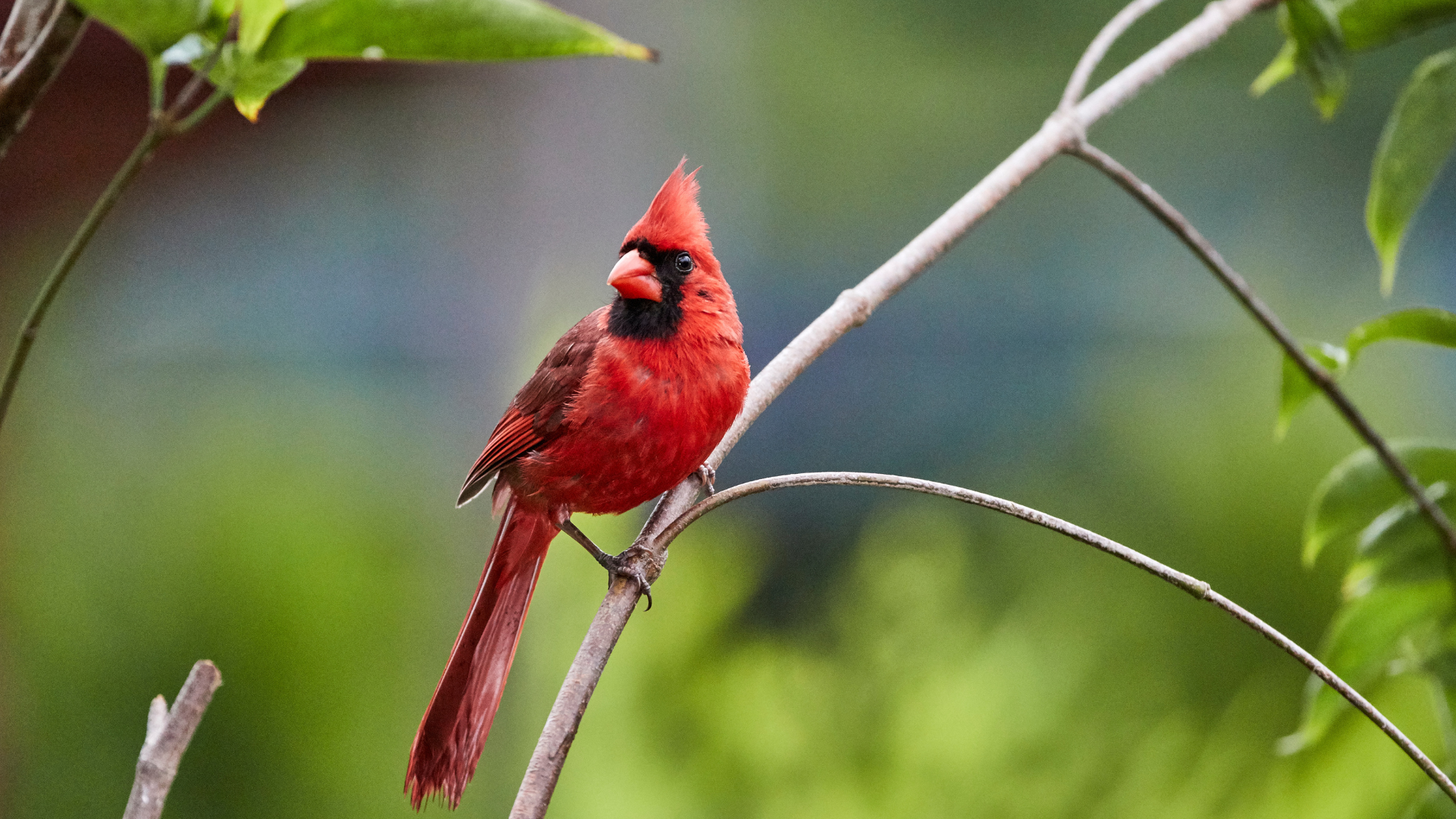
As if that weren't enough to make it a must-grow, the shrub also develops rounded clusters of fruits after flowering, which provide food for birds, including some waterfowl and songbirds (and likely your birth month bird, too!). Basically, for gardeners who want a shrub that looks interesting as well as serving a purpose, buttonbush is an appealing choice.
Shop Buttonbush Plants:
American Beauties
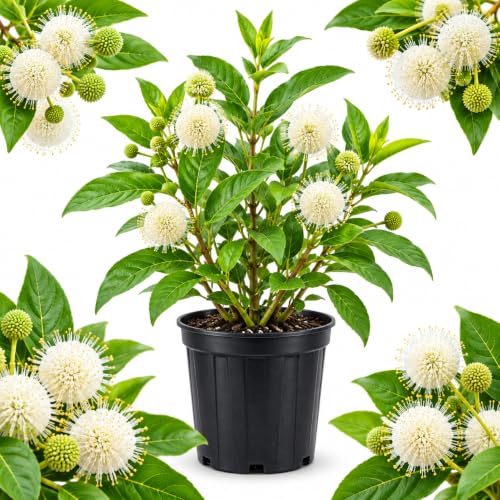
Buttonbush
GINGERGLOW
Buttonbush Live Plant
American Beauties
Crimson Comet Buttonbush
There's one important thing I'd consider before bringing buttonbush home: its preferred growing conditions. This butterfly bush alternative naturally grows in wet habitats, which means it thrives in moist to wet soil and can tolerate poorly drained areas where many ornamental shrubs struggle. All of which means that, if I had a spot that regularly stayed damp after rainfall, buttonbush would be high on my list of shrubs to consider.
It grows in full sun to partial shade, although flowering is generally better with adequate sunlight. Once established in the right location (aka not a dry garden or a hot border with fast-draining soil), though, it can become a standout and long-lived feature of the landscape.
So, sure, butterfly bush may still catch the eye, but buttonbush offers a compelling alternative for the right garden. If your soil stays moist and you have room for a larger shrub, this native beauty deserves a closer look... and, in return, it'll soon reward you by becoming a buzzing neighborhood hot spot for birds, butterflies, and more!
What could be better, quite frankly?











 English (US) ·
 French (CA) ·