

PROTECT YOUR DNA WITH QUANTUM TECHNOLOGY
Orgo-Life the new way to the future Advertising by AdpathwayHighlights
Being a metropolis for over 7.5 million people, Hong Kong is a vibrant city that offers visitors a unique experience of amazing infrastructure, great food, and culture. Despite the image of towering skyscrapers and built-up cityscapes, Hong Kong is considered one of the most biodiverse cities in the world, with 40% of the land designated as country parks, over 580 species of birds have been recorded, over 100 reptiles and amphibians, over 250 species of butterflies, and more than 130 species of dragonflies.
The many green spaces surrounding the city offer a wide selection of hiking trails, with mountainous areas and fairly large forest reserves. Birders may be surprised by the range of habitats you can find within this rather compact city. Hong Kong also offers visa-free entry for up to 30 to 90 days for many countries and is a perfect entry point into China, where even more avian wonders await.
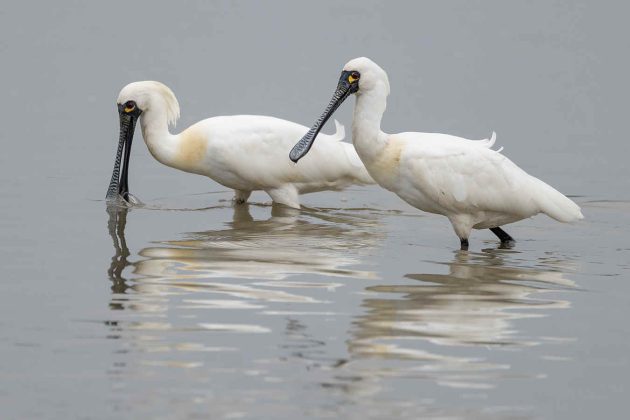
Black-faced Spoonbill
Key Bird Species and Families
While Hong Kong does not have any local endemics, there are a few Chinese endemics that occur here regularly, as well as a few species of global importance that come through annually during migration.
- Black-faced Spoonbill: a vulnerable species with just over 7,000 individuals in the world, Hong Kong receives close to 300 of these charismatic waterbirds each winter.
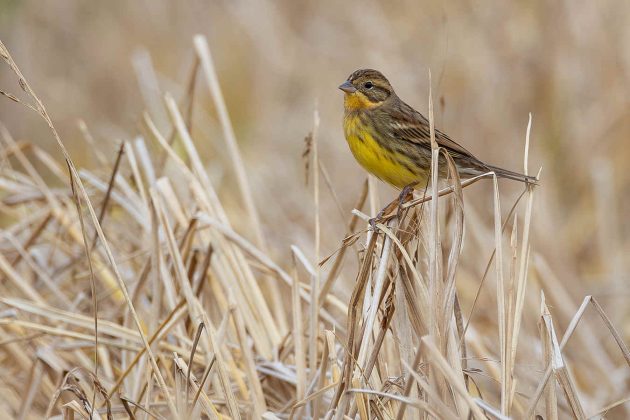
- Yellow-breasted Bunting: a locally common passage migrant in Hong Kong, this critically endangered species is still relatively easy to find in a few locations.
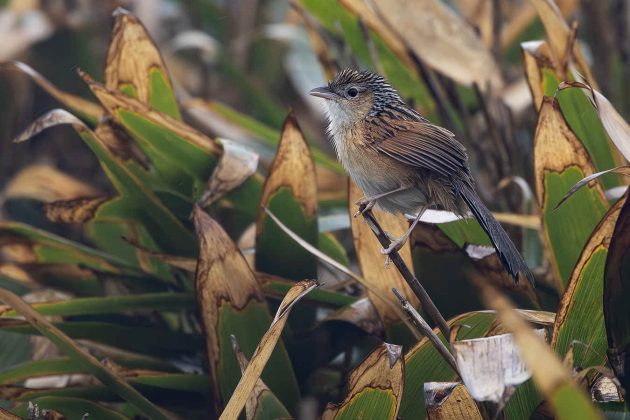
- Chinese Grassbird: a globally rare and range-restricted species, the grassy peaks around Hong Kong have historically been one of the better-known sites for this species.
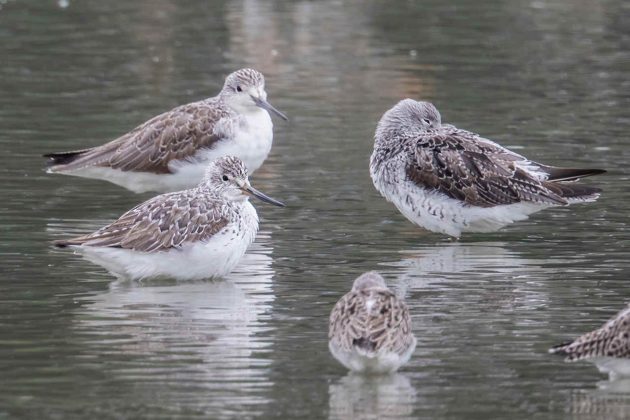
- Nordmann’s Greenshank: an endangered and often highly sought after wader, they are regularly sighted in Hong Kong during spring migration.
- Chinese Egret: a vulnerable and uncommon species throughout its range, they are mainly a passage migrant in Hong Kong.
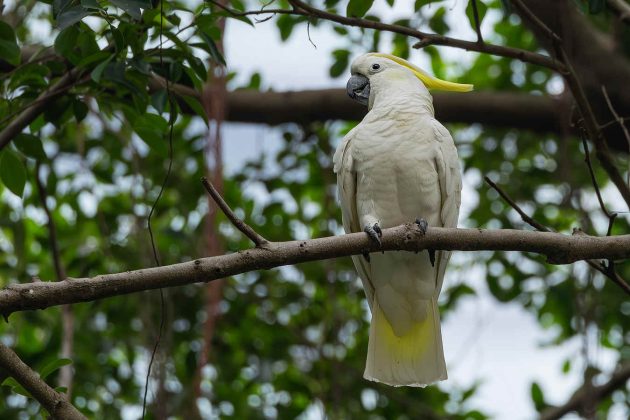
- Yellow-crested Cockatoo: While not a native species to Hong Kong, this critically endangered species has been introduced and naturalised in the city and is home to around 10% of the global population.
- Huet’s Fulvetta: A China endemic that occurs around the forest of Hong Kong.
- Hartert’s Leaf Warbler: A leaf warbler endemic to China, it is regularly sighted in Hong Kong during the winter months.
- Collared Crow: Hong Kong is one of the global strongholds for this vulnerable species.
Nordman’s Greenshank
Best Regions for Birding
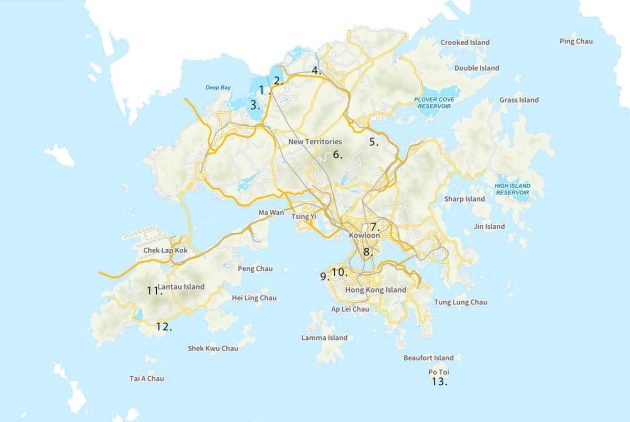
Hong Kong can be divided into four main areas: Hong Kong Island, Kowloon, New Territories, and offshore islands, while all of the major and well-known birding sites are concentrated around the New Territories. Each area has good birding spots, which allow good accessibility with a decent list of birds.
 Screenshot
New Territories
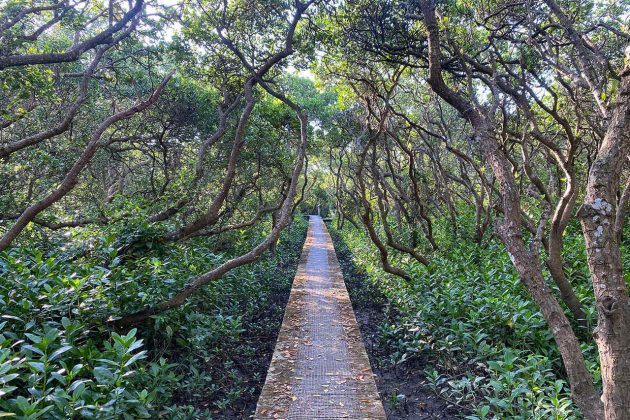
1. Mai Po Nature Reserve: No doubt the most well known nature reserve in Hong Kong, it is the best and prime site for many migratory waterbirds, as well as wintering ground for raptors and many migratory wetland species, key species here include Black-faced Spoonbill, Nordmann’s Greenshank, Asian Dowitcher, Saunder’s Gull, Black-capped Kingfisher, Chinese Penduline Tit, Chinese Egret and Eastern Imperial Eagle. Overseas visitors wanting to visit Mai Po need to apply for a permit beforehand. You can search for “Solo Walk for Naturalists – One Day Pass Application” and apply through WWF HK, or join one of their public tours to visit the reserve.
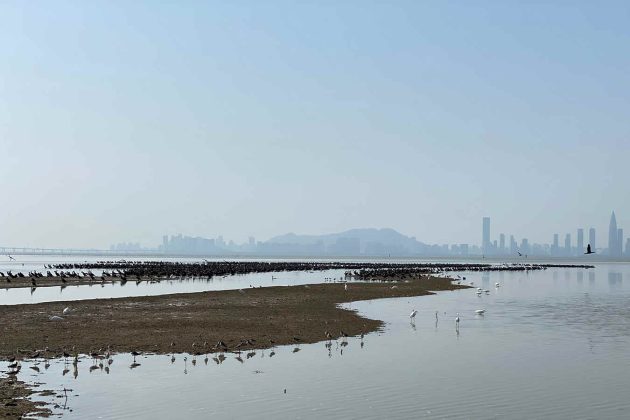
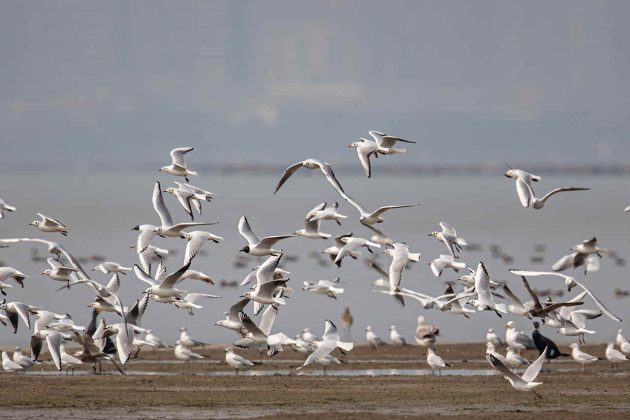
2. San Tin: A fish pond area close to Mai Po, while this large area of fish pond may soon be developed, it is a very birdy area, with Black-faced Spoonbills making regular appearances at drained ponds. Other than many regular wintering species, the site provides good habitat for migrants such as Oriental Plover, Oriental Pratincole, Sharp-tailed Sandpiper, Yellow-breasted Bunting, and Japanese Quail.
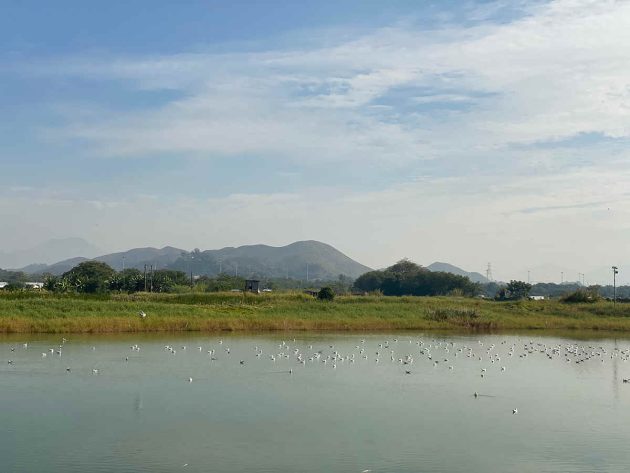
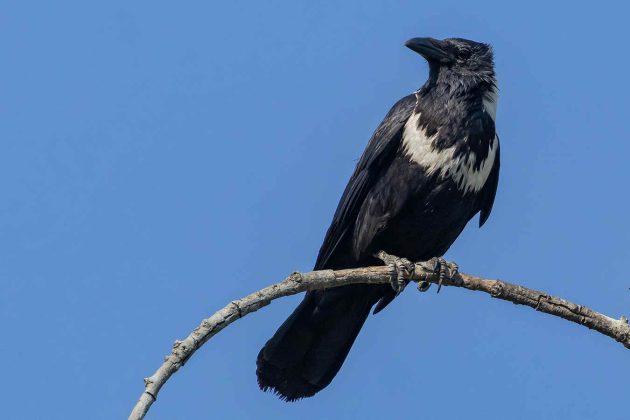
3. Tai Sang Wai: This fish pond area is similar to San Tin; it is generally a great area to look for Collared Crows or other rarer crows that may turn up in Hong Kong. Bluethroats winter here every year, and on passage, Black-browed and Manchurian Reed Warblers are often found here.
Collared Crow
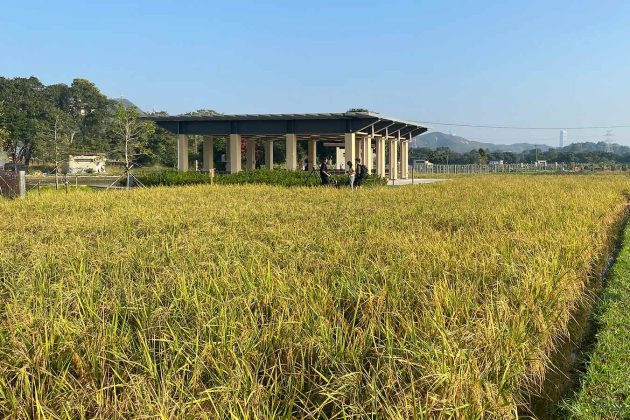
4. Long Valley Nature Park: An area of farmland and freshwater ponds, Long Valley has become known for the presence of migratory buntings during autumn migration, where the paddy fields attract Yellow-breasted Bunting, Chestnut-eared Bunting, Rustic Bunting and Black-headed Bunting; the ponds here also attract highly sought-after species such as Greater Painted Snipe, Brown-cheeked Rail and Bailon’s Crake.

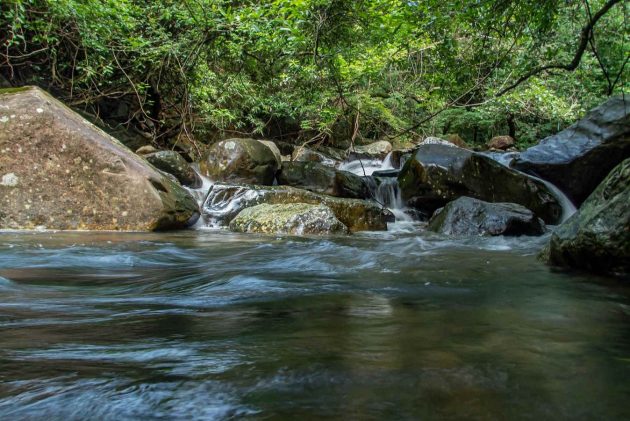
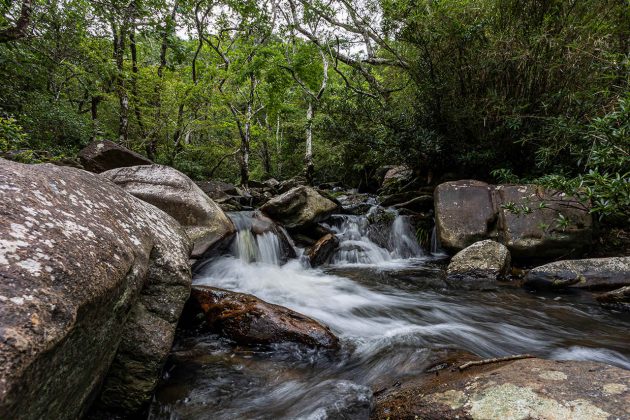
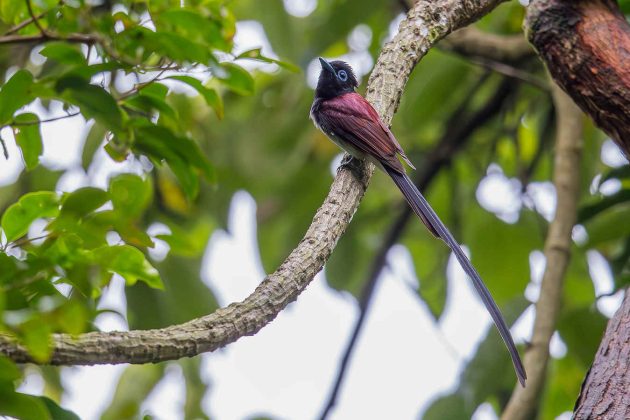
5. Tai Po Kau Nature Reserve: No doubt the best forest reserve with the most mature secondary forest in Hong Kong, it is the best site to look for our many resident forest species, as well as for wintering warblers and other migratory flycatchers. Key species to look for here are Huet’s Fulvetta, Chinese Barbet, Chestnut Bulbul, Pygmy Cupwing, Plain Flowerpecker, Yellow-cheeked Tit, Velvet-fronted Nuthatch and many more. Wintering warblers such as Hartert’s Leaf Warbler, Sulphur-breasted Warbler and White-spectacled Warbler can be found annually, while Black Paradise Flycatcher, Amur Paradise Flycatcher, Narcissus Flycatcher, Mugimaki Flycatcher and Brown-chested Jungle Flycatcher can all be found during the migratory season.
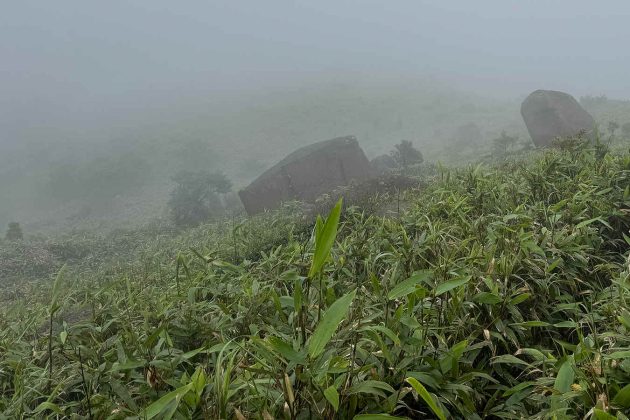
6. Tai Mo Shan: One of the most accessible sites for Chinese Grassbird in spring, a hike up to the area near the summit may also get you Chinese Francolin, Russet Bush Warbler, Brown-flanked Bush Warbler and Vinous-throated Parrotbill, Lesser Cuckoo and Hodgson’s Hawk Cuckoo are both possible.
Kowloon
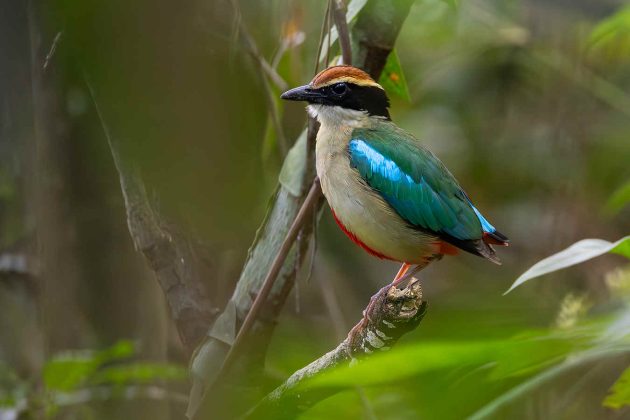
7. Ma Tau Wai Service Reservoir (Ho Man Tin): This small hill in Kowloon has become one of the most popular birding spot in recent years, the small area has attracted many passage migrants, from Narcissus Flycatcher, Blue-and-White Flycatcher, Yellow-rumped Flycatcher, Tiger Shrike, Fairy Pitta, Brown-chested Jungle Flycatcher, Northern Boobook and Grey Nightjar, the ever growing list of birds shows the endless possibilities of this site.
Fairy Pitta
8. Kowloon Park: Traditionally one of the better-known urban parks for birding, while not quite as popular now, the site still holds good areas for passage migrants. Birds such as Siberian Blue Robin, Rufous-tailed Robin, Taiga Flycatcher, Asian Brown Flycatcher, Amur Paradise Flycatcher, and Orange-headed Thrush are regular migrants here.
Hong Kong Island
9. Mount Davis: A very good area for migrants, the small hill on the west side of the island has produced some good migrants in the past, with a few notable vagrants. Passage migrants such as Radde’s Warbler, Tristram’s Bunting, Yellow-browed Bunting, Ashy Minivet and Narcissus Flycatcher are sometimes seen here.
10. Lung Fu Shan: An easy walk along Pik Shan Pavilion towards Lung Fu Shan Waterfall or up the Pinewood Battery is sure to produce a few birds. Black-throated Laughingthrush and Asian Emerald Dove are common here, while migrants such as Rufous-faced Warbler, Dark-sided Flycatcher, Small Niltava, White-tailed Robin, and Hill Blue Flycatcher have all been recorded here before. Yellow-crested Cockatoos can be found here regularly.
Yellow-crested Cockatoo
Offshore Island
11. Ngong Ping (Lantau): A famous tourist spot because of the Big Buddha, the quiet footpaths around Ngong Ping provide some good birding, especially during migration or in the winter months. While the dense vegetation makes it difficult, patience pays off with birds like Red-flanked Bluetail, Tristram’s Bunting, Japanese Thrush, Grey-backed Thrush, Rufous-tailed Robin and Asian Stubtail.
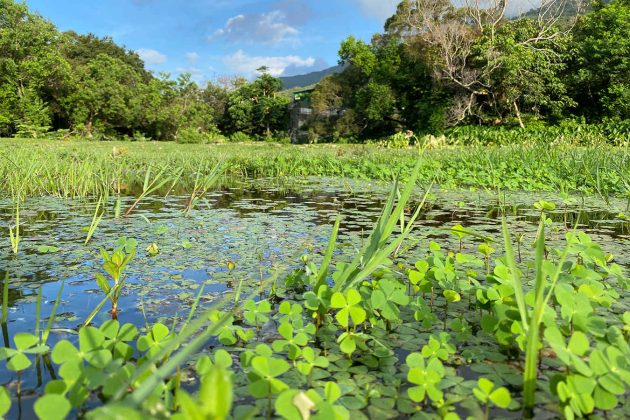
12. Shui Hau (Lantau): A wetland area with open grass fields and patches of trees, connecting all the way to a tidal mudflat with a mangrove forest. The variation in the habitat makes this a good birding spot with lots of potential, especially for migrants. Good birds such as Fairy Pitta, Yellow-rumped Flycatcher, Citrine Wagtail, Forest Wagtail, Brown-headed Thrush, and Black-capped Kingfisher have all been recorded here before. The mudflat is also quite good for various migrating waders.
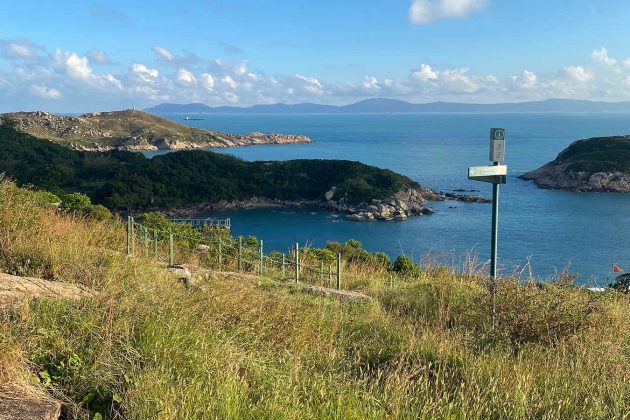
13. Po Toi Island: The most southerly point of Hong Kong, this site is most well known for various migrants that turn up there. The area with trees immediately around the pier and towards the helipad is traditionally the best place to look for migrating flycatchers. Fairy Pitta, Siberian Blue Robin, Narcissus Flycatcher, Yellow-rumped Flycatcher, Blue-and-White Flycatcher, and Black Paradise Flycatcher, just to name a few regular migrants, with chances for some vagrants there as well.
Best Birding Season
June – August: Quietest months of the year with very few migrants; some early autumn migrants start coming through late August.
September – November: Peak autumn migration, bird numbers start picking up around late September, this is a good time to look for Yellow-rumped Flycatcher, Amur Paradise Flycatcher, Amur Falcon, and Yellow-breasted Bunting.
Yellow-breasted Bunting
December – February: Wintering birds start arriving around late November and peak at around January, with good numbers of waterfowl and gulls in the wetlands.
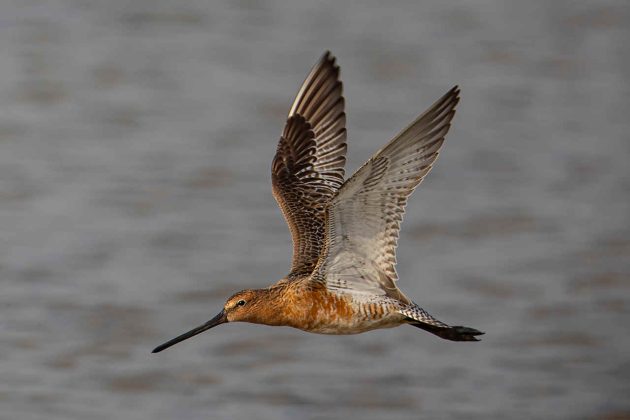
March – May: By March, the spring migrants start coming through, which peaks around April and slows down slightly by mid-May. This is the best time to look for birds such as Narcissus Flycatcher, Fairy Pitta, Nordmann’s Greenshank, Asian Dowitcher and Oriental Plovers, just to name a few.
Asian Dowitcher
Birding Trip Suggestion(s)
Hong Kong is best done in a 1.5- or 2-day itinerary. This will allow you to visit most of the key birding sites. I suggest doing a full day for the wetland species, which leaves a morning for the forest species.
- Day 1 – Long Valley early morning, good time to look for Greater Painted Snipe, with possibility for Brown-cheeked Rail and Ruddy-breasted Crake. During autumn migration, look for various Buntings. Around mid-morning, move on to Mai Po Nature Reserve. Depending on the tide, you can visit the mudflat hide or stay in the reserve to look at the roosting waders. Late afternoon visit Tai Sang Wai or San Tin for additional wetland species, also a great place to look for various starlings, wagtails, and pipits.
- Day 2 – Spend an entire morning at Tai Po Kau, best to do either the red or the blue walk, allow at least 4 hours of birding time here. Other than the regular resident species, winter is the best time to look for warblers and thrushes, while autumn and spring open up possibilities for migrants such as various flycatchers and Paradise-Flycatchers.
Black Paradise Flycatcher
Practical Tips
- Hong Kong is generally very safe to visit, both in the city and in the countryside.
- Public transport is reliable, although mini-buses can be a bit daunting for foreign visitors, buses and MTR are very well designed and easy to understand.
- Self-driving may be a bit difficult due to a lack of car rentals in the city; car rentals are also quite expensive.
- Most birding locations are accessible by public transport; even those without buses are usually reachable by taxi.
- Accommodation is very expensive in Hong Kong, expect to pay quite a high price for hotels in the city, I recommend birders to book hotels situated within the New Territories as they are closer to birding sites and usually cheaper than those in the city.
- REMEMBER to apply for the Mai Po permit at least a week before your visit. The reserve is quite strict about this, and you will not be able to gain access to the site if you do not have a permit.
- Feeding any wild animal or birds is illegal in Hong Kong; there are no feeding stations here, and any photographers feeding the birds could face a hefty fine of $5,000 on-the-spot.
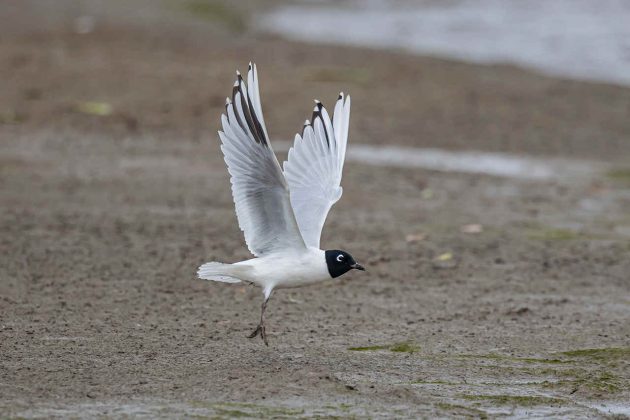
Saunder’s Gull
Books
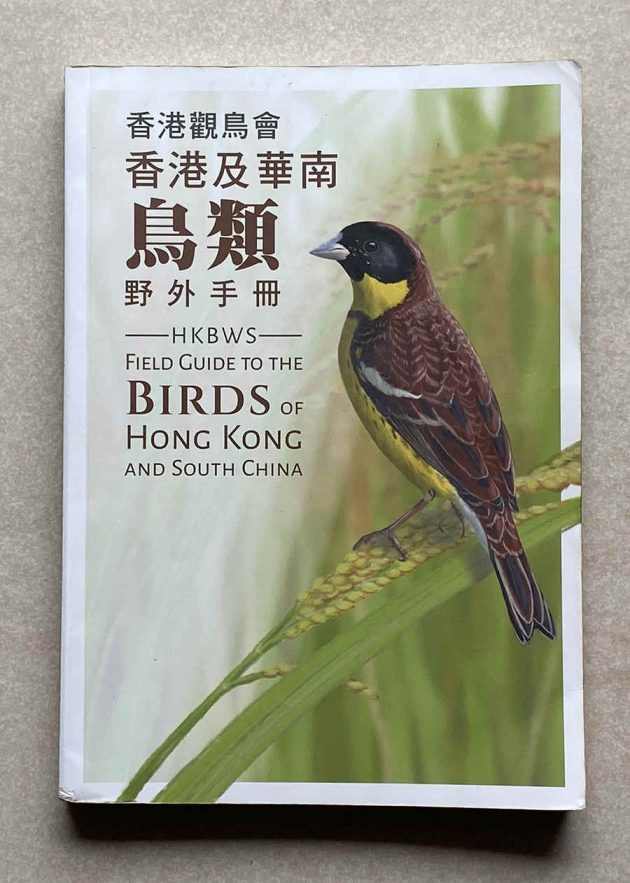
- HKBWS Field Guide to the Birds of Hong Kong and S. China
- Birds of Hong Kong and South China by Clive Viney, Karen Philips and Lam Chiu Ying
Links
- “As the Crow Flies – a Hong Kong Birding Blog” by Matthew Kwan (http://matthewkwanbirding.blogspot.hk/)
- “John’s Hong Kong Birding Blog” by John Holmes (https://johnjemi.blogspot.com/)
- “Birding Hong Kong” by David Diskin (https://www.birdinghongkong.com/)
Chinese Grassbird
By Matthew Kwan
Matthew is a bird guide based in Hong Kong. He is currently a member of the Record Committee for the Hong Kong Bird Watching Society. Matthew can be reached at [email protected]
Chinese Egret
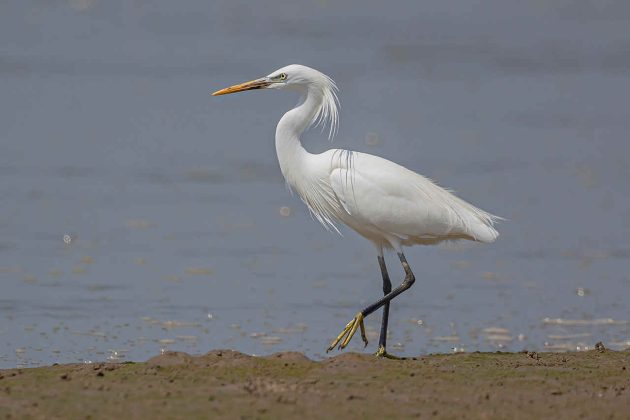
Illustration: GFDL, CC BY-SA 3.0 https://creativecommons.org/licenses/by-sa/3.0, via Wikimedia Commons













 English (US) ·
  French (CA) ·