

 1 year ago
193
1 year ago
193
PROTECT YOUR DNA WITH QUANTUM TECHNOLOGY
Orgo-Life the new way to the future Advertising by AdpathwayCreating a wildlife garden is a great way to contribute to sustaining and supporting the environment. It’s also a great way to bring a piece of the natural world into your space. Many plant lovers and gardeners worry that they don’t have enough room to make an impact. The good news is that even small space wildlife gardens can be effective and beneficial to your local ecosystem.
A courtyard in the suburbs, a small yard, and even an urban balcony can be a welcoming support for wildlife. There are birds and insects everywhere, and they all have one thing in common: they need a place to live, reproduce, and eat. By using your space wisely, you can provide these things, even if you only have a few square feet to work with.
Wildlife gardens, no matter the size, act as stepping stones for many of the native wildlife species that inhabit the areas around us. They allow them to move safely through fragmented landscapes. This strengthens biodiversity and benefits the environment as a whole. They’re also one of the easiest and most low-maintenance types of gardens you can grow.
Finally, watching pollinators, birds, and other creatures thrive in your garden creates a feeling of connection to the ecosystem. They allow us to be good stewards of the space we take up, support life, and bring the peace and well-being that comes from connecting with the natural world. Here are some steps you can take to create your own wildlife garden in a small space.

GreenStalk Vertical Planter

GreenStalk 7-Tier Vertical Planter
Bokashi Kitchen Compost Bin
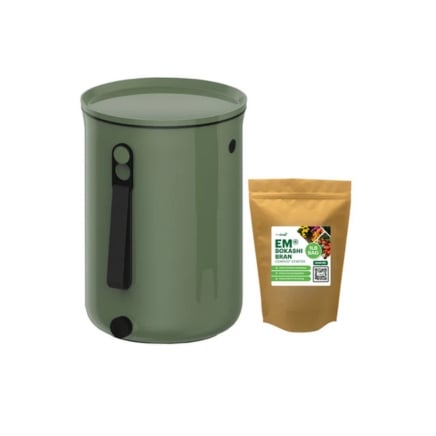
Bokashi Kitchen Compost Bin
Step 1: Choose Multi-Purpose Native Plants
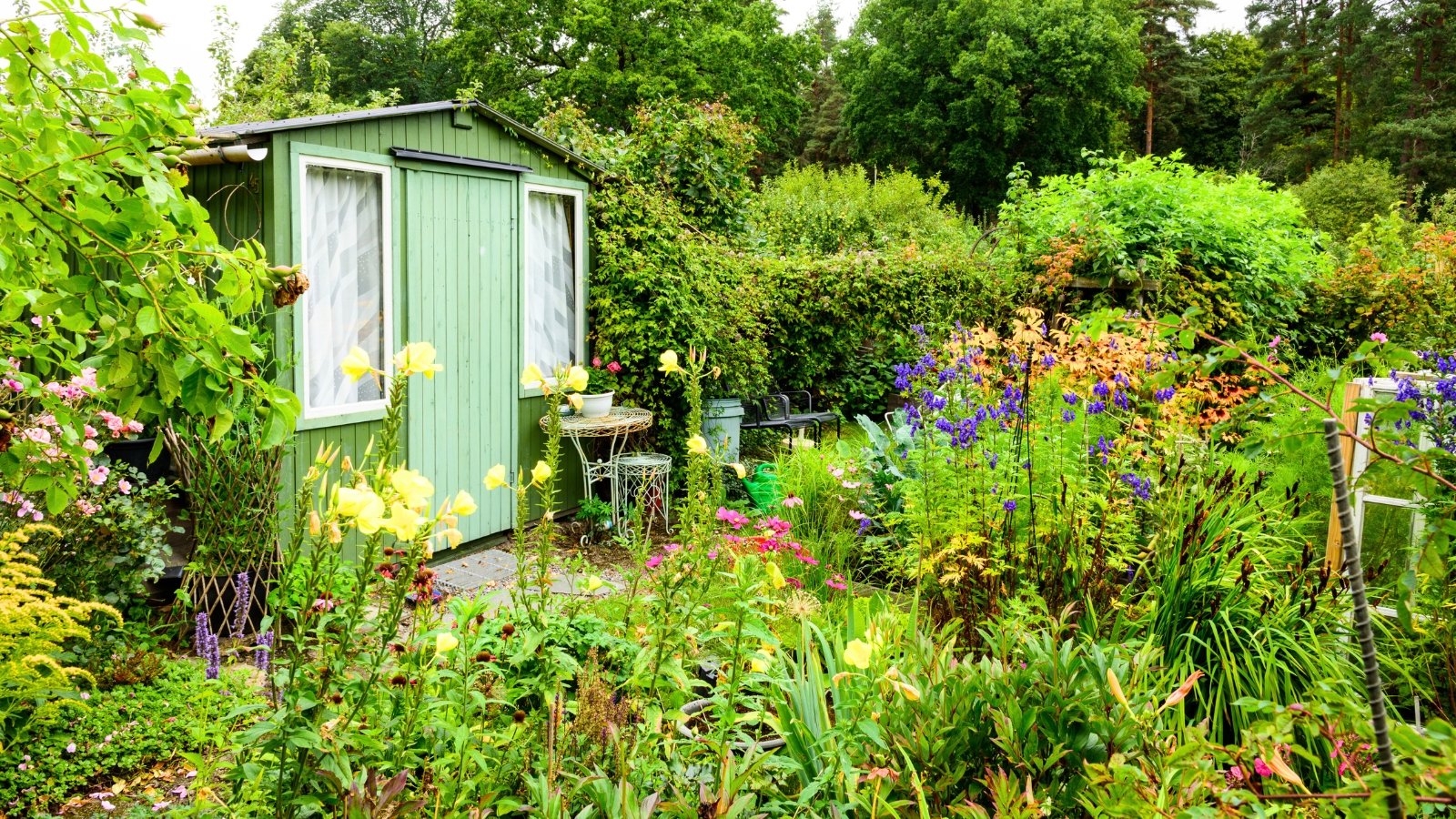 Layering plants allows for more function in less space.
When building a small space wildlife garden, a helpful practice is to select multi-purpose plants. This gives you the most ecological and aesthetic value for the footprint. Plants that support more than one type of lifeform are the ideal choices, and the more they overlap, the better.
In a smaller space, you want to create layers, both physically and functionally. Planting butterfly host plants but neglecting to plant nectar sources won’t make your garden as appealing as one that has both. Planting herbs can benefit wildlife and serve you as a multi-purpose plant in the kitchen.
Here are some examples of multi-purpose plants that you can utilize. We will talk about their functions in a moment. Always keep in mind that native plants are preferable. They offer the most natural food sources for local species and are the easiest to care for.
Small-Scale Trees and Shrubs
 Buttonbush offers summer nectar and winter seedheads.
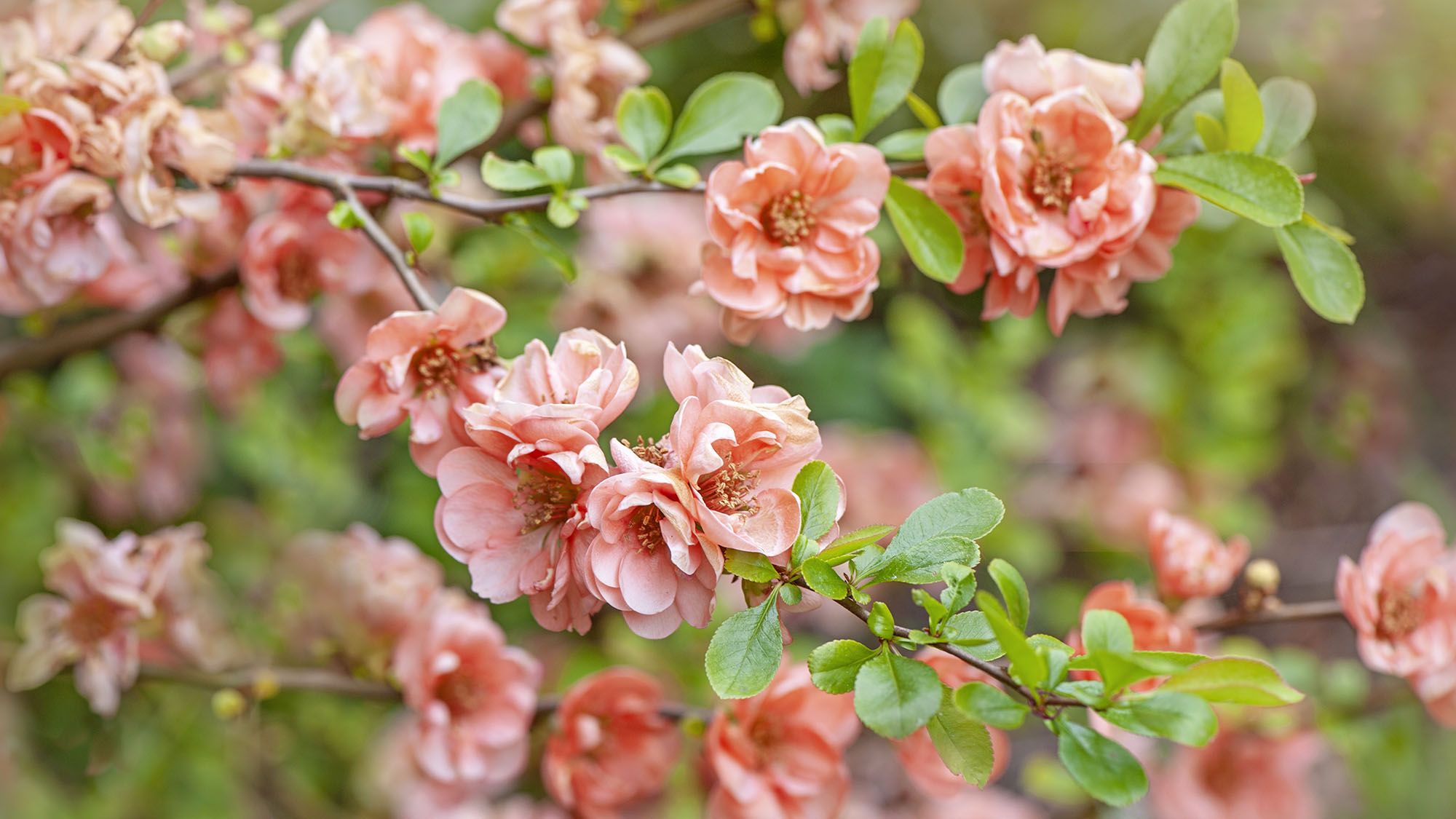
Trees and shrubs are the backbone and foundation of any wildlife garden. This is tricky when your space doesn’t accommodate many larger plants. The key is to choose species that stay small or can grow in a container, and offer multiple benefits to different species. Look for trees and shrubs that produce nectar-rich flowers, fruit, or berries, and spaces for nesting.
Here are some suggestions:
- Redbud – Early spring flowers, seed pods in fall, beautiful fall foliage.
- Chickasaw Plum – Masses of spring flowers, fruits, and dense foliage.
- Serviceberry – Spring flowers, summer berries, fall foliage, and attractive bark in winter.
- Fringe Tree – Nectar-rich flowers, fruits in summer.
- American Beautyberry – Spring flowers, summer and fall berries, sometimes persist until winter.
- Fothergilla – Spring flowers and attractive fall foliage.
- Buttonbush – Summer nectar source, seed heads in fall and winter.
Perennials
 Long-blooming plants supply food from spring to fall.
Perennials are the heart and soul of the wildlife garden. They do a lot of heavy lifting when it comes to nectar and seeds, particularly in small spaces where trees and shrubs are challenging. The best selections will be those that bloom across multiple seasons, produce a lot of nectar, and have substantial seed production.
Consider some of these great plants:
- Salvia – Great nectar plant, beautiful, semi-evergreen.
- Black-Eyed Susan – Nectar plant, as well as a good seed producer, is drought-tolerant.
- Coneflower – Long-blooming nectar flower, valuable seed producer, drought-tolerant.
- Tickseed – Good nectar source, prolific self-seeder, compact.
- Goldenrod – Excellent fall nectar and pollen source, bumblebees flock to it, drought-tolerant.
- Anise Hyssop – Good for partially shaded areas, excellent nectar plant, long-blooming, drought-tolerant.
- Milkweed – Host and nectar plant.
Ground Covers and Vines
 Vines link garden layers while feeding busy pollinators.
Groundcovers and vines are the unexpected heroes of the wildlife garden. They fill in bare spaces, linking layers seamlessly. They often flower and provide excellent food sources for wildlife, and maximize the aesthetic appeal of your smaller space. However, many of these require heavy pruning to keep them small, so do some research before you choose one to fit with your ability to prune.
Here are some fantastic choices:
- Coral Honeysuckle – Southeastern native nectar producer with berries in the fall.
- Passionflower – Nectar and host plant for butterflies; some produce edible fruit.
- Carolina Jessamine – Evergreen with nectar-rich, fragrant flowers. Lightweight.
- Frogfruit – Groundcover and host plant with nectar-rich flowers, good for partial shade.
- Partridgeberry – creeping evergreen with flowers and berries, good for partial shade.
- Wild Strawberry – Gently spreading, small edible fruits and nectar-rich flowers.
- Sunshine Mimosa – Attractive sun lover, great for sloped areas, good nectar producer.
Step 2: Support Pollinators
 Diverse bloom shapes encourage visits from many pollinators.
An integral aspect of supporting pollinators in your small space wildlife garden is diversity and pollen and nectar production. In addition to food production, seasonality and bloom time are important aspects to factor in. Choose plants that produce a lot of flowers, bloom for an extended period, and bloom at different times of year.
Mix flower colors and shapes to attract a wide range of species. Bees love blue and purple flowers with a good landing spot, hummingbirds and butterflies like these, along with red, tubular flowers. Choose plants of different sizes and sun needs to create layers of different bloomers.
Pollinators need a water source, so providing this will really help them along the way. They also need nesting spaces, which include bare ground patches, hollow stems, soft leaves, and other brush. A small brush pile is incredibly beneficial in the fall, as many will overwinter here. Leave stems standing in the fall as well.
Another incredibly important factor in supporting pollinators is to avoid using chemicals. This can be difficult depending on your region, but using poison to control nuisance insects will also harm beneficial ones.
Step 3: Support Birds
 Shaded water sources help birds stay cool and hydrated.
Supporting birds in your small space wildlife garden is about creating a miniature-sized ecosystem. In order for them to visit and stick around, you need to provide for all of their basic needs: food, water, shelter, and nesting material. These things should be available at all times of the year if possible.
Native plants that produce berries are an excellent food source for birds. Seed-producing flowers provide food in fall and winter. Hummingbirds need nectar plants, and all birds thrive on a diet rich in insects. Caterpillars are a favorite.
Birds need clean water sources, so a small fountain or birdbath is integral. All living things need water to survive. In hot climates, you’ll want your water source to sit in a shaded area where it won’t heat up in the sun.
Birds need nesting materials, but more importantly, they need safe nesting spaces. If there is a safe place to nest, they will travel to find nesting materials. If there aren’t, they will look elsewhere. Use a mixture of deciduous and evergreen plants. Consider providing nesting boxes for small birds like wrens and bluebirds.
Step 4: Think Vertically
 Vertical planters bring trailing flowers into every layer.
When you have a limited footprint in your small space wildlife garden, thinking vertically makes that space much larger. Taking up vertical space is a great way to create protective layers and add additional food sources. It also creates a more harmonious aesthetic. This is where those climbing vines and small trees come into play.
You can create a trellis as a backdrop for your lower layers and use it for growing a flowering and fruiting vine. Vertical planters can be a veritable waterfall of trailing plants and flowers. They also create safe, cozy nesting spaces.
You should aim to create about four vertical layers:
The first foot of space nearest the ground. Plant useful ground covers that provide food and prevent weeds and erosion. Creates a foraging habitat for birds to find insects.
The next three feet of height is where native perennials produce flowers and seeds.
Three to eight feet from the ground, use shrubby plants here to provide food, shelter, and protection from wind and weather.
Small trees are best in this space to create shade, shelter, and nesting space, in addition to food. Vertical vining plants are great in this space as well.
Step 5: Maintain Sustainably
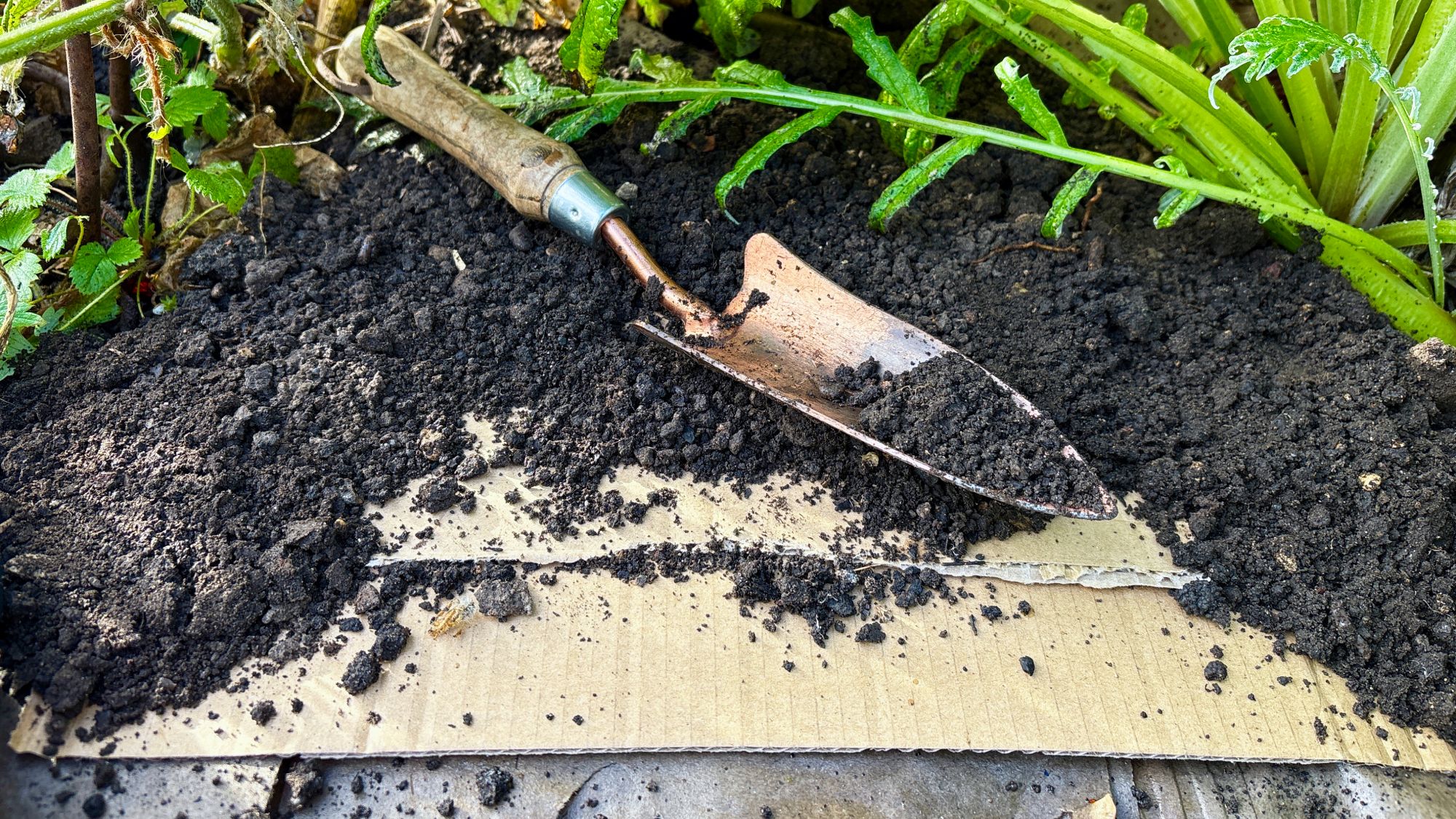
 Compost piles turn organic waste into rich soil.
Sustaining a small space wildlife garden means nurturing it and treating it as a living ecosystem. It’s not an ornamental display that needs constant manicuring and tidying. It should be naturally renewing, balanced, and left alone as much as possible.
Healthy soil is the foundation of your sustainable wildlife garden. Start a compost pile to create nutrient-rich, organic compost, which enriches your soil. Use natural mulches, like fallen leaves or pine straw, to maintain moisture and control temperature. Avoid disturbance as much as possible, like frequent mowing and digging.
Conserve water by planting native plants, as these plants will be naturally well-adapted to your climate. Collect rainwater to sustain perennials through a dry spell. Use permeable surfaces where water can soak through, and gravel rather than concrete for walkways.
Reduce chemicals by avoiding herbicides and pesticides. Encouraging beneficial insects will help to keep nuisance pest populations down. Understand and accept that a wildlife garden is always best when it’s a bit messy. Chewed leaves mean caterpillars. Leftover hollow stems and leaf litter provide shelter in the fall and winter.
As much as possible, use natural, non-chemical materials, including fertilizers. Native plants won’t require as much fertilizer, water, or care as non-native species. Planting these and practicing restraint will create the most natural, small-space wildlife garden possible.













 English (US) ·
  French (CA) ·