

 10 months ago
185
10 months ago
185
PROTECT YOUR DNA WITH QUANTUM TECHNOLOGY
Orgo-Life the new way to the future Advertising by AdpathwayOrnamental grasses bring multi-season interest and movement to the landscape from naturalized arrangements to mixed borders and foundation plantings. Their display extends into winter with persistent seedheads and rustling blades that glimmer in frost.
Big bluestem is no exception, offering extended winter interest in a durable form. Once the hallmark of American tallgrass prairies, big bluestem is at home in the garden, with upright blades, substantial height, and full color.
A top-performing cultivar of the species is ‘Red October.’ True to its name, the color-changing foliage transitions from deep green with red tips to vibrant, coppery red in the fall. Fine blades add texture and sway while the architectural form lends structure.
Feature big bluestem ‘Red October’ as a backdrop in the summer and fall-blooming perennial border for a layered display with ecological benefits.
Big Bluestem ‘Red October’ Overview
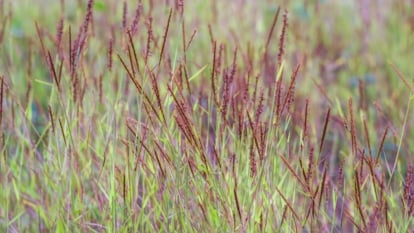
|
Botanical Name Andropogon gerardii ‘Red October’ Plant Type Perennial grass Family Poaceae Genus Andropogon |
Species gerardii Exposure Full sun Height 4-6’ Watering Requirements Low |
Pests & Diseases No significant problems Maintenance Low Soil Type Average Hardiness Zone 4-9 |
What is Big Bluestem ‘Red October’?
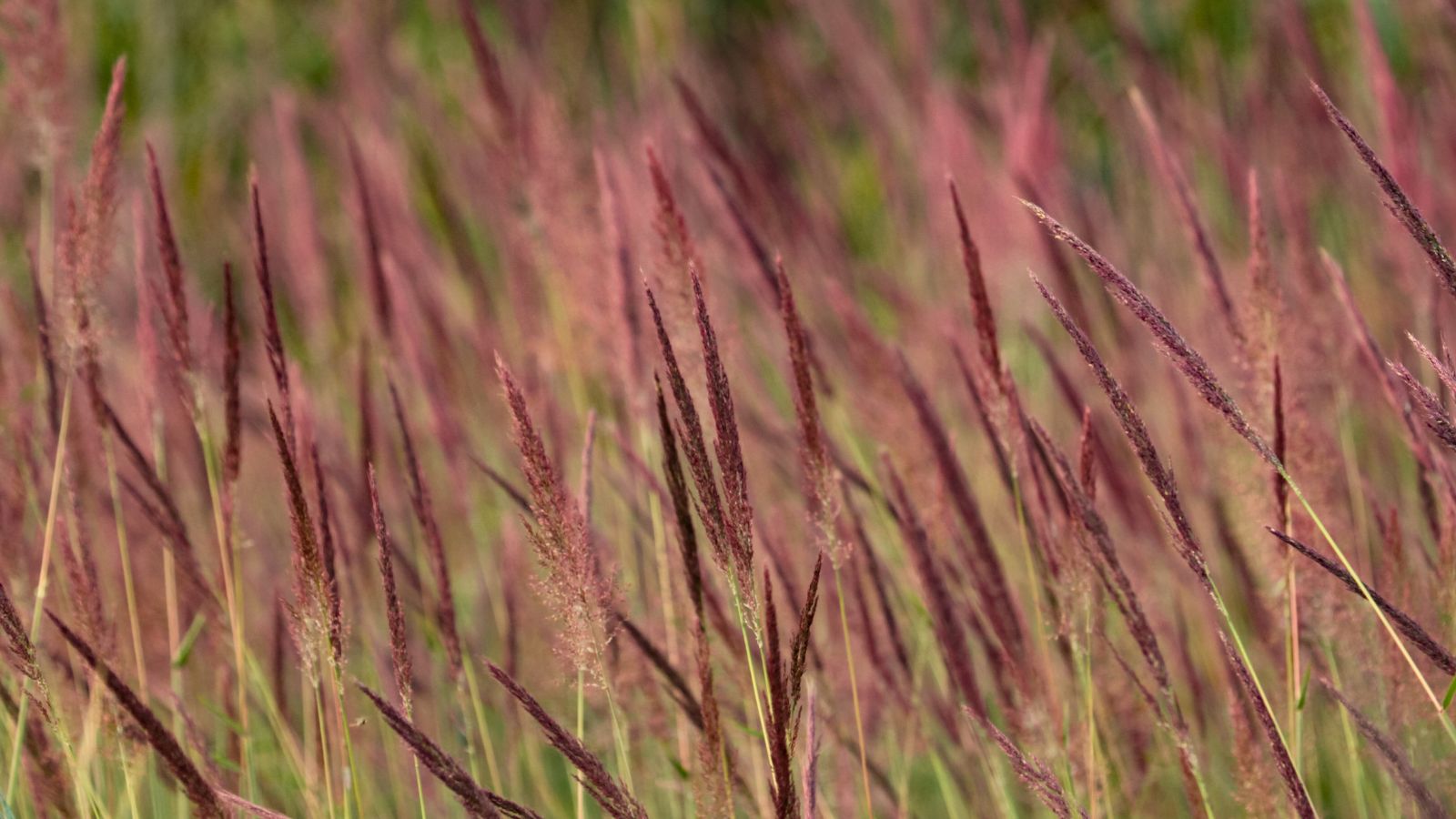 This ornamental grass looks stunning in mixed borders.
 Perennial grasses with height like big bluestem make excellent screens, naturalized plantings, and featured specimens in the mixed border. With deep root systems, they provide services like erosion control, slope stabilization, and waterwise landscape solutions.
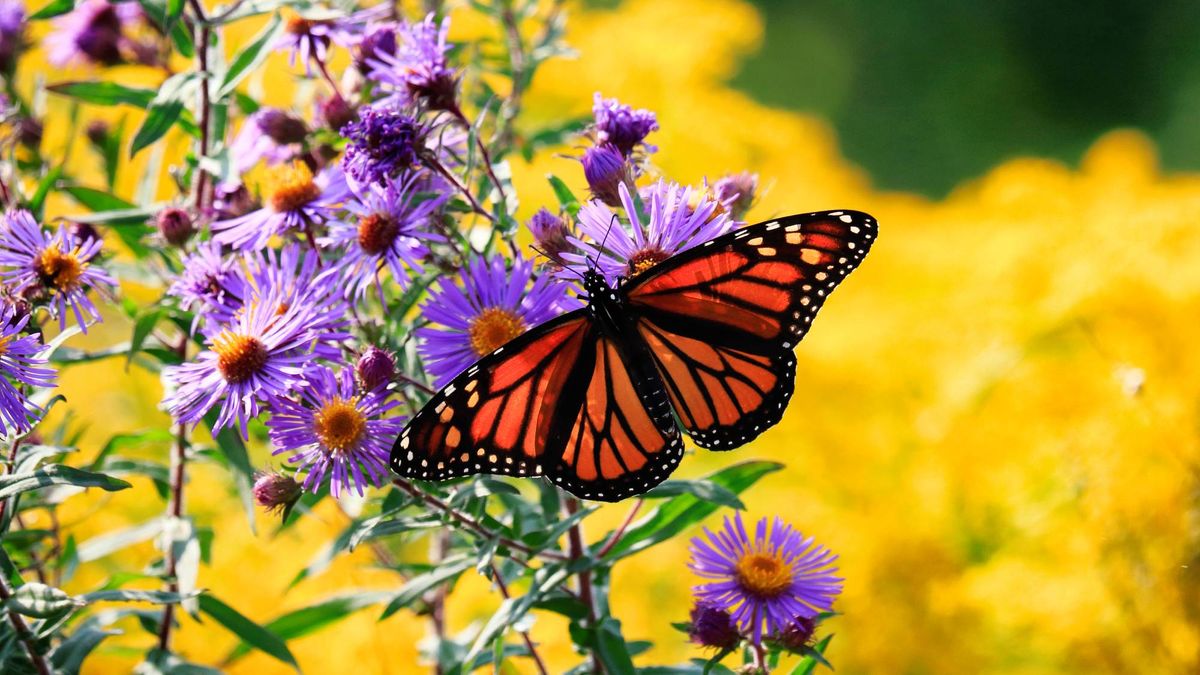
In winter, dried blades become shelter and nesting sites for pollinators and other overwintering garden inhabitants. And, big bluestem is a host to a number of butterfly and moth species.
Big bluestem is a bunchgrass that emerges early in the spring, ahead of many others. Blue-green blades transition to coppery red in the fall. The long-lived specimens are durable and adaptable, needing little tending to thrive. ‘Red October’ takes the color shift to new heights on a strong, upright form. With blades that grow redder in cold weather, the interest lasts into winter.
Feature big bluestem ‘Red October’ in meadow and prairie plantings, cottage gardens, and rain gardens. They intermingle beautifully with blooming perennials like aster, solidago, and rudbeckia for a summer-to-fall glow. Use it in a mass or in small groups for impact.
Big bluestem ‘Red October’ is an open-pollinated seedling of A. gerardii ‘Indian Warrior,’ a tall, purple-toned specimen. Developed in 2009 by Brent Hovarth of Wisconsin and released by Intrinsic Perennials, Inc. of Illinois in 2013, the narrow foliage and rich coloration are a draw.
Characteristics
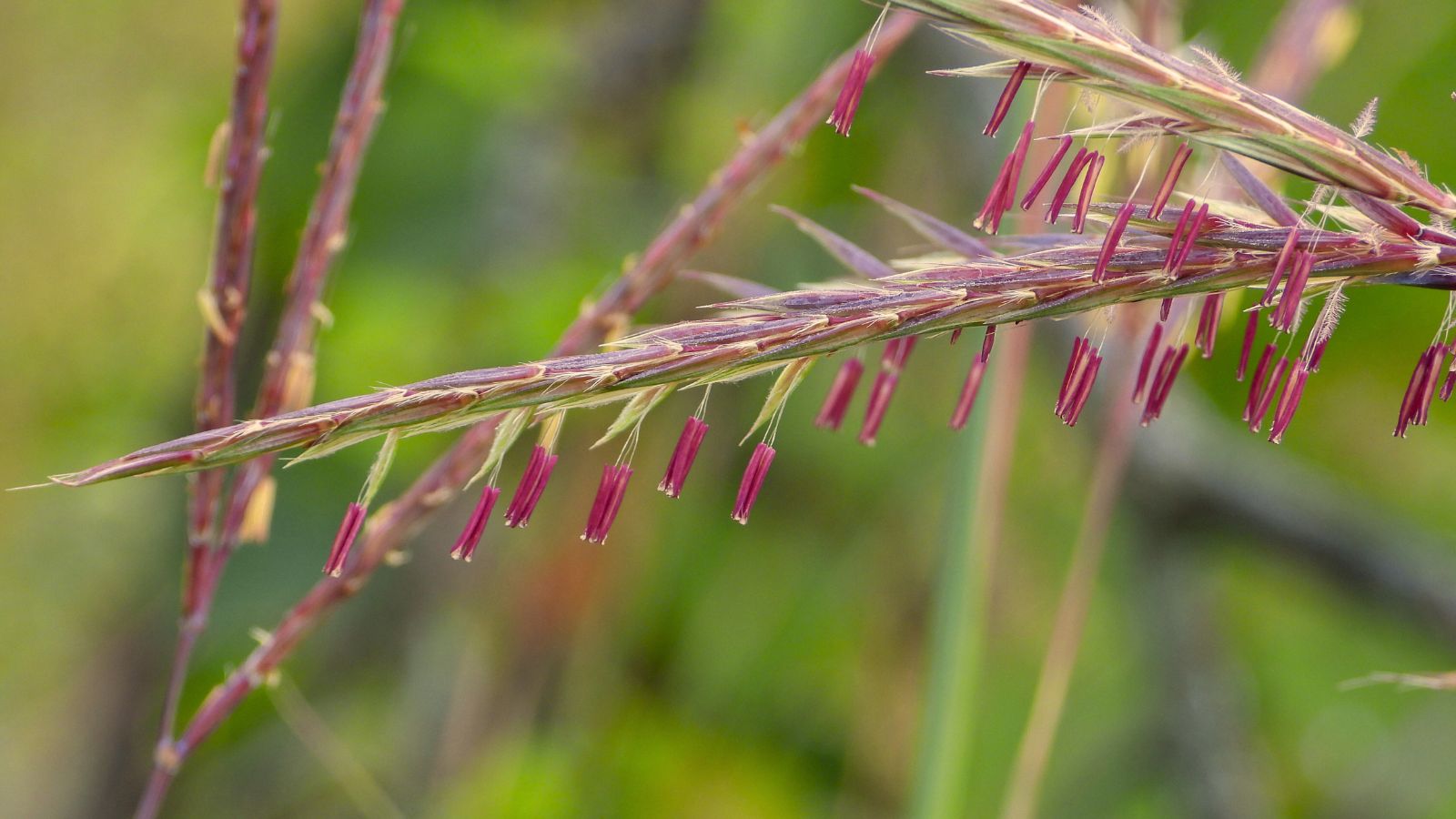 The leaves are dark green with red highlights.
 Big bluestem ‘Red October’ is a perennial warm-season grass that makes an excellent landscape addition with its clumping form, sturdy upright habit, and tall blades. A compact spread of two to three feet makes it versatile across spaces where height is an asset.
Slender leaves begin dark green with red highlights. With fall’s cooling temperatures, foliage turns a deep burgundy red, only to light up in bright red and scarlet after frost.
Adding to the interest are red inflorescences that appear in late summer, often in August, with a “turkey-foot” shape. Silvery tufted seeds appear in late summer for a shining contrast with the purple-red leaves.
Big bluestem ‘Red October’ has the rugged constitution of its parent species. Drought and salt tolerant, it also withstands urban conditions. The cultivar is a good option for erosion control and stabilizing soil, in addition to its naturalistic appeal. The fine-bladed foliage isn’t a favorite of rabbits and deer, but recovers from any browsing.
Native Area
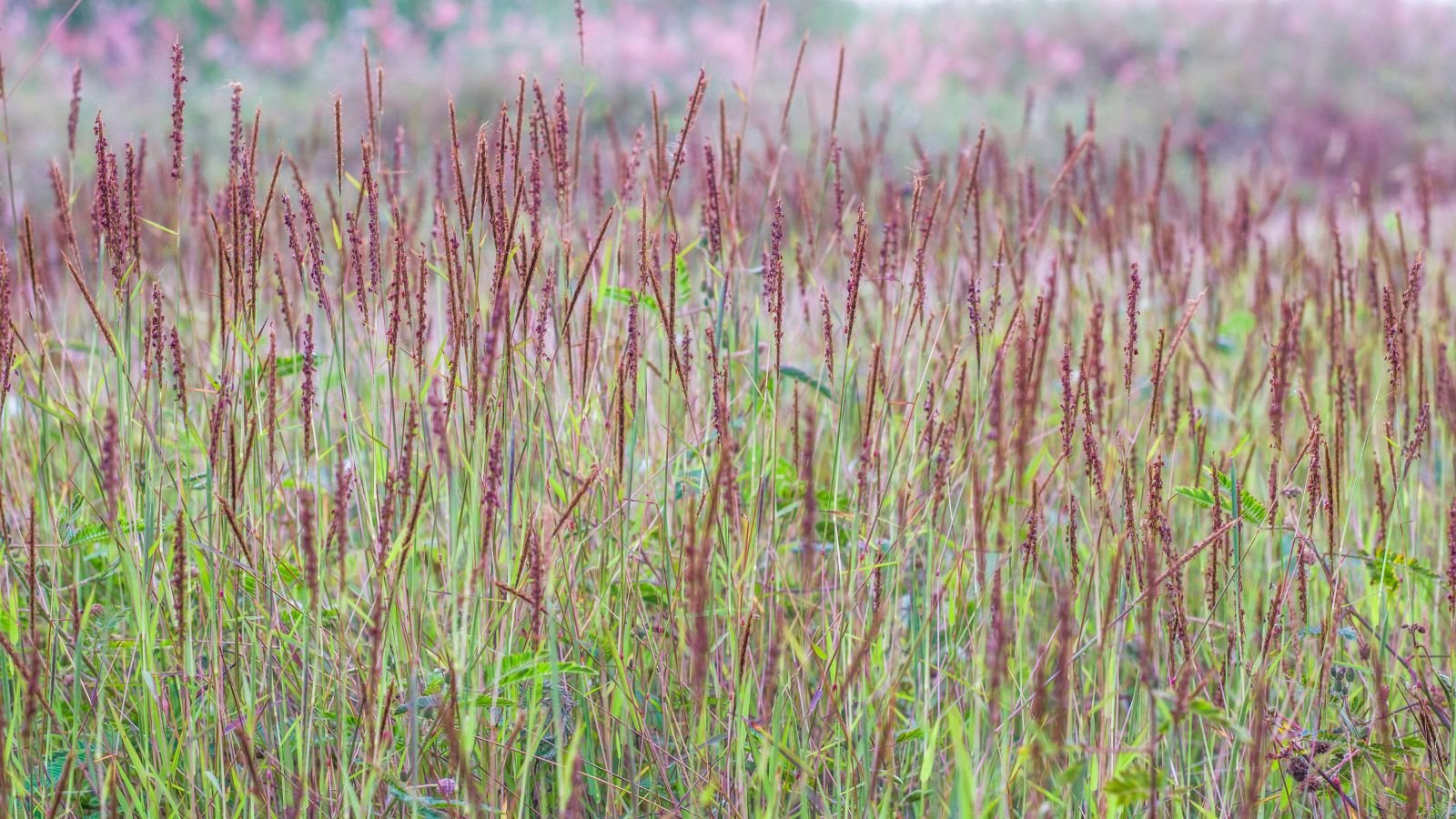 The original species is native to North America.
 Andropogon gerardii has a wide native range across much of North America. Historically, a dominant species of tallgrass prairies, it suits a variety of conditions from upland prairies to meadows with more moisture.
Planting
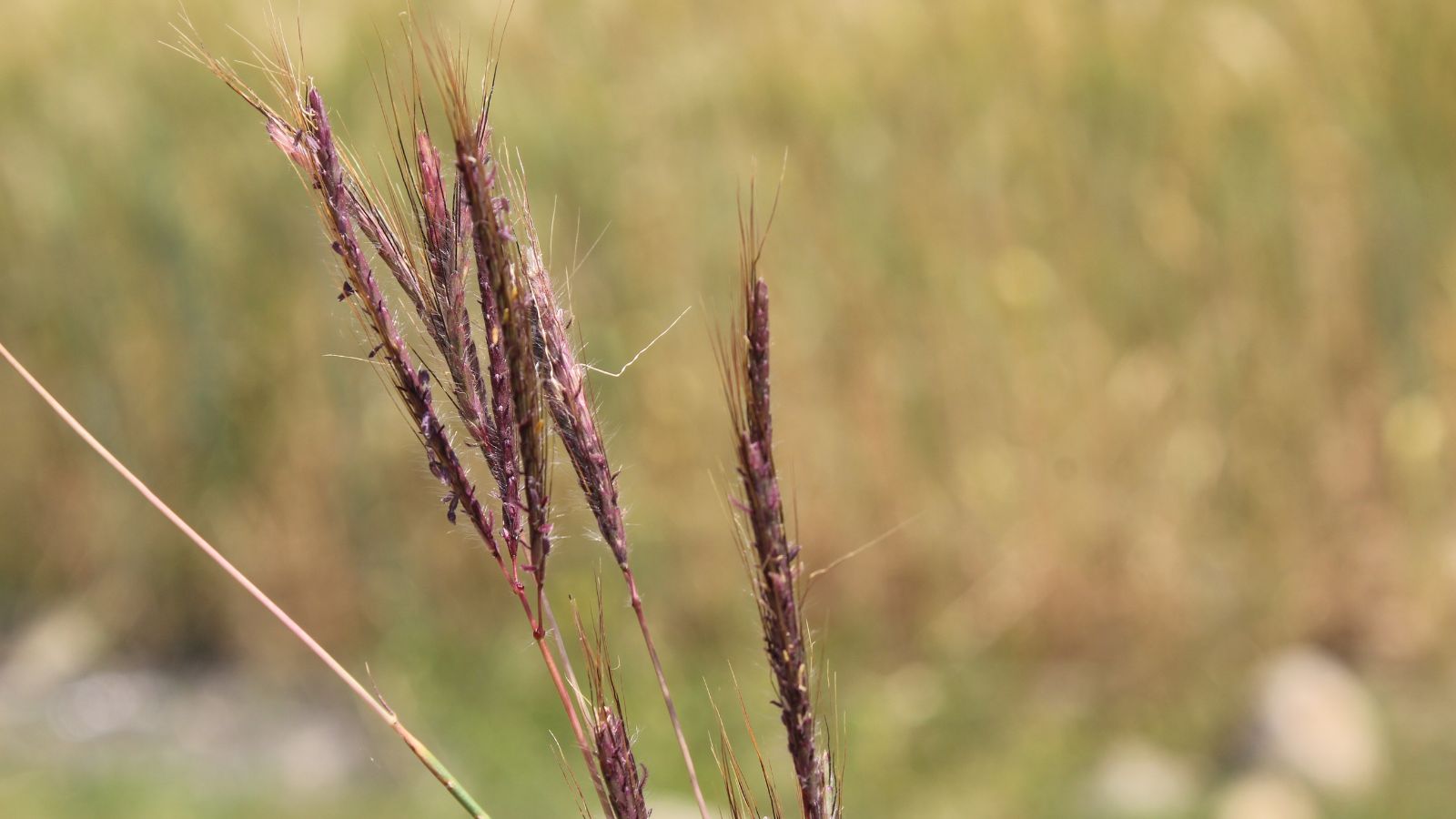 Plant during cool, mild conditions to avoid stress.
 Fall and spring are the best times to plant the ornamental grasses. Fall is prime as it gives roots time to develop and settle before soils freeze in cold climates.
When planting perennial grasses in the fall, aim to install them at least four to six weeks before the first frost. In spring, wait until the final frost passes to plant nursery specimens. Or, sow seeds in late winter/early spring for germination when conditions are right.
Transplanting
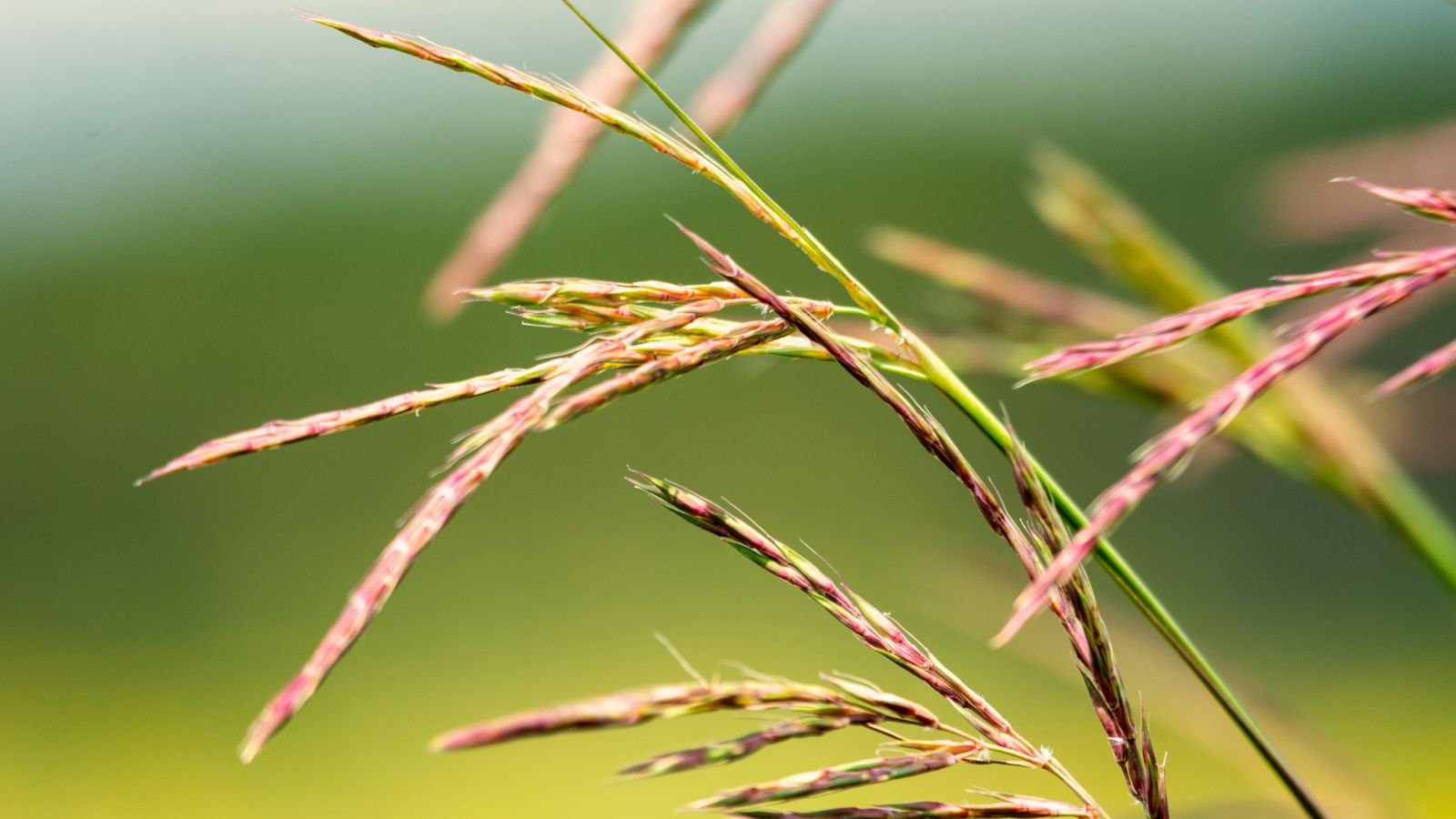 Check spacing to improve airflow between plants.
 Space plants two to two-and-a-half feet apart for a densely planted composition. Increase the spacing to as much as five feet for mass plantings and a more open meadow arrangement. The upright blades will have plenty of room to sway in the breeze, with good air circulation and room for mature spread.
Dig a hole twice as large as the nursery pot, and loosen the surrounding soil. Gently loosen and pot-bound rhizomes. Situate the crown at the same soil level that it had in the pot, and tamp in backfilled soil. Water the new plantings thoroughly.
How to Grow
Big bluestem grows across various moisture and soil situations, needing few, if any, extra resources. ‘Red October’ shows the best color and vigor in certain cultural conditions, but is adaptable to less than ideal situations as a low-maintenance cultivar.
Light
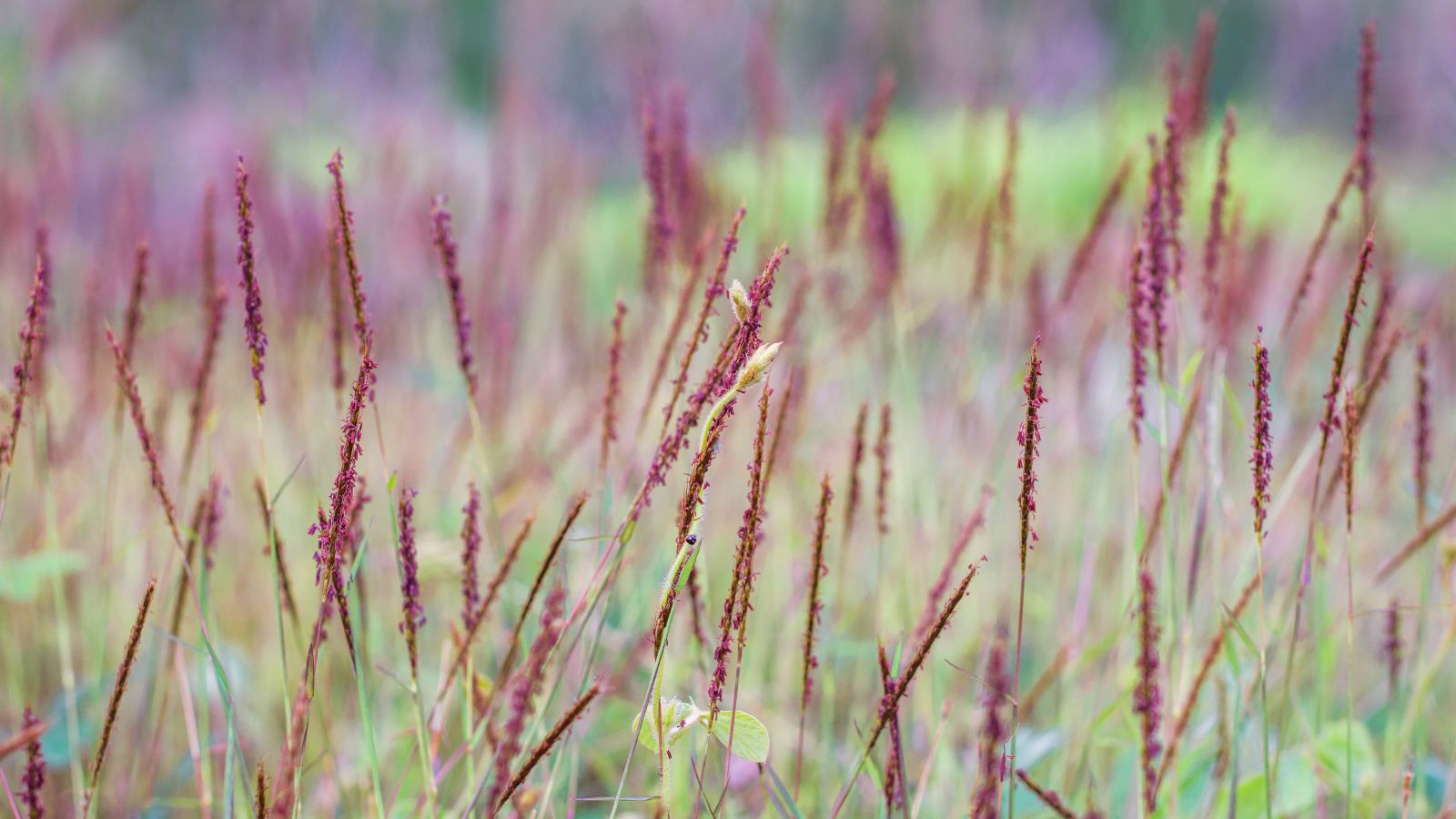 Full sun brings out the best color.
 Full sun is best for big bluestem ‘Red October’ to retain the reddest coloration. It also promotes strong, upright growth. Plant the bunchgrass in sunny locations where it receives six or more hours of daily sunlight.
In too much shade, the blades may dull in tone, and the body of the plant may flop over. Growth, too, slows.
Water
 This grass is drought-tolerant once established.
 Big bluestem ‘Red October’ withstands fluctuating soil conditions and is drought-tolerant once established. Even moisture stimulates growth, but erring on the dry side creates sturdy, upright specimens.
The perennial tolerates moist soils with good drainage, and is a fit for rain gardens that experience occasional flooding followed by dry spells.
Avoid overwatering, which can lead to flop and increased susceptibility to pest and disease issues.
Soil
 The soil should be well-draining to prevent rot.
 Big bluestem grows in a range of soil types, even in compacted ones, as long as they’re well-draining. Organically rich soils promote growth, but overly fertile ones cause blades to lie down. Average to lean soils foster those upright blades.
In poor soils like sand and clay, amend with a layer of compost at planting. The added nutrition also boosts aeration, drainage, and moisture retention. Keep the majority of the infill as native soil to avoid an excess of fertility.
Temperature and Humidity
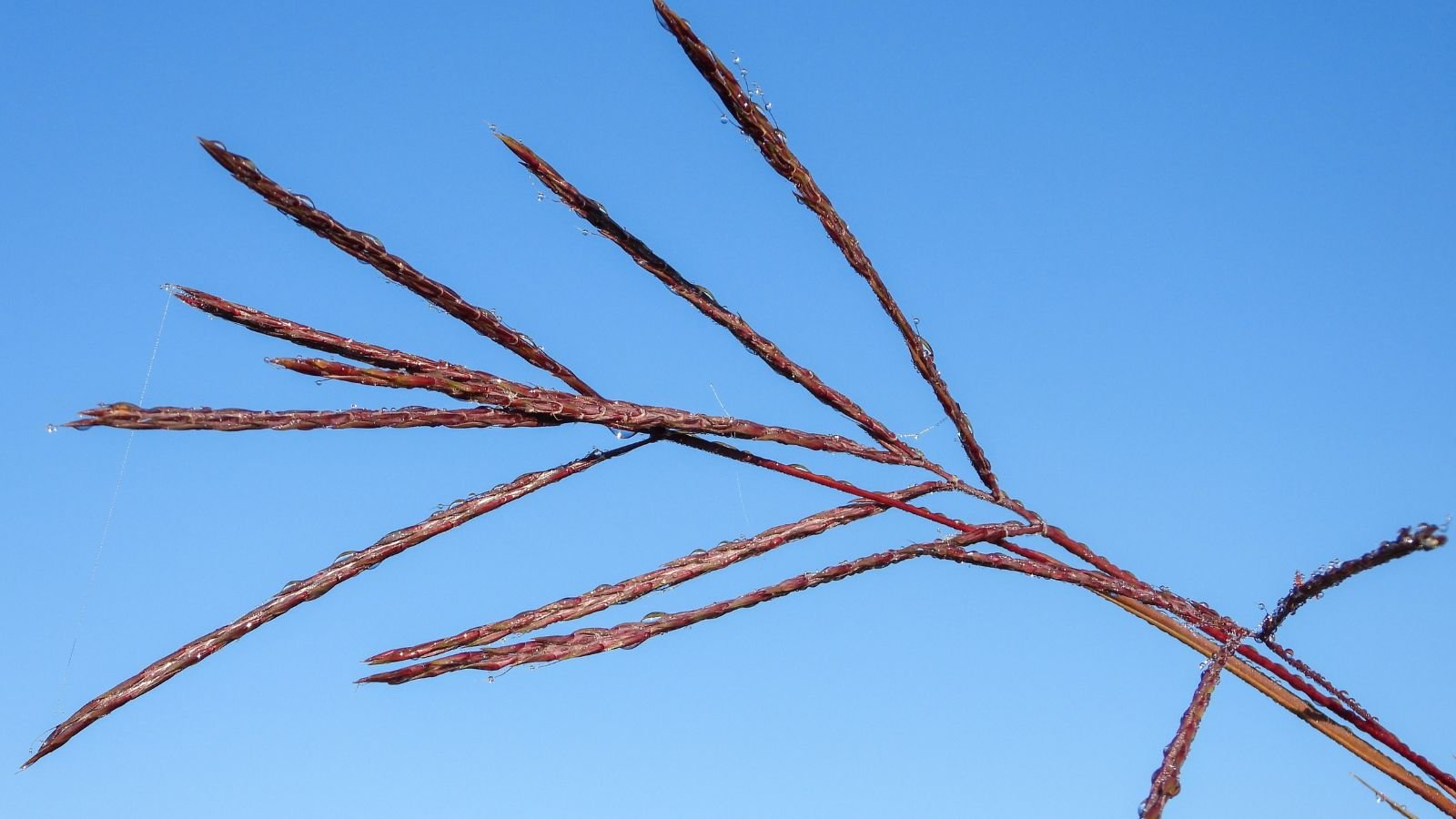 It grows across a wide range of climates and conditions.
 ‘Red October’ is heat and cold-tolerant, perennializing in USDA zones 4 through 9. The warm-season grass does most of its growing in spring, summer, and early fall, before entering winter dormancy after a few heavy frosts. New growth emerges in spring’s warming temperatures.
The cultivar grows in hot, humid conditions, as long as soils are well-draining and with ample air flow around foliage and crowns.
Fertilizing
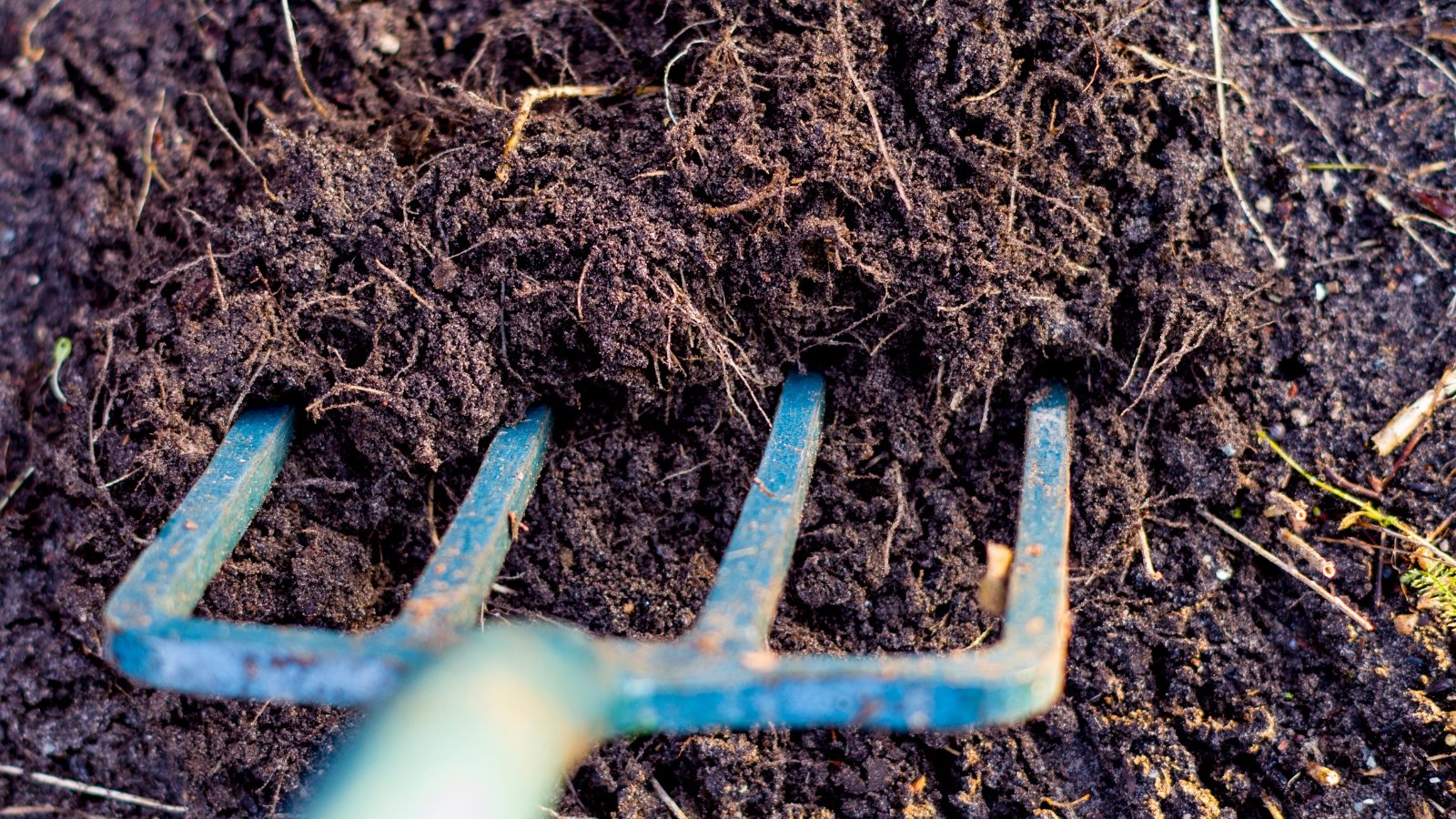 This grass doesn’t need fertilizing often.
 In fertile or average soils, additional nutrition isn’t needed for big bluestem. If fertilizing the bed, opt for a low-grade, slow-release fertilizer, such as a 5-5-5, in spring.
Soil amended with compost or leaf mold during planting also boosts nutrients to benefit growth, but stay on the minimal side to avoid creating soils overly rich in organic matter.
Avoid overfertilizing, or skip it altogether, as it can cause the grass to flop with weaker growth and increased susceptibility to pest and disease issues.
Maintenance
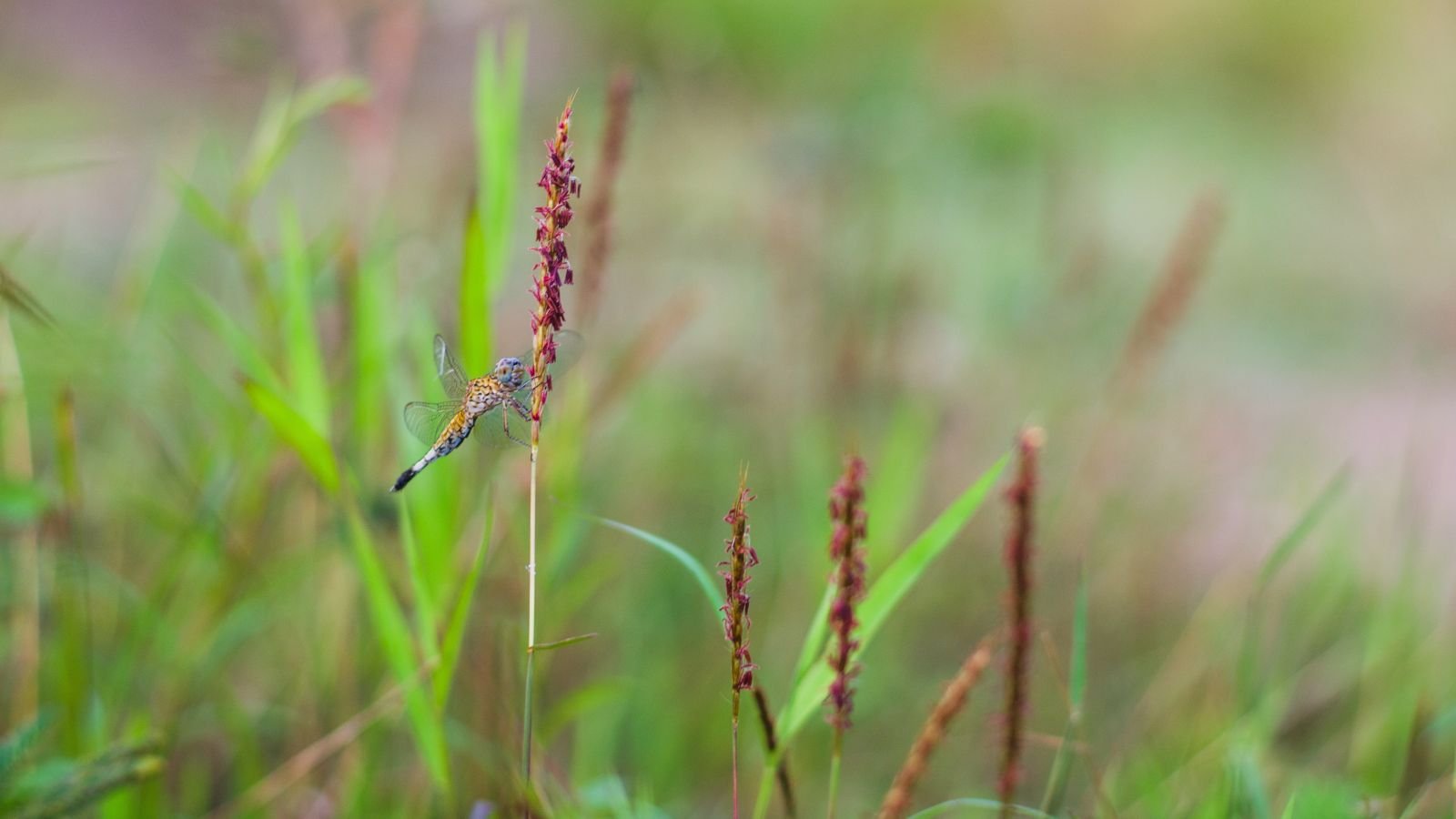 Leaves seeds standing to offer food for birds.
 Andropogon gerardii grows without much fuss. Cut back big bluestem ‘Red October’ in late winter, before new growth emerges. Leaving it standing in the cool season to enjoy the extended seasonal interest of the red blades.
The persisting seeds offer forage for birds and small mammals. The blades provide shelter and nesting material for pollinators, beneficial insects, and other wildlife.
When trimming, use pruners or shears to cut blades back to four to six inches above the soil level. The heavy cut makes way for new blades to emerge and frees the crown of debris buildup for vigorous plants.
Propagation
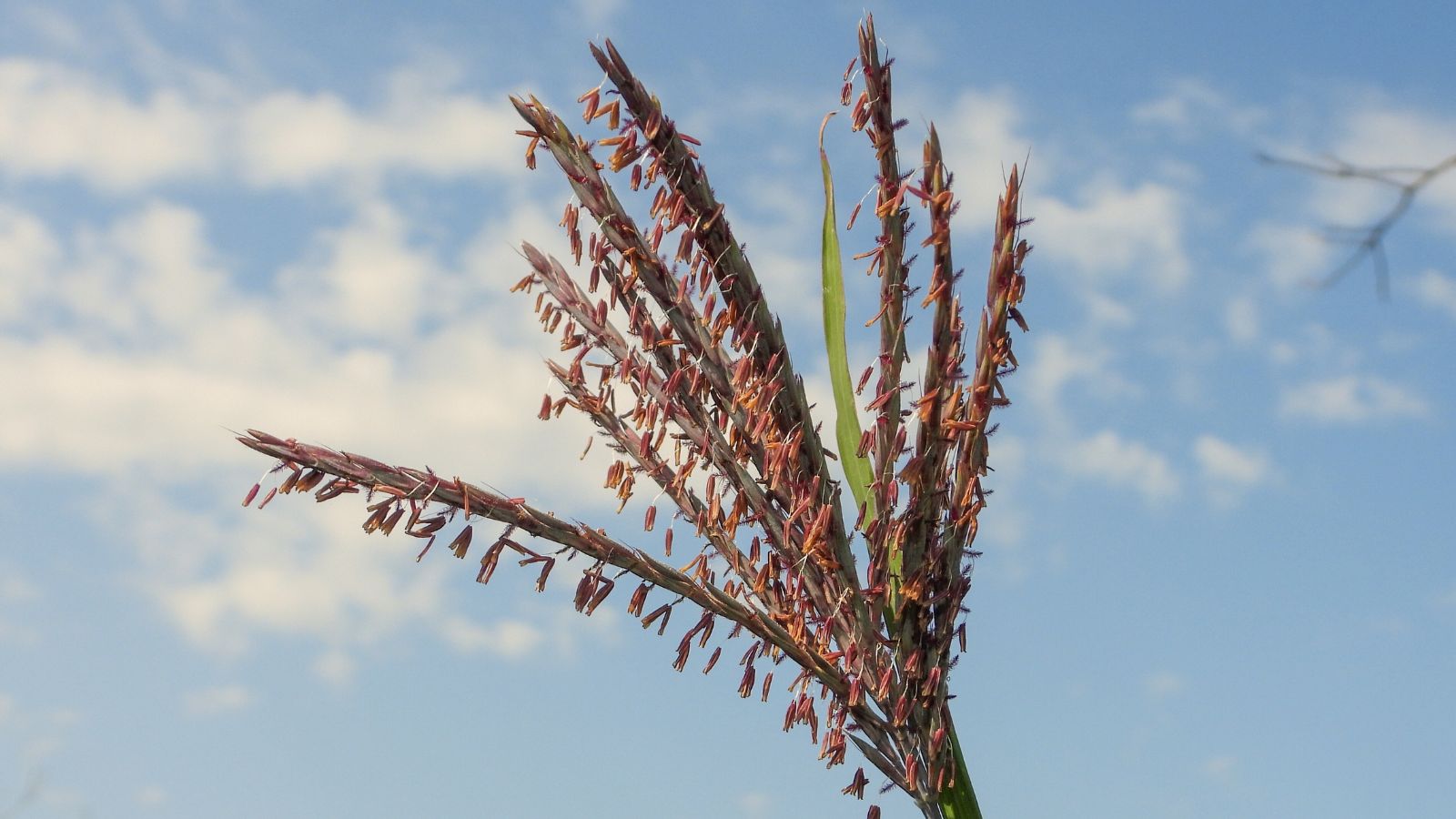 In the right conditions, the grass self-seeds.
 A plant patent (PP26283) protects Andropogon gerardii ‘Red October,’ so propagation is prohibited until it expires in 2033. In optimal conditions, the cultivar self-seeds. Leave the volunteers or transplant them to specific garden locations. Or, pluck them if you don’t prefer the spread.
Big bluestem, the straight species, propagates via sowing from seed and by dividing. Sow big bluestem seeds on a prepped site at half to quarter-inch deep in late winter or early spring. Germination can take several weeks.
To divide big bluestem, dig the entire clump in spring or fall and separate it into sections using a sharp spade or saw. You can also dig around the outside of the clump to divide only the outer portions. Cut perimeter rhizomes with blades attached, leaving the bulk of the grass intact.
 The blades are more purple than red.
 A. gerardii ‘Blackhawks’ is a seedling of ‘Red October,’ with foliage and seedheads in red and burgundy. The distinctive cultivar in dark green and purple transitions to near black as temperatures cool.
The deep hues and slightly arching blades offer high contrast in color and texture. Erect stems hold fine burgundy inflorescences and seeds above the foliage in late summer.
With its strong landscape performance and ornament, ‘Blackhawks’ is the Perennial Plant Association’s Perennial Plant of the Year winner for 2026.
Frequently Asked Questions
Hold off on cutting back the ornamental grass until late winter. The golden red fall leaves last into winter, offering interest even in dormancy and when dry. They also provide shelter and nesting sites for insects, birds, and wildlife. Cut the blades to within several inches of the soil level before new growth emerges in spring.
While the grass can withstand some light shade, it does best with six or more hours of full sun daily. Full sun exposure promotes the best foliage color and form. In shade, the foliage can flop over, become thinner, and grow less vigorously. Color isn’t as purple or red in shaded conditions.













 English (US) ·
  French (CA) ·