

 1 hour ago
10
PROTECT YOUR DNA WITH QUANTUM TECHNOLOGY
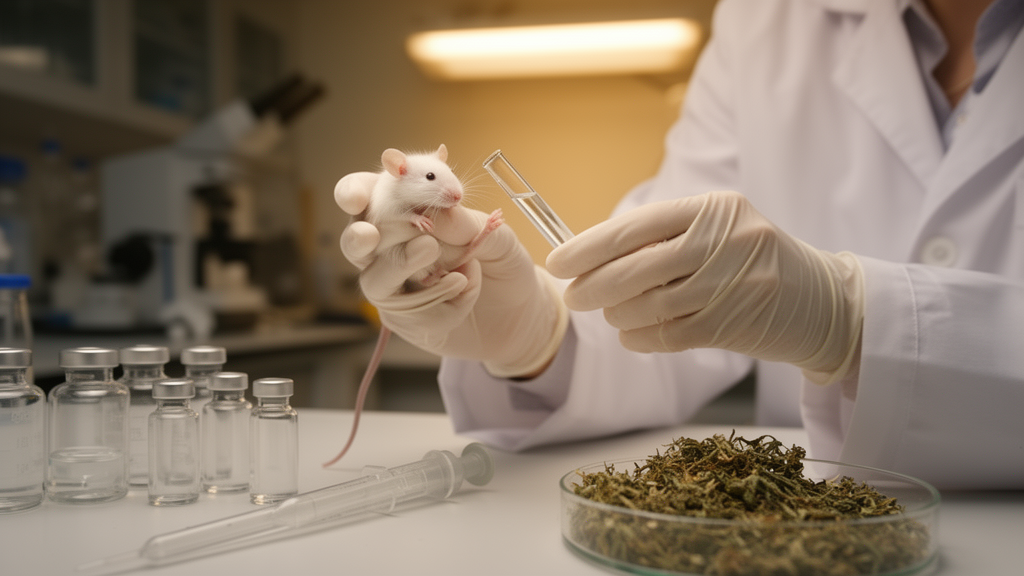
Orgo-Life the new way to the future Advertising by AdpathwayA scoping review of experimental sepsis research using humanized immune system (HIS) mouse models has found that no single study reported all key parameters recommended by the Minimal Information for Standardization of Humanized Mice (MISHUM) guidelines, and that critical methodological details are routinely missing from the published literature. The review, published in Clinical and Experimental Medicine, mapped how researchers generate and deploy HIS mice in sepsis studies and evaluated how completely those studies report their methods.
The research team, led by Kacper Bielak and colleagues, registered the review protocol in PROSPERO and searched PubMed, Web of Science, and Scopus. From 344 identified records, only 11 studies met the eligibility criteria. The small number of included studies itself illustrates how narrow the published evidence base remains for this specialized model system, which involves transplanting human immune system components into immunodeficient mice so that human immune responses can be studied in a living animal.
Reporting completeness against the MISHUM guidelines was poor across the board. Donor age, donor sex, and recipient sex were unreported in more than 80 percent of the studies.
Assessment against the Minimum Quality Threshold in Preclinical Sepsis Studies (MQTiPSS) guidelines revealed universal gaps in treatment blinding and organ dysfunction scoring. Well-being monitoring and quantitative organ dysfunction data were absent in 82 percent of the studies, and data on antimicrobial use were missing in 55 percent.
Methodological diversity was also striking. Five of the included studies used hematopoietic cell transplantation (HCT)-humanized NSG mice subjected to cecal ligation and puncture (CLP), a common polymicrobial sepsis model. Even within this narrow subset, the review documented substantial heterogeneity in the dose of hCD34+ cells transplanted, the myeloablative regimens used to prepare recipients, the timing of immune reconstitution, and the details of sepsis induction. Such variation means that results from different laboratories may not be directly comparable, even when they appear to use the same model.
The authors conclude that these findings reveal substantial methodological heterogeneity and critical reporting gaps in HIS sepsis models, underscoring the need for enhanced reporting transparency and tailored guidelines. They note that addressing these limitations will enable comparative studies capable of evaluating the true translational potential of different HIS systems. As a scoping review of published literature, the analysis describes what has been reported rather than testing the models experimentally, and its conclusions are limited to the 11 studies that met the search criteria.
Subject of Research: Reporting completeness and methodological heterogeneity in studies using humanized immune system mouse models in experimental sepsis research
Article Title: The use of humanized immune system mice in experimental sepsis: a scoping review of reporting and methodology
Article References: Bielak, K., Sidor-Dzitkowska, K., Ignatikova, I., Dumitrescu, S., Bogusławska, J., Popławski, P., Sys, D., & Osuchowski, M. (2026). The use of humanized immune system mice in experimental sepsis: a scoping review of reporting and methodology. Clinical and Experimental Medicine. https://doi.org/10.1007/s10238-026-02364-4
Image Credits: AI Generated
DOI: 10.1007/s10238-026-02364-4
Keywords: humanized mice, sepsis, scoping review, MISHUM, MQTiPSS, NSG mice, CLP model, reporting standards, preclinical research, hematopoietic cell transplantation, hCD34+ cells, methodological heterogeneity















 English (US) ·
 French (CA) ·