

How two ingredients can elevate a recipe to such heights, I don’t know, but rose salt is simply magical and it's so easy to make from your garden-grown blooms. While rose salt pairs so well with chocolate bakes such as brownies and cookies, a scant sprinkle over a stack of pancakes is similarly game-changing. Try a pinch on a bowl of strawberries or a watermelon slice, too. And don’t stop at sweet dishes if you make rose salt, because a scattering over roast vegetables just before serving takes you straight into Thomas Keller territory.
But the best thing? If you’ve got roses growing in your garden and salt in a kitchen cabinet, you already have all you need to make this flavorful condiment and create some culinary alchemy. Roses are one of the best edible flowers to grow in your backyard as they don't just look pretty but bring noticeable taste and a subtle yet appetising fragrance to recipes.
Here’s exactly what to do for great results.
How to Make Rose Salt
1. Pick the Right Rose

(Image credit: Getty Images)
If you're wondering can you eat rose petals, rest assured. The petals of all true roses are edible, but it’s important to ensure they’re not contaminated with chemicals. The best way to be sure they’re untainted is to pick roses from your own garden that you know to be free of pesticides. Avoid any plants growing near a road or a treated wooden fence.
Unless marked as organically grown, any recently purchased rose bushes should be left well alone, too, as it takes around 6 months for chemical sprays and fertilizers to fade. Never eat petals from shop- or florist-bought cut roses as these are highly likely to contain chemicals.
As a general rule, strongly-scented roses have petals with the most flavor.
2. Harvest Some Petals
(Image credit: Getty Images)
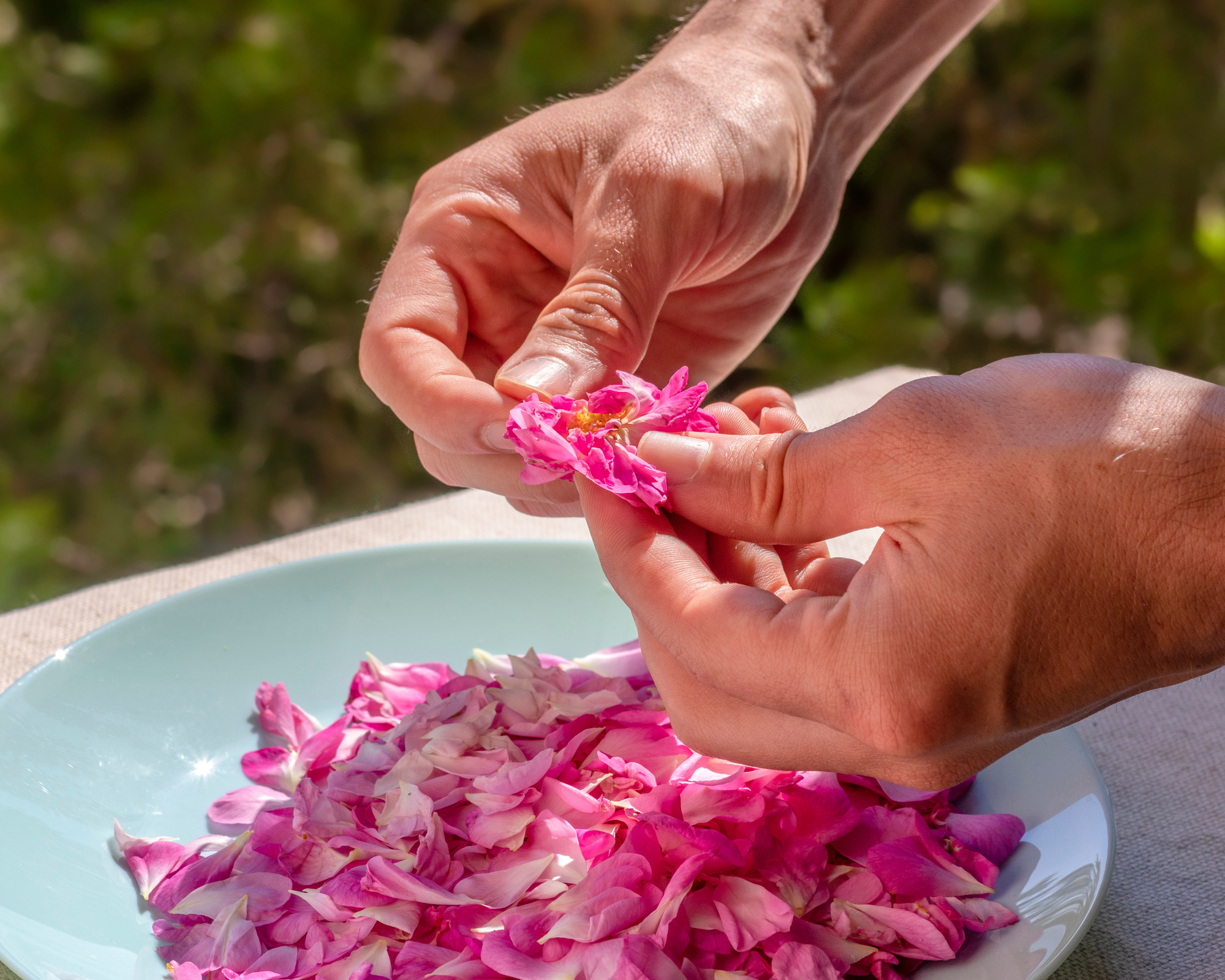
For plenty of flavor, harvest newly-opened blooms early in the morning. Separate the petals from the central base, and discard the inner workings. Remove the heel – the pale, whiter base of each petal – as this tastes incredibly bitter. Submerge the petals in a bowl of cold water to remove any dirt or debris then pat dry with a paper towel. You will need ½ cup of fresh rose petals.
3. Blend the Petals With Salt
(Image credit: Getty Images)
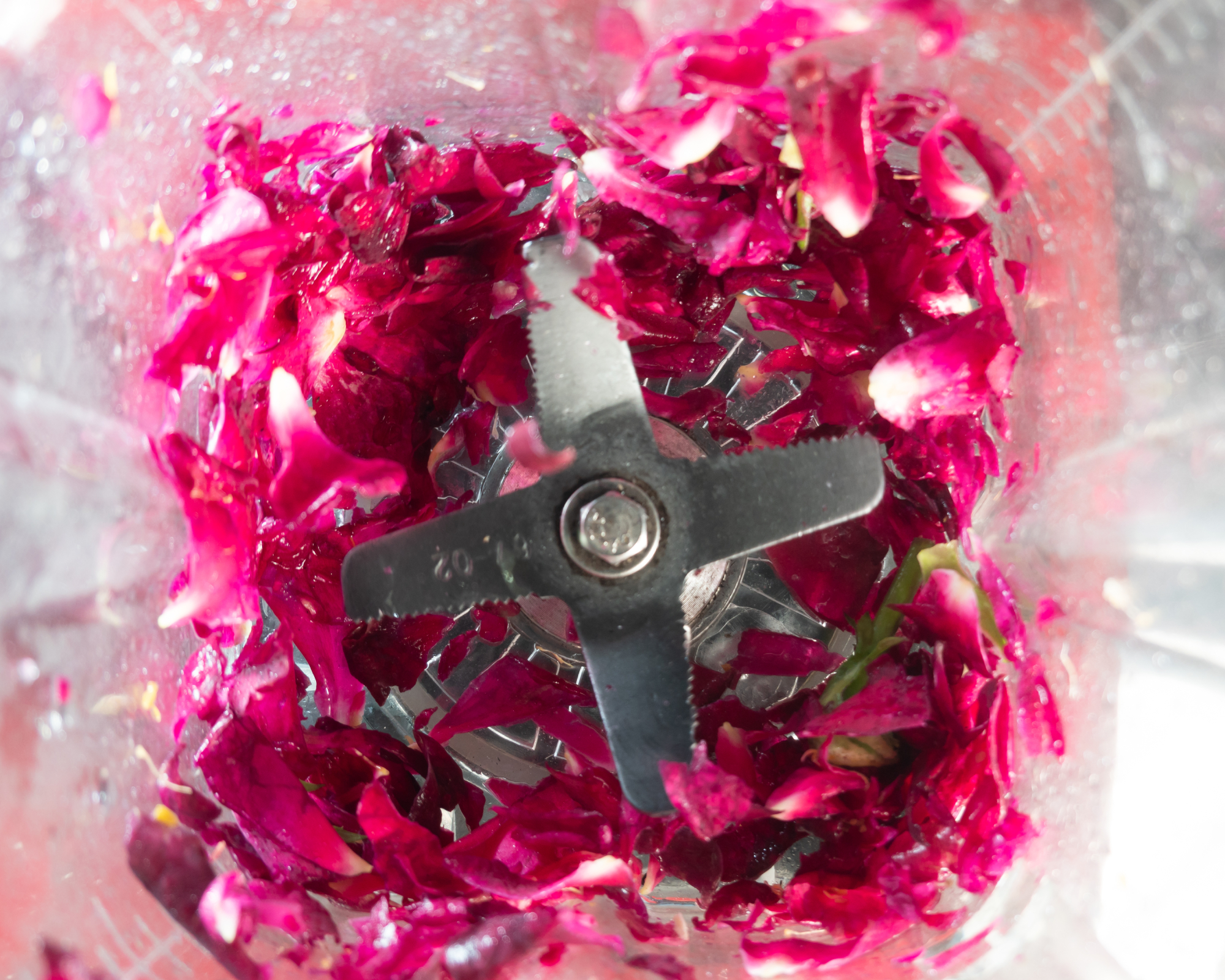
Put the rose petals in a food processor or blender along with ¾ cup of coarse or flaky sea or rock salt. Pulse until the petals are finely chopped and the salt takes on the tone of the roses.
4. Dry and Store
(Image credit: Getty Images)
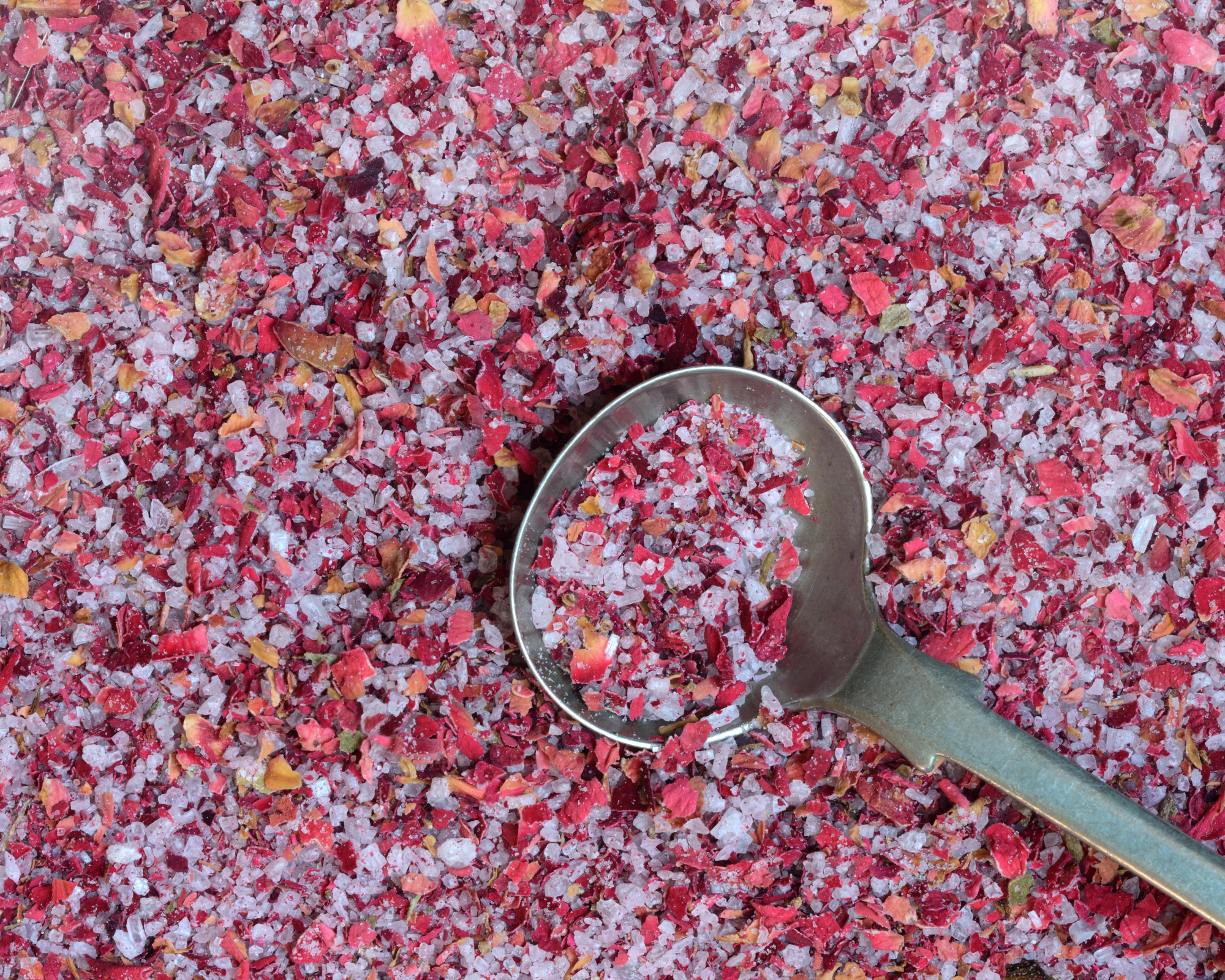
Spread the salt mix on a parchment-lined baking sheet. It’s important that the layer is fine, so use two sheets if necessary. Place in an oven on a very low heat (120°F), stirring every half an hour, for around two hours or until the petals have darkened and the salt is fully dry. Leave to cool completely then store in an airtight jar.
How to Use Rose Salt
(Image credit: Getty Images)
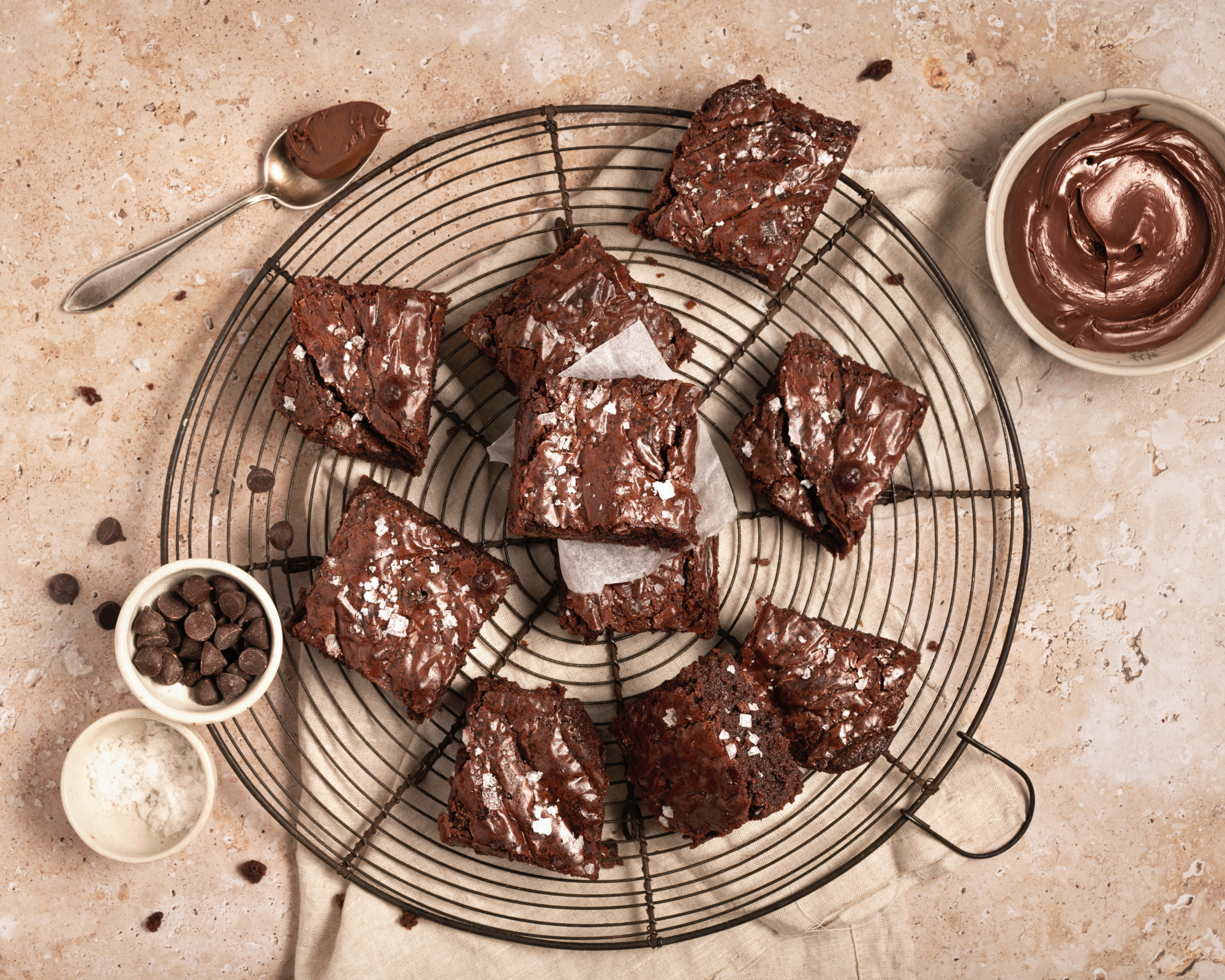
The exact taste of your rose salt will depend on your rose variety, as some petals are far more potent in both flavor and fragrance than others. To enjoy the fullest flavor, scatter rose salt over a dish at the end of the cooking or baking process. If you’re using rose salt as the final flourish to your favorite brownie recipe, sprinkle it on the second you remove the tray from the oven so the residual heat helps the crystals stick to the crust. For a slightly more subtle finish, remove the tray from the oven 10 minutes early and sprinkle the salt on before returning to the oven to finish baking.
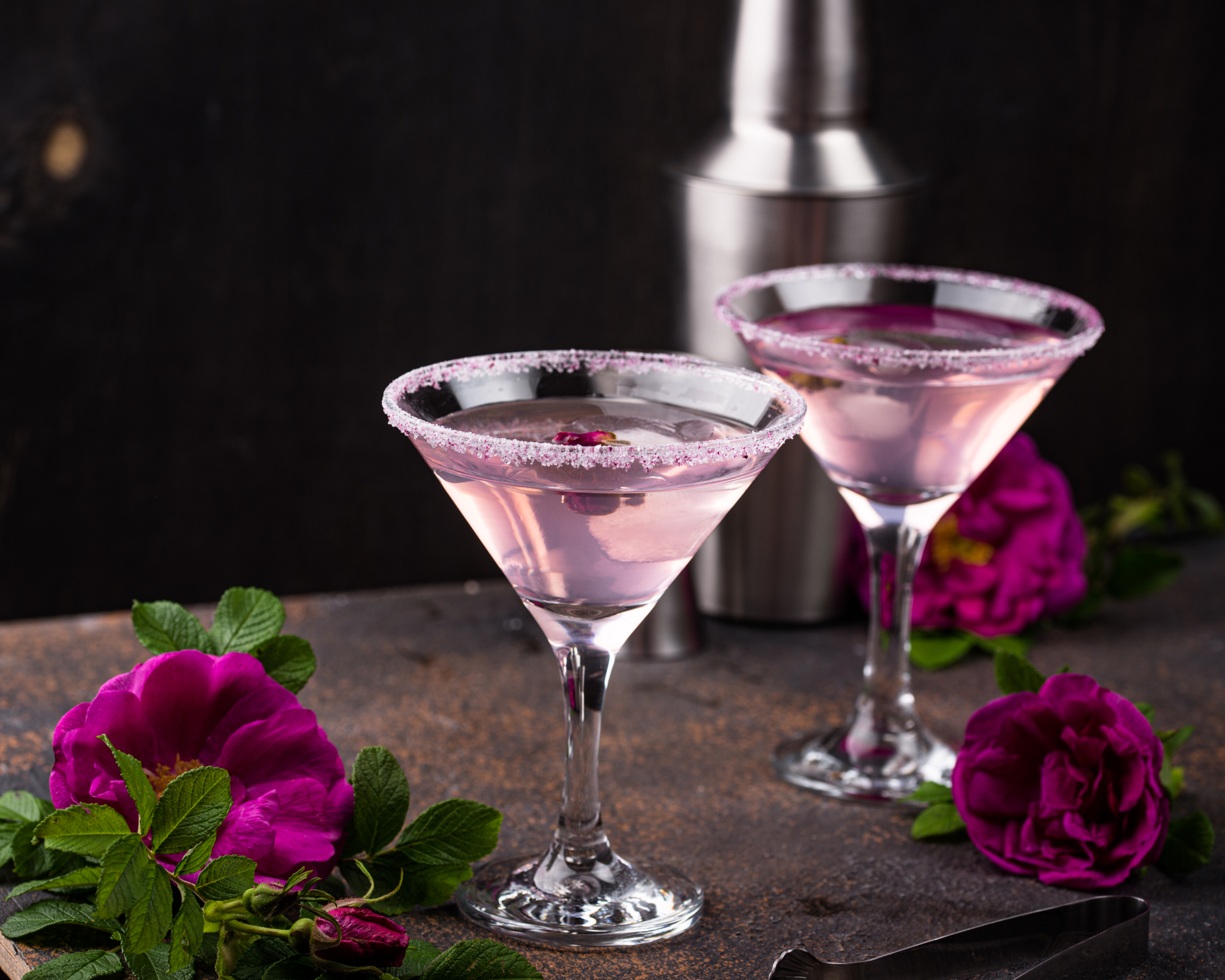
As well as using rose salt on savoury dishes – and it adds an extra depth of flavor to pretty much any dish but especially vegetable-based recipes – use this fragrant condiment to edge glass rims when making margaritas and dirty martinis.
(Image credit: Getty Images)
Flavorful Roses
A rose’s taste mirrors its fragrance in terms of its scent profile but also its strength. So, choose a rose with a fragrance you adore and you’re likely to appreciate its flavor, too. As a general rule, pink, white and yellow roses have the best flavor, while darker reds can be bitter.
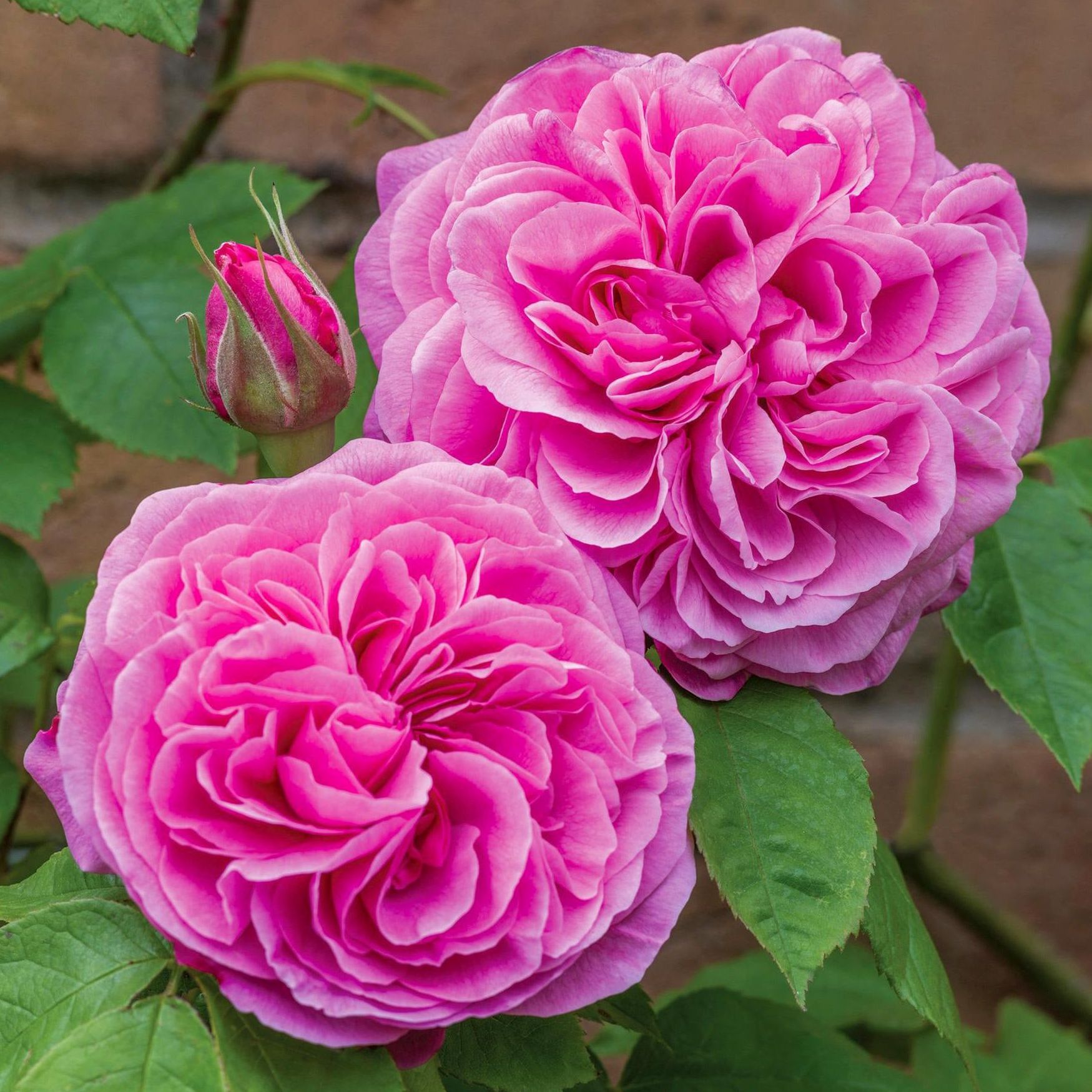 Fully floral
Gertrude Jekyll English Shrub Rose
With an intense, quintessential rose scent and flavor, Gertrude Jekyll boasts plenty of petals to play with.
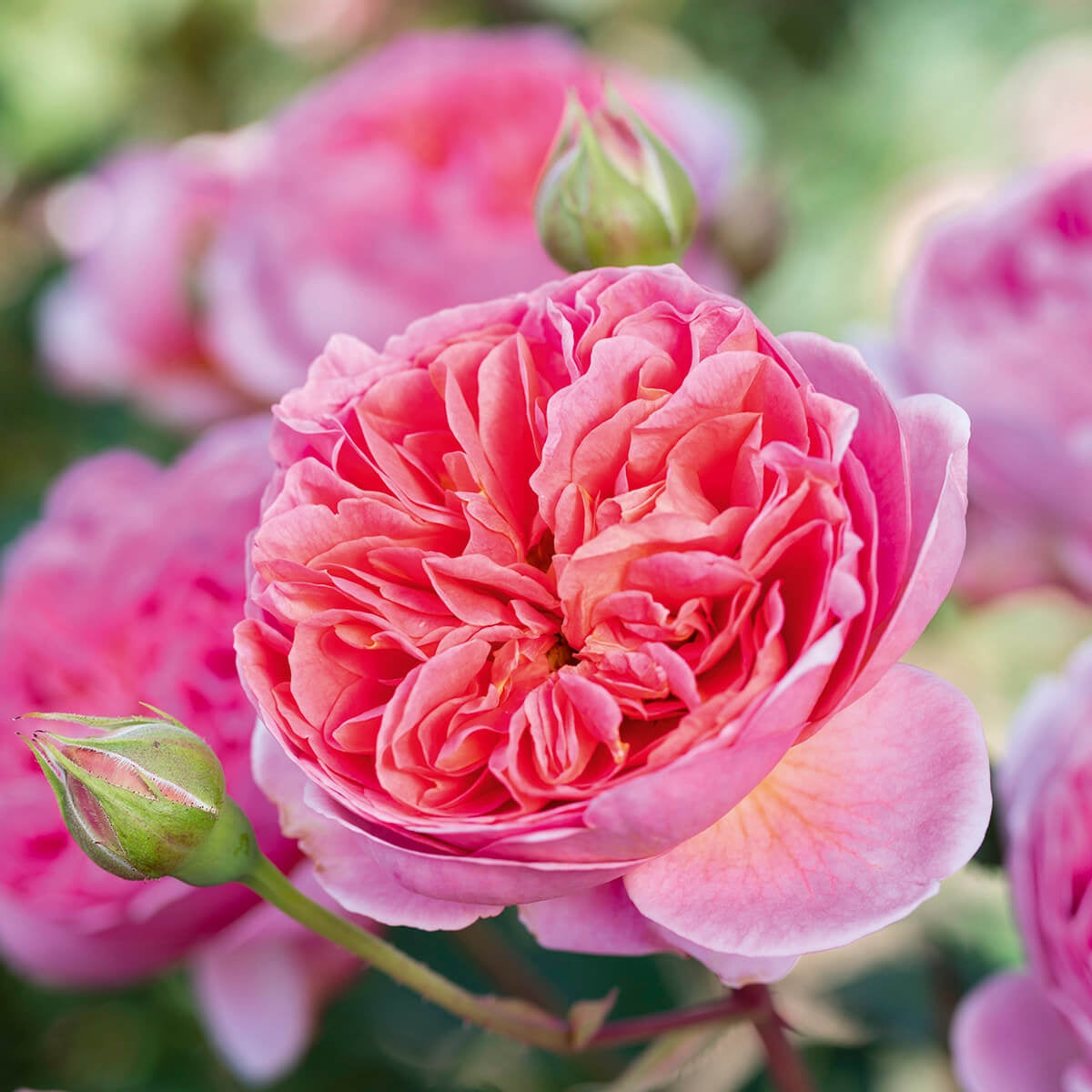 Fruity flavor
Boscobel English Shrub Rose
For a fruitier, nuttier flavour, Boscobel pairs well with baked dishes because of its delicious pear-almond notes.
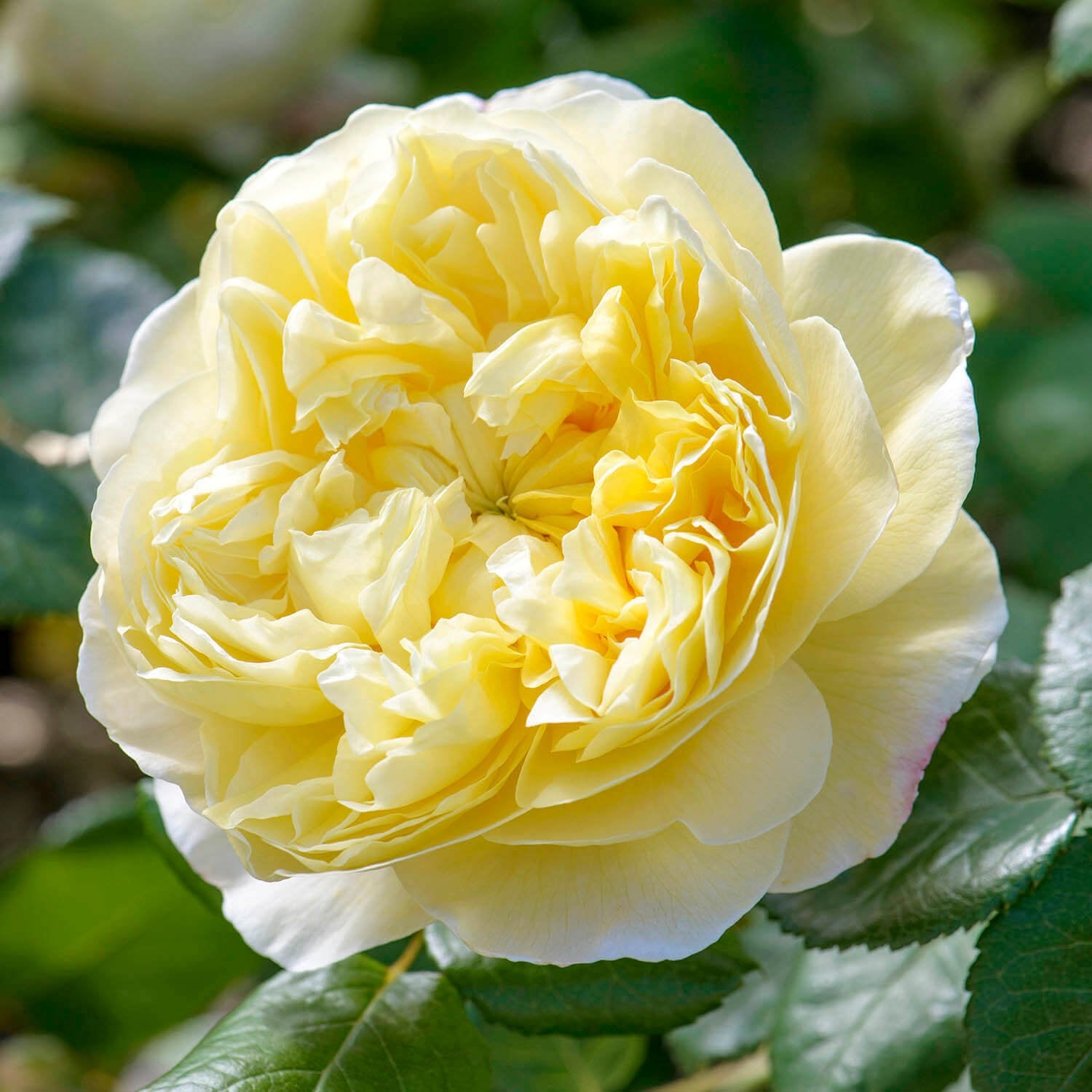 Fresh and bright
Charles Darwin English Shrub Rose
Charles Darwin has a fresher flavor that sits between a soft and citrussy lemon and warming herbal tea.













 English (US) ·
  French (CA) ·