

 1 month ago
119
1 month ago
119
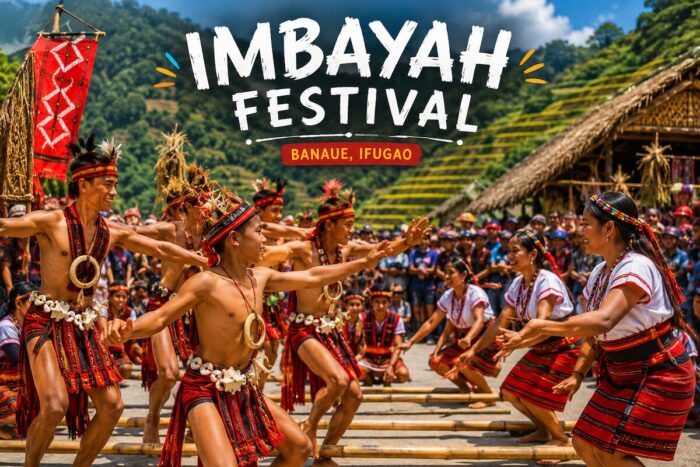
For travelers who love festivals that go beyond colorful costumes and street parties, the Imbayah Festival in Banaue, Ifugao, offers something genuinely special. Held in the heart of the Cordillera, this cultural celebration brings together Ifugao traditions, indigenous games, music, dance, food, craftsmanship, and the enduring connection between the people and their rice terraces.
Imbayah Festival
The festival is rooted in the traditional Imbayah, or Imabayah, ceremony, a celebration marking a family’s rise to kadangyan, or elite, status in traditional Ifugao society. Historically, such celebrations involved feasting, gong music, dancing, rituals, and demonstrations of the family’s wealth and generosity. Today, Imbayah has evolved into a public cultural festival that showcases and helps preserve Banaue’s heritage.
Important 2026 update: The 2026 Imbayah Festival was suspended amid efforts to conserve energy and prioritize essential government services. Therefore, there is no official 2026 festival schedule to follow.
That makes this guide particularly useful for understanding the festival’s history and traditional activities while planning for a future edition.
What Is the Imbayah Festival?
Imbayah is one of Banaue’s most important cultural celebrations. It highlights the heritage of the Ifugao people through traditional performances, indigenous games, rituals, handicrafts, food, agricultural traditions, and community gatherings.
The name is connected to bumayah, which refers to a well-to-do person celebrating good fortune, good health, or advanced age with a feast accompanied by gong music and dancing.
The modern festival was first organized in 1979 under the administration of Mayor Adriano Apilis Jr. and was initially a three-day celebration. The event revived traditional games and brought village delegations together for ethnic dances, parades, and competitions.
Over the years, Imbayah became an important vehicle for promoting Banaue’s cultural identity and tourism. Previous editions have featured indigenous cuisine, woodcarving, weaving, rice-processing demonstrations, traditional games, cultural presentations, and colorful ethnic parades.
A Festival Rooted in Ifugao Heritage
What makes Imbayah different from many Philippine festivals is that its foundation is not simply a modern tourism concept. It is inspired by an actual traditional social and ceremonial practice.
Traditional Imbayah celebrations could last for many days and involved elaborate preparation. Gong beating, dancing, chanting, feasting, rice wine, ritual activities, and community participation were important elements.
The traditional ceremony was associated with wealth and social status, but the contemporary festival opens these cultural expressions to residents and visitors.
That distinction is important for travelers: Imbayah should be experienced as a living cultural tradition, not simply as a colorful tourist spectacle.
Things to Do and See at Imbayah Festival
Although the exact program changes from one edition to the next, previous celebrations give a good idea of what travelers can expect.
1. Watch the Cultural Parade
The ethnic parade is one of the most visually impressive parts of Imbayah.
Participants from different communities appear in traditional Ifugao clothing, accompanied by gong music, dances, and cultural presentations. Traditional houses and representations of Ifugao life have also featured prominently in previous parades.
Bring your camera, but remember that people wearing traditional clothing are participants in a cultural celebration—not simply photo subjects. Ask permission before taking close-up portraits.
2. Listen to the Gangsa
The distinctive sound of gangsa, or traditional flat gongs, is inseparable from Cordillera culture.
During festival performances, the rhythmic beating of gongs accompanies dances and other cultural presentations. For visitors accustomed to large commercial festivals with amplified pop music, hearing traditional gong ensembles performed in their cultural setting can be one of the most memorable experiences.
3. Watch Traditional Dances
Traditional Ifugao dances demonstrate stories, movements, agricultural practices, celebrations, and aspects of community life.
Previous Imbayah celebrations have featured dances associated with planting, warfare, and other elements of traditional Ifugao culture.
4. Experience Indigenous Games
Traditional games are another highlight.
Previous editions have featured bultong, an indigenous form of wrestling, as well as tug-of-war, finger wrestling, leg wrestling, and other traditional contests. The first Imbayah Festival in 1979 specifically helped revive several of these games.
Depending on the edition, visitors may also encounter:
- Rice-pounding competitions
- Woodcutting contests
- Traditional strength games
- Rice-processing competitions
- Indigenous children’s games
- Volleyball and other community competitions
These activities provide a fascinating glimpse into forms of recreation and social interaction that developed within Ifugao communities.
5. See the Famous Wooden Scooter Race
 Ifugao Kids in wooden scooters by Ranieljosecastaneda via Wikimedia Commons
One of the more unusual attractions in Imbayah is the wooden scooter race.
Banaue is known for its talented woodcarvers, and previous celebrations have featured locally made wooden scooters racing downhill from the viewpoint toward the town plaza.
If this event returns in a future festival program, find a safe viewing area rather than standing close to the racing route.
6. Explore Ifugao Arts and Crafts
Imbayah also offers an opportunity to appreciate the Ifugao people’s craftsmanship.
Look for displays and demonstrations involving:
- Woodcarving
- Loom weaving
- Traditional textiles
- Rattan crafts
- Indigenous household objects
- Traditional Ifugao architecture
- Agricultural tools
If you want a meaningful souvenir, consider buying directly from local artisans or community-based sellers rather than purchasing mass-produced items.
7. Sample Local Food and Bayah
Food is an important part of Ifugao celebrations.
Traditional Imbayah festivities are associated with feasting and bayah, a traditional rice wine. Historical accounts describe rice wine being prepared and shared during celebrations.
Visitors may encounter traditional Ifugao dishes alongside familiar Filipino food. If you are offered a traditional food or drink during a cultural activity, be respectful—but you should never feel pressured to consume something you do not want.
8. Visit the Rice Terraces
A trip to Imbayah would be incomplete without exploring Banaue’s spectacular rice terraces.
The wider Ifugao rice terrace system is a living cultural landscape that reflects centuries of agricultural knowledge and community traditions.
Some worthwhile places to include in your itinerary are:
- Banaue Rice Terraces
- Banaue Rice Terraces Main Viewdeck
- Batad Rice Terraces
- Bangaan Rice Terraces
- Tappiyah Falls
Batad is particularly worthwhile for travelers who enjoy hiking. The amphitheater-shaped terraces and surrounding mountain scenery make it one of the most memorable side trips from Banaue.
Typical Imbayah Festival Schedule
Because the 2026 celebration was suspended, there is no official timetable for 2026.
The following is a sample schedule based on activities associated with previous editions, not an official program for an upcoming festival.
| Day 1 | Opening ceremony, cultural presentations, ethnic parade and traditional music |
| Day 2 | Indigenous games, traditional dances, sports competitions and community activities |
| Day 3 | Woodcarving and weaving activities, agricultural demonstrations and local food |
| Day 4 | Cultural presentations, traditional games and entertainment |
| Day 5 | Special competitions, artisan displays and community programs |
| Final Day | Major cultural presentations, closing activities and thanksgiving celebration |
Older editions have varied considerably in length and programming. Some historical celebrations included a much longer period of cultural activities surrounding the central festivities.
Travel tip: Don’t book non-refundable transportation and accommodation solely based on an old festival calendar. Confirm the next official schedule with the Banaue local government or tourism authorities before finalizing your trip.
How to Get to Banaue
From Manila
The most practical option for most travelers is an overnight bus.
Banaue is roughly 400 to 470 kilometers north of Manila, depending on the route, and the journey generally takes around 9 to 12 hours, depending on traffic, weather, road conditions, and stops.
Ohayami Trans operates Manila-Banaue trips, while CODA Lines also serves Banaue from Metro Manila. Schedules can change, so travelers should check the latest departure information before traveling.
For a future Imbayah Festival, book your bus tickets as early as possible, as festival weekends can significantly increase demand.
From Baguio
Travelers coming from Baguio can also travel overland to Banaue.
This route can be convenient if you’re combining Banaue with Sagada or other Cordillera destinations.
From Other Ifugao Towns
If you’re already in Ifugao, you can reach Banaue by jeepney, van, or other local transportation depending on your starting point.
For travelers connecting through Lagawe, local transport continues toward Banaue. Allow extra time, especially if you’re traveling during rainy weather.
Where to Stay in Banaue
During festival periods, staying near Banaue town proper is convenient because many activities and transport connections are concentrated around the town center.
For a more scenic stay, consider accommodations around the viewpoints and surrounding villages.
Some accommodation options in Banaue and nearby areas include:
- Banaue Grand View Hotel
- Banaue Greenfields Inn and Restaurant
- Banaue Agamang Traditional House Inn
- Hiwang Native House Inn and Viewdeck
For a Batad side trip, you can stay closer to the terraces at accommodations such as Batad Roberto’s Abung Inn and Restaurant.
The best choice depends on whether you prioritize being close to festival activities, mountain views, or access to hiking destinations.
Best Time to Visit Banaue for Imbayah
Historically, Imbayah has been associated with the April festival season in Banaue and Ifugao.
However, because the festival’s frequency and schedule have changed over time, travelers should avoid assuming that a particular date will automatically be repeated.
For future editions, check the official announcement before booking transportation.
Important Travel Tips
Book Early
Festival periods can quickly fill local accommodations and buses. Reserve your room and transportation well in advance once the official dates are announced.
Expect Mountain Weather
Banaue’s weather can change quickly. Pack a light rain jacket, comfortable walking shoes, and warm layers for cool mornings and evenings.
Bring Cash
Don’t assume every small establishment or local vendor accepts cards. Keep enough Philippine pesos for transportation, food, souvenirs, entrance fees, and unexpected expenses.
Wear Comfortable Shoes
Festival activities may involve walking between venues, navigating uneven roads, or climbing stairs. Comfortable, non-slip footwear is essential.
Respect Indigenous Traditions
This is perhaps the most important tip.
Some traditional Imbayah rituals include practices that may be unfamiliar to visitors, such as animal sacrifice and other ceremonies. These should be approached respectfully rather than treated as entertainment.
Follow local instructions about photography, participation, restricted areas, and ceremonial spaces.
Ask Before Taking Portraits
Traditional clothing is an important expression of identity and heritage. Always ask permission before taking close-up photographs of people, especially elders and participants in rituals.
Don’t Touch Cultural Objects Without Permission
Whether you’re visiting a traditional house, watching a ritual, or browsing crafts, avoid touching ceremonial objects, textiles, carvings, or other cultural materials unless invited to do so.
Hire a Local Guide for Treks
If you plan to hike Batad or explore more remote communities, hiring a local guide can make the experience safer and more informative.
Allow Extra Travel Time
Mountain roads can be slow, particularly during bad weather. Don’t schedule a major activity immediately after your estimated arrival.
Combine the Festival With a Terrace Adventure
If you’re traveling all the way to Banaue, consider staying at least three days.
A good trip could combine:
Festival day + Banaue viewpoints + Batad trek + local food + cultural villages
This gives you both the festival experience and a deeper appreciation of the landscape that shaped Ifugao culture.
Suggested 3-Day Banaue Festival Itinerary
Day 1 – Arrive and Explore Banaue
Arrive in Banaue, check into your accommodation, and explore the town.
Visit the Banaue viewpoint and spend the afternoon watching festival activities if an official celebration is taking place.
In the evening, enjoy a local dinner and rest early.
Day 2 – Festival and Cultural Experiences
Spend the morning attending the main cultural activities.
Watch the parade, gong performances, dances, indigenous games, and artisan demonstrations.
Use the afternoon to explore local shops and cultural exhibits.
In the evening, enjoy dinner and, where publicly offered and culturally appropriate, experience traditional music and community performances.
Day 3 – Batad and the Rice Terraces
Wake up early and travel toward Batad.
Spend the day hiking through the famous terraces and visiting Tappiyah Falls if conditions and your fitness level allow.
Return to Banaue in the afternoon or evening.
This combination lets you experience both the cultural heart of Imbayah and the spectacular landscape of Ifugao.
Frequently Asked Questions About Imbayah Festival
When is the Imbayah Festival held?
Imbayah has traditionally been held in Banaue around April, although its schedule and frequency have changed over time. It has traditionally been associated with a three-year cycle.
Is there an Imbayah Festival in 2026?
No. The 2026 Imbayah Festival was suspended. The decision was made as part of measures prioritizing energy conservation and essential government services.
Why was the 2026 festival suspended?
The festival was suspended amid efforts to address energy-related concerns and prioritize energy conservation, emergency preparedness, and essential government services.
How often is Imbayah celebrated?
Imbayah has traditionally been celebrated every three years, although the festival’s organization and schedule have varied over time.
What does Imbayah celebrate?
The festival celebrates Ifugao heritage, traditions, community life, agriculture, craftsmanship, indigenous games, music, dance, and the cultural traditions associated with the traditional Imbayah ceremony.
What should I expect at the festival?
Expect cultural parades, traditional dances, gong performances, indigenous games, local food, handicrafts, agricultural demonstrations, and community activities. Specific events vary by edition.
Is Imbayah suitable for families?
Yes. Many of the public cultural activities and games are suitable for families. However, some traditional rituals may involve practices that young children could find unsettling. Parents should decide which activities are appropriate for their children.
Is Banaue worth visiting even when Imbayah isn’t happening?
Absolutely. The Banaue Rice Terraces, Batad, Bangaan, mountain scenery, hiking routes, local food, traditional crafts, and Ifugao communities make Banaue a worthwhile destination year-round.
How many days should I spend in Banaue?
For a quick visit, two nights can work. For a festival trip that combines hiking and cultural exploration, three to four days are much better.
Can I visit Batad during the festival?
Yes, and it’s highly recommended if weather and trail conditions permit. Just remember that festival activities may be concentrated on particular days, so plan the Batad trek around the most important festival events.
What should I bring to Imbayah?
Bring comfortable walking shoes, a rain jacket, light warm clothing, sun protection, a refillable water bottle, cash, power banks, and a camera or phone. A small daypack is useful for festivals and hiking days.
Final Thoughts
The Imbayah Festival is one of the best cultural experiences for travelers who want to understand Banaue beyond its famous rice terraces.
Its real attraction is not simply the parade or colorful costumes. It is an opportunity to see how Ifugao traditions, agriculture, craftsmanship, music, food, games, and community life remain connected to the landscape.
For me, that’s what makes a festival worth traveling for: you don’t just watch it—you leave with a better understanding of the place.
If you’re planning a future Imbayah trip, however, make one thing your first step: wait for the next official festival announcement before booking around specific dates. The 2026 celebration was suspended, and older festival calendars should not be treated as confirmation of a future edition.
Follow and subscribe to OutofTownBlog.com on Facebook, Twitter, Instagram, Pinterest, and YouTube for more Travel-related updates.
Read:















 English (US) ·
  French (CA) ·