

 5 hours ago
7
PROTECT YOUR DNA WITH QUANTUM TECHNOLOGY
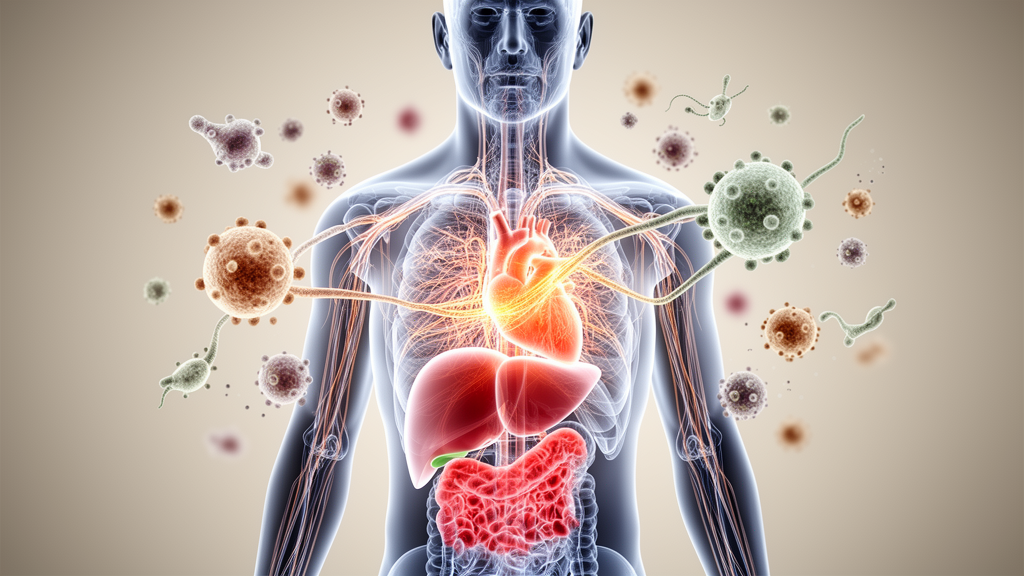
Orgo-Life the new way to the future Advertising by AdpathwayA comprehensive narrative review published in Frontiers in Endocrinology examines how insulin resistance acts as an upstream driver across the cardiometabolic continuum, triggering structural and functional damage across multiple organ systems long before blood glucose concentrations reach diabetic thresholds. Synthesizing medical literature from January 2000 through July 2026, researchers Alexis Hipólito García, Juan Bautista De Sanctis, and Gerardo Antonio Celli Kubler evaluate the transition from managing isolated risk factors toward an integrated pathophysiological continuum. For decades, clinical practice treated hypertension, dyslipidemia, and excess adiposity as distinct disorders, often overlooking the shared metabolic disturbances that silently initiate vascular, hepatic, renal, and cardiac injury. Drawing upon societal guidelines and prospective cohorts, the authors demonstrate how compensatory hyperinsulinemia and post-receptor signaling defects initiate subclinical tissue pathology. This positions insulin resistance not as an incidental finding of prediabetes or polyendocrine metabolic ovarian syndrome, but as a central coordinating node across cardiovascular-kidney-metabolic disorders.
The epidemiological scale of metabolic disruption highlights the urgency of early identification across populations. While estimating exact prevalence is challenged by the absence of a universal diagnostic threshold, a 2025 systematic review identified that 26.5 percent of adults globally exhibit insulin resistance under HOMA-IR, with regional estimates spanning between 26 and 30 percent. In the United States, earlier data indicated that roughly one in four adults older than twenty met criteria for insulin resistance syndrome. Global modeling revealed that metabolic syndrome affected 1.54 billion adults by 2023, with prevalence rising from 14.7 to 31.0 percent in women and from 9.0 to 25.7 percent in men. Concurrently, International Diabetes Federation data estimated that 589 million adults aged 20 to 79 had diabetes in 2024, projected to reach 853 million by 2050, with type 2 diabetes representing over 90 percent. Alarmingly, 43 percent of adults with diabetes, approximately 252 million individuals, remain completely undiagnosed.
At the molecular level, the pathology originates from an asymmetric divergence between two primary post-receptor signaling branches. Normally, insulin coordinates cellular metabolism via the phosphatidylinositol 3-kinase and Akt pathway, which acts rapidly to stimulate glucose transporter type 4 translocation and endothelial nitric oxide production. Conversely, the mitogen-activated protein kinase and extracellular signal-regulated kinase pathway operates slowly over hours, governing cell growth, mitogenesis, and prothrombotic transcription. In insulin-resistant states, post-receptor defects selectively impair the metabolic PI3K and Akt cascade while sparing or accentuating the mitogenic MAPK and ERK branch under compensatory hyperinsulinemia. The review explains that this signaling imbalance is driven in part by the tyrosine phosphatase SHP2, encoded by PTPN11. When activated, SHP2 dephosphorylates p85-binding motifs on insulin receptor substrate 1, blunting PI3K signaling while actively relaying the MAPK pathway. Human genetic evidence from patients with Noonan syndrome harboring activating PTPN11 mutations confirms that SHP2 hyperactivation produces profound insulin resistance and macrophage inflammation even without increased adiposity.
Beyond receptor-proximal branching, the synthesis delineates a critical nodes framework where diverse cellular insults funnel into shared downstream kinases. Four distinct signaling modules converge upon the inhibitory serine phosphorylation of insulin receptor substrates 1 and 2, specifically at Ser307 and Ser312, uncoupling them from the insulin receptor and PI3K. The lipotoxic module, driven by diacylglycerol and ceramides, activates novel protein kinase C isoforms including PKC-theta in muscle and PKC-epsilon in liver. The inflammatory kinase module, centered on I-kappa-B kinase beta and c-Jun N-terminal kinase, is triggered by toll-like receptor 4 activation via saturated fatty acids, advanced glycation end-products, and macrophage-derived cytokines like TNF-alpha and IL-6. Concurrently, an organelle stress module involving endoplasmic reticulum stress and mitochondrial oxidative stress stimulates JNK, linking into inflammatory cascades. Finally, a nutrient-sensing feedback module centered on mTORC1 and S6 kinase 1 is activated by compensatory hyperinsulinemia itself, generating a self-reinforcing vicious cycle where hyperinsulinemia perpetuates receptor uncoupling.
Adipose tissue acts as an endocrine origin for systemic metabolic decline, governed by the biological limits described in the adipose expandability hypothesis. This model posits that subcutaneous adipose tissue can safely expand only to an individual threshold. When caloric surplus exceeds this buffering capacity, lipids overflow into visceral, hepatic, skeletal muscle, and pericardial depots. Ectopic accumulation is accompanied by adipocyte hypertrophy, tissue hypoxia, endoplasmic reticulum stress, and a phenotypic shift of macrophages from anti-inflammatory M2 to pro-inflammatory M1 states. This transition triggers an altered adipokine profile where protective adiponectin declines while leptin, TNF-alpha, and IL-6 increase markedly before overt dysglycemia develops. Furthermore, hypothalamic leptin resistance blunts satiety signaling despite hyperleptinemia, whereas circulating ghrelin levels fall with expanding fat mass. This expandability mechanism elucidates why individuals with normal body mass index can develop severe insulin resistance when subcutaneous capacity is constrained, while some individuals with obesity maintain relative metabolic health due to preserved subcutaneous lipid storage.
In skeletal muscle and vascular beds, these biochemical disturbances translate directly into early organ dysfunction. Skeletal muscle accounts for 70 to 80 percent of insulin-stimulated glucose disposal in humans. Stable-isotope and magnetic resonance spectroscopy studies demonstrate that elevated plasma fatty acids cause intramyocellular accumulation of diacylglycerol and long-chain acyl-CoAs within hours, activating novel PKC-theta, impairing IRS-1, and blunting GLUT4 translocation. Concurrently, vascular endothelial signaling suffers from selective pathway impairment. Loss of insulin-stimulated PI3K and Akt activity blunts endothelial nitric oxide synthase activity, suppressing nitric-oxide-mediated vasodilation and capillary recruitment necessary for nutrient delivery. In contrast, preserved MAPK activity drives endothelin-1 synthesis and upregulates adhesion molecules including VCAM-1, ICAM-1, and PAI-1. This shifts the vascular endothelium toward a constricted, leukocyte-adhesive, and prothrombotic state. Cohort studies confirm that this measurable endothelial dysfunction precedes overt atherosclerosis and independently predicts incident heart failure, especially in hypertensive populations, along with new-onset diabetes and adverse cardiovascular events.
Hepatic and renal injuries further illustrate the multi-organ consequences of selective insulin resistance. In the liver, insulin fails to suppress gluconeogenesis while continuing to stimulate de novo lipogenesis, driving glucose production alongside steatosis. Hepatic diacylglycerol accumulation activates PKC-epsilon, directly impairing insulin receptor signaling and fueling metabolic dysfunction-associated steatotic liver disease, which affects approximately 30 percent of the global population. This selective hepatic defect also induces atherogenic dyslipidemia characterized by elevated VLDL triglycerides, small dense LDL particles, and reduced HDL cholesterol. In the kidneys, insulin normally regulates podocyte integrity, gluconeogenesis, and sodium handling. Insulin-resistant states disrupt these processes, prompting glomerular hyperfiltration, proteinuria, and sodium retention through reduced Na+/K+-ATPase activity and renin-angiotensin-aldosterone activation. RADAR and SONAR trial analyses reveal that greater insulin resistance correlates with faster estimated glomerular filtration rate decline in diabetic kidney disease, creating a bidirectional feedback loop where uremic toxins and inflammation from progressive renal decline worsen peripheral insulin resistance.
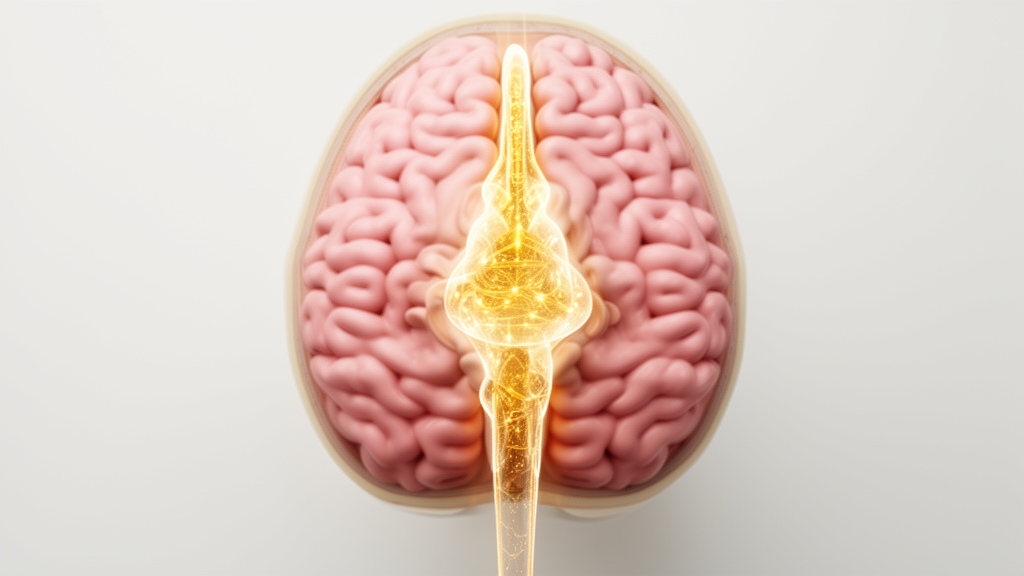
The cardiometabolic continuum extends into myocardial, gestational, neurocognitive, and oncological domains. Within cardiomyocytes, impaired insulin signaling shifts substrate utilization from glucose toward fatty acid oxidation, increasing oxygen consumption and promoting lipotoxicity and fibrosis linked to heart failure with preserved ejection fraction. In pregnancy, first-trimester HOMA-IR predicts gestational diabetes and preeclampsia before clinical signs appear. In the brain, insulin supports neuronal glucose uptake, synaptic plasticity, and amyloid-beta clearance via insulin-degrading enzyme. When neuronal PI3K signaling is impaired, competitive inhibition of this enzyme and reduced glucose uptake promote amyloid-beta accumulation, tau hyperphosphorylation, and neuroinflammation. Midlife metabolic syndrome components independently predict dementia decades later, motivating trials like the EVOKE program evaluating GLP-1 receptor agonists in Alzheimer’s disease. Furthermore, a 2026 UK Biobank study of 372,395 participants demonstrated that an artificial-intelligence-derived insulin resistance score independently predicted multiple malignancies, conferring a 25 percent higher age- and sex-adjusted cancer hazard among diabetes-free individuals across uterine, kidney, and digestive sites.
These mechanistic links support the American Heart Association’s cardiovascular-kidney-metabolic syndrome framework, which organizes care across five progressive stages. Stage 0 represents primordial prevention where insulin resistance is the earliest subclinical deviation. Stage 1 involves dysfunctional adiposity and prediabetes; Stage 2 includes manifest metabolic risk factors like hypertension, hypertriglyceridemia, or moderate kidney disease; Stage 3 features subclinical cardiovascular disease; and Stage 4 reflects established cardiovascular disease or kidney failure. In measuring insulin resistance across these stages, the hyperinsulinemic-euglycemic clamp remains the definitive gold standard for quantifying whole-body sensitivity. However, its high cost, invasive catheters, and technical complexity restrict it strictly to research settings. Consequently, clinicians evaluate accessible surrogates, including HOMA-IR and pancreatic beta-cell function index HOMA-beta, alongside emerging lipid-based markers like the triglyceride-glucose index. In 2026 cohort studies across thousands of participants, composite measures combining TyG with waist circumference or waist-to-height ratio demonstrated robust associations with incident multimorbidity and major cardiovascular events.
Weighing the screening debate, the authors advise against universal population testing while endorsing targeted assessment in defined high-risk cohorts. Universal screening is undermined by unstandardized insulin assays, low sensitivity around 56 to 60 percent, and variable HOMA-IR cutoffs ranging from 1.37 to 3.63 across populations. Furthermore, no randomized controlled trial has proven that interventions triggered solely by insulin resistance indices yield superior long-term outcomes compared to standard glycemic triggers. However, targeted testing in CKM Stage 0 and 1 individuals—specifically those aged 35 and older, individuals with a family history of diabetes, MASLD, or polyendocrine metabolic ovarian syndrome—remains actionable. Identifying early resistance enables intensive lifestyle counseling, proven in the Diabetes Prevention Program to lower diabetes incidence by 58 percent, alongside guideline-directed consideration of sensitizing agents like metformin, GLP-1 receptor agonists, and SGLT2 inhibitors. Research priorities must focus on multi-ethnic clamp validation and outcome-driven clinical trials to evaluate insulin-resistance-guided interventions.
Subject of Research: Mechanisms, diagnostic surrogates, and targeted screening strategies for insulin resistance across the cardiometabolic continuum
Article Title: Before the storm: insulin resistance as a sentinel biomarker across the cardiometabolic continuum. A comprehensive narrative review
Article References: García, A. H., De Sanctis, J. B., & Celli Kubler, G. A. (2026). Before the storm: insulin resistance as a sentinel biomarker across the cardiometabolic continuum. A comprehensive narrative review. Frontiers in Endocrinology, 17, Article 1966524. https://doi.org/10.3389/fendo.2026.1966524
Image Credits: AI Generated
DOI: 10.3389/fendo.2026.1966524
Keywords: insulin resistance, cardiometabolic continuum, CKM syndrome, HOMA-IR, endothelial dysfunction, MASLD, metabolic health, biomarkers, storm, insulin, resistance, sentinel
















 English (US) ·
 French (CA) ·