

Sometimes when people talk about indestructible plants, it can feel like a challenge. There’ll be this wild part of me wondering how long it will be before I start having problems with that plant that everyone claims is as resilient, resourceful and self-sufficient as a cockroach. I’ve known the thrill of growing fussy passion flowers from root cuttings, nurturing erratic petunias from seed, and cultivating enormous Boston ferns with fronds like floating palms. Yet put me in the same room as a so-called indestructible plant and I can get to fretting.
You could say I’m a victim of the snake plant paradox. While these plants have a reputation for being some of the hardest to kill, they aren’t immune to the odd diva fit. Yet it can feel unthinkable, seeing a snake plant turning yellow, flashing a squishy leaf, or displaying gold spotting. You’d be forgiven for thinking something might be up with the universe and perhaps it’s time to start stocking up on tinned goods…
Before you entertain notions of The End of Days, take a beat. While it’s odd to see a snake plant that isn’t flaunting her sword-shaped limbs like a Nineties supermodel, yellowing foliage doesn’t mean all is lost. Even robust, industrial-style sansevieria can have her off-days, and the most hands-off houseplant sometimes needs a helping hand. So if your snake plant’s leaves are turning yellow, this guide can help you identify the culprit, so you can restore your house darling to her proud and pointy glories.
Golden Rules of Snake Plant Rescue
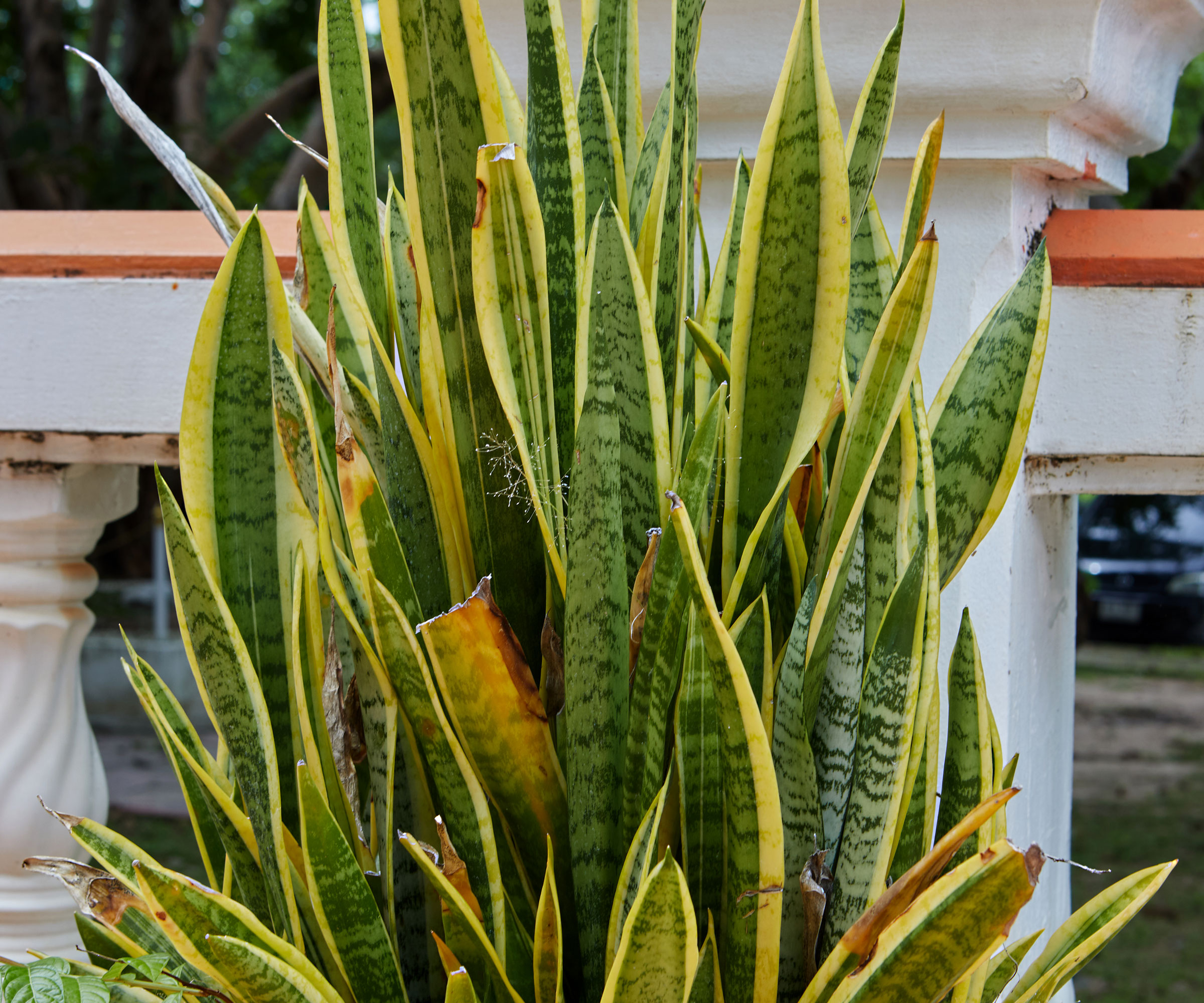
When your snake flashes a sickly yellow, it’s admittedly unsettling. But before diving in with changes, it pays to establish a calm, methodical approach to yellow leaves. Snake plants react slowly to environmental changes, and sudden shifts in care will shock a struggling plant further. First of all, allow for a little bit of yellow here and there as perfectly natural. Leaves don't live forever, even on a plant built like a tank.
If a single, lower outer leaf has become pale yellow or papery but vibrant new swords are pushing up from the center, then the chances are you are witnessing mother nature’s retirement plan rather than a cultivation crisis. This process is senescence, which is basically a fancy word for ageing, and it’s a natural part of a snake leaf’s life cycle, as the plant turns its attention to crisp new leaves. In this case, you can just celebrate the new growth and let the old leaf go quietly.
However, when multiple leaves yellow simultaneously, or turn soft or squishy near the base, your snake is trying to tell you that something in the environment is off. The golden rule of snake plant rescue is to adapt a calm, gentle triage. Never make multiple changes at once; change one variable at a time so the plant isn't shocked. Set up a quarantine zone and isolate your snake from the rest of your houseplants. Quarantining the plant prevents potential fungal spores or hidden pests from migrating to neighboring plant babies.
(Image credit: Anucha Muphasa500px / Getty Images)
Make sure you’ve got your triage tools ready: a magnifying glass to inspect leaf crevices and undersides of leaves, some rubbing alcohol to sanitize your equipment, and a pair of sharp snips or pruning shears to cleanly excise diseased or decaying plant material. If you haven’t got a magnifying glass, the Carson MiniBrite LED Lighted Pocket Magnifier, available from Walmart is an easy way to flag up hidden spider mites and mealybugs that might be missed by the naked eye.
Resist the urge to drench the potting soil with heavy fertilizers in a desperate attempt to feed your plant back to health. Stressed plants can’t process heavy nutrients, and excess moisture will only accelerate any root decay. Just make one conscious adjustment at a time, allowing a couple of weeks in each case to observe how the plant responds. No frantic overhauls! We’re going to make smart, gentle tweaks, give our green friend space to breathe, and watch her bounce back stronger than ever.
1. Overwatering, Soggy Soil & Root Rot
(Image credit: Pundapanda / Getty Images)
The most common reason a snake plant turns yellow is overwatering, paired with a heavy potting media. There is such a thing as loving your plant to death, so if your snake plant leaves are yellow and drooping (and worse, a bit squishy), it’s time to reevaluate the relationship. Sansevieria are desert natives with thick rhizomes and fleshy roots, designed to store water, not sit in soggy soil. If the soil gets waterlogged, oxygen is cut off from the roots, causing fungal pathogens to invade. This manifests as pale, translucent yellowing that starts at the base of the leaf, accompanied by a soft, squishy texture and a distinct sour smell from the pot.
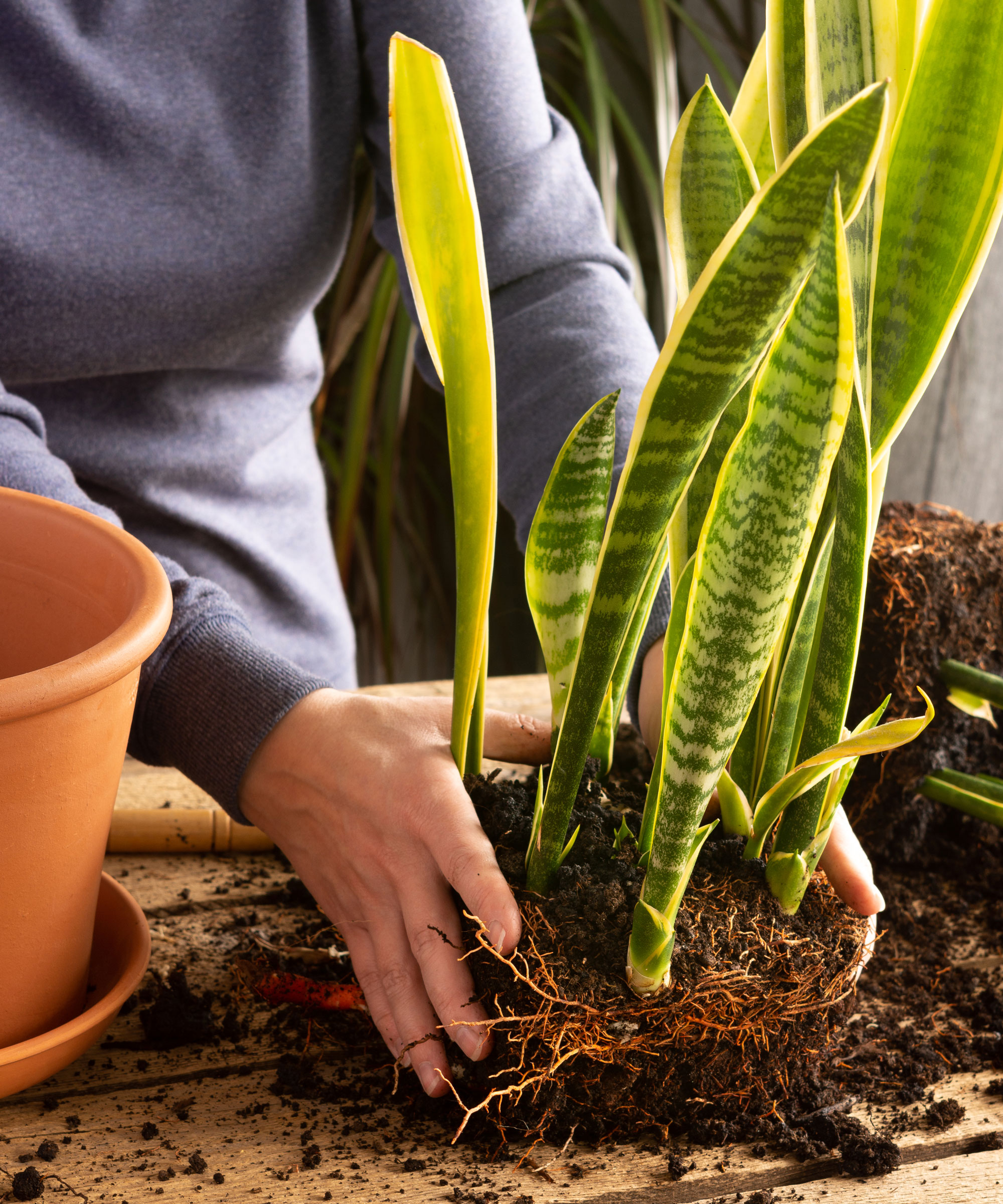
To fix this, tip your plant gently out of its pot and gently shake off the old, soggy soil. Inspect the root system: healthy roots are firm and creamy-white or orange, while rotted roots are soft, black, and stringy. Beware dark, mushy, smelly roots. Anything that looks suspicious needs to get the chop. Using sterile shears or snips like highly rated Fiskars Micro-Tip Pruning Snips, available from Amazon, trim away all rotted tissue back to healthy growth. Don't be shy: saving the healthy white roots is what matters here. If you leave infected rhizome tissue behind, the rot will continue spreading even in bone-dry soil. When trimming, slice into the firm, potato-like rhizome until you see clean, pale tissue.
Allow the bare roots and sliced rhizomes to air-dry on newspaper or dry towels for 24 hours. Then repot into a clean terracotta pot, filled with a light, gritty, fast-draining cactus and succulent mix. Ideally, choose something amended with perlite, such as Back to the Roots Organic Succulent & Cacti Mix, available from Walmart, to prevent moisture retention around delicate roots. Hold off on watering for 10 days. Support larger snake specimens (S. zeylanica and tall Laurentii) with temporary bamboo stakes or soft ties while newly pruned roots re-establish, to prevent snapping.
2. Extreme Drought & Hydrophobic Dirt
(Image credit: Roman / Alamy)
Sometimes, the opposite problem can also result in yellow leaves, which can be confusing to the uninitiated, but here’s the thing: the texture is the clue. While overwatering causes mushy yellow leaves, underwatering produces pale, dry, straw-like yellowing and brittle, wrinkled foliage. Diagnosis? Your snake is thirsty. We might love that snake plants can handle a busy lifestyle and the occasional bit of neglect, but taking "set it and forget it" too literally can backfire. Leave your snake without a drink for half a year, and her sword-like fronds will lose their plump, architectural stiffness, developing deep grooves and crispy tips.
To make matters worse, though, the soil can turn into a hard, dusty brick that repels water like a raincoat. At this point, if you pour water in, it might run straight out the bottom without soaking in at all. This means the soil may have become hydrophobic. But don’t panic: you can save a parched, wrinkled snake with a little spa treatment. Basically, you need to give your snake a deep bottom-soaking bath. Fill a sink or tub with three inches (8cm) of tepid water and set the container inside for about an hour. This allows capillary action to draw moisture upward into the roots. Word to the wise: only use tepid or lukewarm water. Freezing tap water can shock sensitive root hairs.
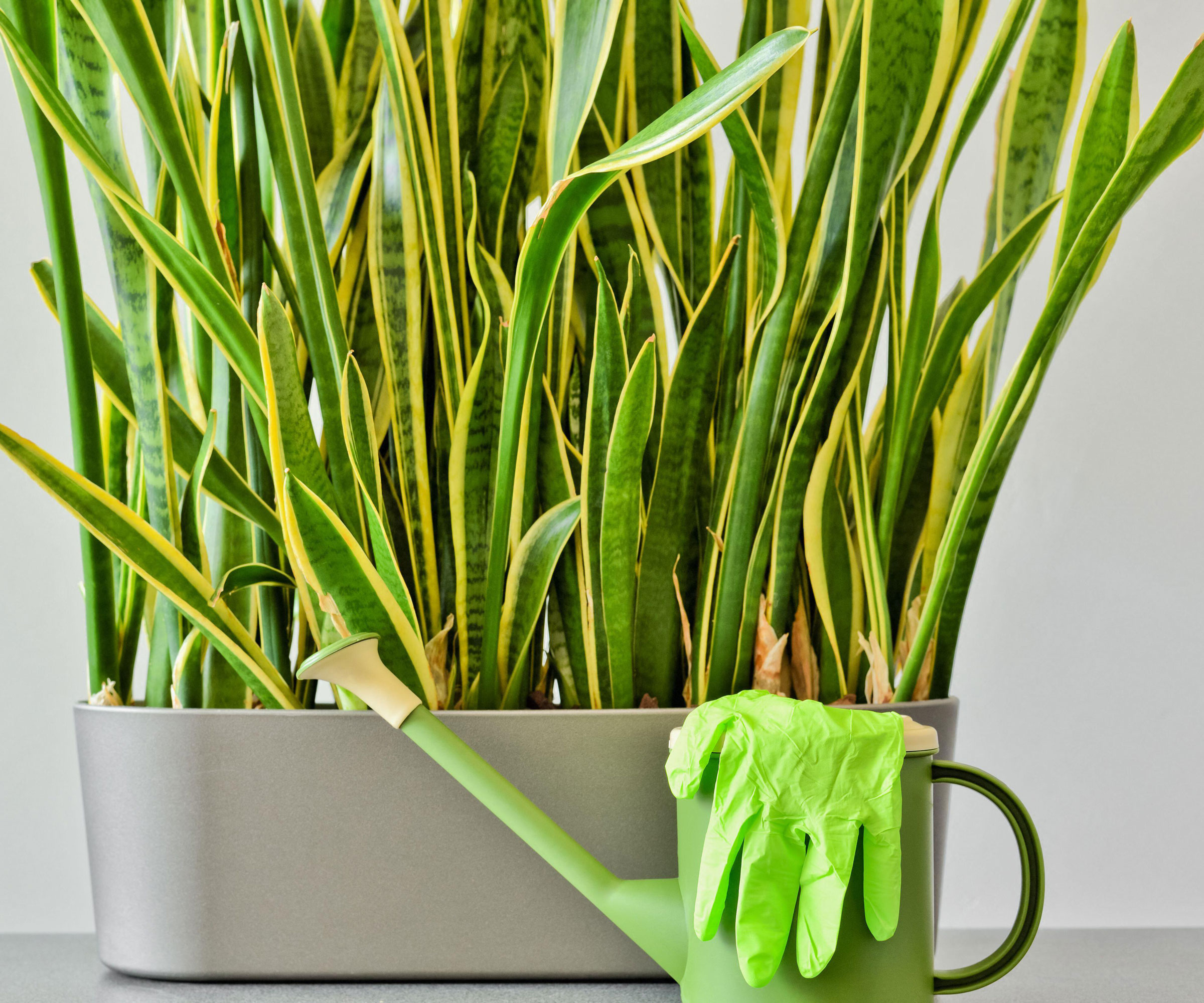
When the top inch (2.5cm) of soil feels damp, lift out and let all excess water drain thoroughly. Once your snake is fully hydrated and drained, you can use a moisture meter to keep an eye on her underground routine so she stays happy. If you need a good diagnostic moisture tool, the XLUX Long Probe Soil Moisture Meter from Amazon reveals moisture levels deep down in an easy, reliable way. You may find that where longer leaves have creased, they will not straighten up after rehydrating. Support the fold with a stake or neat soft tie to keep the leaf upright and functional.
3. Cold Drafts and Temperature Shock
(Image credit: Kseniya Ovchinnikova / Getty Images)
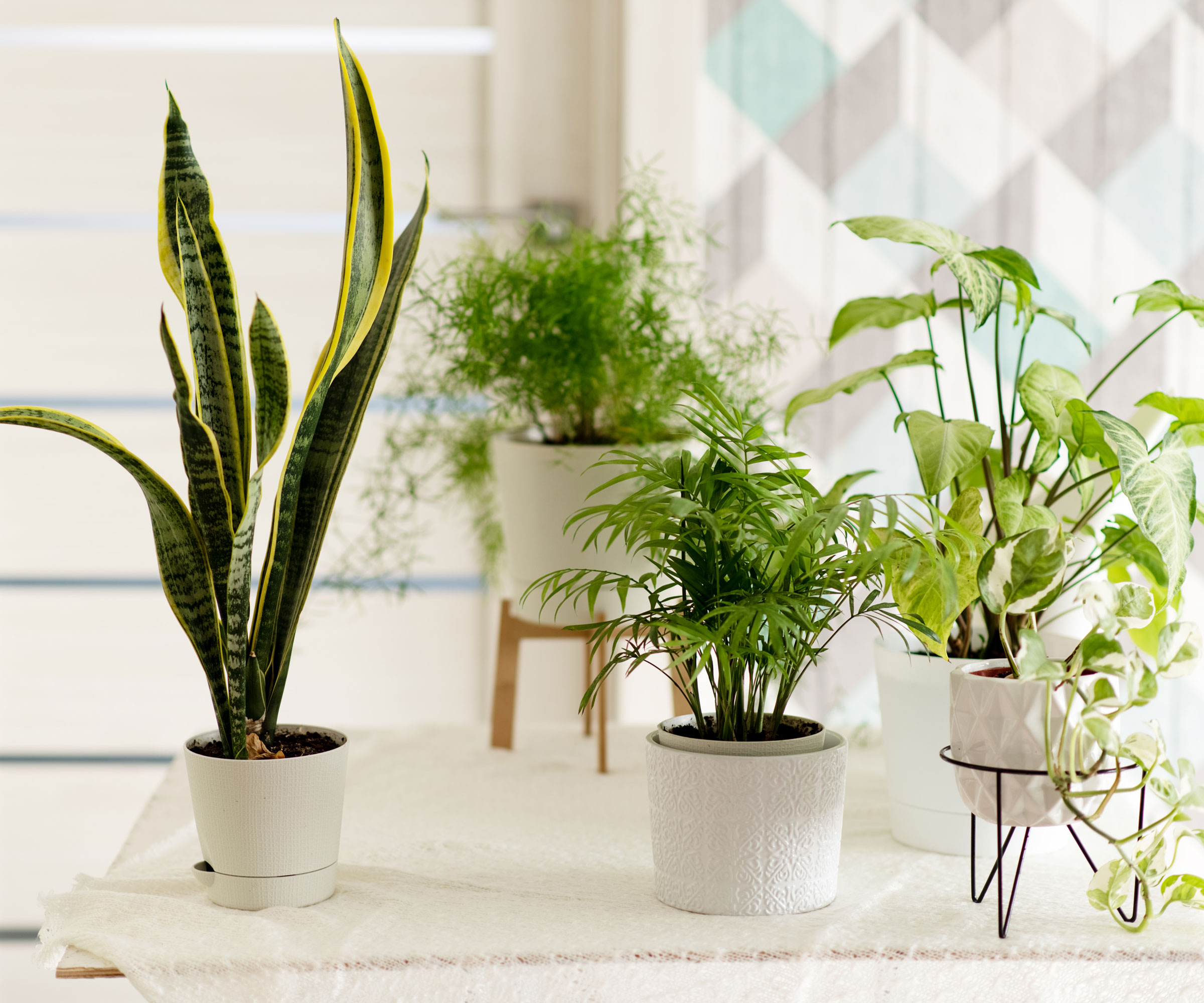
While snakes are tolerant of ambient indoor humidity, they are sensitive to fluctuations and they loathe chilly drafts. Native to warm, tropical regions of West Africa, snake plants prefer temperatures between 21-30°C (70F-85°F). When placed in the path of cold winter windowpanes, chilly entryway drafts, or ice-cold AC blasts, your plant will get pretty stressed. This stress manifests as rapid, patchy yellowing across outer foliage, often accompanied by weak, sagging stems leaning away from the cold source. Variegated cultivars are especially sensitive. Bright golden margins can turn translucent, water-soaked, and grayish-white before collapsing.
To restore your plant, relocate her to a warm, sheltered location free from direct air currents. Avoid parking pots next to drafty doors and chilly glass, and tuck your plant into a bright room with a steady, comfortable temperature. Give her a little time to settle in without fussing over her too much. Radiant cold from uninsulated tile, stone, or hardwood floors can chill the pot base even if the room air feels warm. In this case, use a plant stand or cork trivet to prevent chill. But don’t warm up a plant by placing it directly next to a roaring radiator, as this can cause extreme dehydration.
If the foliage has flopped due to cold shock, avoid the temptation to drench the soil with warm water, which can stress damaged roots. Instead, keep the soil on the drier side while the plant acclimates to its cozy new microclimate, allowing new, upright growth to emerge naturally and restoring that proud, stiff posture. To help keep track of temperature fluctuations around houseplants, it’s well worth investing in a digital thermometer. If you need an affordable option, the TempPro TP50 Digital Indoor Thermometer from Amazon tracks room temperature and humidity shifts with ease.
4. Harsh Direct Sunburn or Deep Darkness
(Image credit: Elena Perova / Getty Images)
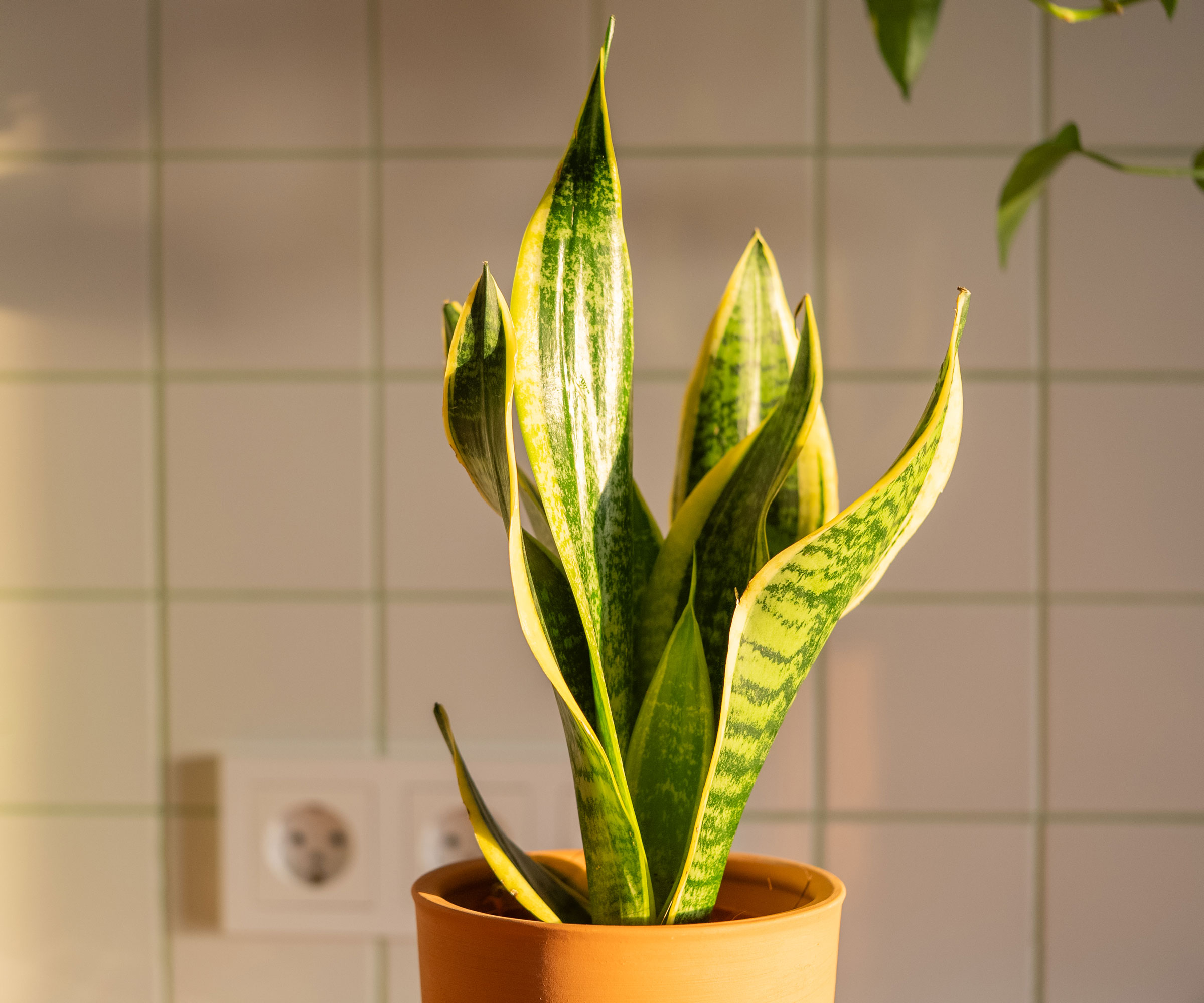
Snake plants are often sold as the ultimate dark corner decor, but living in constant shade can leave them feeling a bit under the weather. There’s a difference between surviving and thriving. Dumped in a dark hallway or windowless room, the plant cannot perform photosynthesis efficiently. Over time, the leaves lose their striking green-and-gold contrast and turn a washed-out, pale yellow. Of course, the opposite situation is also a nightmare for snakes. Harsh rays can bleach the leaves, prompting bleached patches, pale yellow spots and crisp brown edges.
The best way forward here is to move your plant to bright, indirect sunlight. If your plant is suffering from low-light starvation, relocate her to a spot near an east- or north-facing window, where she can receive plenty of ambient natural light. Don’t move a shade-adapted plant straight into intense direct sun overnight. Acclimate it over 10-14 days to prevent leaf scorching. Where too much sun is the culprit, pull the pot back a few feet from southern exposure or filter light using sheer curtains. While scorched patches will not turn green again, providing balanced light will trigger fresh central shoots. Simply trim away badly crisped leaves.
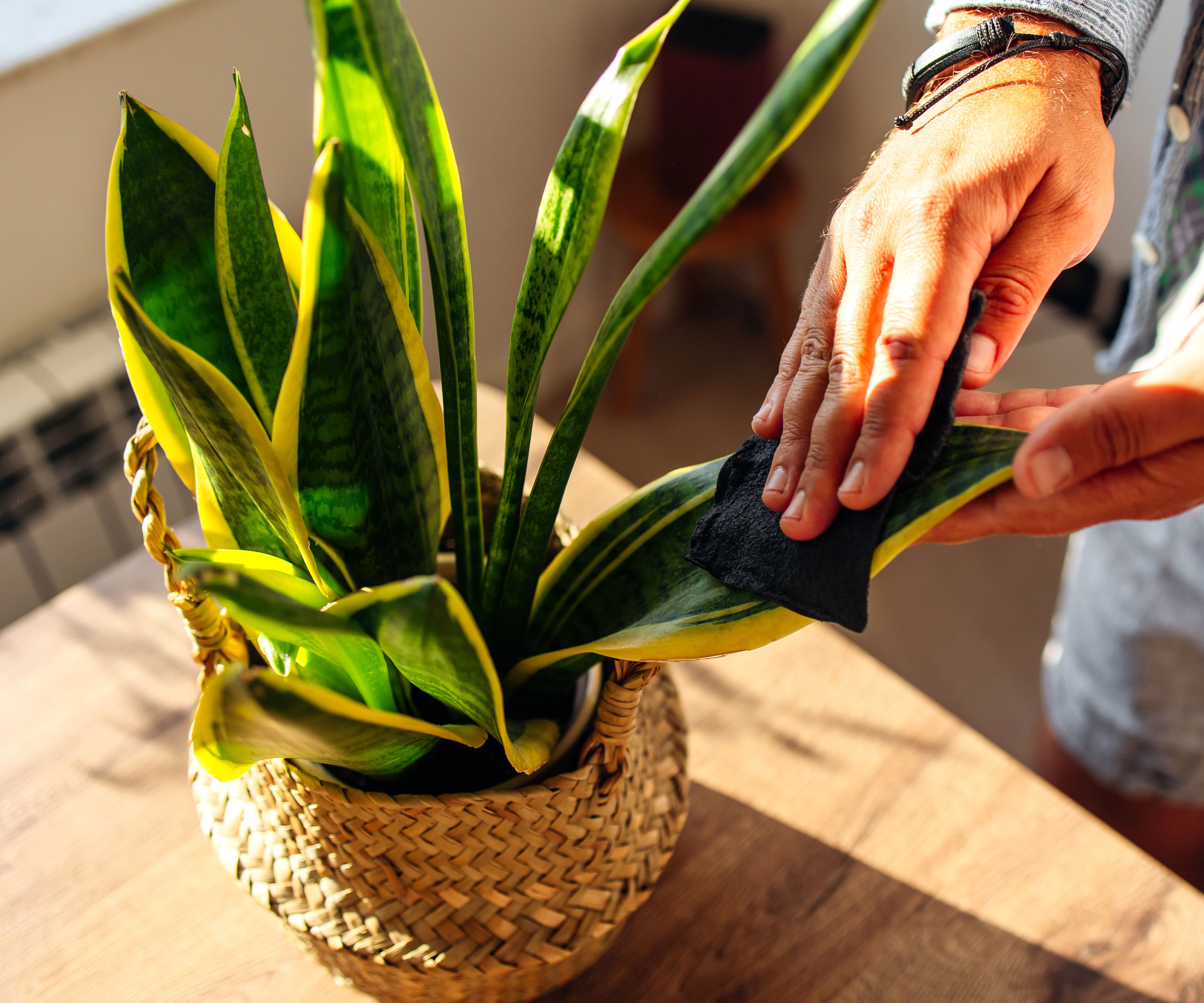
One more kind gesture for light-starved snakes is to keep a close eye on the dust levels. If you can see a layer of dust on the leaves, this is an obvious tell that your plant is struggling to process light efficiently. Where broad snake plant leaves accumulate a thick layer of household dust, this acts as a natural sunblock. Again, this is easily sorted. Wipe leaves regularly with a damp microfiber cloth. You can also use dusting gloves, like the brilliant Bless Your Soil Microfiber Dusting Gloves from Amazon, to dust off broad snake plant fronds.
5. Hidden Pest Attack
(Image credit: Alexandr Kolesnikov / Getty Images)
If the yellowing looks like a mottled, speckled patchwork, you might be seeing the handiwork of some sneaky sap-suckers. While snake plants are less prone to pests than softer-leaved tropicals, they can fall prey to mealybugs and spider mites. These pesky suckers love to hide out in the snug folds where the leaves meet at the base. Mealybugs look like bits of cotton wool, while spider mites leave dusty webbing at the tips. Compact, tightly clustered rosette snake plant varieties are especially vulnerable to mealybugs, which hide deep inside the overlapping leaf bases.
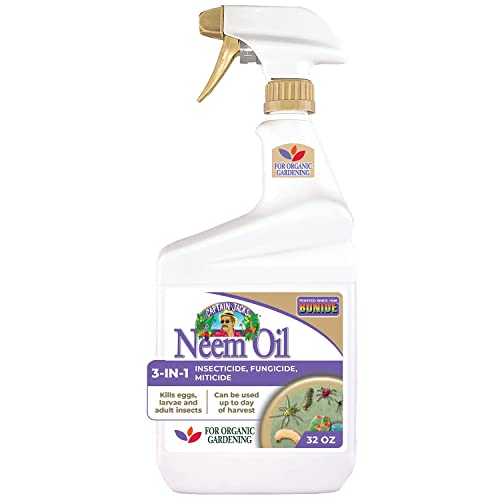
Fortunately, this is treatable when caught early. Take a cotton swab dipped in rubbing alcohol to dab away visible mealybugs. This dissolves their protective coating. Next, wipe down all leaf surfaces. Use a soft cloth dampened with warm water to remove dust, webs, and honeydew. Finish by spraying the entire plant, paying close attention to the base of the leaves, using a diluted neem oil solution. I’m a big fan of Captain Jack’s Ready-to-Use Organic Neem Oil Spray, available from Amazon, for a natural, plant-friendly bug blaster that also restores natural sheen.
Do all this in shade or in the evening, as applying oil-based sprays in sunlight can scald foliage. Oh, and don’t forget to wipe down the outer rim and underside of the pot base, where pest eggs might be hiding. Use a fine paintbrush dipped in rubbing alcohol to sweep inside narrow leaf crevices where sprays might not reach. Then repeat every 7-10 days until all signs of pest activity have vanished.
Shop Snake Plant Rescue Essentials
(Image credit: T Sableaux / Getty Images)
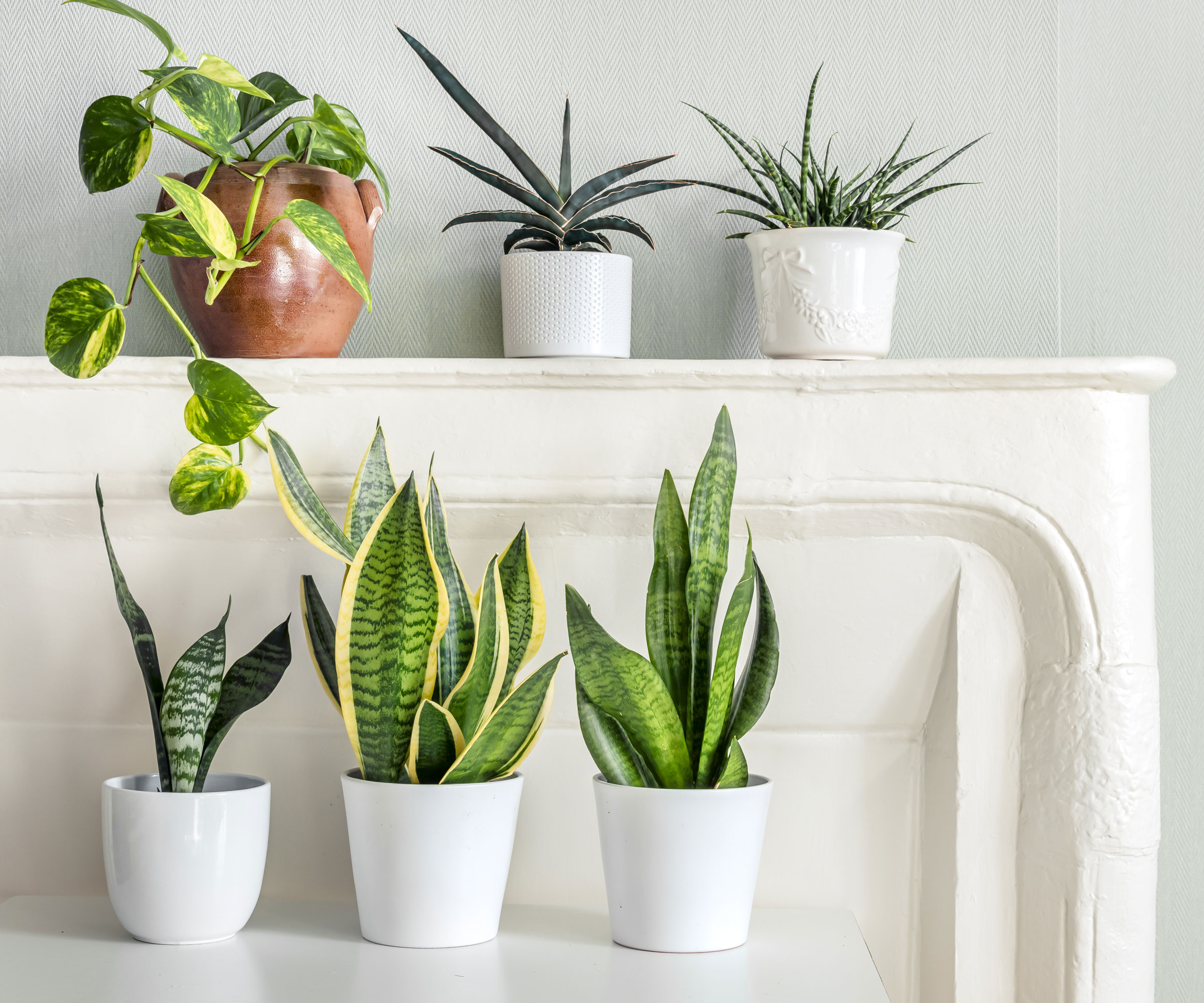
When your snake plant starts flashing yellow distress signals, having the right tools to hand boosts a speedy recovery. While these desert natives are generally low-maintenance, these essential tools help you effectively address such issues as root rot, compacted soil, or sudden pest invasions. Grab these curated snake plant heroes for the best rescue, so your plant stays vibrant and upright for years to come.
Snake Recovery Kit
 Root Rescue
Kanzuro
Kanzuro Hori Hori Garden Knife With Stainless Steel Blade & Wooden Handle
With a lovely walnut handle, this stainless steel slicer helps you to unpot root-bound plants, sliding smoothly around the inner rim, and loosening compacted soil, divide crowded rhizomes, and slice away rotten, unsalvageable root rots and leaf bases.
 Soil Recovery
Back to the Roots
Back to the Roots 100% Organic Succulent & Cacti Mix (6 Quart)
This perlite-rich organic potting soil blend provides the loose, airy structure that succulent root systems crave. Formulated specifically to prevent excess moisture retention, it protects rhizomes from rot while providing essential nutrients for growth.
 Pest Rescue
Bonide
Bonide Captain Jack's Neem Oil, 32 Oz Ready-To-Use Spray
If you need to zap sap-sucking pests like mealybugs and spider mites, this organic spray is a force of nature. It coats leaf surfaces to eliminate infestations and keeps foliage shiny and protected, so your plant can recover its lush, green energy safely.
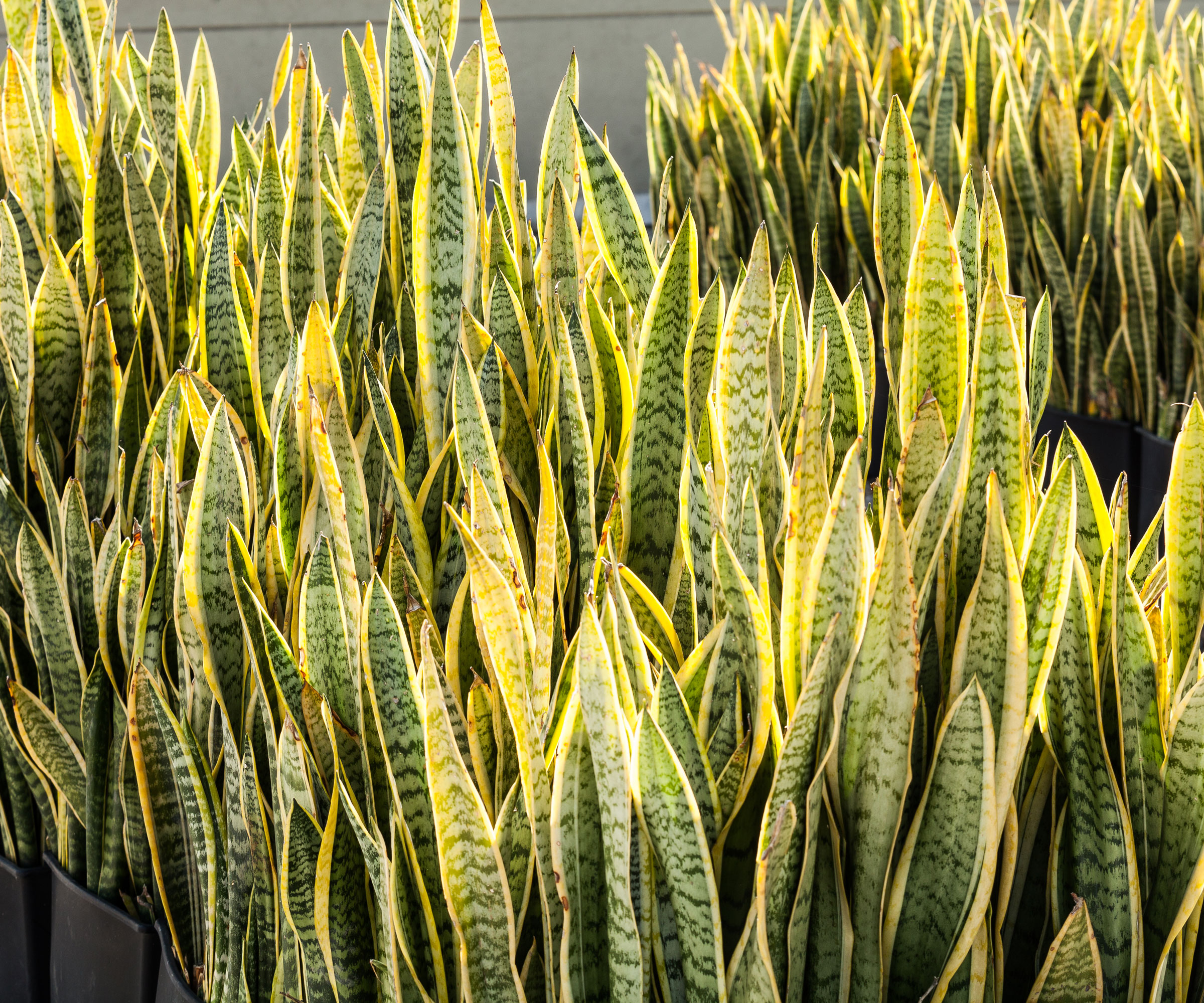
Hopefully this has given you a sense of simple measures you can take to keep your snake happy. The “yellow peril” doesn’t have to signal defeat or doom. Just remember to read leaf texture (as well as color) before you intervene. Translucent, mushy yellow leaves signal moisture overload and root rot, while crispy, wrinkled yellowing can point to drought or dehydration (or old age of single leaves!). If you notice bleached or spotted yellow patches, look closely for sunburn or hidden pests.
Once you think you know the culprit, just trim that unsalvageable foliage cleanly at the base using sterile snips. And always, always remember to take it one thoughtful change at a time. With a little patience and care, you can bring your snake plant back round to gorgeous full health.
(Image credit: Gonzalo Calle Asprilla / Getty Images)
Need more ideas for getting the most from your plants, indoors and out, and looking for the best seasonal expert advice delivered straight to your inbox? Sign up for the free Gardening Know How Newsletter!













 English (US) ·
  French (CA) ·