

 9 months ago
269
9 months ago
269
PROTECT YOUR DNA WITH QUANTUM TECHNOLOGY
Orgo-Life the new way to the future Advertising by AdpathwayIt’s time to prep your January seed starting calendar and get organized ahead of the spring season. No matter where you live and what kind of weather you expect for the beginning of the year, a good plan goes a long way. Experienced gardener Sarah Jay takes you through the month, week by week, to help you figure out what to do.

Written by Sarah Jay Last updated: December 31, 2025 | 4 min read
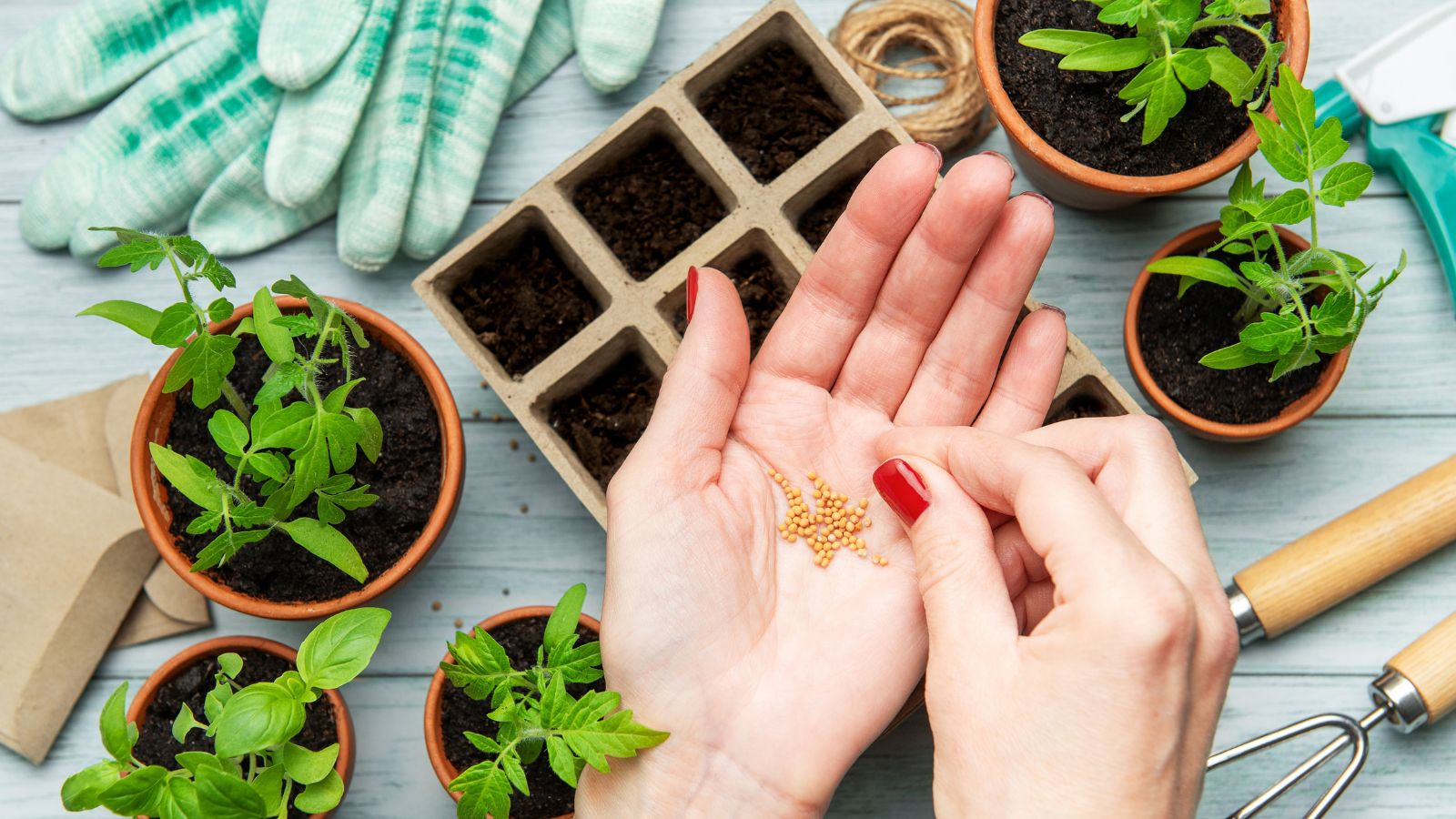
If you haven’t set up your January seed starting calendar, it’s not too late. Even in the coldest parts of North America, getting set up for spring is a good idea.
Gather your seed starting supplies, determine how much space you have, and make a list of the plants you want to grow.
For gardeners in more temperate areas, like my zone 8, January is perfect for starting tomatoes, peppers, and slow-to-germinate herbs and flowers. In more tropical regions, it’s a good time for almost anything that will grow in your zone. In cold spots, keep your seedling pots handy for up-potting ahead of the spring if you plan to start now.
If you need a guide, you’re in the right place. We’ve gathered together a list of plants to grow week by week, regardless of where you live. Use this month to strategize, get started, and get ready for the full swing of the growing season.
Purple Vienna Kohlrabi Seeds
Milkweed / Butterfly Flower

Milkweed / Butterfly Flower Seeds

Walla Walla Bulb Onion Seeds
Determine Your Timing
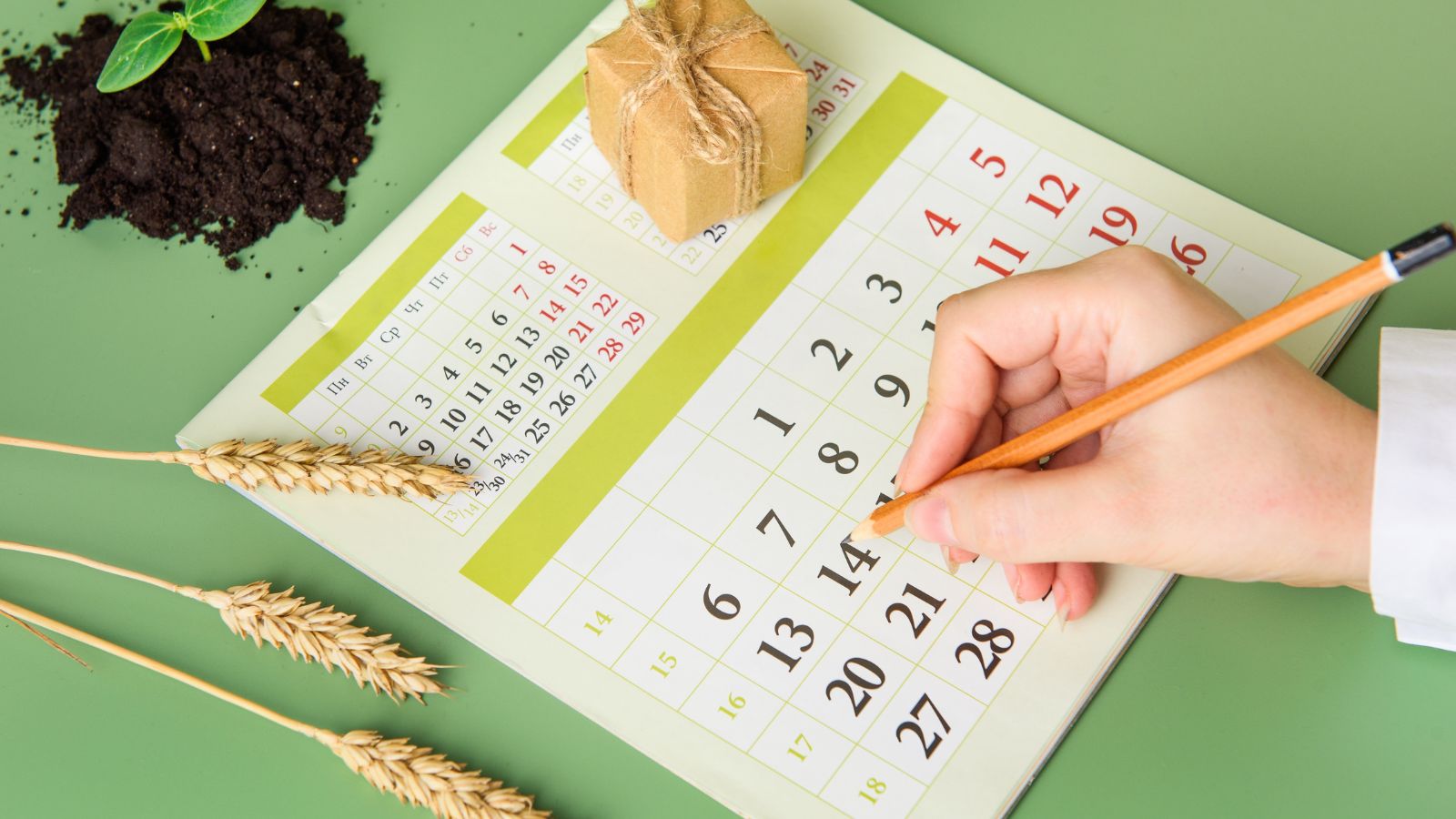 Look up your last frost date to determine your timing.
 Before you plan your January seed-starting calendar, take some time to find your last frost date and the timing of the seeds you want to plant. There are multiple handy calculators out there. Most use your zip code to determine your last day of 32°F (0°C) or lower weather with 90% probability.
While the dates provided by various calculators are accurate, they are never 100% correct. Cross-verify the information with local extension offices for greater accuracy. If you know you’ll plant outdoors right around this time, provide some protection for more sensitive seedlings to get through the cold at the beginning of the season.
In this piece, we’re working off the earliest frost-free dates for each zone. There’s about one or two weeks of leeway for starting most seeds. So if you miss planting one week, you likely have time to start the following week. Zones 10 through 13 are left out, as there is no frost in the tropics.
Note that many of the native wildflowers you’d grow require a period of cold to germinate. If you’re sowing these indoors, search for them in the USDA plant database to determine the length of cold stratification. The week indicated below is the timing for sowing cold-stratified seeds.

Week 1
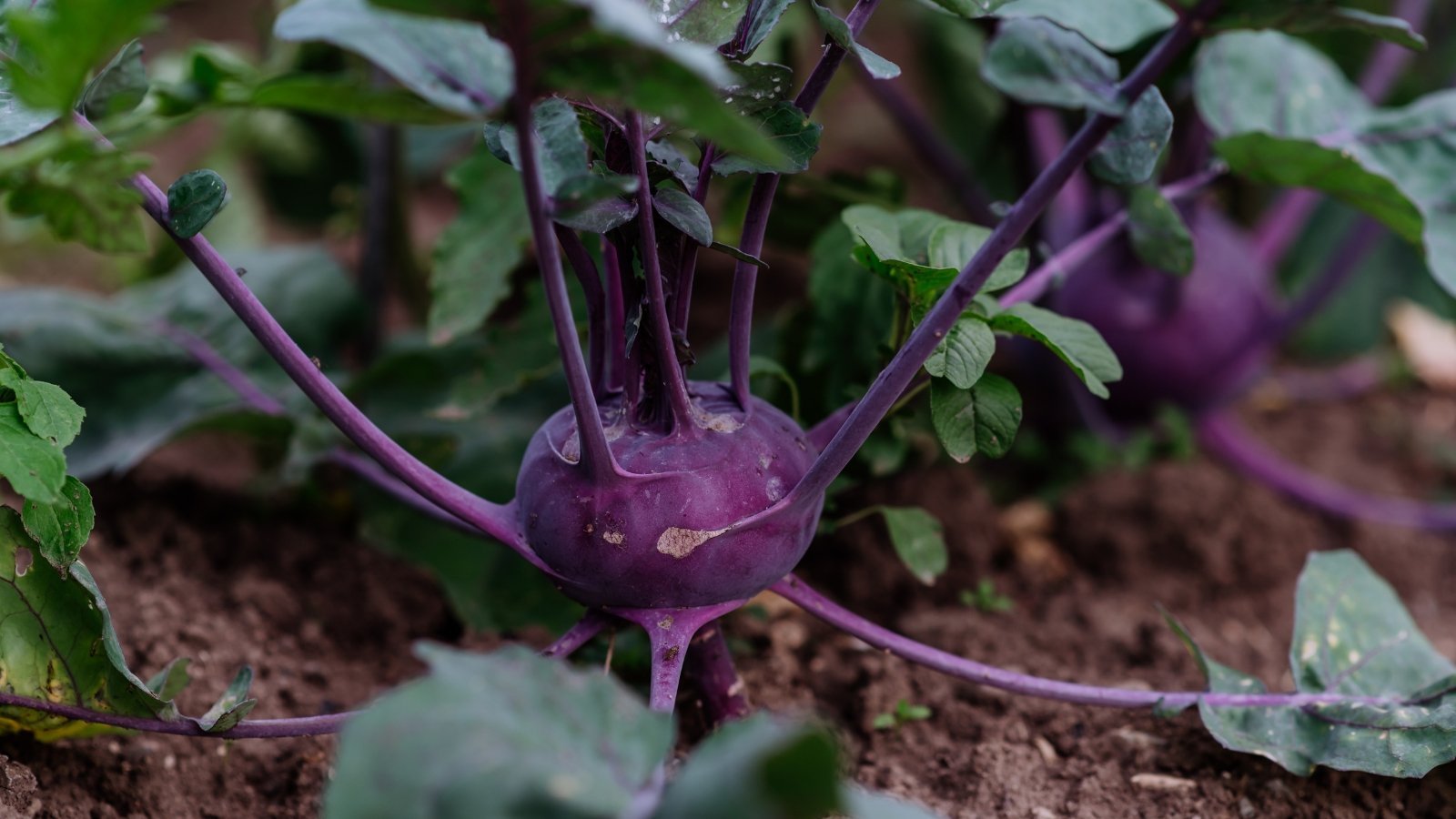 Choose seeds that take a long time to germinate in week 1.
 This week, start slower-growing plants and herbs. In your January seed starting calendar, focus on seeds with a slow maturation rate and those that take longer to germinate. No matter where you are, having these ready to go when the frost clears will give you the best chances for success in spring.
In cold zones 2 and 3, it’s a good time to set up your seed starting station and plan which seeds you want to grow. If you do start seeds this first week of January, have larger containers to up-pot your seedlings into while they await transplant after frost.
Here’s what you can start in other zones. Remember that this information is an approximation. Use this as a general guideline, but always check local information from your extension services (master gardeners and agricultural offices) to determine the best course of action.
| Zone | Seeds to Start |
| Zone 4 | Delphinium |
| Zone 5 | Artichoke, Lisianthus |
| Zone 6 | Leeks, Spinach, Foxglove, Verbena |
| Zone 7 | Celery, Viola |
| Zone 8 | Cabbage, Collards, Kale, Kohlrabi, Lettuce, Parsley, Thyme, Milkweed, Dianthus, Eucalyptus |
| Zone 9 | Tomatoes, Okra (generally direct seeded), Basil, Chamomile, Agrostemma, Alyssum, Amaranth (generally direct seeded), Calendula, Safflower, Bachelor’s button, Seed dahlia, Hyacinth bean, Marigold, Nicotiana, Mexican sunflower |
Week 2
 In warmer zones, begin starting spring crops.
 Use this week to catch up on any plants you missed last week, and nurse any seedlings that emerged over the past week. In warmer zones, it’s a good time to plant seeds of vegetable garden companions so you have the insect support you need for an integrated garden.
For zones 2 and 3, use your January seed starting calendar to keep up with what you’ve been doing. If you plant some seeds indoors, have those starter pots handy for when the seedlings outgrow their initial cells.
| Zone | Seeds to Start |
| Zone 4 | Onions, Eryngium |
| Zone 5 | Leeks, Spinach, Foxglove, Verbena |
| Zone 6 | Celery, Viola |
| Zone 7 | Cabbage, Collards, Kale, Kohlrabi, Lettuce, Parsley, Thyme, Milkweed, Lupine, Bee balm, Salvia |
| Zone 8 | Beets, Cauliflower, Chard, Ageratum, China aster, Bells of Ireland, Cardoon, Gomphrena, Phlox, Iceland poppy, Scabiosa, Sweet pea |
| Zone 9 | Cucumber, Clarkia, Nasturtium, California poppy, Sunflower, Zinnia |
Week 3
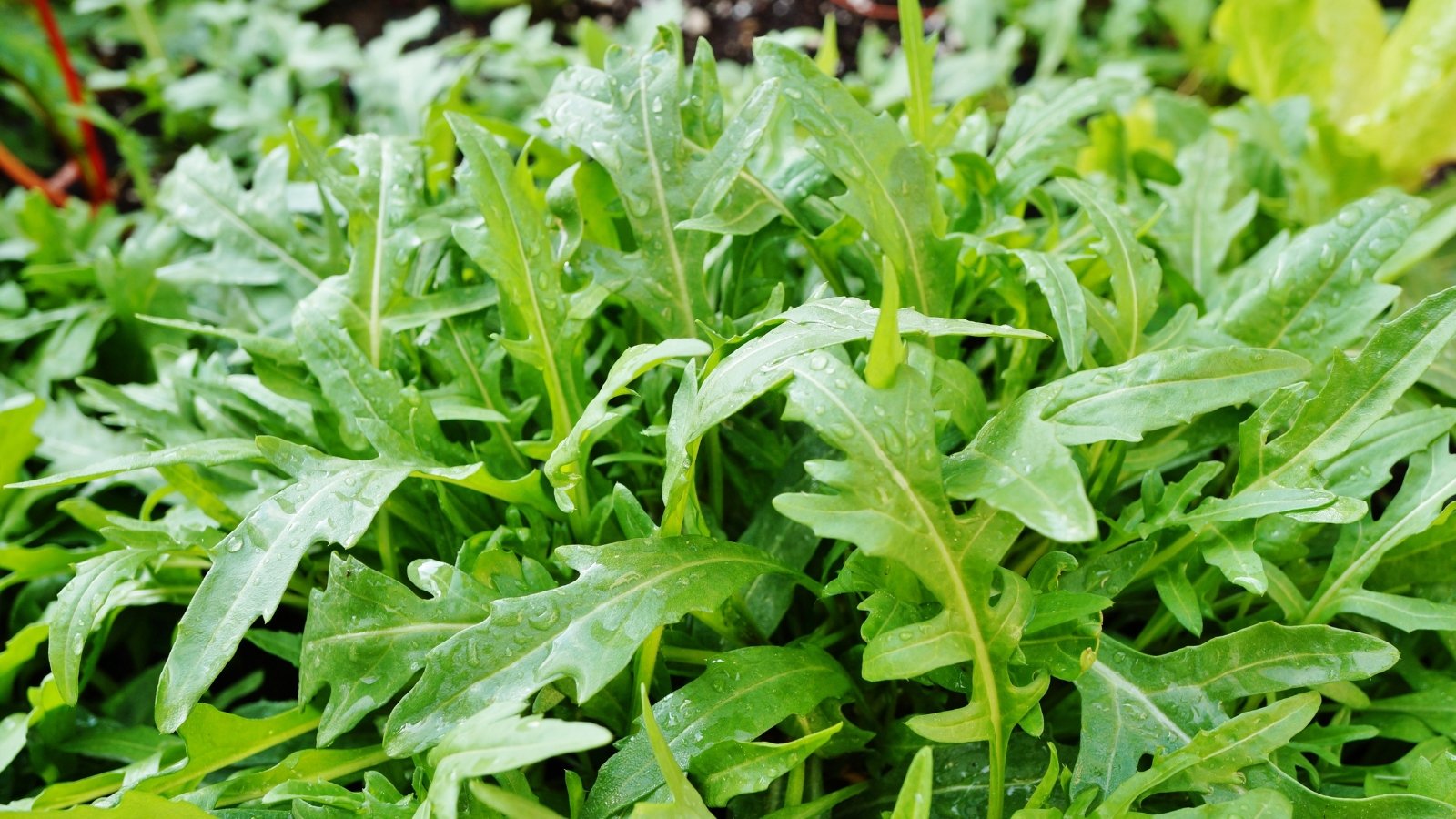 Leafy greens can be started in week 3.
Since we’re getting closer to the end of winter in most zones, start plants that need just a couple of weeks of growth before they’re ready to transplant. If you live somewhere with a short season, start your lettuce and arugula now. Throw a few flowers in there if you haven’t yet!
Only the mostly frost-free zones have timings that allow for warmer-weather plants. In zone 2, start your delphiniums, and in zone 3, get those onions going from seed. Overall, this third week of the January seed starting calendar is similar to the last two for zones 2 and 3. If you start seeds, keep larger containers handy for up-potting.
| Zone | Seeds to Start |
| Zone 4 | Artichoke, Lisianthus |
| Zone 5 | Celery, Viola |
| Zone 6 | Cabbage, Eggplant, Kale, Kohlrabi, Dianthus, Eucalyptus, Lupine, Salvia, Snapdragon |
| Zone 7 | Beets, Cauliflower, Chard, Ageratum, China aster, Bells of Ireland, Cardoon, Gomphrena, Phlox, Iceland poppy, Scabiosa, Sweet pea |
| Zone 8 | Celosia, Cosmos, Echinops, Hibiscus, Larkspur, Rdbeckia, Paper flower |
| Zone 9 | Melons, Pumpkins, Squash, Watermelon |
Week 4
 Move larger seedlings into containers until you’re ready to transplant.
 In cold areas, it’s time to start onions. In warmer areas, you can get various cruciferous vegetables going, and up-pot your peppers and tomatoes. If you live somewhere very cold, and you don’t expect frost to pass until May, pot the young seedlings into larger containers as they await their planting time.
For zone 2, you have a chance to start delphinium and plants with a similar timing. In zone 3, you can actually start a few things (finally!). Notice we’ve included zone 3 in the chart below for that reason.
In zone 7, most of your initial starting is done for now. Sow successions of crops you want to continuously harvest. Even though zone 8 can start new stuff, it’s a great time for successions in areas and with crops where summer heat isn’t a concern.
In zone 9, you’re already tending a garden in full swing, so continuous sowing is an option. Include your successions in your January seed starting calendar to stay on track.
| Zone | Seeds to Start |
| Zone 3 | Artichoke, Onions, Lisianthus |
| Zone 4 | Leeks, Spinach, Foxglove, Verbena |
| Zone 5 | Cabbage, Collards, Eggplant, Kale, Kohlrabi, Dianthus, Echinacea, Eucalyptus, Lupine, Salvia, Snapdragon |
| Zone 6 | Parsley, Thyme, Milkweed, Bee balm |
| Zone 8 | Broccoli, Peppers, Ammi, Artemisia, Ornamental kale, Statice, Stock, Strawflower |


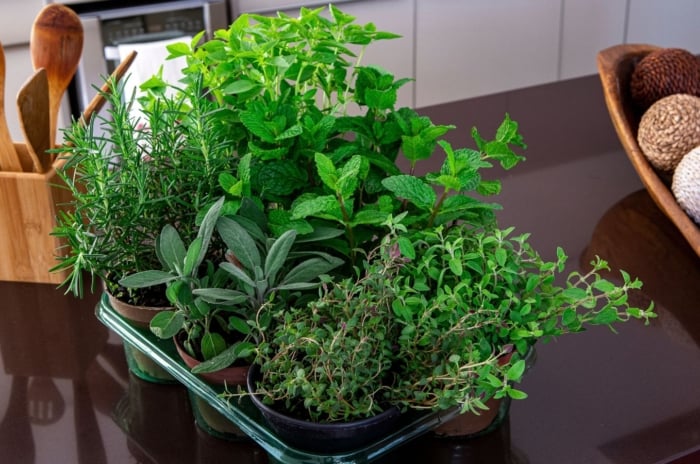
11 Low-Light Indoor Herbs for Fall and Winter Kitchens
Home cooks unite! These herbs are perfect for pushing your dishes from amateur to professional status. They add flavor, texture, and pungent spice. Join seasoned grower Jerad Bryant and discover these 11 herbs perfect for low-light winter kitchens.
Learn to grow.
Join our community for future updates.
7 Vegetable Seeds to Start in December
When should your vegetable seeds start? December is a great time for direct seeding in some instances, and sowing indoors in others. Experienced gardener Sarah Jay covers seven seeds you can start in both cases to achieve cool-weather harvests and prepare for spring.
How to Grow an Indoor Herb Bar Under Lights
Don’t let small spaces or cold temperatures limit your gardening habits; grow an indoor herb bar instead! With grow lights, you can cultivate your favorite herbs in any room of your home. Learn how to cultivate tasty herbs indoors alongside seasoned grower Jerad Bryant.
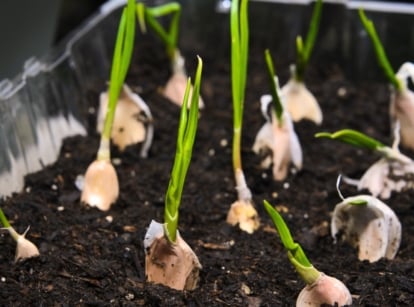
How to Grow Garlic Indoors in 5 Easy Steps
Can you grow garlic indoors? The answer is yes! You may cultivate tender garlic foliage in apartment gardens and indoor rooms. All you need is some garlic, supplies, and a well-lit room. Join garlic grower Jerad Bryant to learn how to cultivate this root crop indoors with five easy steps.

How to Grow an Indoor Food Forest
Don’t let bad weather stop you from growing food crops. If it’s too cold, too hot, or too wet, you can grow food indoors in pots, trays, and planters. From leafy greens to root crops, and perennials to fruiting shrubs, the possibilities are endless. Indoor gardener Jerad Bryant shares how to grow a food forest inside your home.
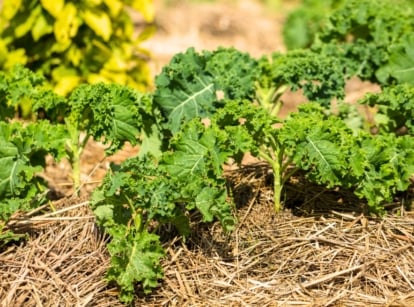
13 Plants You Should Mulch Now to Protect From Frost
As frosty weather sets in, it’s important to safeguard your most tender plants. Protect them now with a thick layer of mulch to keep their roots insulated and warm through the winter. Backyard gardener Jerad Bryant shares the 13 plants you should mulch now in the home garden.
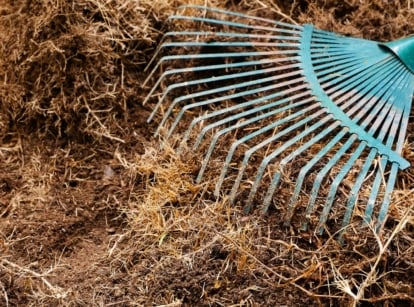
Building Garden Soil Through Fall and Winter: No-Till Methods
The soil is alive! Underneath the surface lie worms, microbes, and critters that work in harmony. Don’t till the site and ruin the ecosystem; instead, use these no-till methods to boost your garden soil through fall and winter. Join native plant gardener Jerad Bryant for expert tips on soil building.












 English (US) ·
  French (CA) ·