

 2 months ago
55
2 months ago
55
PROTECT YOUR DNA WITH QUANTUM TECHNOLOGY
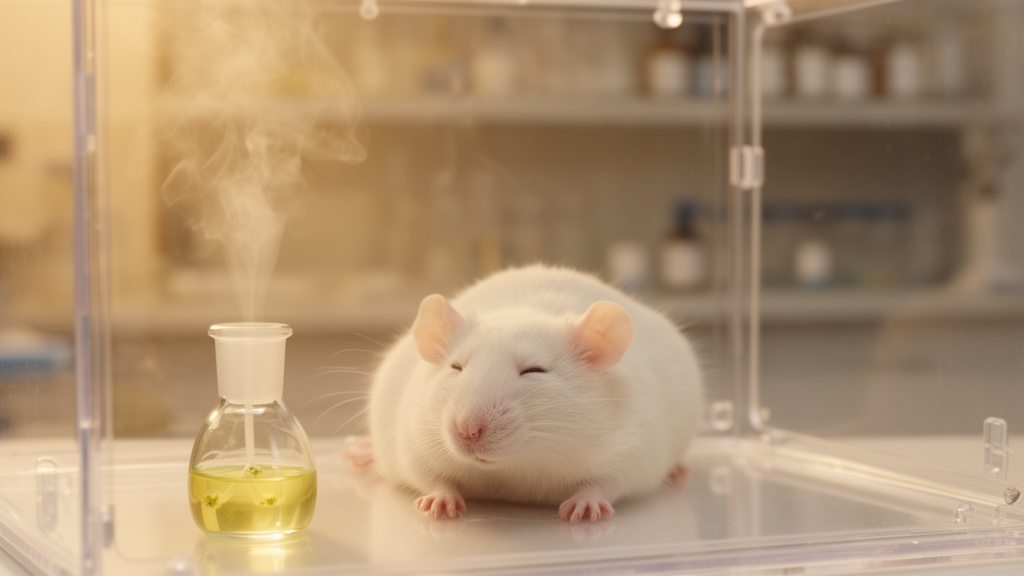
Orgo-Life the new way to the future Advertising by AdpathwayCancer-associated cachexia, the wasting syndrome that erodes muscle, fat and physical resilience in many people with advanced cancer, has long resisted treatment. Now, researchers at the Korea Advanced Institute of Science and Technology (KAIST) report a preclinical strategy that targets the disorder from an unexpected location: the brainstem. In tumor-bearing mice, an RNA-based therapy designed to silence a neural receptor preserved body weight, muscle mass, fat stores and physical function, while dramatically improving survival even after cachexia had already developed.
The study was conducted by a joint team led by Minho Shong and Jinkuk Kim of KAIST’s Graduate School of Medical Science and Engineering, in collaboration with the KAIST faculty startup THOR Therapeutics. Their approach focuses on the biological circuit formed by growth differentiation factor 15, or GDF15, and its receptor, GFRAL. GDF15 is a signaling protein released in elevated amounts during several disease states, including cancer. When it reaches the hindbrain and binds to GFRAL, it activates neural pathways associated with nausea, appetite suppression and profound metabolic changes.
Cachexia is more complex than ordinary weight loss. Patients can continue losing muscle and body fat even when food intake is adequate, because cancer and the host response to cancer disrupt the systems that regulate energy use, inflammation and tissue maintenance. The resulting decline can weaken immunity, reduce mobility and make chemotherapy more difficult to tolerate. Although the syndrome affects an estimated 50 to 80 percent of people with cancer, available treatments have generally focused on stimulating appetite or providing nutritional support. Such measures may increase food intake temporarily, but they do not necessarily halt the breakdown of muscle or correct the underlying metabolic disturbance.
The KAIST researchers reasoned that the GDF15–GFRAL pathway could act as a central command system for this wasting response. GDF15 produced in the body circulates to the brainstem, where GFRAL is concentrated in a specialized region known as the area postrema and its surrounding neural circuitry. Once activated, this receptor can influence brain networks that control feeding behavior and autonomic metabolism. Rather than attempting to neutralize GDF15 throughout the body, the team chose to disable the receptor itself in the brainstem, preventing the signal from being received.
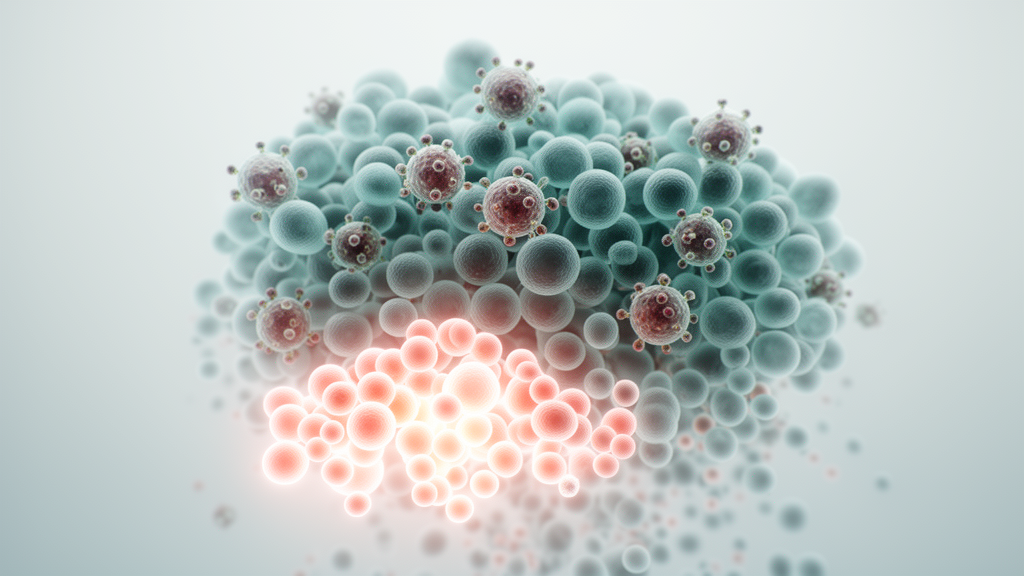
To accomplish this, the researchers developed antisense oligonucleotides, or ASOs, directed against Gfral messenger RNA. ASOs are short, chemically modified strands of nucleic acid engineered to bind a specific RNA sequence. When an ASO binds its target messenger RNA, cellular enzymes can promote its degradation or interfere with its processing, reducing production of the corresponding protein. In this case, the treatment lowered the supply of GFRAL receptors in the brainstem. The strategy therefore acts at the RNA stage, before the receptor is assembled and displayed on the surface of neural cells.
The experiments were performed in mice carrying tumors and showing established signs of cancer cachexia. This timing is important because many experimental interventions appear effective only when administered before severe wasting begins. According to the researchers, GFRAL silencing after cachexia had progressed substantially reduced the loss of muscle and fat. Treated animals also showed restoration of metabolic functions that had deteriorated during tumor growth, suggesting that the intervention did more than increase appetite. It helped interrupt the physiological program driving the breakdown of energy reserves.
The most striking result involved survival. At approximately day 50, the endpoint used in the study, about 90 percent of the mice receiving the GFRAL-targeting ASO remained alive, compared with roughly 20 percent of untreated tumor-bearing animals. The treated mice retained greater body weight and muscle mass and performed better in measures of muscle function. These findings indicate that cachexia itself can be a major determinant of outcome in cancer-bearing organisms and that blocking its central signaling pathway may provide benefits beyond nutritional improvement.
The work does not yet establish whether the same treatment will be safe or effective in people. GFRAL signaling is involved in the body’s response to circulating stress signals, and manipulating a receptor in the brainstem requires careful assessment of neurological, cardiovascular, gastrointestinal and metabolic effects. Human cancers also vary widely in their production of GDF15, tumor location and inflammatory biology. Nevertheless, the results offer a mechanistically precise alternative to therapies that merely encourage patients to eat. By targeting the receptor rather than broadly suppressing the signaling protein, the ASO approach may eventually be combined with chemotherapy, immunotherapy or other cancer treatments.
The findings, published in Cell Reports Medicine, represent an early step toward translating a brain-directed RNA therapy for cachexia. The researchers plan further preclinical studies, along with development of manufacturing and quality-control systems, with the stated goal of beginning clinical development in cancer patients by 2030. If the biology can be reproduced safely in humans, silencing GFRAL could become an adjunct treatment intended to preserve physical function, extend treatment tolerance and improve survival. For now, however, the evidence remains limited to tumor-bearing mice, and the central challenge will be determining whether a signal that can be switched off experimentally can be controlled with equal precision in patients.
Subject of Research:
An antisense oligonucleotide therapy targeting brainstem GFRAL to treat cancer-associated cachexia in tumor-bearing mice.
Article Title:
Therapeutic Gfral silencing via antisense oligonucleotides ameliorates cancer-associated cachexia and extends survival in tumor-bearing mice
Web References:
https://doi.org/10.1016/j.xcrm.2026.102939
References:
Cell Reports Medicine, published 27 July 2026. DOI: 10.1016/j.xcrm.2026.102939
Image Credits:
KAIST
Keywords:
Cancer cachexia, GFRAL, GDF15, antisense oligonucleotides, RNA therapy, brainstem, muscle wasting, cancer metabolism, preclinical research, KAIST
Tags: brainstem-targeted therapy for cachexiacachexia management in advanced cancercancer cachexia treatmentcancer-associated muscle lossGDF15 and GFRAL receptor signalinginnovative treatments for cancer wasting syndromemetabolic changes in cancer cachexiamuscle preservation in cancer patientsneural circuits in cachexiapreclinical studies on cachexiaRNA-based therapy for muscle wastingtargeting neural pathways in cachexia
















 English (US) ·
  French (CA) ·