

 3 hours ago
3
PROTECT YOUR DNA WITH QUANTUM TECHNOLOGY
Orgo-Life the new way to the future Advertising by AdpathwayResearchers at the University of Colorado Anschutz School of Medicine have discovered that a kidney protein called TMEM174 plays a critical role in regulating blood phosphate levels, with deficiency in the protein accelerating blood vessel stiffening and significantly shortening lifespan in animal models. The findings, published in the journal Scientific Reports under senior author Makoto Miyazaki, PhD, identify a molecular mechanism that prevents excessive phosphate accumulation and protects cardiovascular resilience.
As individuals age or as particular pathologies advance, blood vessels frequently lose elasticity, turning stiffer and less resilient. These vascular alterations are directly linked to an increased risk of cardiovascular disease and earlier mortality, making the biological triggers of vascular calcification a major focus of biomedical research.
A primary driver of vascular stiffening is hyperphosphatemia, a condition defined by higher-than-normal concentrations of phosphate circulating in the bloodstream. While elevated blood phosphate remains relatively uncommon across the general population, it is widespread among individuals diagnosed with chronic kidney disease, whose kidneys gradually lose the functional capacity to filter metabolic waste products from the blood.
When blood phosphate levels remain chronically elevated, excess phosphate prompts vascular smooth muscle cells within blood vessel walls to adopt bone-forming characteristics. Rather than maintaining normal elasticity, these altered cells begin depositing bone-like calcium phosphate crystals directly into vessel structures, transforming supple vessels into rigid tubes prematurely aged by mineral accumulation.
Phosphorus itself remains an indispensable dietary nutrient required for skeletal development and bone-building, occurring naturally as organic phosphate compounds in whole foods including meat, poultry, fish, whole grains, nuts, legumes, and dairy products. However, modern processed foods and beverages frequently contain inorganic phosphate additives to improve flavor and prolong shelf life, which absorb into the bloodstream significantly faster and more completely than organic forms.
Under normal physiological conditions, the kidneys carefully balance systemic phosphate through continuous filtration and selective reabsorption. When blood passes through renal filtration, a transporter protein designated NPT2A actively reabsorbs approximately three-quarters of the filtered phosphate back into the bloodstream, ensuring the body avoids dangerous nutrient depletion.
The study demonstrated that TMEM174 serves as an essential regulatory brake on this reabsorption process by binding directly to NPT2A and slowing down its transport activity. According to Miyazaki, TMEM174 appears to destabilize NPT2A, maintaining phosphate homeostasis and preventing the body from reabsorbing dangerous surpluses of phosphate during periods of dietary load.
In laboratory animal models, genetic deficiency of TMEM174 severely disrupted phosphate balance, accelerated arterial calcification, and markedly reduced overall life expectancy. These detrimental outcomes were notably exacerbated when the animals were fed high-phosphate diets, whereas administering diets lower in phosphate content helped mitigate some of the harmful vascular effects.
The researchers noted that TMEM174 deficiency appears to be driven primarily by genetic factors rather than by kidney damage itself. However, patients suffering from chronic kidney disease who concurrently carry an underlying deficiency in TMEM174 likely face compounding cardiovascular risks due to their diminished ability to counteract systemic phosphate retention.
These experimental insights suggest that TMEM174 could serve as a novel therapeutic target for drug development designed to curb renal phosphate reabsorption in high-risk patients. Because phosphate is ubiquitous across the food supply, making complete dietary restriction difficult for individuals with chronic kidney disease, Miyazaki and his colleagues plan to pursue further research into renal regulatory proteins, balancing hormones, and the precise pathways governing vascular calcium deposition.
The discovery of TMEM174 provides an unexpected breakthrough in a field of biomedical science that has engaged researchers for more than a century. Dr. Makoto Miyazaki, a research professor in the Division of Renal Diseases and Hypertension at the University of Colorado Anschutz School of Medicine and the senior author of the investigation, emphasized the broader biological importance of maintaining strict mineral balance. In his assessment of the findings, Miyazaki observed that phosphate regulation is critically underestimated with respect to mammalian longevity, noting that across mammalian species, higher concentrations of circulating phosphate in the blood correspond directly with a shortened lifespan. The identification of a previously uncharacterized renal protein governing this pathway is particularly remarkable given that scientists have actively investigated systemic phosphate homeostasis for over one hundred years. Published in the peer-reviewed journal Scientific Reports under the title examining how TMEM174 deficiency reduces longevity by promoting phosphate-driven vascular calcification, the study highlights how essential cellular mechanisms within the kidneys are to preserving long-term cardiovascular health.
Under healthy physiological conditions, the vasculature depends upon supple and resilient blood vessel walls that expand and contract smoothly to accommodate the body’s fluctuating blood flow requirements. However, when blood phosphate concentrations remain persistently elevated, this flexible vascular architecture undergoes destructive structural alterations. Excess circulating phosphate acts as a cellular trigger, causing the smooth muscle cells that line the blood vessel walls to undergo a pathological shift in behavior. Instead of preserving vessel compliance and tone, these smooth muscle cells begin behaving like bone-forming cells. In this altered state, they actively deposit crystalline calcium phosphate structures directly into the vascular tissue, initiating a calcification process that stiffens the vessels. This premature aging of the circulatory network degrades normal vascular function and contributes directly to an increased risk of severe cardiovascular disease and earlier mortality.
The human body maintains internal mineral equilibrium through continuous renal filtration, pulling phosphate from the bloodstream and excreting a portion of that waste material through the urine. However, to prevent the body from depleting vital phosphorus reserves, a specialized transport protein known as NPT2A reabsorbs approximately three-quarters of the filtered phosphate back into systemic circulation. The new experimental research demonstrates that TMEM174 serves as an indispensable regulatory counterbalance to NPT2A, binding directly to the transport protein and reducing its rate of phosphate reabsorption. While the exact biochemical mechanisms remain incompletely understood, Miyazaki and his colleagues found that TMEM174 effectively destabilizes NPT2A, functioning as a critical molecular brake. Without adequate levels of TMEM174, the homeostatic equilibrium between filtration and reabsorption breaks down, enabling excessive amounts of phosphate to return to the bloodstream.
To evaluate the physiological impact of this regulatory mechanism, the research team conducted controlled experiments utilizing laboratory animal models with targeted TMEM174 deficiency. The animal investigations revealed that the absence of functional TMEM174 severely compromised the animals’ ability to regulate systemic blood phosphate levels, leading to accelerated vascular calcification and significantly reduced life expectancy. These detrimental health outcomes were particularly pronounced when the deficient animals were maintained on high-phosphate diets, which intensified mineral accumulation and arterial stiffening. Conversely, the researchers observed that placing the animals on diets lower in phosphate content helped lessen some of these negative pathological effects, demonstrating that external dietary mineral intake interacts directly with internal genetic vulnerabilities to influence survival and vascular decline.
Phosphorus itself remains an essential dietary nutrient indispensable for normal bone-building and skeletal development. It occurs naturally throughout many whole food sources, ranging from meat, poultry, and fish to whole grains, nuts, legumes, and dairy products, where it exists predominantly in the form of organic phosphate compounds. In contrast, processed foods and beverages frequently contain phosphate additives intended to extend shelf life and improve flavor. These dietary additives present distinct physiological concerns because they absorb into the bloodstream much faster and more completely than the organic phosphates inherent to unprocessed whole foods. Consequently, excessive intake of highly processed products can generate rapid phosphate surpluses that set off systemic health challenges.
While elevated blood phosphate levels, clinically designated as hyperphosphatemia, remain relatively uncommon throughout the general population, the condition is substantially more widespread among individuals diagnosed with chronic kidney disease. As chronic kidney disease progresses, the deteriorating kidneys gradually lose their effectiveness at filtering out metabolic waste products and excess substances from the circulating blood. The study indicates that TMEM174 deficiency appears to be driven principally by genetic factors rather than stemming directly from kidney damage itself. Nevertheless, patients with chronic kidney disease who simultaneously lack sufficient levels of TMEM174 face compounding health risks, as the breakdown of NPT2A regulation magnifies their inability to eliminate retained phosphate.
The identification of TMEM174 and its counterbalancing role against NPT2A establishes a vital molecular framework that could inform future therapeutic developments. Miyazaki hopes these experimental findings will open the door to novel treatments and drug targets capable of preventing the body from reabsorbing excess phosphate through the kidneys, helping chronic kidney disease patients sustain better overall health and extend longevity. Although adopting dietary changes, particularly curbing the consumption of phosphate-heavy fast foods, deli meats, sodas, and other processed items, can provide modest assistance, Miyazaki notes that managing systemic phosphate solely through diet remains exceedingly difficult because phosphorus is present across so many staple foods that it is nearly impossible to avoid entirely.
Looking toward future research, Miyazaki plans to expand upon these findings by investigating additional kidney proteins alongside regulatory hormones that maintain chemical balance throughout the body. Furthermore, noting that calcium accumulation in blood vessels represents a very common and hazardous complication in people living with chronic kidney disease, the senior author aims to conduct deeper laboratory investigations to elucidate the precise biological mechanisms driving this calcification phenomenon. In the interim, establishing the fundamental counterbalancing role of TMEM174 marks a concrete advance toward understanding how the mammalian body preserves systemic phosphate balance, offering crucial insights that may ultimately support better long-term health outcomes for individuals experiencing mineral imbalances.
Subject of Research: Renal TMEM174 regulation of blood phosphate and vascular calcification
Article Title: Newly identified kidney protein protects blood vessels, study finds
Article References: Newly identified kidney protein protects blood vessels, study finds. Original publication (Bibliographic details unavailable.)
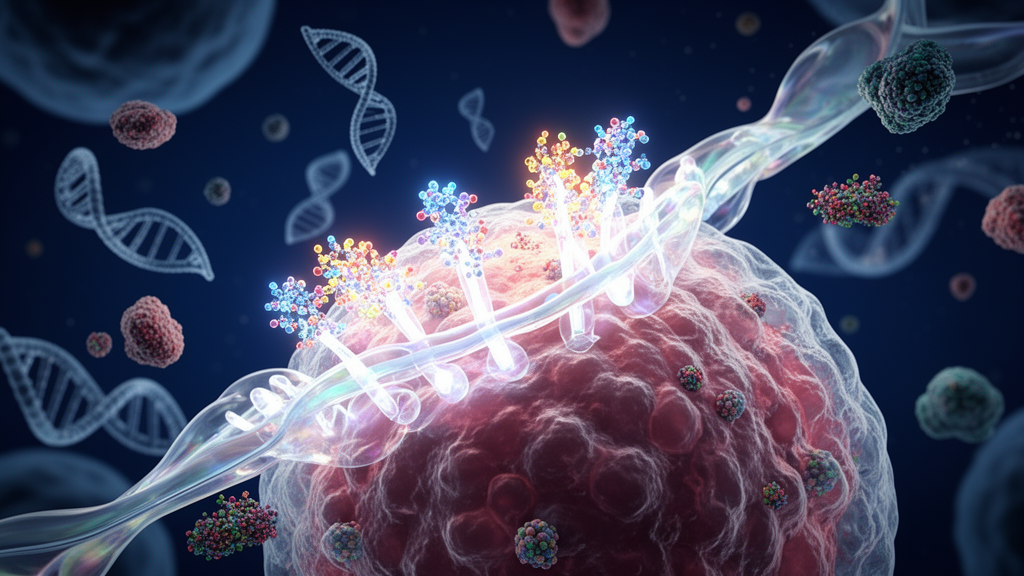
Image Credits: AI Generated
DOI: Not provided
Keywords: TMEM174, NPT2A, hyperphosphatemia, vascular calcification, chronic kidney disease, phosphate homeostasis, renal filtration, smooth muscle cells, calcium phosphate crystals, blood vessel stiffening, dietary phosphate, phosphate additives, animal models, Scientific Reports, Makoto Miyazaki, CU Anschutz School of Medicine, cardiovascular disease
















 English (US) ·
 French (CA) ·