

 7 months ago
217
7 months ago
217
PROTECT YOUR DNA WITH QUANTUM TECHNOLOGY
Orgo-Life the new way to the future Advertising by AdpathwayMarch seed starting is one of my favorite things to do. Not only does this task signal that the spring is on its way, but it also gets me excited about how things will go at the height of the growing season. March is the time to clear space or gather seed starting materials for this very reason.
Sow seeds of longer maturing plants indoors now and plant them out as soon as possible. In March, some parts of North America are already well into their season, and it’s beyond time to grow certain plants.
But those in milder regions can sow certain ones now and glean a harvest in early summer, and then in fall. In areas where it’s too late, transplant starts to ensure they fruit in time.
Gardeners in colder regions will need to protect directly sown seeds from frosts. As long as there is a cover, the ability to grow many vegetables and flowers remains, despite inclement weather. In warmer areas, now is a great time to start, as cool weather conditions are ideal for germinating most seeds.
Just Tell Me What to Plant Starter Pack
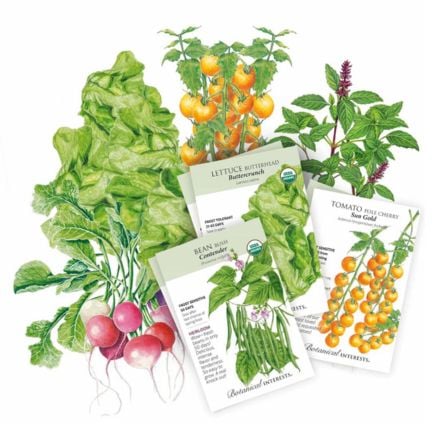
Just Tell Me What to Plant Starter Pack
Small Space, Big Harvests Starter Mix
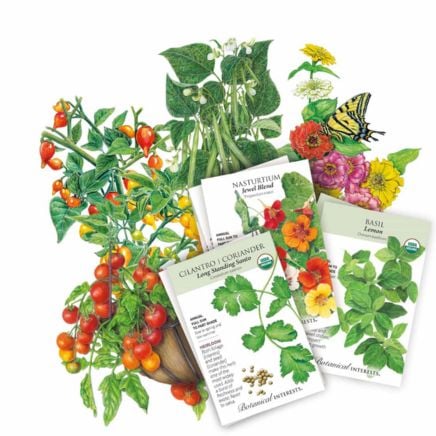
Small Space, Big Harvests Starter Mix
Heirloom Tomato Seed Bundles
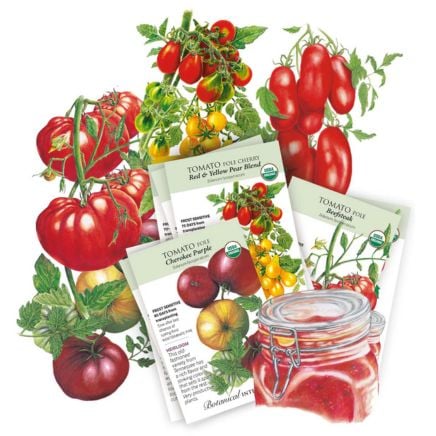
Heirloom Tomato Seed Bundles
Sow These Indoors
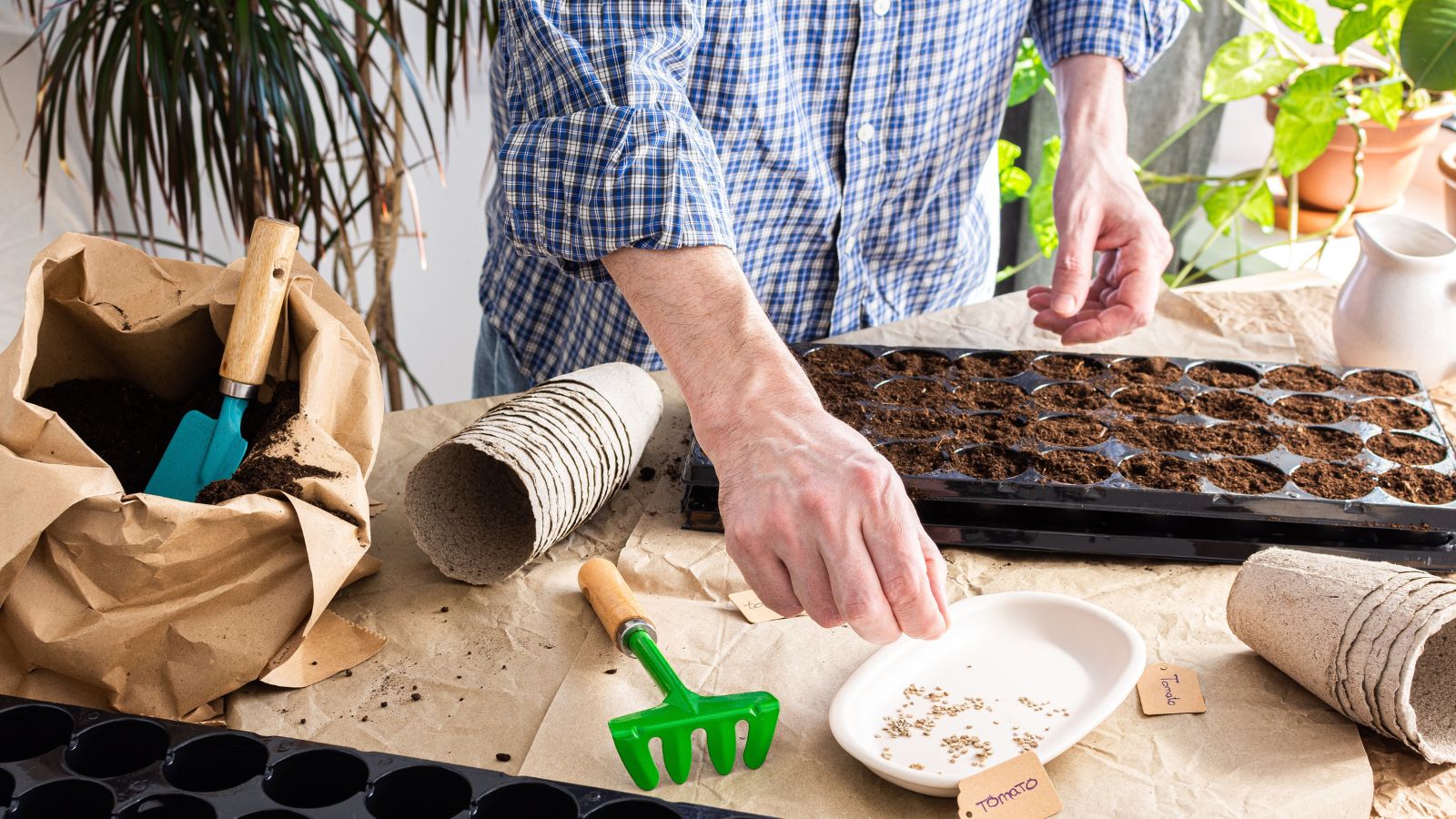 Give seeds a head start by sowing indoors in March
Gather your seed starting supplies and set them up, because it’s time to get these seeds planted! In warmer areas, mid-February is the latest you can sow peppers and tomatoes and have an early summer harvest ready. In these areas, transplant seedlings for the best results.
Tomatoes
 Tomatoes are ideal warm-season crops for March seed starting.
 It doesn’t take long to sprout a tomato seed, but tomato seedlings need some time to grow before they can be planted outdoors. Especially if you have a short spring season and hot summers, sowing tomato seeds indoors in a timely manner is important.
In the middle regions of North America, March is a great time to get started. If you missed the boat in more temperate USDA zones, plant seedlings now instead of seeds.
For both tomatoes and peppers, use a heat mat to speed germination. Both appreciate soil temperatures of 75 to 85°F (24 to 29°C). In indoor seed starting, if you have more than one seed sprout in the same cell, gently separate and up pot both seedlings to have multiple plants.
Peppers
 Use a heat mat to improve germination.
 Delicious bell peppers, hot peppers, and ornamental peppers all take a long time to grow from seed. Some take up to one month to sprout, even in ideal conditions. Because of this, growers all over benefit from including peppers in their March seed starting routine.
Place your starting cells on a heat mat, water regularly, and wait for seedlings to emerge. It brings me so much joy every year to have the privilege to grow a pepper plant from seed, and then to harvest in spring and fall.
If you live in an area like mine (zone 8b) that has a hot summer, now is a good time to up pot seedlings you’ve already started, and to plant seedlings out with a cover handy in case there is a snap freeze.
Cabbage
 If you live in a colder region, now is an ideal time to sow cabbage.
 For gardeners in cold areas, now is the time to start cabbage seeds. With the cold to cool weather that remains for a few more months, sow them and plant them out under a cold frame. The seedlings can handle the cold with some protection. In warmer spots, choose smaller varieties, like ‘Caraflex’, that take only a couple of months.
If you’re in the six to eight week range for sowing your seeds indoors, that’s perfect. You can always sow ahead of that time, and up pot your seedlings once before planting them outdoors. Wait to do that until two to four weeks before your last frost.
Marigolds
 These blooms love warmth and protection.
I always forget to sow my marigold seeds early, but this year I didn’t wait! That means I’ll have tons of lovely marigolds to plant with my tomatoes, and to give to friends as well. I’ll have them ready to go just in time for my last frost to pass. Give them four to six weeks to germinate and develop before planting them out.
If you want to grow them for pollinators, look for single-petaled varieties like ‘Favourite Blend’ French Marigolds. For stunning, dense blooms perfect for cut flower bouquets, go for ‘Crackerjack’ African Marigolds.
Directly Sow These
 Plants with long taproots should be directly sown outdoors when March seed starting.
 Now that we’ve covered what should be sown indoors, let’s discuss those seeds that need to be planted directly in the garden. Make note of these for your March seed starting routine for this season, and for ones to come.
Carrots
 Plant in loose, well-draining soil.
 Sowing carrots should never be done indoors. That’s because of the deep taproots that are sensitive to root disturbance. Prepare a rich, well-draining, fine soil for your carrot crop, and keep the soil consistently moist throughout the germination and growth process. You can soak carrot seeds to give them a head start, too.
There’s always a standard ‘Danvers’ carrot, or the wide-shouldered roots of ‘Shin Kuroda‘. But if you live in a place with heavy soil that’s hard to amend, you should still amend it. Then plant small round carrots, like ‘Tonda di Parigi‘. They’re also suitable for containers.
Lettuce
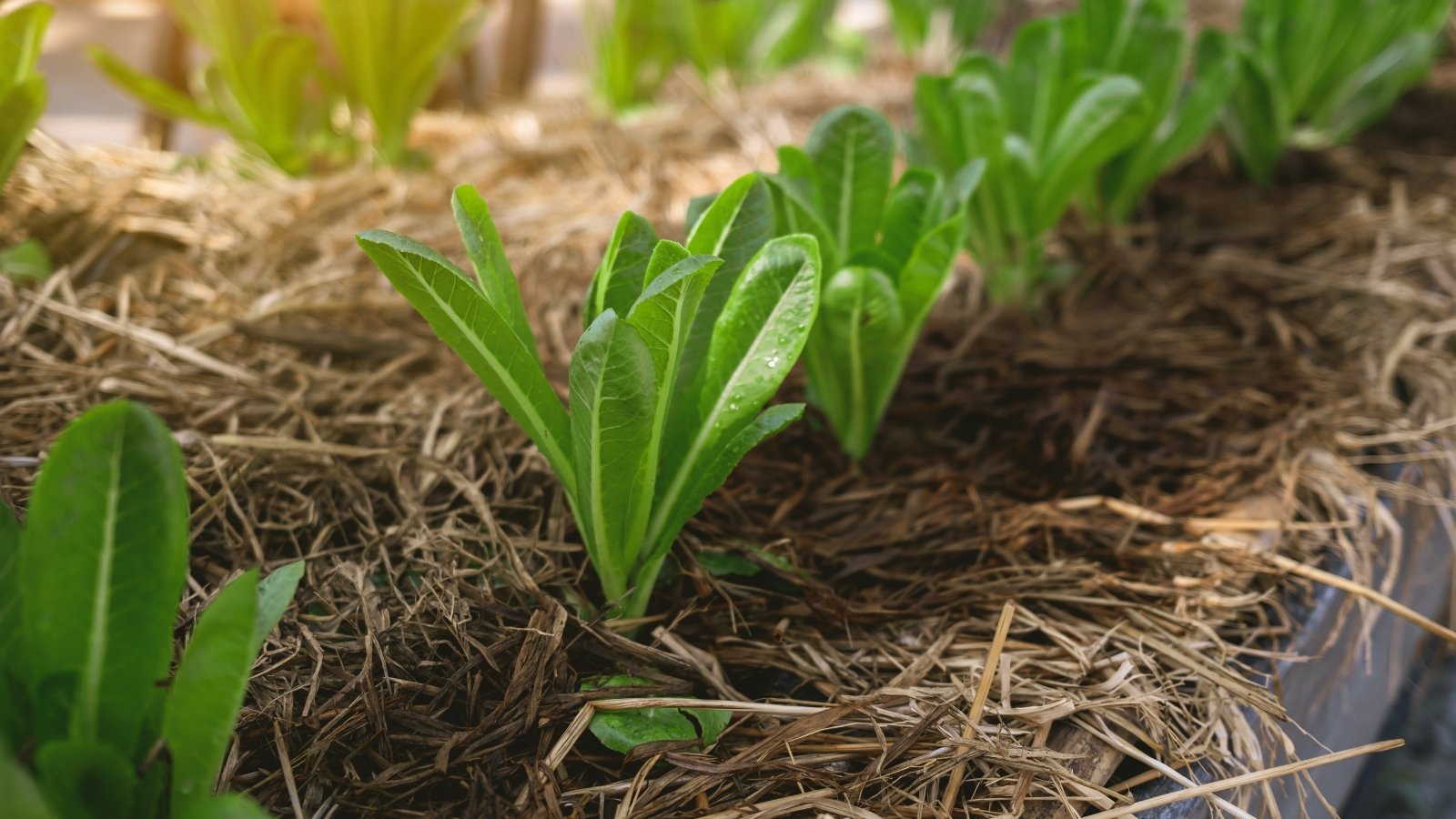 The small seeds germinate well in cooler temperatures.
 Lettuce is such an easy plant to grow, mostly because there’s a type for every climate. Leafy lettuces are great where seasons get hot quickly, as they mature within enough time to avoid the heat that prompts bolting. Heading lettuces work well as long as there is time for them to grow without intense heat.
Some varieties, like ‘Marvel of Four Seasons‘, have heat resistance and can handle a bit of warmth before the flowering process takes hold. In cooler areas, almost any lettuce works as long as it’s warm enough. All lettuces have shallow roots and make great ground cover companions for tomatoes, radishes, carrots, beets, and more.
Beets
 Thin the seedlings to give the roots room to develop.
 Speaking of beets, they’re some of the best candidates for direct sowing in your March seed starting routine. Like carrots and radishes, they develop roots sensitive to disturbance caused by transplanting. Beets also happen to be some of the most nutritious veggies you can grow.
If you don’t like the deep, earthy flavor of the ‘Ruby Queen’ beet, try a ‘Touchstone Gold’ beet instead. These offer a similar flavor profile that’s slightly milder. Wait to sow these until it’s two to four weeks before your last frost, or sow them under cover to protect them from freezes.
Radishes
 Sow radishes every two weeks rather than all at once.
 Finally, we come to another one of the easiest plants to grow: radishes. There are large varieties, like the ‘Crimson Giant‘. There are smaller ones, like ‘French Breakfast‘. I live in an area that gets hot quickly in spring, and I can still manage to pop a few radishes into the mix. That means you can too!
Smaller varieties need about a month to grow, while larger ones may need up to two months. Use those days to maturity to determine which varieties are best suited to your garden and climate. With enough mulch and a shade canopy, you can continue to grow radishes through summer if you stay on top of them.














 English (US) ·
  French (CA) ·