

On the winter day I moved in, the flowering tree in the garden absolutely didn't look like one. In fact, it was nothing more than a tangle of bare, twisting branches against a pale sky. Its bare boughs looked quite striking, silhouetted against a grey sky, but I didn't really pay it much heed.
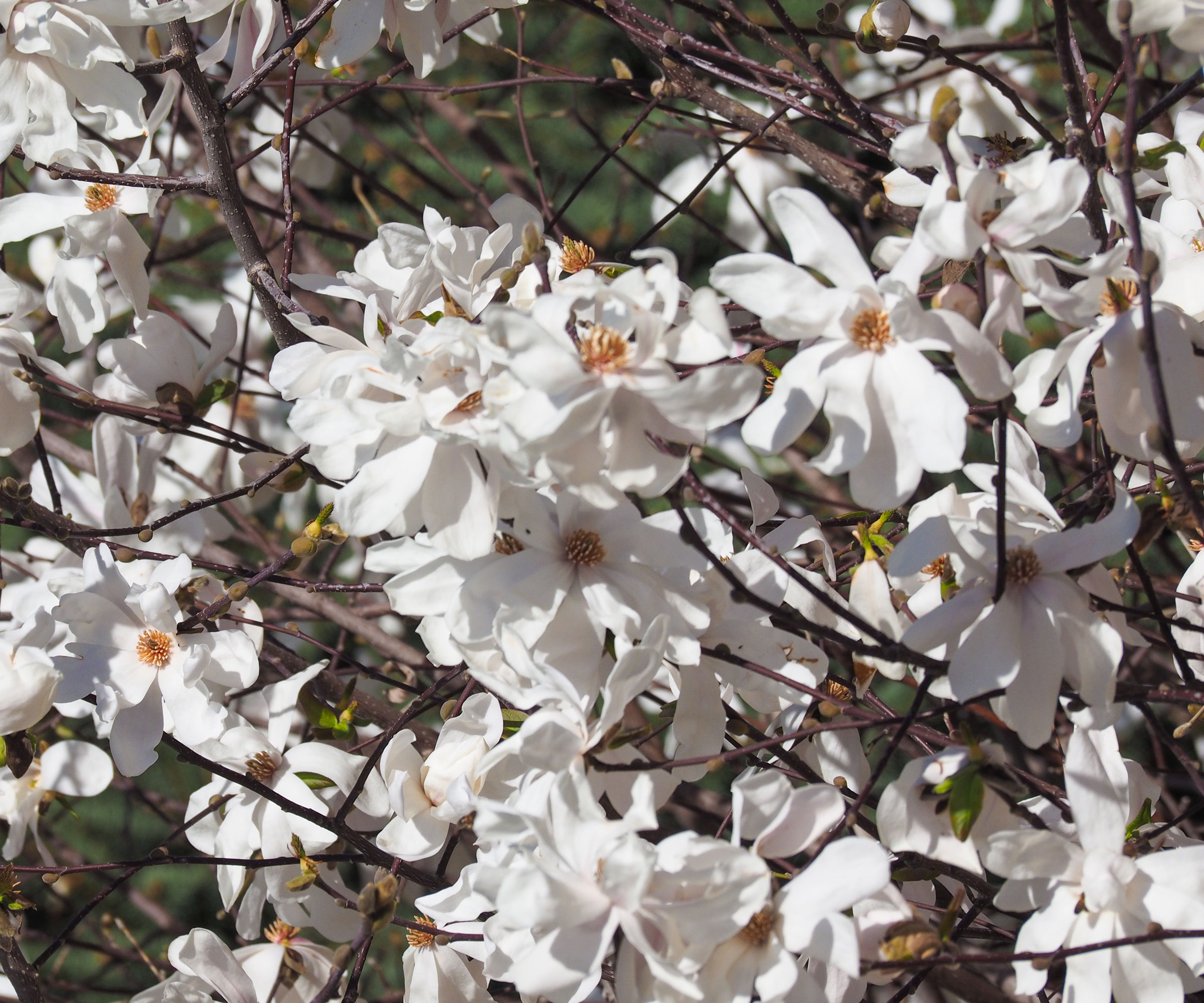
Then spring arrived. One week there were tight, almost fist-like buds along the branches, and the next the whole tree had erupted into huge pinky-white blooms that looked almost too perfect to be real. Honestly, it looked liked something out of a fairytale.
Now, I can’t imagine the space without my magnolia, as it puts on one of the most spectacular spring shows you can get from a single plant.
Article continues below
The Best Flowering Tree Ever? Yes!
Every spring, my magnolia explodes with large, tulip-shaped, soft pink and creamy white, all of which open directly on the branches before the leaves even think about appearing.
Come summer, the glossy green leaves take over, forming a dense canopy that birds absolutely love. There’s constant movement in it once it’s in leaf, with all of my favorite feathered friends just hopping through like they own the place. And my scrappy daughters love it just as much (the lower branches, in particular, have a kind of irresistible “climb me” energy to them).
Like most magnolia trees (which are hardy in USDA Zones 7 through 9), it’s not a one-season wonder either. Later in the year, there’s often a second, smaller flush of blooms when the weather cools again, which is less dramatic than spring, but somehow even more special because you’re not expecting it.
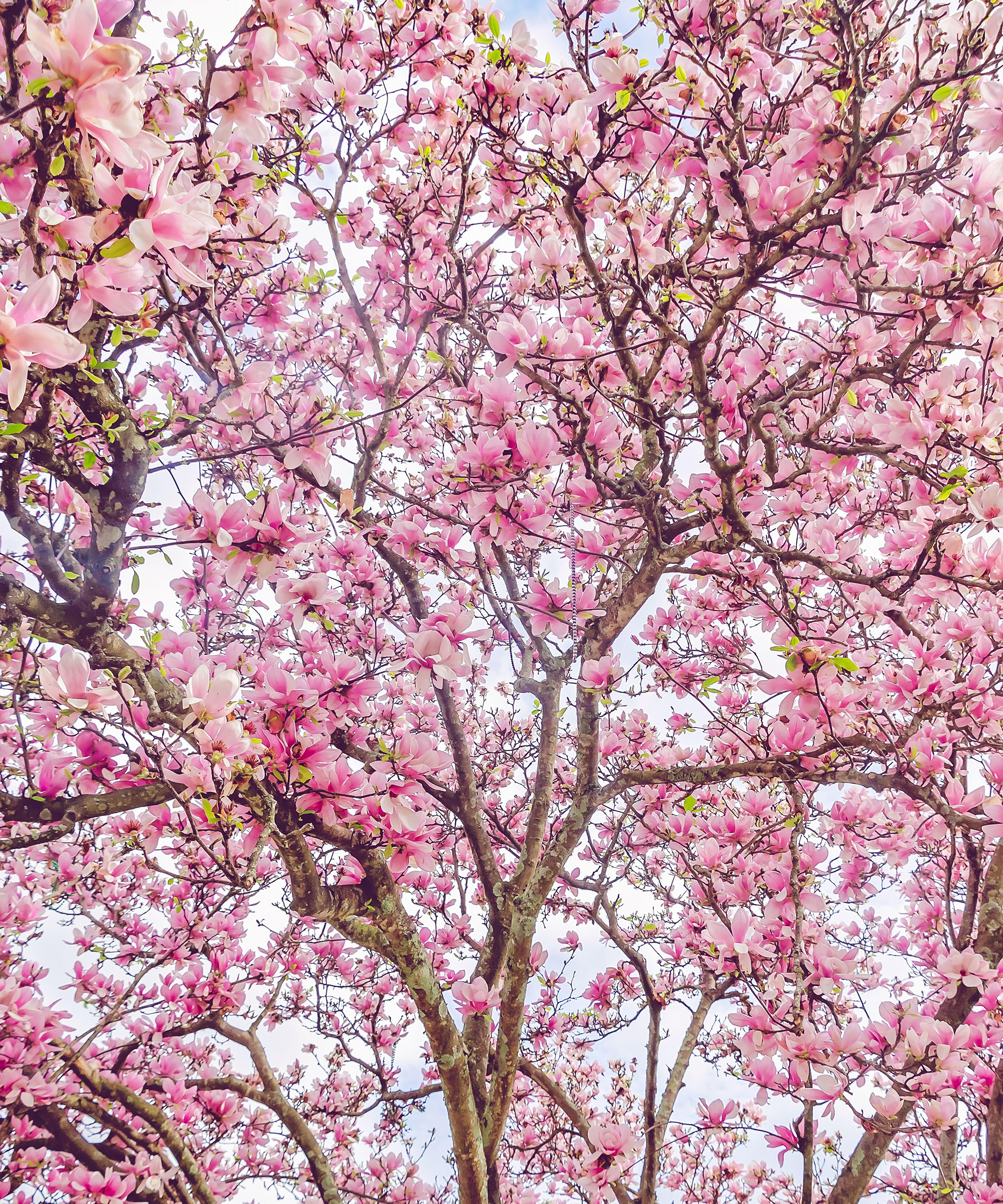
(Image credit: Alamy)
Come fall, the leaves turn buttery golds and warm bronzes before falling away entirely, leaving that beautiful sculptural silhouette for winter. Bare again? Yes. Boring? Never!
Truthfully, I figured it was just me who noticed this flowering tree doing its thing at first, but then both neighbors (on either side!) made their feelings very clear: under no circumstances am I to remove it. Not that I ever planned to.
In fact, they’ve both gone one step further. Each has now planted their own young magnolia trees, little saplings that bloomed beautifully in the springtime. And I love this quiet ripple effect of a tree spreading through the street one garden at a time.
It’s become a shared seasonal event without anyone actually agreeing to it, I suppose.
Buy Your Own Magnolia:
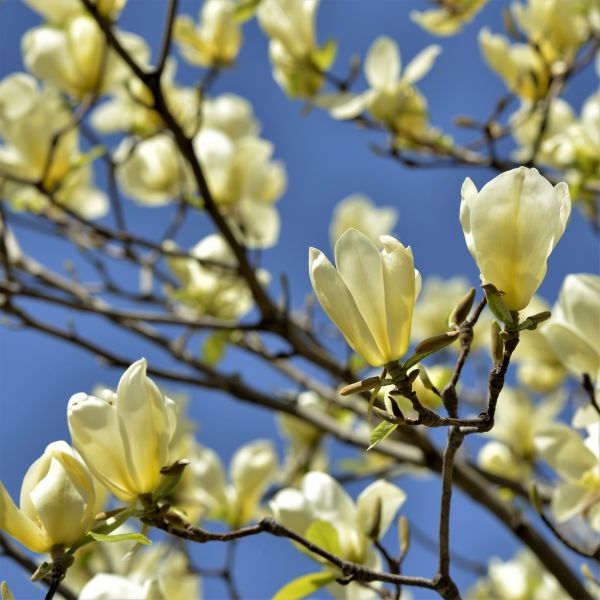
Nature Hills Nursery
Butterflies Magnolia Tree
Thriving in Zones 4-9, this pretty magnolia boasts rare canary-colored double blooms.
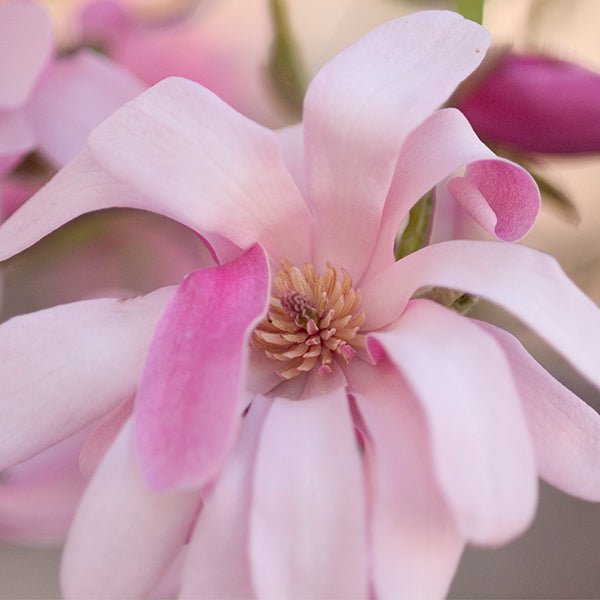
Nature Hills Nursery
Leonard Messel Magnolia Tree
The Leonard Messel Magnolia boasts two-toned flowers in purple and pink.
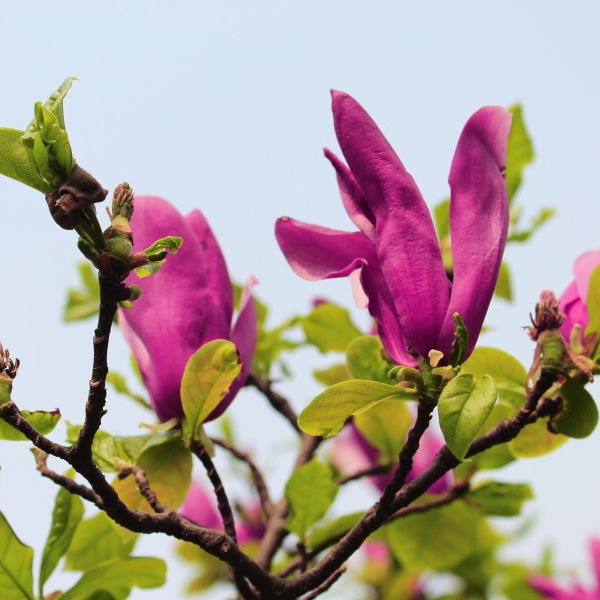
Nature Hills Nursery
Susan Magnolia
This bold magnolia blooms later in the season, which means it avoids frosts perfectly.
If you'll allow me the chance to expose my inner nerd, one of the things I love most about magnolias is how ancient they feel. They’re often described as living fossils, as these flowering trees evolved long before bees existed in their current form (and, yes, dinosaurs would have chomped on them once upon a time, too).
Even more exciting? The flowers themselves are edible, although, admittedly, I rarely do anything with them. I’ve tried frying them lightly (a little like you might with squash flowers) and they were tasty, but it usually feels more natural to just leave them be, scattered on the ground like confetti.
My favorite thing about my magnolia, though, is the fact that it's so much more than just a flowering tree; it's a marker of time. Spring begins with its bloom, summer settles beneath its shade, fall warms it up again in color, and winter strips it back to something stark and beautiful and architectural, waiting for the whole cycle to begin again. When I fell pregnant with each of my girls, I marked the months by the tree outside. I associate it so much with them both as a result.
(Image credit: Claudio Divizia / Shutterstock)
Underneath it, I’ve planted spring bulbs like daffodils and crocuses to create a layered effect of color: blossoms above, flowers below, everything working in earnest to pull me out of any winter slump I might be in.
It also just… makes people happy. Neighbors stop to look at it. People message each other when it’s at peak bloom. Someone always takes a photo. And every year, without fail, there’s that moment when the petals fall and it feels like the end of something, even though you know it’s only temporary.
Not bad for a tree that was already here when I moved in, looking like nothing much at all, right?













 English (US) ·
  French (CA) ·