

 5 hours ago
5
5 hours ago
5
PROTECT YOUR DNA WITH QUANTUM TECHNOLOGY
Orgo-Life the new way to the future Advertising by AdpathwayBone is one of the most common and most devastating destinations for cancer cells on the move. When tumors of the breast, prostate, lung and other organs spread, they frequently seed the skeleton, where they cause pain, fractures and profound clinical challenges. Yet a long-standing puzzle has shadowed metastasis research for decades: do cancers that arise in completely different organs use completely different tricks to survive in bone, or do they converge on a shared playbook? A new study published in iMetaMed offers the most comprehensive answer yet, and the answer points strongly toward convergence, with a single stromal signaling pathway emerging as a central suspect in both tumor invasion and immune paralysis.
The research team, led by investigators affiliated with the International Society for Health Data Science, assembled what is by far the largest single-cell map of bone metastases constructed to date. They integrated newly generated and publicly available single-cell RNA sequencing datasets into a unified atlas covering 895,475 individual cells drawn from 95 bone metastases, 129 primary tumors and 22 healthy bone marrow samples. The samples spanned ten distinct cancer types, giving the analysis genuine pan-cancer reach rather than the narrow, single-tumor focus that has limited most previous studies of the skeletal metastatic niche.
Technically, the approach relied on computational integration methods that align gene-expression profiles from thousands of cells across different patients, tissue sources and sequencing platforms, allowing malignant cells, immune cells, stromal cells and vascular cells to be compared on a common scale. This is what made the central finding possible: across multiple cancer types, malignant cells within bone metastases were consistently enriched for transcriptional programs associated with chromosomal instability and MYC-driven proliferation. MYC is a master transcription factor that drives cell growth and division, and its recurrent activation in bone-seeding cells suggests that metastatic cells arriving in the skeleton share a common proliferative engine regardless of their organ of origin.
The convergence did not stop at proliferation. The same bone-enriched malignant states also displayed enhanced angiogenic programs, the gene-expression signatures that support the formation of new blood vessels, alongside a marked reduction in immune-inflammatory activity. In other words, tumor cells thriving in bone appeared to simultaneously promote the vascular supply they need to grow while dialing down the inflammatory signals that would normally summon immune attack. Crucially, these features were not simply inherited from the primary tumor; they were associated with growth in the bone environment itself, pointing to shared transcriptional features that different cancers acquire or select for as they adapt to the skeletal niche.
Perhaps the most striking dimension of the atlas concerns the immune compartment. Bone metastases showed a consistent depletion of several cytotoxic lymphocyte populations, the CD8-positive killer cells and related lineages that normally recognize and destroy tumor cells, together with an enrichment of exhausted T-cell states, in which T cells become functionally impaired after chronic stimulation. The myeloid compartment told a complementary story: cells of the monocyte, macrophage and dendritic lineages exhibited reduced programs for antigen presentation and phagocytosis, the two processes by which the immune system flags abnormal cells for destruction and physically engulfs them. Antigen presentation and phagocytosis are complementary arms of immune recognition and clearance, and the simultaneous weakening of both suggests an immune environment compromised across multiple cellular compartments at once. The severity of these defects varied among cancer types, but the overall pattern recurred across the atlas.
The stromal and vascular landscape added a third layer of organization. Compared with primary tumors, bone metastases were enriched for fibroblasts expressing CXCL12, a chemokine long known as a homing signal in bone marrow biology, and depleted of fibroblast populations associated with antigen presentation. Endothelial cells, the building blocks of blood vessels, showed expanded angiogenic programs. When the researchers ran computational cell-to-cell communication analyses across the atlas, one interaction stood out: CXCL12 produced by stromal fibroblasts signaling through its receptor CXCR4, which is displayed on immune cells and tumor cells alike. This pathway emerged as a prominent candidate for linking the remodeled stromal niche to the altered immune-cell behavior observed throughout the metastatic samples.
Computational atlases generate hypotheses, so the team turned to laboratory experiments to test them, and here the study makes a subtle but important conceptual contribution. Attracting immune cells to a tumor is not the same as enabling them to reach and attack it, and the CXCL12-CXCR4 axis appears to exploit precisely that distinction. In co-culture assays, human bone marrow stromal cells recruited CD8-positive T cells and promoted their adhesion through CXCL12-CXCR4 signaling. When the researchers silenced CXCL12 in the stromal cells or pharmacologically inhibited CXCR4, both T-cell migration toward the stromal cells and their adhesion to them dropped significantly. The data support a model in which the pathway retains recruited T cells within the stromal compartment, effectively trapping them away from malignant cells, a mechanism of immune exclusion that operates not by repelling killer cells but by holding them in a cellular waiting room.
The same stromal signal also shaped the behavior of the cancer cells themselves. In a breast cancer co-culture model, depleting CXCL12 or blocking CXCR4 reduced tumor-cell migration and invasion, two capabilities that are essential for metastatic cells as they infiltrate bone tissue and establish colonies. Taken together, the experiments connect a single stromal pathway to two defining features of bone metastasis: the recruitment and retention of immune cells in a way that keeps them from attacking the tumor, and the invasive behavior that allows tumor cells to spread through the skeletal environment. One signal, two pro-tumor effects, operating on opposite sides of the tumor-immune interface.
By placing convergent malignant-cell programs alongside coordinated immune dysfunction and stromal remodeling within a single framework, the study reframes bone metastases as multicellular ecosystems rather than simple colonies of transplanted tumor cells. That reframing carries therapeutic weight. If cancers of ten different origins rely on overlapping programs to colonize bone, then interventions targeting those shared programs, rather than the molecular quirks of any single tumor type, could benefit a broad patient population. The study specifically nominates CXCL12-CXCR4 signaling for further investigation, raising the question of whether disrupting this pathway could simultaneously improve immune access to tumors and limit invasive behavior, a dual benefit that few current therapies offer.
The authors and independent observers alike caution that the therapeutic potential remains to be established. The atlas is built from dissociated single-cell data, which loses the spatial relationships between cells, and the functional experiments were conducted in vitro rather than in living organisms. Establishing whether CXCL12-CXCR4 disruption can genuinely reinvigorate antitumor immunity in bone while restraining metastatic invasion will require spatial transcriptomic validation, in vivo models and eventually clinical investigation. Even so, the study delivers something metastasis research has lacked: a pan-cancer, multicellular reference map of the bone metastatic niche, and with it a concrete, testable target at the crossroads of tumor invasion and immune evasion. The authors declare no conflicts of interest, and the work was published as a peer-reviewed article in iMetaMed on 23 August 2026.
Subject of Research: Pan-cancer single-cell analysis of bone metastases and the tumor immune microenvironment
Article Title: Bone metastasis atlas reveals shared cancer programs and weakened immune defenses
Article References: Bone metastasis atlas reveals shared cancer programs and weakened immune defenses. (n.d.). Original publication
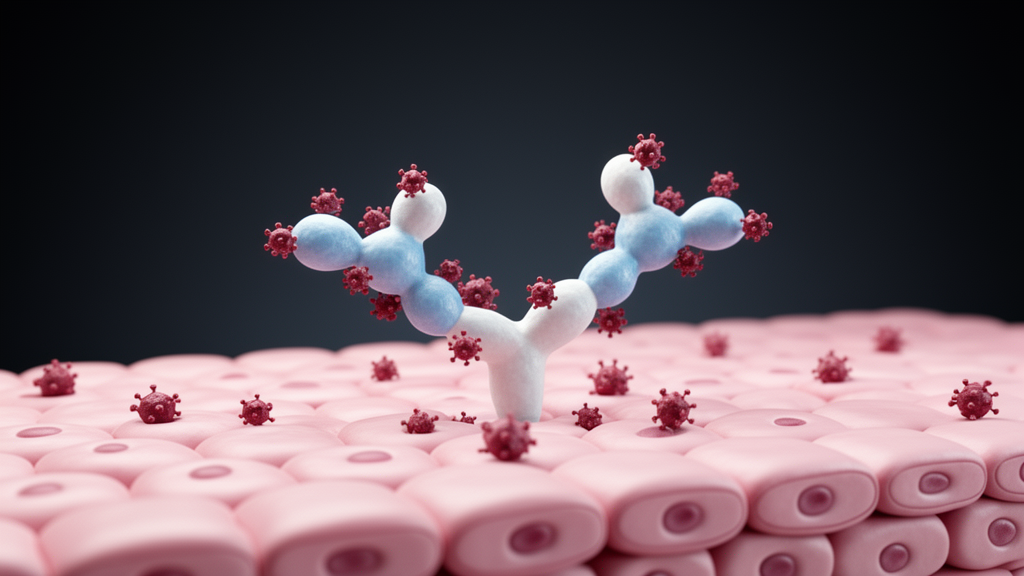
Image Credits: AI Generated
DOI: Not provided
Keywords: bone metastasis, single-cell RNA sequencing, tumor microenvironment, CXCL12-CXCR4 signaling, immune evasion, T-cell exhaustion, cancer atlas, MYC, angiogenesis, stromal fibroblasts, pan-cancer analysis, iMetaMed

















 English (US) ·
  French (CA) ·