

 8 months ago
323
8 months ago
323
PROTECT YOUR DNA WITH QUANTUM TECHNOLOGY
Orgo-Life the new way to the future Advertising by AdpathwayWhen it comes to planting vegetable seeds outside, February is an ideal time to do it! As long as soil temperatures are right, multiple plants benefit from early seeding, ahead of the spring season. Experienced gardener, Sarah Jay, covers seven of them here.

Written by Sarah Jay Last updated: February 11, 2026 | 3 min read
If you’re wondering when to sow vegetable seeds outside, February is the perfect time. As long as soil temperatures are right and frosts are passing, there are plenty of crops you can get started right now.
Cool-weather crops are great candidates for direct sowing outdoors. Those sensitive to root disturbances work too. Set these crops aside to sow directly in the garden this month, and you’ll have a thriving spring garden when the warmer weather arrives. In cold areas, provide a little protection in the form of frost cloth or row covers.
In areas where frost isn’t prevalent, this is an important moment. Sowing now means you have harvests almost ready when summer’s heat rolls in. For most of these, heat signals to plants that it’s time to reproduce and develop flowers for next year’s seeds. If you start them now, you won’t have to deal with this.
Cool Season Garden Seed Bundle
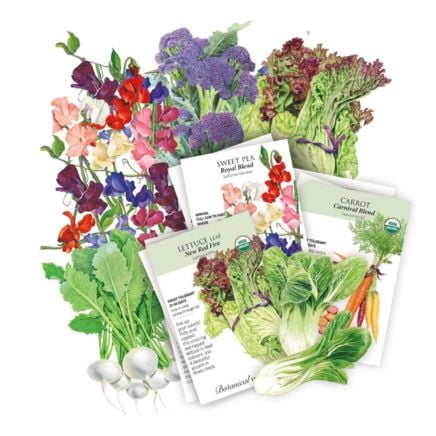
Cool Season Garden Seed Bundle

Just Tell Me What to Plant Starter Pack
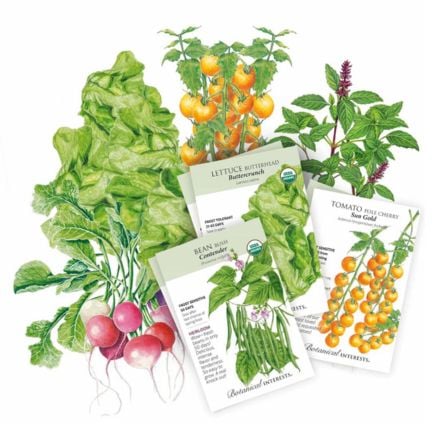
Just Tell Me What to Plant Starter Pack
Carrots
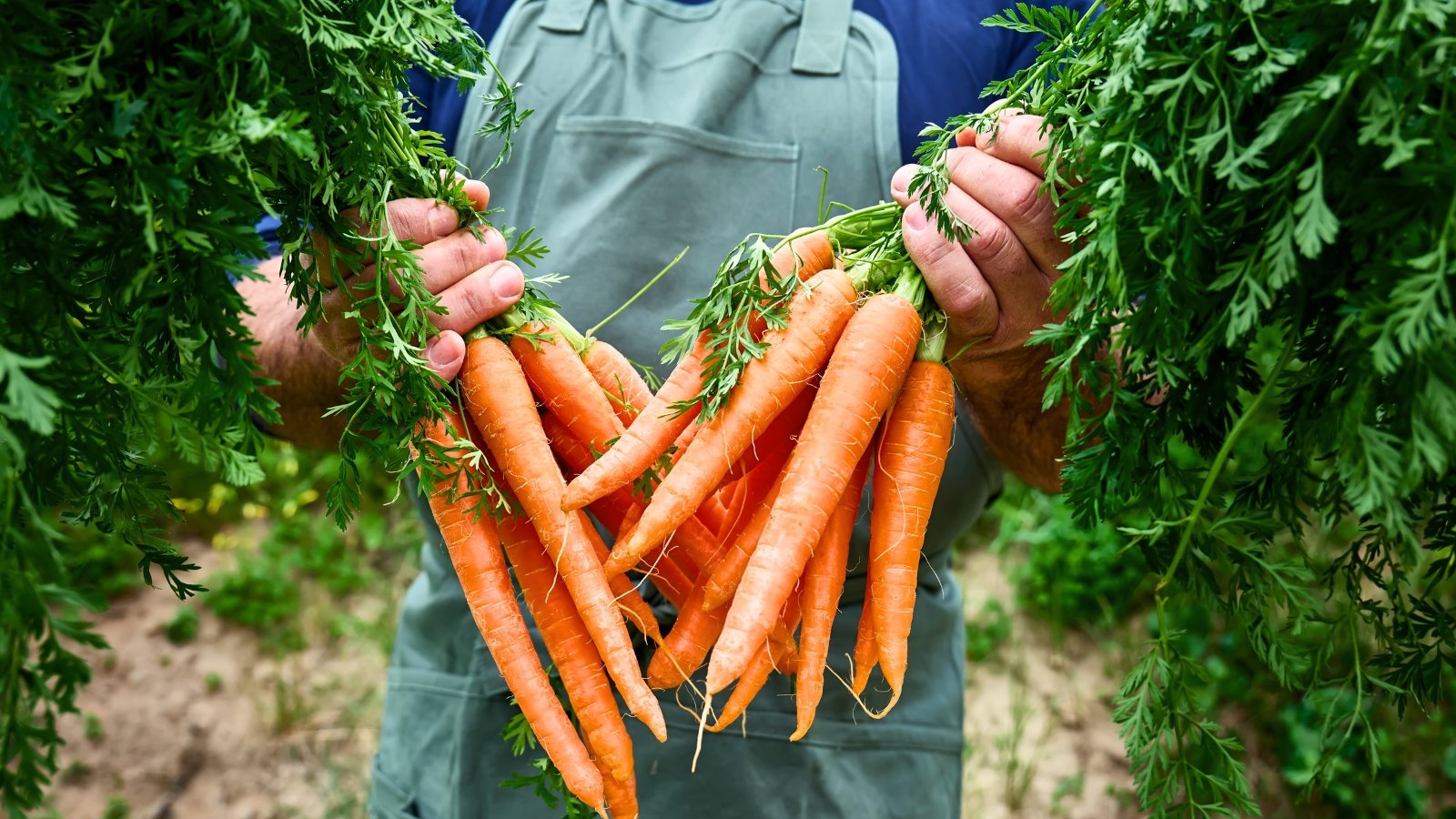 Carrots benefit from direct sowing when the time is right.
 Highly prone to transplant shock, carrots should be sown directly in the garden bed. Whether you grow yours in raised beds or in the ground, give them rich, well-draining soil and sow them densely. Then thin them to every three inches when they reach one inch tall.
‘Danvers 126’ is a standard carrot variety that is adaptable to most gardens. It resists cracks and splits, and has a sweet flavor. For gardeners in warmer areas, try ‘Mokum‘. It’s a Nantes-type hybrid that works well in areas where spring quickly gives way to hot summers.

Radish
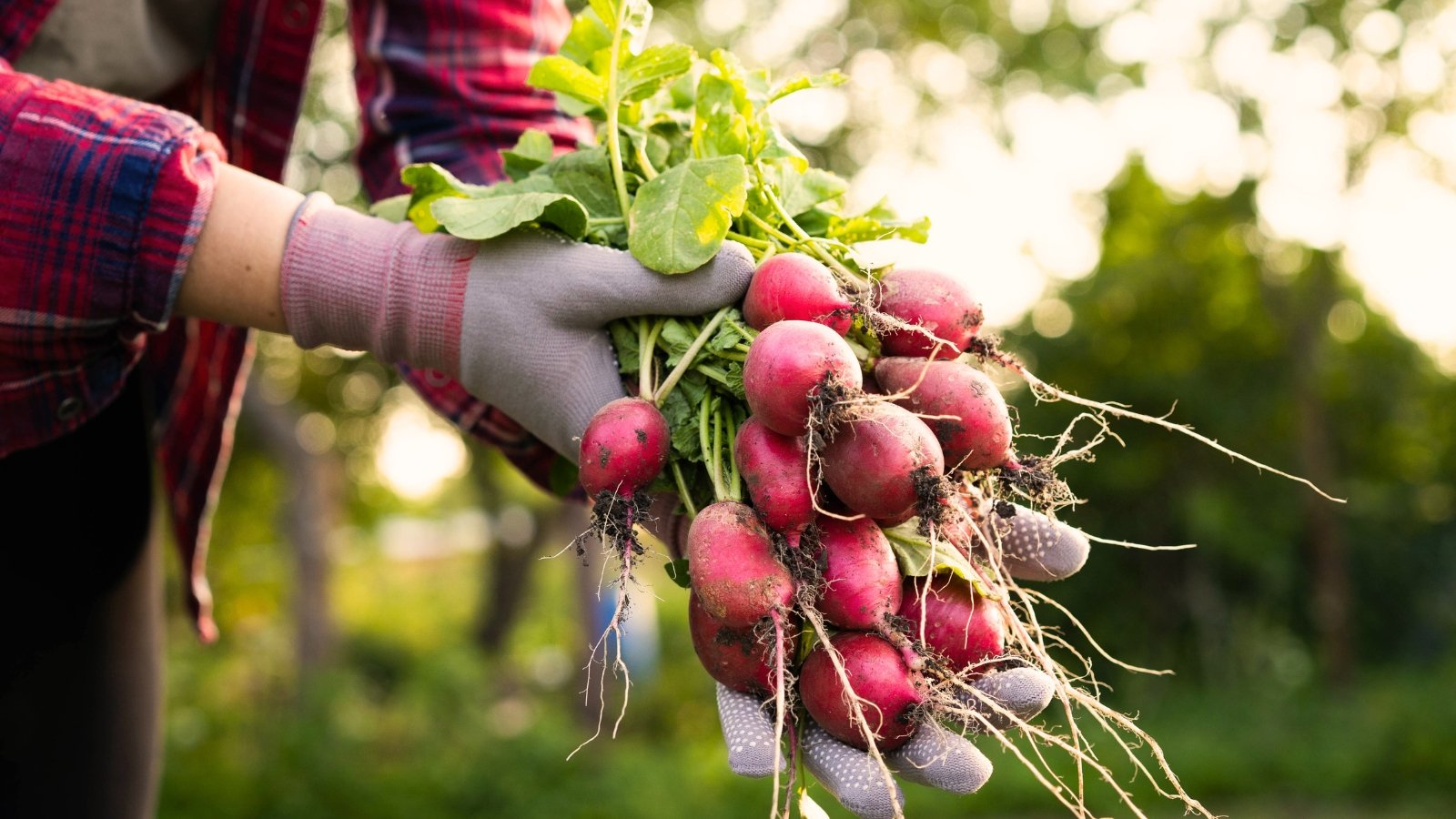 These quick-growing crops can be slotted in between other plants.
 Some of the easiest plants to grow, radishes are a must for people who love their crisp spiciness. When you sow vegetable seeds outside, February radishes make for delicious early spring snacks you can pluck right out of the ground. It’s something I look forward to every year.
If you enjoy small radishes that pair well with your favorite tacos or that slice nicely for salads, the ‘Easter Egg Blend’ offers just that. These small radish roots, at about a one-inch diameter, come in red, white, and purple, providing a myriad of flavors.
If you like larger radish slices or roots for pickling, ‘German Giants’ are an awesome addition to the garden. Expect harvests of tennis ball-sized radishes with these.
Fava Beans
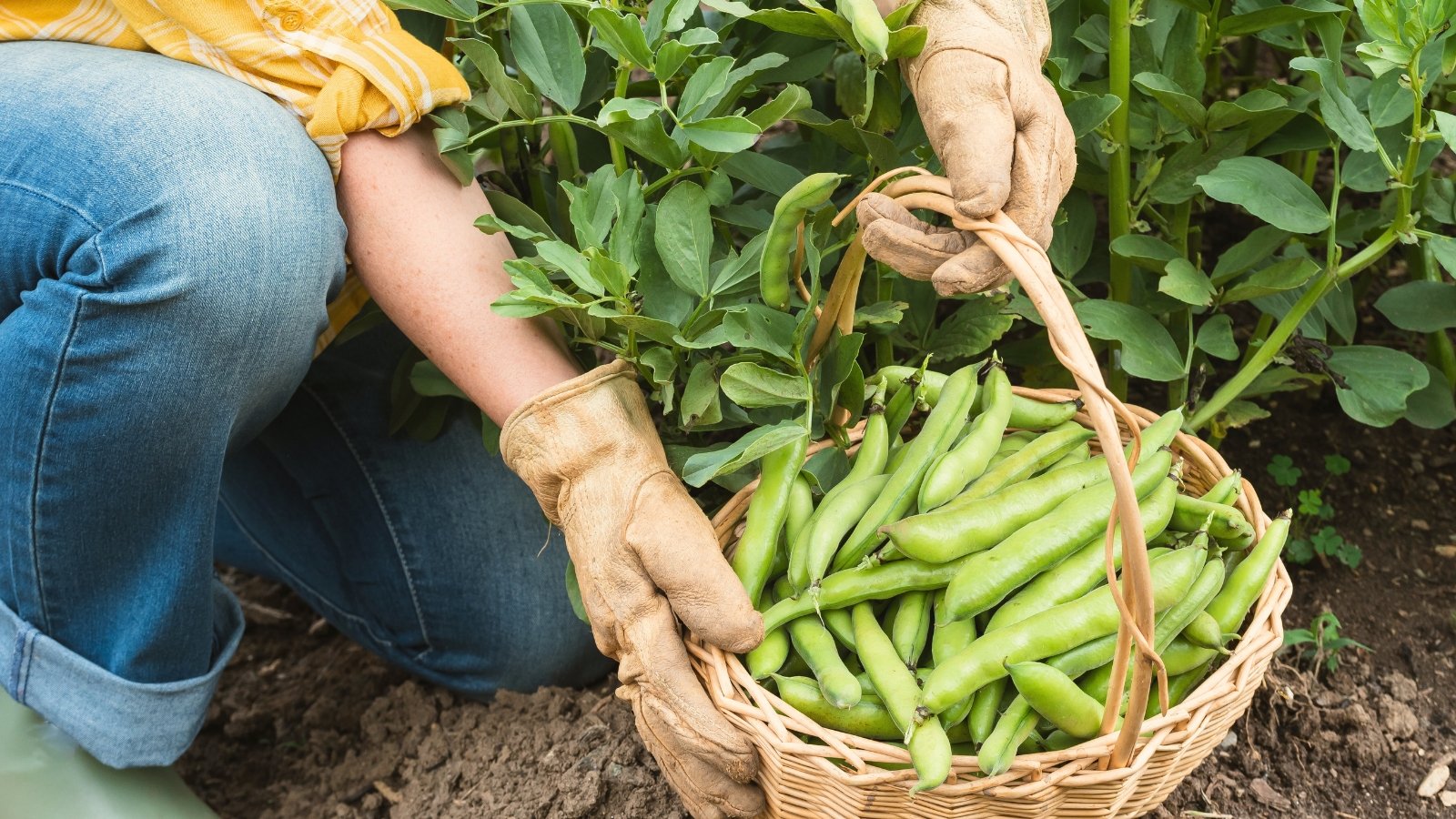 They germinate well in cooler conditions.
 Cold-tolerant and disease-resistant fava beans are some of the best crops to plant in your garden this month. Sow these six to eight weeks before your last frost for tons of fava beans within a couple of months. These need minimum soil temperatures of 35°F (2°C), which makes them great for winter plantings.
‘Windsor’ is an exceptionally cold-loving variety of fava beans. They do best in areas that don’t get above 75°F (24°C) in spring. The bicolored flowers are stunning in the garden, and young pods can be eaten fresh, just like snap beans.
One important note: some people are susceptible to a condition called favism, and these people should not handle the seeds or be near the plants of fava beans. Doing so could cause serious problems.
Beets
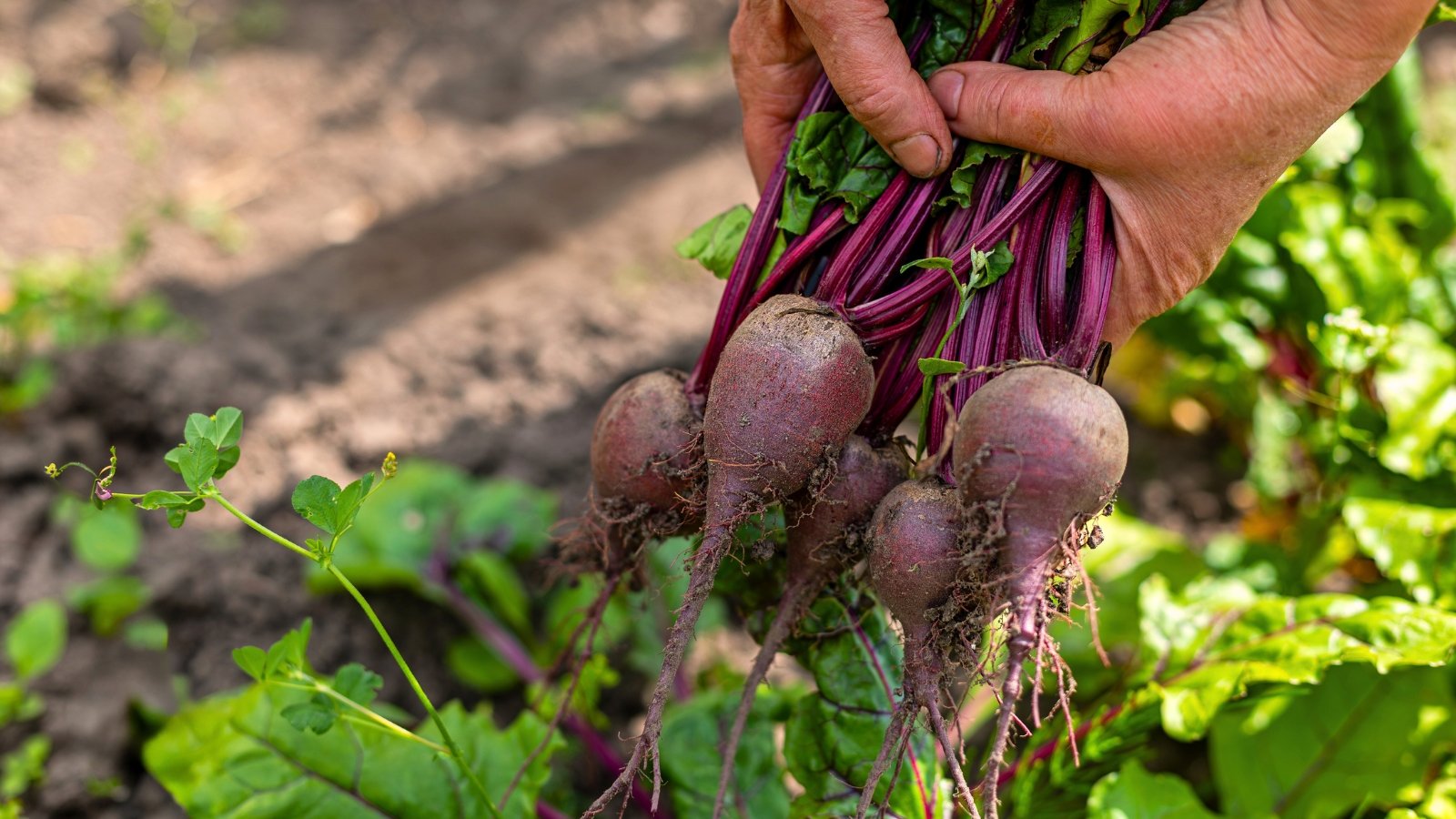 Sow beets in place to avoid transplant shock.
 Nutritious and delicious, beets are a humble yet rich addition to the late winter garden. When you decide which sow vegetable seeds outside, February sowings of beets are a good choice. Throw a few beet varieties in your garden bed. If you like to chaos garden, broadcast them with your carrot seeds.
While I love a standard beet, I always grow ‘Touchstone Gold’ beets alongside them. These have a milder flavor but still retain that earthiness beets are known for. To accompany my gold beets, I have been eyeing ‘Ruby Queen’, which is frost-tolerant and maintains its color during cooking and pickling.
Kale
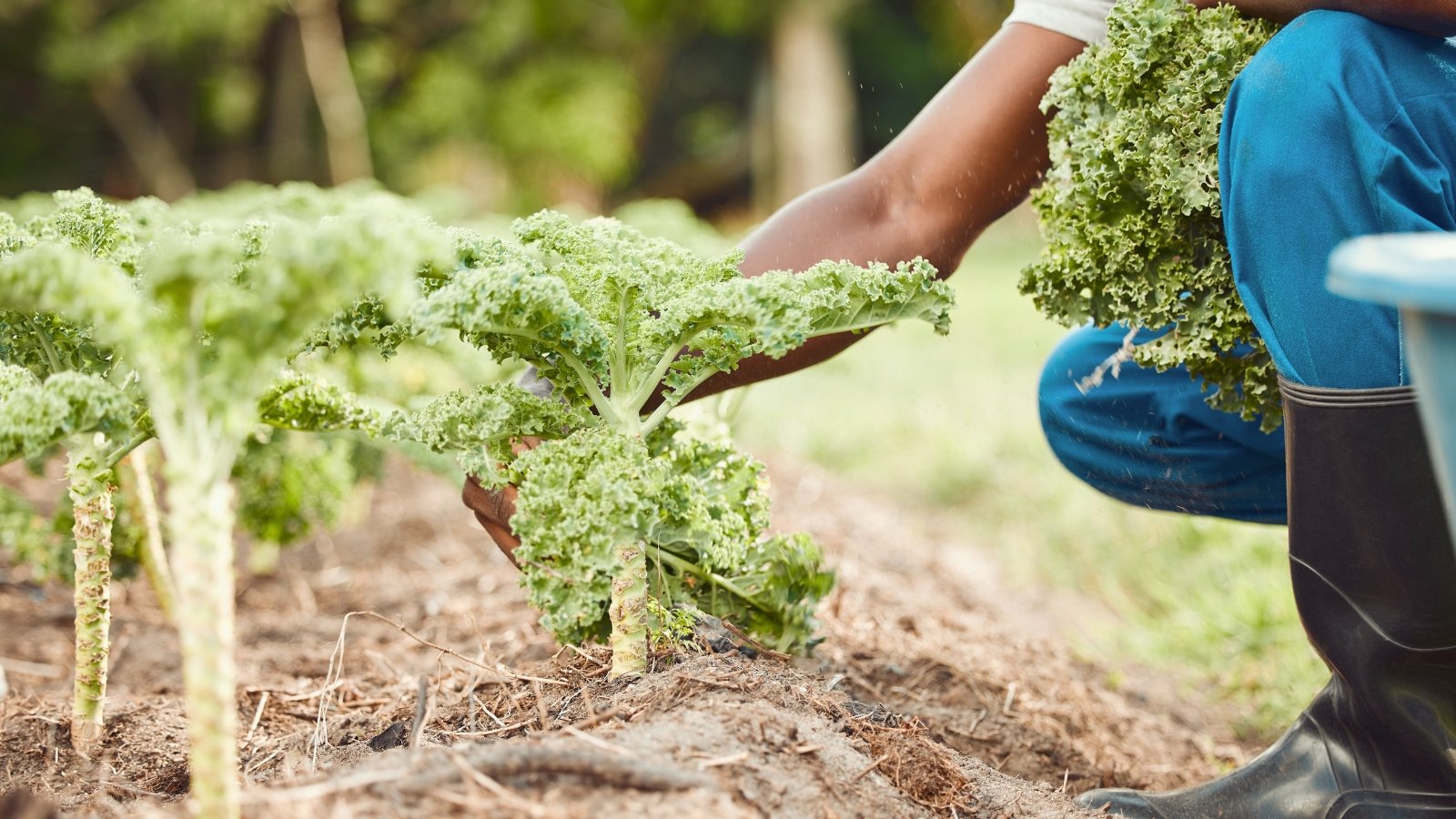 Many kale varieties tolerate temperature drops well.
 While you don’t have to direct sow kale, you certainly can! It’s a great companion to onions and other alliums in your garden. These are some of the easiest plants to grow. Choose curly kale or a dino kale to fit your needs and those of your garden.
This year, I’m sowing a ‘Premier Blend‘ to see which varieties work best in my garden. You can couple any kales together, but ensure there’s space between them, and a bit of companion planting to keep pests away from young leaves. ‘White Russian’ kale is a ‘Red Russian’ hybrid that handles cold like a champ.
Onions
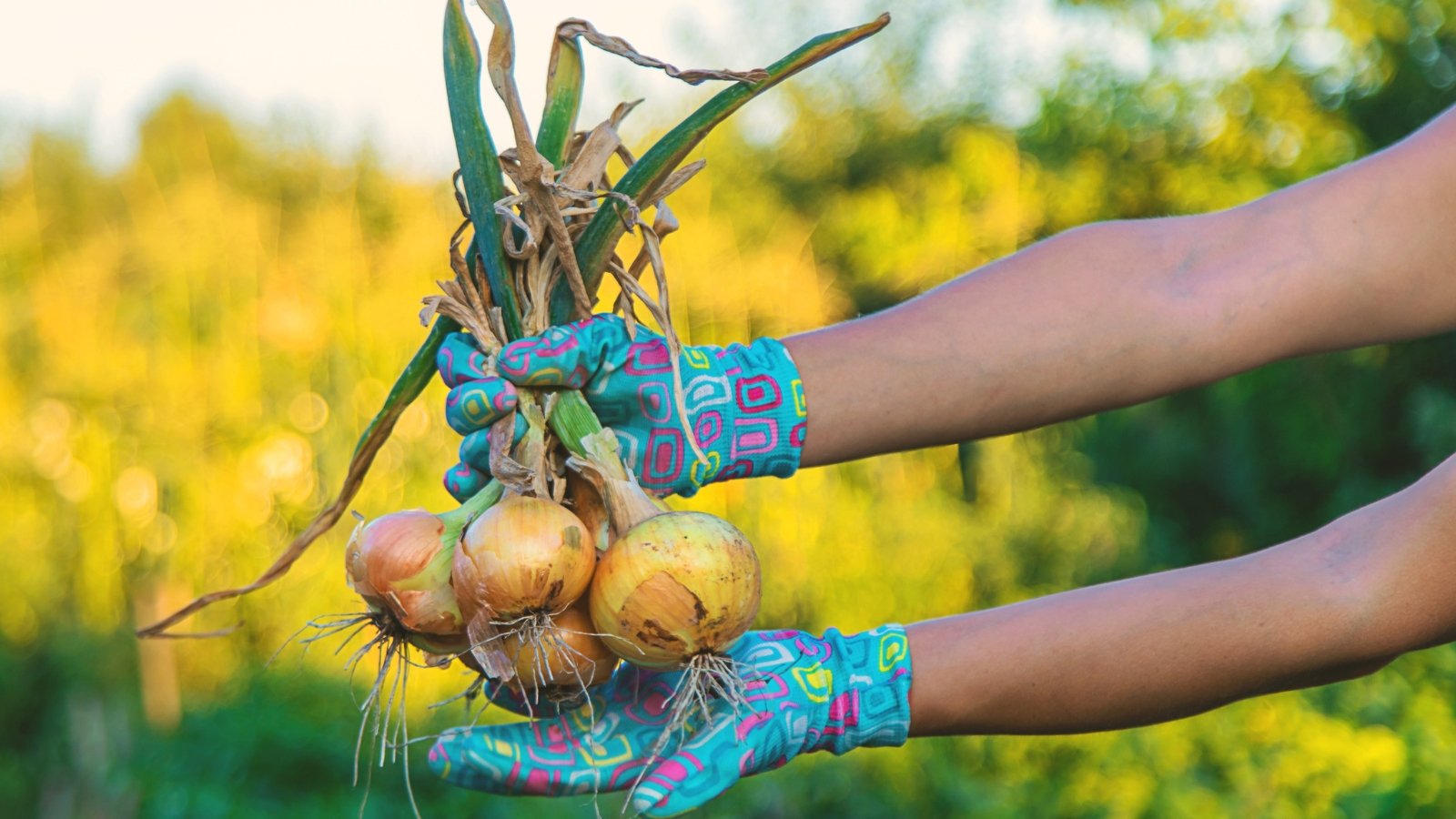 Onions need a long period to mature.
 Juicy and delicious onions make excellent pairings for many of the plants on this list. We mentioned kale, but beets and radishes are also perfect partners. The compounds in onions deter a lot of major pests, keeping supple leaves and roots healthy.
For full flavor and giant bulbs, ‘Red Amposta’ is a good choice. It’s an intermediate-day onion that grows best at latitudes of 32 to 42°, around zones 5 and 6. If you aren’t sure about your location, try a bunching onion, like ‘Warrior’, which produces delicious small bulbs or is a great cut-and-come-again crop.
Peas
 Provide a trellis at planting time to give the vines something to climb.
 Who doesn’t love peas? Keep a variety or two of garden peas available as you plan to sow vegetable seeds outside. February sowings need a little protection, but the spring payoff is so worth it. Grocery store peas, frozen peas, and canned ones can’t compete with the sweet and delicious flavor of a fresh garden pea.
‘Green Arrow’ makes a great winter planting, as sowing should occur six to eight weeks before your last frost. Soak your pea seeds for 12 to 24 hours beforehand to ensure the hard seed coat can break down easily in the germination process.














 English (US) ·
  French (CA) ·