

 5 hours ago
7
PROTECT YOUR DNA WITH QUANTUM TECHNOLOGY
Orgo-Life the new way to the future Advertising by AdpathwayA clinical investigation conducted at Qilu Hospital of Shandong University demonstrates that evaluating cardiac tissue scarring alongside systemic liver and kidney impairment significantly refines long-term risk assessment for individuals living with heart failure with reduced ejection fraction. Published in Frontiers in Cardiovascular Medicine, the study observed that the simultaneous presence of elevated late gadolinium enhancement on cardiac magnetic resonance imaging and an elevated model for end-stage liver disease excluding international normalized ratio score identifies individuals facing an escalated trajectory toward adverse cardiovascular events. Heart failure with reduced ejection fraction represents a primary, clinically severe subtype of heart failure defined by impaired myocardial contractile performance. While earlier scientific investigations have examined cardiac tissue remodeling and secondary abdominal organ congestion as distinct pathophysiological sequelae, the research team sought to evaluate whether integrating objective structural imaging of myocardial fibrosis with biochemical metrics of hepatic and renal hypoperfusion provides superior prognostic utility compared to conventional risk stratification models currently utilized across clinical cardiology environments.
The investigative team framed their inquiry around a structural and functional dual-hit hypothesis, describing a pathological cascade linking primary myocardial degeneration to distant organ damage. In heart failure with reduced ejection fraction, the heart’s diminished capacity to pump blood adequately causes forward arterial hypoperfusion alongside backward venous circulatory congestion. This altered hemodynamics directly impairs both renal and hepatic vascular beds, generating the complex systemic state clinically categorized as cardio-renal-hepatic syndrome. The resulting multi-organ dysfunction induces neurohumoral activation and triggers systemic inflammatory cytokines, which promote oxidative stress, coronary microcirculatory disruptions, and myocardial interstitial edema. These peripheral signals stimulate cardiac fibroblasts, accelerating myocardial collagen deposition and aggravating left ventricular remodeling. Because the model for end-stage liver disease excluding international normalized ratio, or MELD-XI, quantifies combined hepatic and renal impairment without confounding by anticoagulant therapy, the researchers posited that pairing MELD-XI scoring with late gadolinium enhancement, the recognized reference standard for detecting focal myocardial fibrosis, would capture this reciprocal organ damage mechanism.
To evaluate this predictive framework, investigators conducted a single-center retrospective study involving adult patients diagnosed with heart failure with reduced ejection fraction admitted to Qilu Hospital between September 2018 and January 2023. Protocol approval was granted by the hospital Ethics Committee with a waiver of written informed consent, allowing verbal consent to be acquired via telephone follow-up. Strict exclusion criteria removed patients diagnosed with severe primary valvular abnormalities requiring surgical repair, primary hepatic disorders, primary renal conditions, active malignant neoplasms, and chemotherapy-induced cardiomyopathies. From an initial identification of 270 individuals who met clinical criteria and maintained complete cardiac magnetic resonance datasets, 24 individuals could not be reached during subsequent follow-up contacts, leaving a final cohort of 246 patients eligible for comprehensive statistical evaluation. Follow-up comparisons between the final cohort and the broader identified population confirmed that baseline demographic balance was fully maintained, confirming that attrition due to loss to follow-up introduced no statistically significant distortion across the observational sample.
Clinical parameters, admission laboratory measurements, and imaging indices were systematically extracted from institutional electronic medical records. Body mass index was calculated as body weight in kilograms divided by height in meters squared, while total body surface area was established through the standard Du Bois formula. Renal filtration capacity was determined using the Chinese-modified Modification of Diet in Renal Disease equation to establish estimated glomerular filtration rates. Hepatic and renal stress was quantified using admission laboratory assays to calculate the MELD-XI score according to its defined mathematical formula: 5.11 multiplied by the natural logarithm of serum total bilirubin in milligrams per deciliter, plus 11.76 multiplied by the natural logarithm of serum creatinine in milligrams per deciliter, plus 9.44. In accordance with established calculation conventions, variable measurements yielding values equal to or less than 1.0 milligram per deciliter were assigned a baseline value of 1.0 milligram per deciliter to maintain mathematical stability across low physiological concentrations.
Cardiac magnetic resonance examinations were executed utilizing clinical 1.5-Tesla Siemens Magnetom Aera and 3.0-Tesla GE Signa HDxt scanners. Standard left ventricular long-axis and short-axis cine sequences were captured using steady-state free-precession gradient echo acquisitions. Myocardial delayed enhancement images were subsequently gathered eight to ten minutes following the intravenous administration of gadopentetate dimeglumine contrast dosed at 0.2 millimoles per kilogram followed by a twenty-milliliter saline flush. To neutralize potential imaging discrepancies between magnetic field strengths, image acquisition utilized a phase-sensitive inversion recovery sequence covering the anatomical heart from apex to base. Quantitative image analysis was performed by an experienced radiologist with over a decade of specialty expertise using Circle CVI 42 software while completely blinded to clinical histories. Hyperenhanced myocardium was defined quantitatively as ventricular tissue demonstrating signal intensity exceeding normal myocardium by at least five standard deviations. Quantitative intra-observer measurement reproducibility across twenty-five randomly re-analyzed patients showed high stability, recording a mean difference of minus 0.14 percent and an intraclass correlation coefficient of 0.98.
The study cohort comprised 246 individuals with a mean age of 45.51 years, of whom 186 were male, representing 75.6 percent of the sample. Within the total study cohort, 185 individuals presented with dilated cardiomyopathy, representing 75.2 percent of participants, while 27 presented with ischemic cardiomyopathy and 34 exhibited other underlying heart failure etiologies. Over an overall median follow-up monitoring duration of 22 months, 55 patients reached the primary composite clinical endpoint, which combined all-cause mortality and heart failure rehospitalization. Among these 55 individuals, 42 experienced heart failure rehospitalization alone, 6 experienced all-cause mortality as their primary event, and 7 experienced both rehospitalization and death. Compared to event-free individuals, patients reaching the composite endpoint exhibited older average age, higher prevalence of hyperlipidemia, more advanced functional impairment graded as New York Heart Association functional class III or IV, substantially elevated N-terminal pro-B-type natriuretic peptide levels, and markedly elevated median baseline MELD-XI scores alongside lower left ventricular ejection fractions.
Correlation analyses revealed significant relationships connecting the MELD-XI score with multiple adverse cardiovascular metrics. MELD-XI scores correlated positively with male sex, hypertension, hyperlipidemia, alcohol consumption, advanced functional class III or IV status, natural logarithm-transformed N-terminal pro-B-type natriuretic peptide levels, and quantified late gadolinium enhancement percentage. Conversely, MELD-XI scores showed an inverse correlation with left ventricular ejection fraction, demonstrating that multi-organ functional decline parallels worsening systolic cardiac depression. Kaplan-Meier survival analysis revealed marked divergences in event-free survival curves when stratified across median cohort thresholds of late gadolinium enhancement and MELD-XI values. Patients assigned to cohorts exhibiting higher late gadolinium enhancement and higher MELD-XI scores suffered significantly elevated incidences of the composite primary endpoint. When examining secondary endpoints independently, patients presenting with elevated late gadolinium enhancement exhibited elevated risks for both rehospitalization and mortality, whereas elevated MELD-XI scores correlated with rehospitalization without reaching isolated statistical significance for all-cause mortality.
Multivariate Cox proportional hazards regression analysis adjusting for age, sex, hypertension, diabetes mellitus, functional class, natriuretic peptide levels, and ejection fraction confirmed that both metrics maintained robust independent prognostic capacity for the primary composite endpoint. For each one-unit increase in late gadolinium enhancement and MELD-XI score, the adjusted hazard ratios reached 1.07 and 1.29, respectively. Evaluated on a per-standard-deviation basis, with standard deviations defined as 2.57 for late gadolinium enhancement and 1.34 for MELD-XI, the adjusted hazard ratios reached 1.52 and 1.60. Categorical comparison against lower reference groups demonstrated hazard ratios of 2.62 for elevated late gadolinium enhancement and 2.95 for elevated MELD-XI. In competing risk regression utilizing the Fine-Gray model with all-cause mortality treated as a competing event, each standard deviation increase in late gadolinium enhancement and MELD-XI yielded subdistribution hazard ratios of 1.32 and 1.70 for heart failure rehospitalization, confirming that heightened baseline scores independently anticipate recurrent hospital admissions.
To rigorously verify the incremental clinical utility gained by incorporating the MELD-XI score into standard risk algorithms, the investigators constructed hierarchical statistical models. Model 1 incorporated established clinical covariates including age, sex, hypertension, diabetes, functional class, natriuretic peptides, and ejection fraction, yielding a Harrell’s C-statistic of 0.700. Adding late gadolinium enhancement in Model 2 raised the C-statistic to 0.745. Introducing the MELD-XI score in Model 3 further elevated the discriminative index to 0.798, generating a statistically significant incremental improvement of 0.052. Furthermore, continuous net reclassification improvement reached 0.399 and integrated discrimination improvement reached 0.094, while overall Brier score calibration improved from 0.1641 to 0.1597. In a pre-planned sensitivity analysis restricted exclusively to the 185 patients diagnosed with dilated cardiomyopathy, the predictive architecture demonstrated consistent performance; the model C-statistic expanded from 0.728 to 0.801 upon MELD-XI incorporation, corroborating that the dual prognostic framework maintains robust discriminative strength across etiologically uniform patient subgroups.
Despite these clear prognostic associations, the investigators emphasized several methodological limitations inherent to the study design. Because the research protocol required adequate physiological stability to complete magnetic resonance imaging, the enrolled cohort reflects individuals eligible for specialized scanning rather than the entire spectrum of acute heart failure presentations, introducing potential referral and selection biases. Furthermore, because MELD-XI values were derived exclusively from admission laboratory assays, post-discharge physiological fluctuations in liver and kidney biomarkers could not be tracked dynamically over time. The modest overall mortality count also limited statistical power regarding isolated all-cause mortality models, and while the synergy index indicated potential interaction between myocardial scarring and organ dysfunction, relative excess risk metrics did not attain statistical significance. The researchers concluded that while combined late gadolinium enhancement and MELD-XI scoring provides valuable, multi-organ prognostic insight, prospective multicenter studies with expanded patient cohorts and extended observation horizons are required to validate these findings before routine clinical deployment.
Subject of Research: Prognostic evaluation of combined late gadolinium enhancement and MELD-XI scoring in heart failure with reduced ejection fraction
Article Title: Prognostic value of model for end-stage liver disease excluding international normalized ratio score combined with late gadolinium enhancement in heart failure with reduced ejection fraction
Article References: Leng, L., Zhang, S., Wei, T., Guo, D., Wang, Q., Bai, Y., Chen, S., Zhao, C., Lu, H., Zhang, C., & Yang, J. (2026). Prognostic value of model for end-stage liver disease excluding international normalized ratio score combined with late gadolinium enhancement in heart failure with reduced ejection fraction. Frontiers in Cardiovascular Medicine, 13, Article 1891852. https://doi.org/10.3389/fcvm.2026.1891852
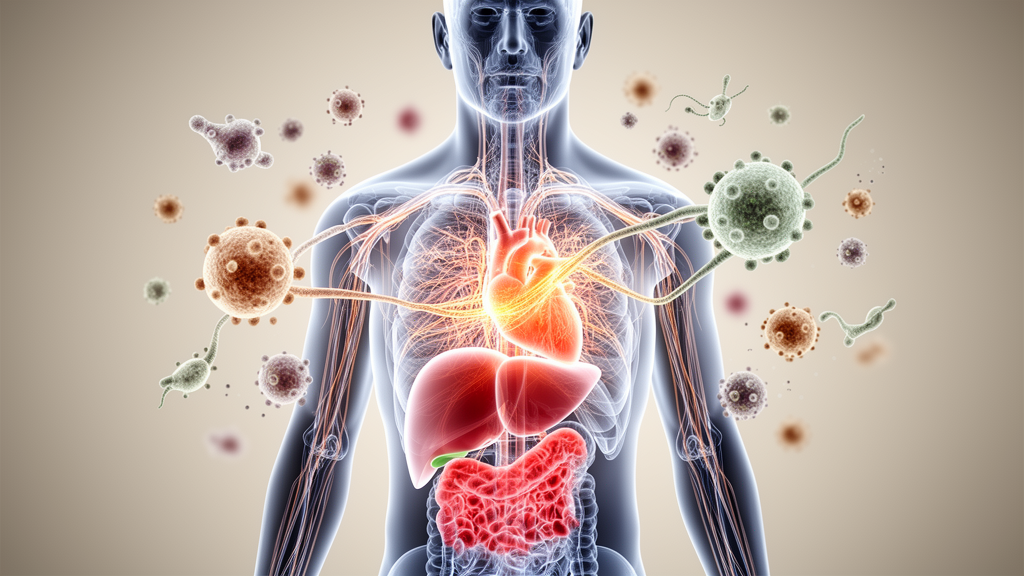
Image Credits: AI Generated
DOI: 10.3389/fcvm.2026.1891852
Keywords: cardiology, heart failure, cardiac magnetic resonance, late gadolinium enhancement, MELD-XI score, myocardial fibrosis, risk stratification, prognostic modeling, Prognostic, value, model, end-stage

















 English (US) ·
 French (CA) ·