

By September, lavender plants that flowered heavily through early and mid-summer are often looking a bit scraggly. Lingering faded flower stalks might be poking up like spent toothpicks, and the center of the mound may be splaying open under its own weight. So it’s very tempting to grab the shears and start pruning lavender back hard right about now to make your border look neat and tidy ahead of winter.
But fall is where lavender care can become a little counterintuitive. Lavender is not an herbaceous perennial that can be cut to the dirt. It is a woody subshrub, which means that its older, lower stems harden into wood over time. Once you slice deep into that leafless wood, it rarely pushes out fresh shoots again. Making aggressive cuts in fall is one of the quickest ways to ruin an established lavender plant.
Three lavender pruning cuts in particular tend to go wrong if attempted in fall. But that doesn’t mean you have to dodge cutting altogether – it just means you have to adapt your approach, and respect your plant’s needs in the approach to the cooler, damper months ahead. Understanding this will help to keep your plant healthy and resilient ahead of the new year. Do the right thing this fall, so you don’t ruin future blooms. Here are the risky cuts to avoid – and the one safe snip to try before winter.
Why Fall Cuts Hit Lavender Harder
Plenty of soft-stemmed perennials can be sheared nearly down to the ground in fall and will return without a hitch next spring. Lavender works differently: its active growth buds sit almost entirely within the soft, leafy green growth at the top. The older, woody lower stems lack the buds needed to sprout new foliage once they are trimmed down. Cut too far into those stems and you wave goodbye to future blooms.
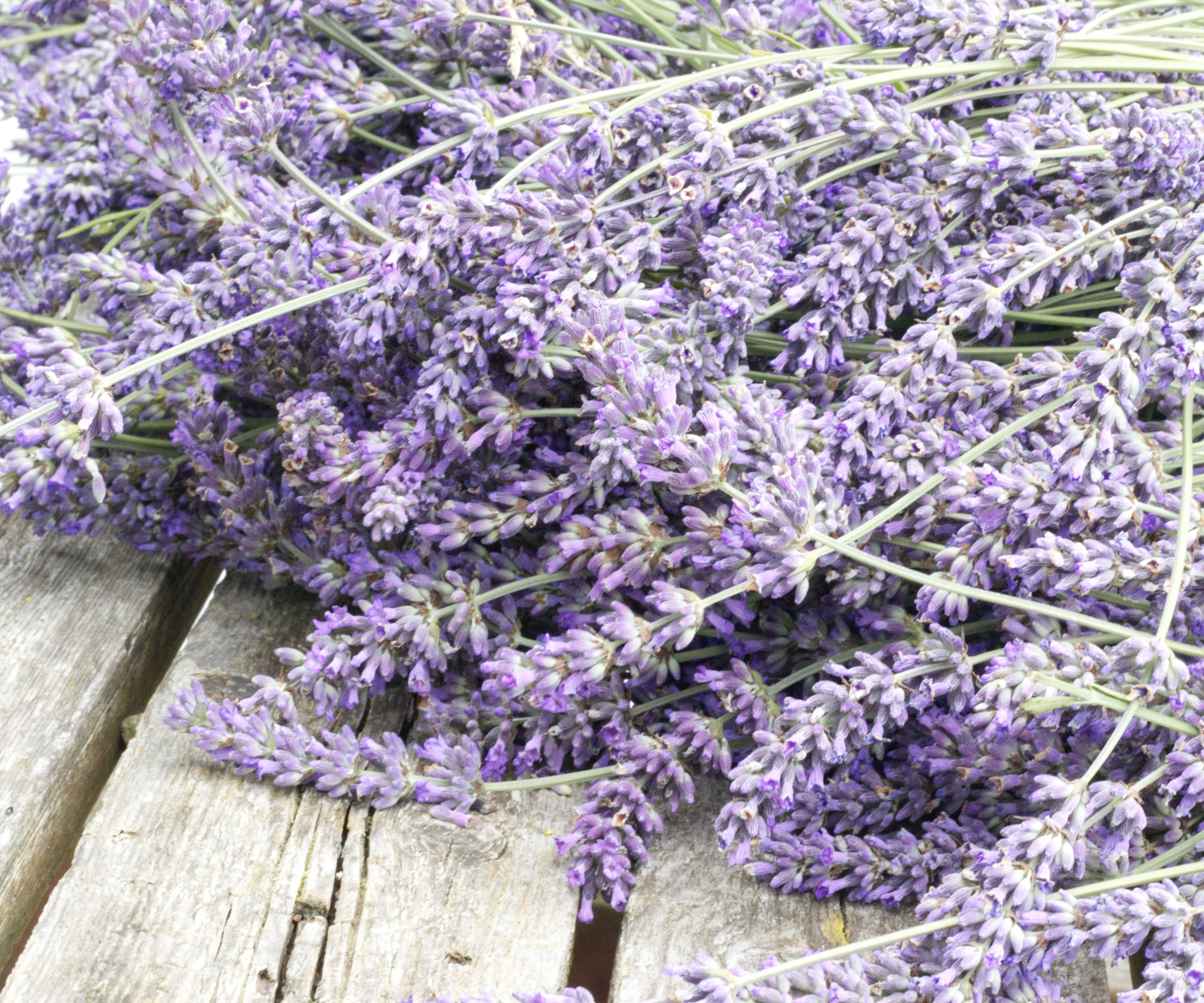
Different lavender species react with varying degrees of drama, but late-season cutting puts them all at risk. Cold-hardy English lavenders (L. angustifolia) like Hidcote and Munstead tolerate light shaping, but deep cuts expose their woody cores to severe winter frost-cracking. Hybrid lavandins (L. x intermedia) such as Grosso hold onto heavy, sap-rich stems that bleed energy if clipped late. Meanwhile, tender French (L. dentata) and Spanish (L. stoechas) lavenders struggle to recover from any major structural disturbance as temperatures drop.
(Image credit: Wita Design / Getty Images)
Furthermore, cutting lavender coaxes out a fresh flush of tender growth. In early June, encouraging fresh shoots is exactly what you want. Late in the season, though, soft new shoots won’t have time to harden off before the first freeze hits. Extreme cold can damage that new growth easily, and frost can turn tender tips into black stumps, opening the plant up to fungal infection in USDA growing zones 4-7.
That’s a tough price to pay for a slightly neater shrub, and yards with an early freeze can feel it the most. Keeping a thermometer handy, like the budget-friendly Serundo Mini Digital Thermometer from Amazon, can help you pinpoint where temperatures are at on a particular day for your lavender. But what do you do about straggly plants in fall? Read on to find out about the cuts that hurt, and the one that can help…
The 3 Risky Cuts to Skip
(Image credit: Andrii Tatarynov / Alamy)
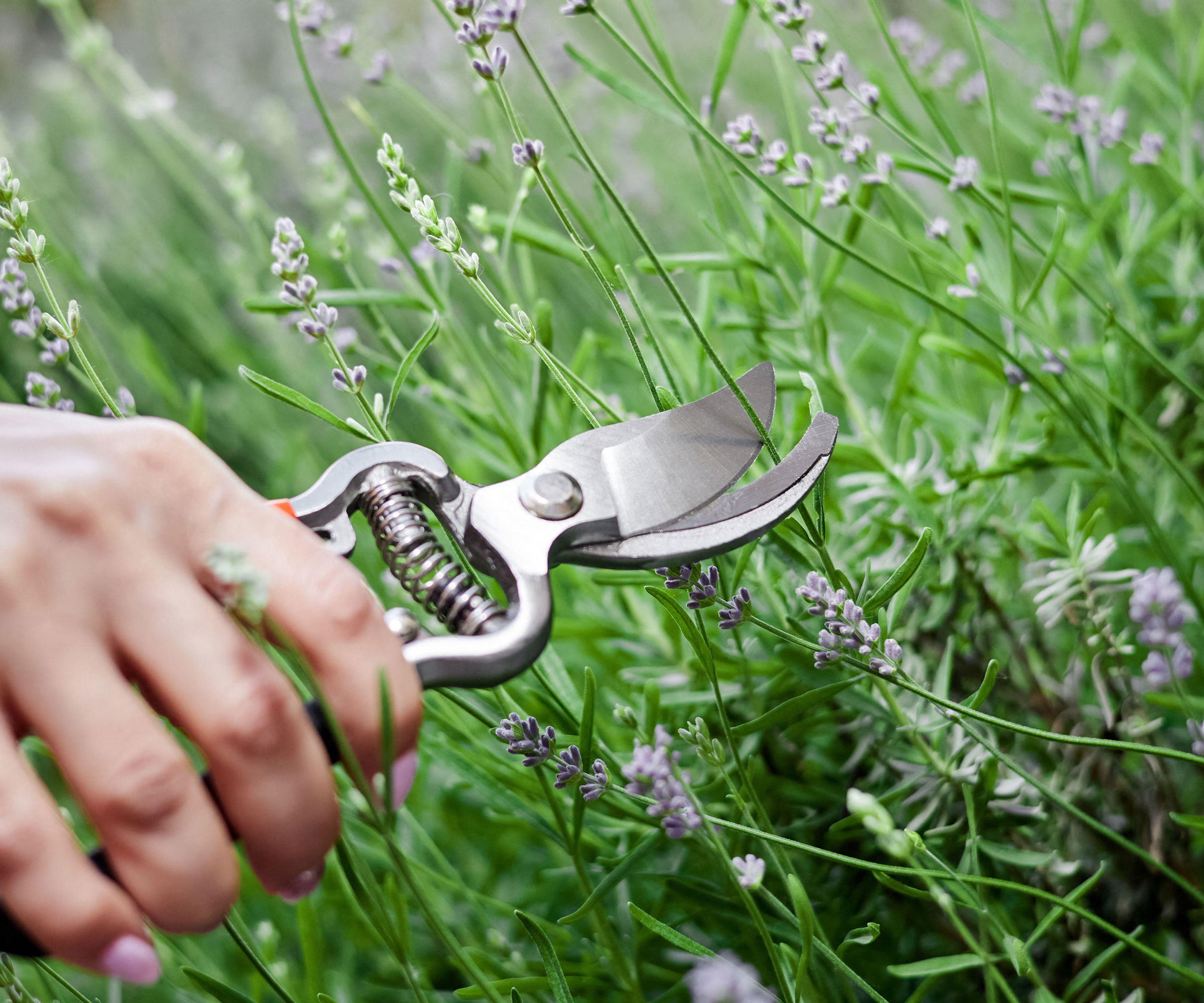
Each of the following fall cutting mistakes seems sensible and well-intentioned enough in the moment, especially when you’re having a backyard cleanup spree. The trouble is that the damage rarely shows up immediately: it hides quietly through the chilly months, only revealing itself in spring when dead, brown gaps appear.
By the time warm spring weather arrives, there’s little you can do to repair fall pruning damage, except wait and hope a few stray buds green up. Understanding how different varieties react to late-season trimming can help to ensure your plants survive the winter unscathed. But you’ll be doing your lavender a massive favor if you dodge the following cuts now.
1. The Hard Scalp
(Image credit: Almaje / Getty Images)
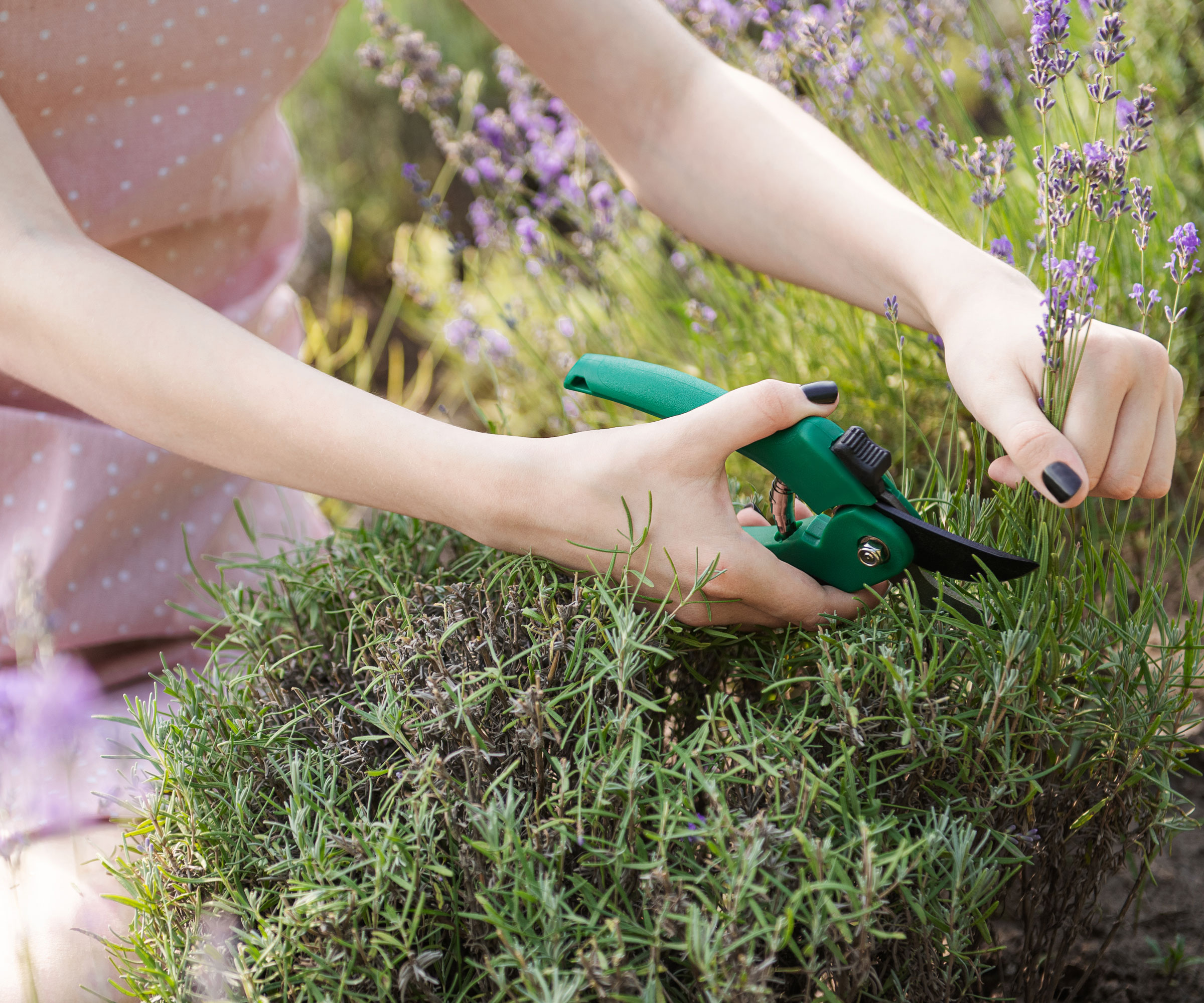
Picture a lavender mound sheared down to a few inches of brown, leafless stubs, the same way someone might cut back spent daylilies. Bare lavender wood is a one-way street: cut into that brown bark without leaves attached, and that branch almost certainly stays bare forever.
Some scalped plants recover in patchy, uneven tufts, and sit lopsided for 2-3 seasons, while older specimens don’t come back at all. Even an aged, leggy specimen that desperately needs reshaping is better renewed gradually over a couple of years, with gentle cuts in early spring rather than a tragic fall slaughter. Container-grown lavender is especially vulnerable to hard scalping, as pot-bound roots cannot recover from total foliage loss.
2. The Late Month Flush
(Image credit: Westend61 / Getty Images)
Here, the cut itself might be perfectly gentle, but it’s the timing that trips things up. Trimming lavender stems too close to your local first frost date will trigger the plant to push out a quick flush of tender, sap-rich green tips that have zero chance of toughening up before those freezing temperatures arrive.
A common rule for pruning lavender is to wrap up trimming 6-8 weeks before your region's average first hard frost date. In colder northern zones (4-6), the seasonal window can be closing as early as mid-August. In warmer southern climates (8-10), light trimming can be extended into late September, but that’s about it. Checking your local frost dates removes all the guesswork before your shears get busy.
3. The Flat Top Box Cut
(Image credit: Dorling Kindersley Ltd / Alamy)
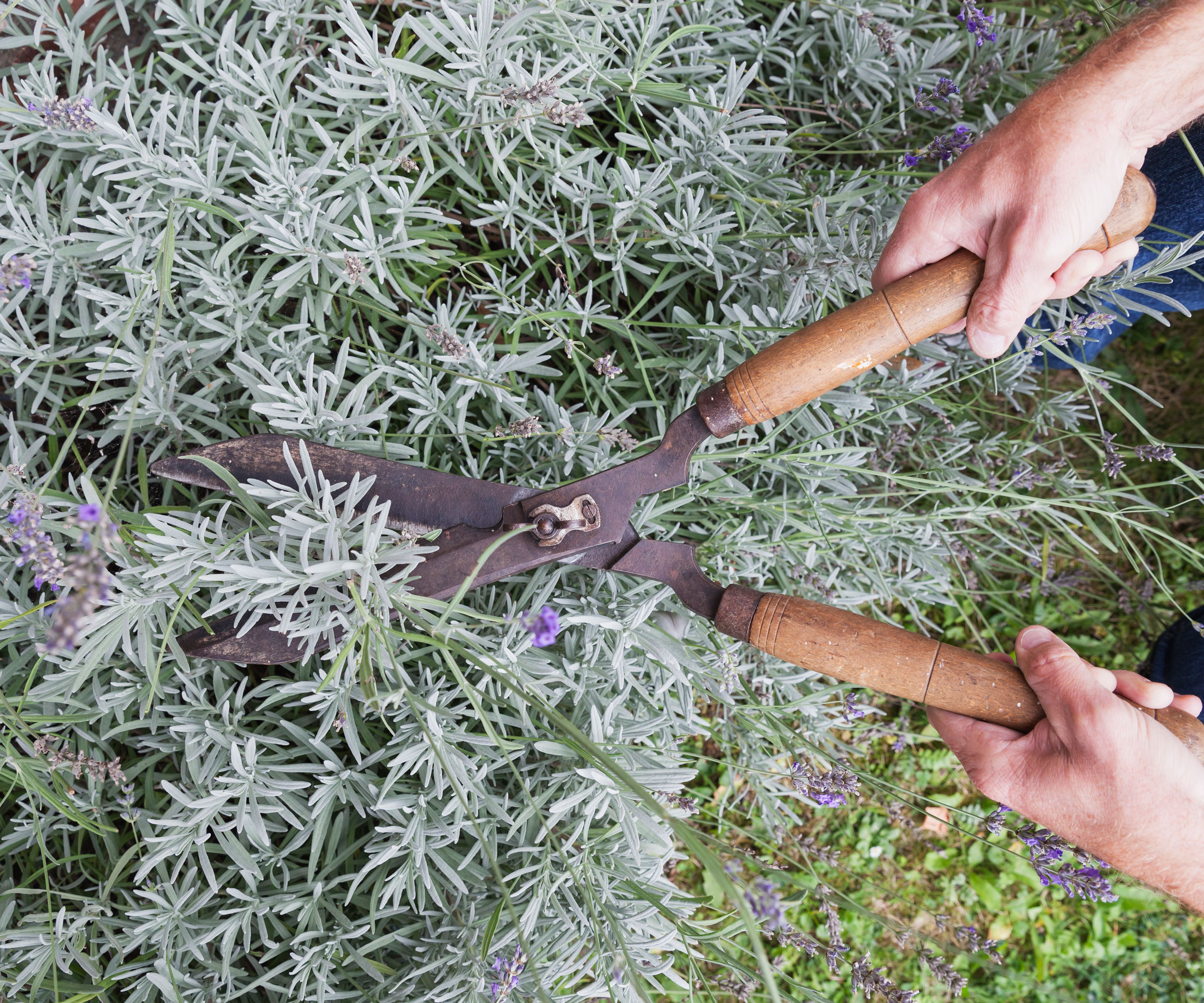
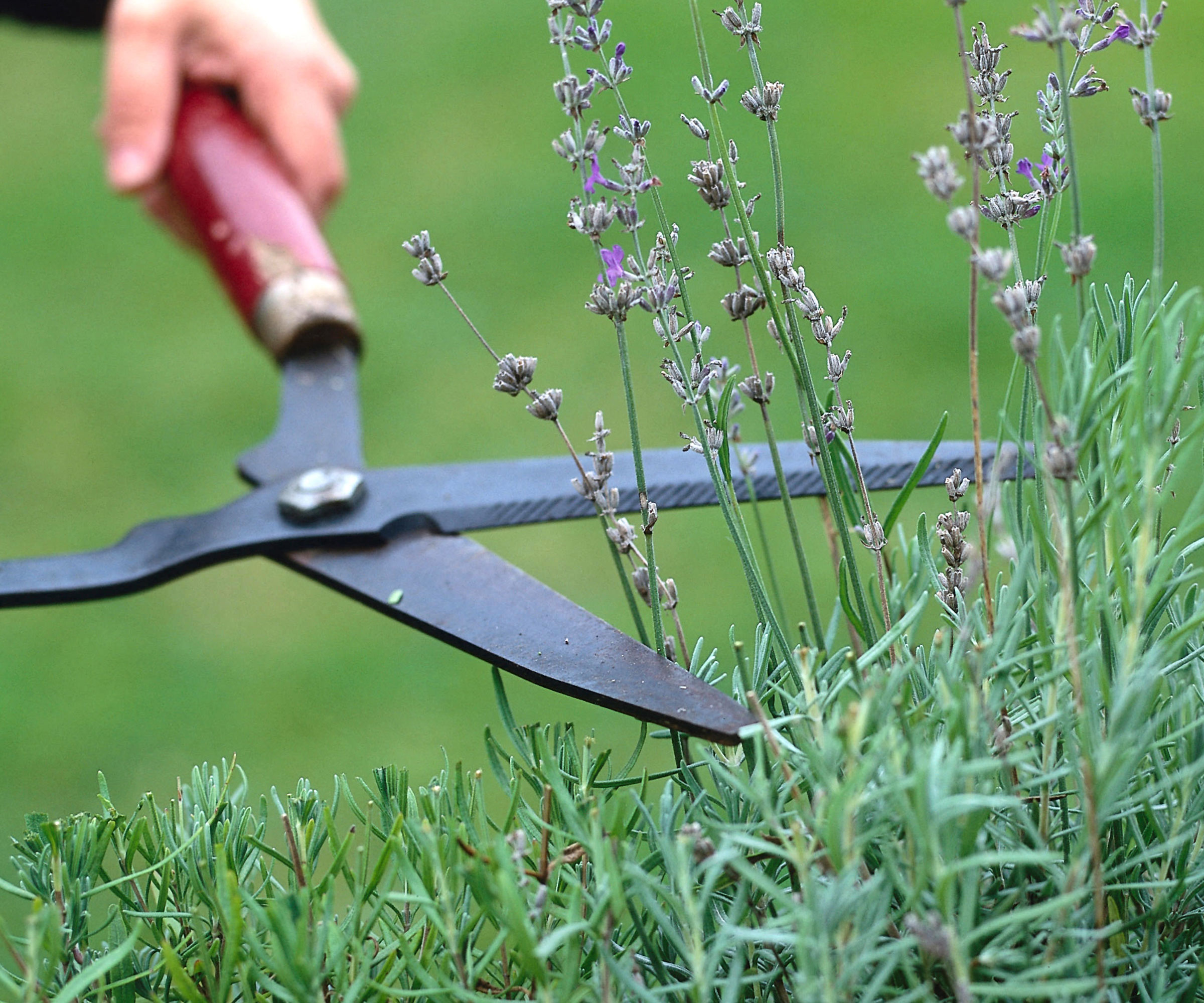
A crisp, squared-off lavender hedge cut like a formal boxwood might look sharp – at least along a sunny brick walkway. But by February, however, maybe not so much. In fact, that box cut can wind up becoming a structural liability for your fragrant hedge as winter rolls in. A flat top can collect wet snow and hold heavy rain instead of shedding it naturally.
Under the weight of winter snowdrifts, a flat-topped lavender mound can also split down the center, exposing the interior to frost damage. Straight, vertical box cuts can also drag the blades down deeper into bare wood along the sides. Instead, lavender hedges stay healthier over winter when maintained as a continuous series of soft, rounded mounds that allow snow to slide off effortlessly.
The Fall Cut That Works
(Image credit: Ekaterina Varnakova / Getty Images)
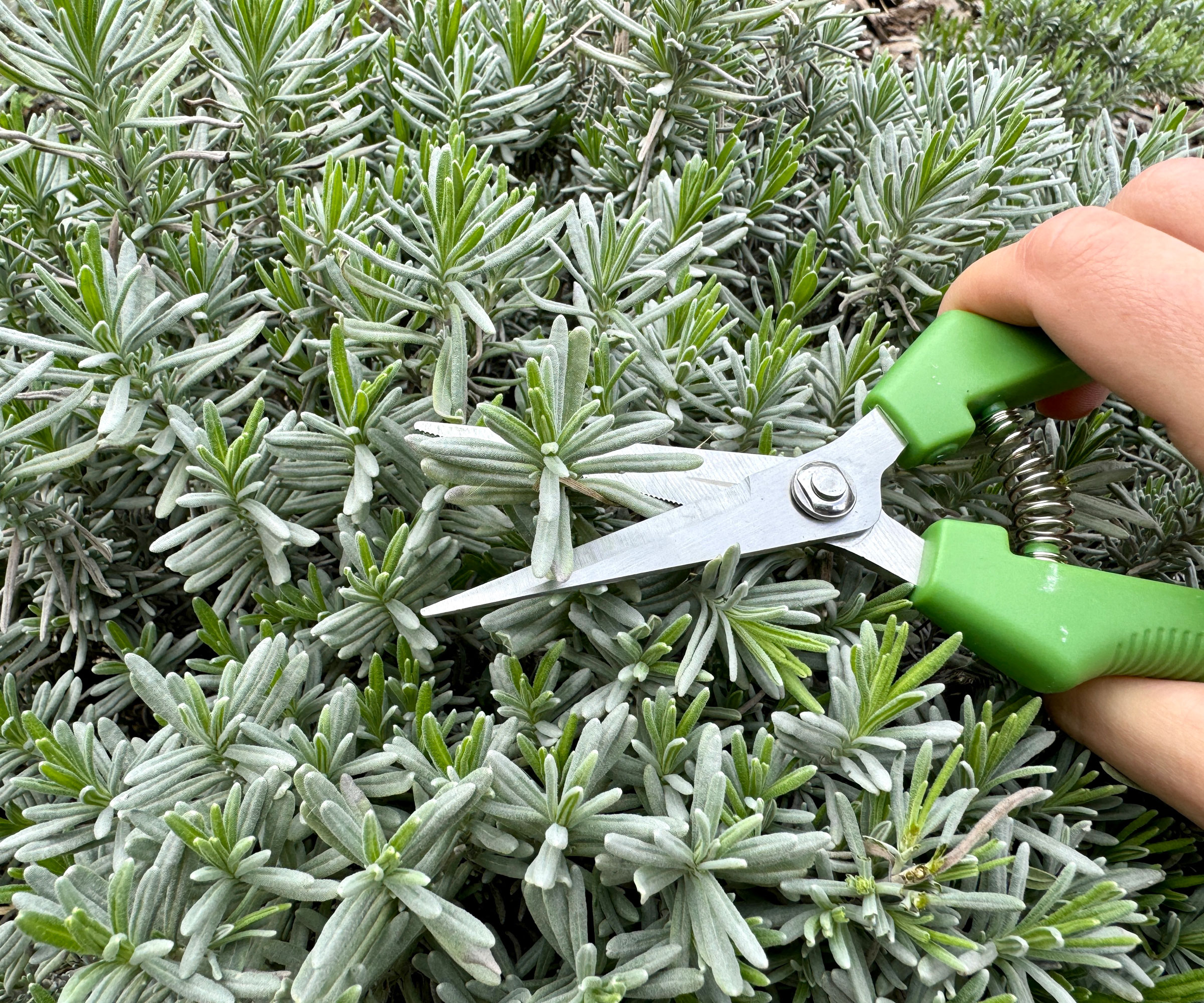
As you can see, quite a few of the cuts we might embrace earlier in the year become liabilities in fall. The Hard Scalp and Late Month Flush cuts can directly endanger the plant's survival, while the Flat Top Box Cut does its structural harm more slowly over a snowy winter. But there is one type of cut you can safely carry out in fall: the green tip sweep. As the name suggests, this fall snip is focused on a gentle tidy-up.
Grab your sharpest pruners or snips. If you don’t have any, I can recommend the nimble Fiskars Micro-Tip Pruning Snips with Softgrip Handles, available at The Home Depot. They give you precision cuts that slide easily between crowded shoots and won’t gouge surrounding shoots. Start with the spent flower stalks, snipping each one down to where the top cluster of green leaves begins.
(Image credit: Toni Jardon / Getty Images)
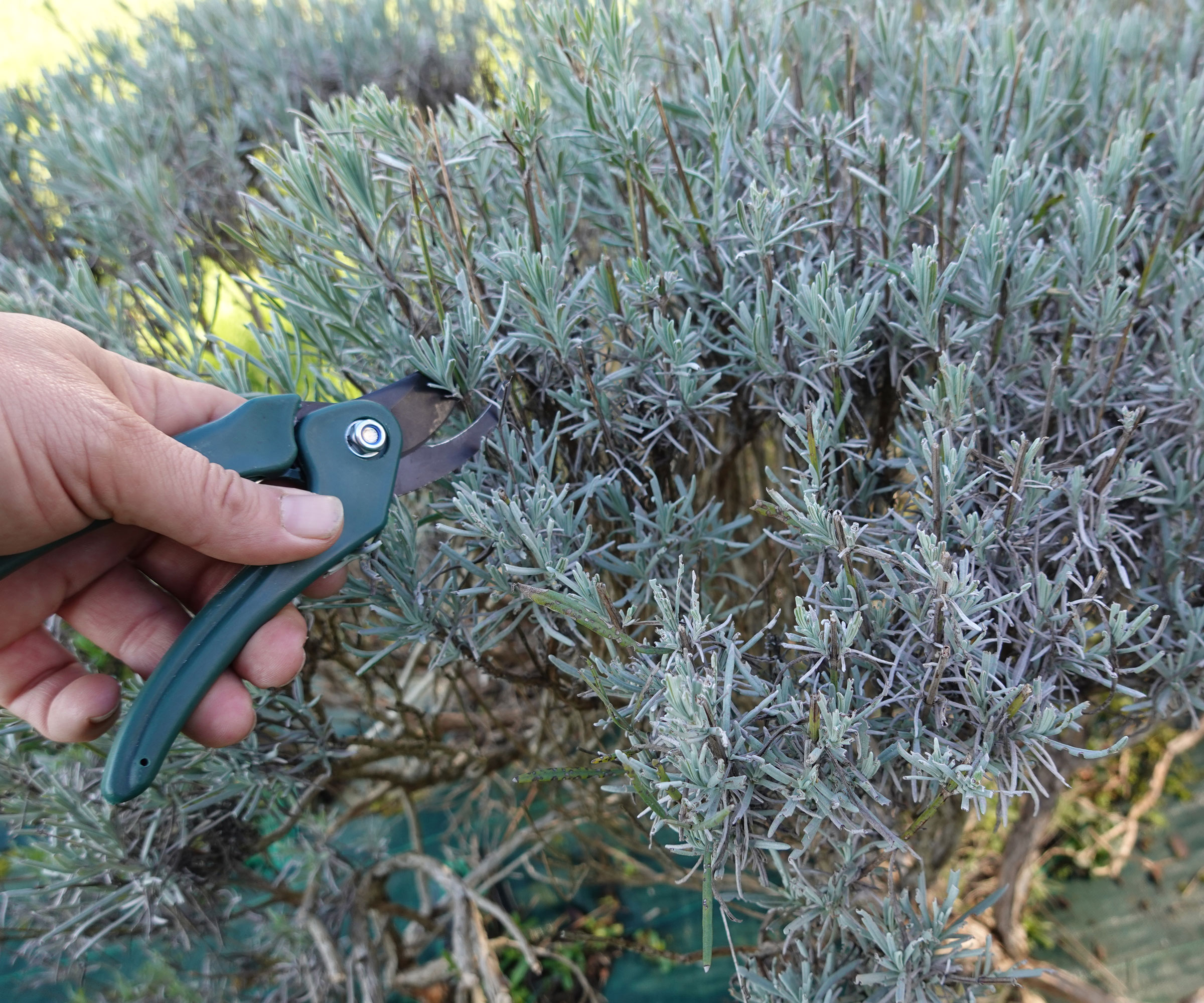
Once the dead stalks are cleared, gather a loose handful of leafy stems in one hand and clip an inch (2.5 cm) off the soft green leafy tips. Work your way around the plant so the outer growth ends up slightly shorter than the central crown. This creates a gentle dome shape that snow can glide off rather than pile on. As a basic guide, always leave 2-3 inches (5-8 cm) of green foliage above the woody part of every stem. If a stem looks thin on leaves or a bit stressed, skip it.
For individual specimen plants, precision snips work best to slip between crowded shoots. For walkway hedges, hedge shears speed up the job, provided you follow the curved contours of each plant rather than cutting flat lines. Whichever tool comes out, keep the edge sharp, as dull blades tend to crush stems. If you haven’t got a sharpener, it’s worth investing in the Orange Ninja 7-in-1 Knife Sharpener from Amazon, for razor-sharp cuts that slice cleanly through stems. Do this right, and you’ll create healthy evergreen mounds that retain their shape through winter.
When to Skip the Sweep
(Image credit: Aninka Bongers-Sutherland / Getty Images)
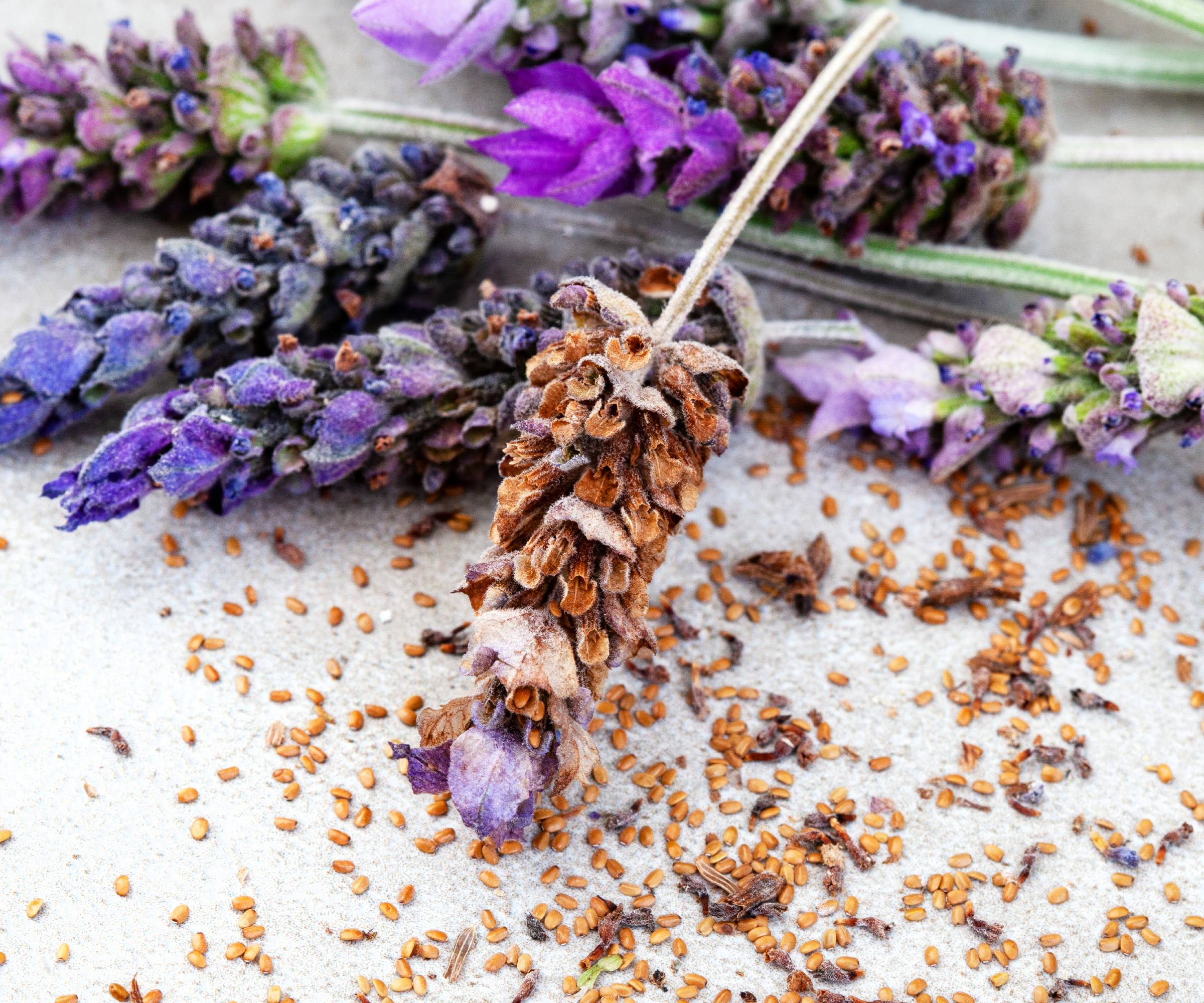
Depending on your lavender variety and late-season conditions, you may need to skip pruning until spring. Tall, vigorous lavandin hybrids (such as Grosso and Phenomenal) bloom later in summer. Their framework handles winter best when left intact until early April. Similarly, tender Spanish lavenders should only receive a very light deadheading in fall, as heavy pruning in colder climates frequently proves fatal.
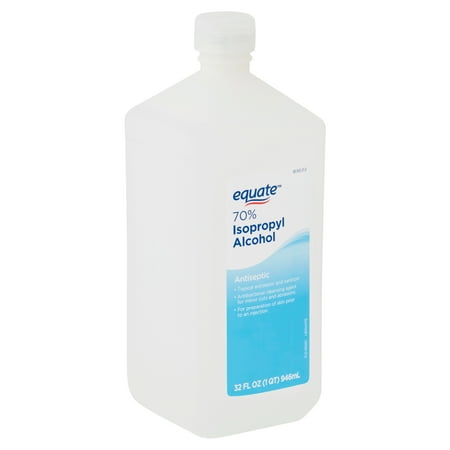
Whatever gets cut, make sure you give your tools a quick wipe with Equate 70% Isopropyl Rubbing Alcohol from Walmart to prevent any disease from traveling plant to plant. However, if frost is already creeping into your local 10-day forecast, just snip off the dry flower stalks and leave all the foliage intact to shelter the crown.
After completing any light trimming, rake fallen stems away from the base of the plant. Damp, decaying leaf litter packed against the plant all winter can trap moisture and invite fatal root rot. Happily, those fragrant trimmings need not go to waste. Dry the aromatic leaves and tuck them into muslin sachets for your linen drawers.
Best Lavender Care for Fall
(Image credit: Paul Hanson / Alamy)
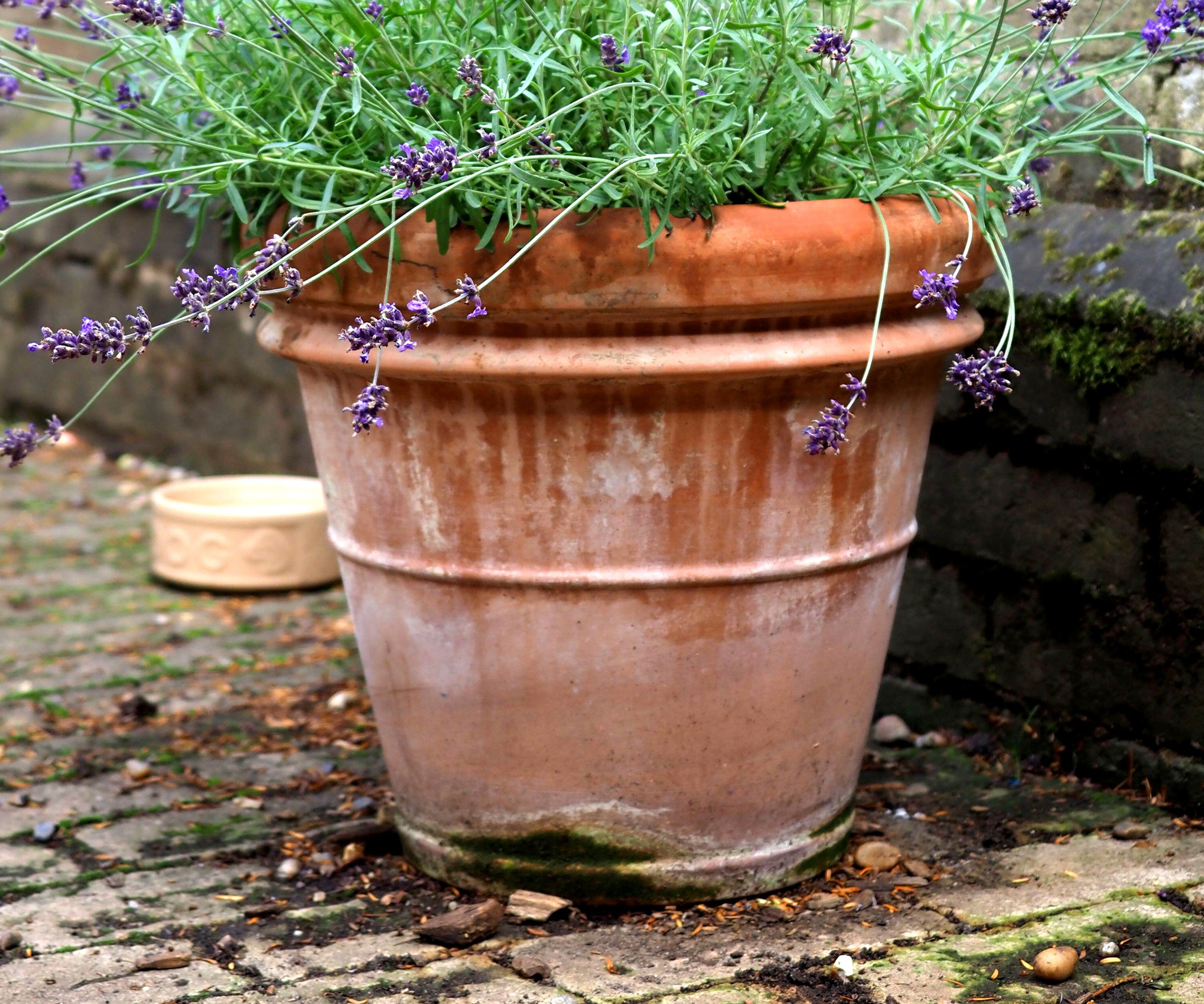
Beyond pruning, good fall lavender care needs to focus on water management and root insulation. Soggy soil kills far more lavender plants than freezing temperatures ever will. Reduce watering significantly as the days shorten, allowing the top couple of inches (5cm) of soil to dry out completely between rains.
Where your lavender is growing in heavy clay soil, work some coarse sand, pea gravel, or crushed horticultural grit into the surface around the plant to help improve drainage. For ground-based lavenders, a sprinkling of Vigoro Mini Marble Chip from The Home Depot can help to protect crowns and enhance drainage as the weather deteriorates. For container-based lavenders, top-dressing a little Back to the Roots Organic Perlite from Amazon with some coarse sand can help with drainage. Also, elevate the pots onto terracotta pot feet to further improve pot drainage.
If you act fast, you can take a few cuttings from your parent plant. Plant into a fast growing coarse growing medium, or even try starting a couple in water. Cuttings will form strong root systems within 4-6 weeks, ready to overwinter in a protected frame or cold greenhouse. Then sit back and wait for spring, when your parent plant will hopefully start to grow again after your gentle green tip sweep. Come June, those same leafy stems are where the next round of flower spikes will come from.
Shop Lavender Essentials
Transforming your fall lavender routine from a risky seasonal chore into a rewarding ritual is easy with the right kit. Precision cutting tools and targeted soil amendments make all the difference to vascular health and good drainage in damper weather. Whether you are maintaining a formal walkway hedge or tending a few container pots, these curated essentials will keep your lavender healthy through to next year.
Cheeky Cut and Care Trio
 Sanitizing Maintenance
Equate
Equate 70% Isopropyl Rubbing Alcohol, 32 Fl Oz
An often-overlooked biosecurity step for every gardener is giving your pruning tools a quick wipe with rubbing alcohol. Use this excellent money-saver between plants to prevent the spread of fungal spores, wood rot, and bacterial blights.
 Soil Alkalizer
Jobe's Organics
Jobe's Organics Garden Lime Soil Amendment, 6 Lbs
Lavender demands gritty, highly alkaline soil to flourish. A light top-dressing of this fast-acting hydrated lime neutralizes any acidic rainfall, improves soil structure, and strengthens subterranean root resistance against winter dieback.
 Drainage Enhancer
Back to the Roots
Back to the Roots Organic Perlite, 8 Qt
Cold, waterlogged soil is the primary killer of lavender from fall into winter. Blending this lightweight, coarse volcanic glass into planting holes or pot mixes boosts aeration, allowing heavy rains to drain freely so roots never drown.
(Image credit: Nicola-K Photos / Alamy)
Need more ideas for timely gardening jobs and seasonal expert advice delivered straight to your inbox? Sign up for the free Gardening Know How Newsletter!













 English (US) ·
  French (CA) ·