

 1 day ago
3
American writer Gary Snyder once said, “Nature is not a place to visit; it is home.” The quote could not be truer when describing the Pulong Kabyawan. The vast fields and sense of peace fill visitors’ hearts with reminiscence, drawing on their own past experiences and the place’s simplicity. Beyond being a local attraction, it carries a sense of belonging that triggers memories of those who went there back then. The fields may look ordinary, but they have become part of people’s lives and history, making this place more special to them than any other.
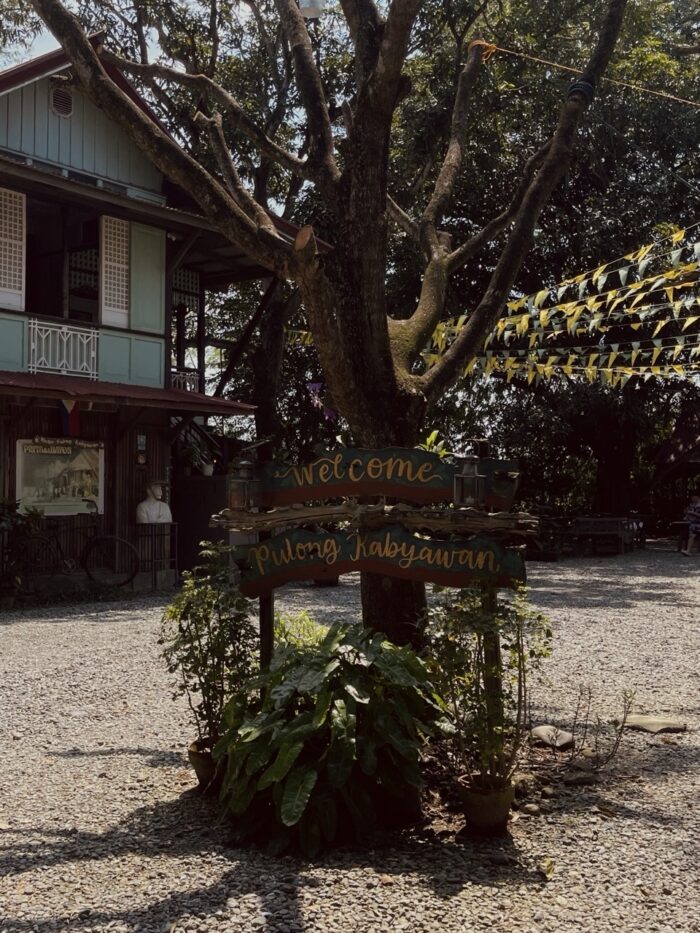
Pulong Kabyawan
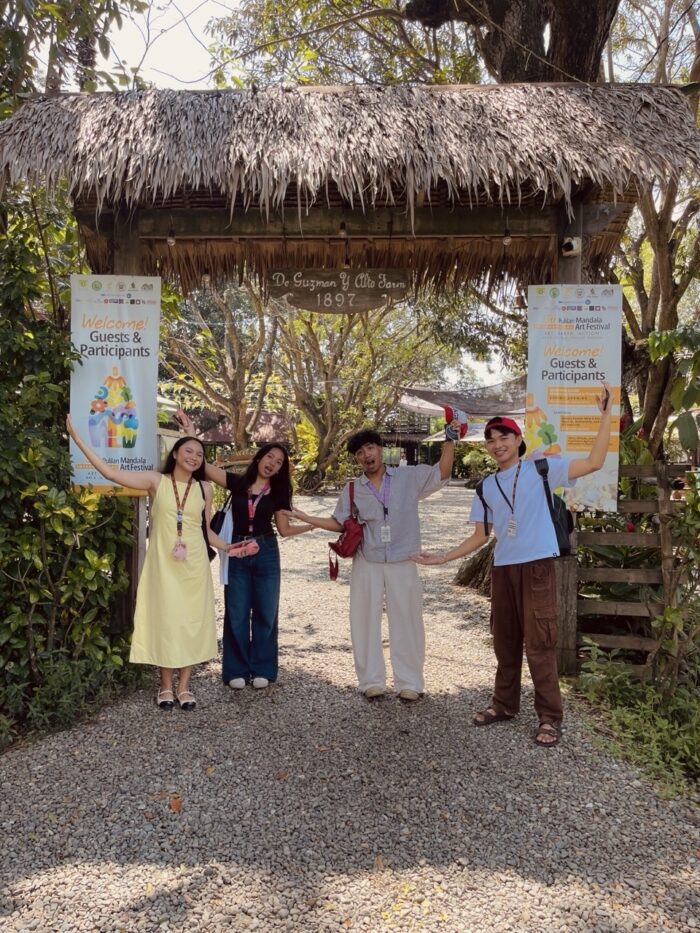 “Sama? Sama.” — The entrance to the cultural site (Pulong Kabyawan), warm and welcoming to guests, represents the hospitality of the area.
Pulong Kabyawan, the first-ever protected agritourism site in Pulilan, Bulacan, greets visitors with greenery, a refreshing landscape, and fresh air scented with grass and plants. The path meanders beneath towering trees that block the sun’s direct rays, casting patterns that move across the grounds like dance movements.
In the middle of this serene setting lies the Pulong Kabyawan Heritage Museum, a beautifully built edifice that preserves the heritage of the community and not just objects — handwoven textiles in rich, vibrant hues, ancient farming tools shaped by skilled hands, foods that were crafted with love, and photographs tracing the journey of families who have called the land home for generations.
Beyond the museum itself, nature reveals its own majestic grandeur: towering trees stand as silent sentinels, golden-hour light reflects off the open meadows, and every bend reveals a view that is both timeless and deeply welcoming, making it a sanctuary where natural beauty and cultural pride walk hand in hand.
More than a destination, Pulong Kabyawan is a testament to unity between people and nature—the museum is not just an old building, but the soul of the community and a promise that the ancestors’ wisdom will never fade.
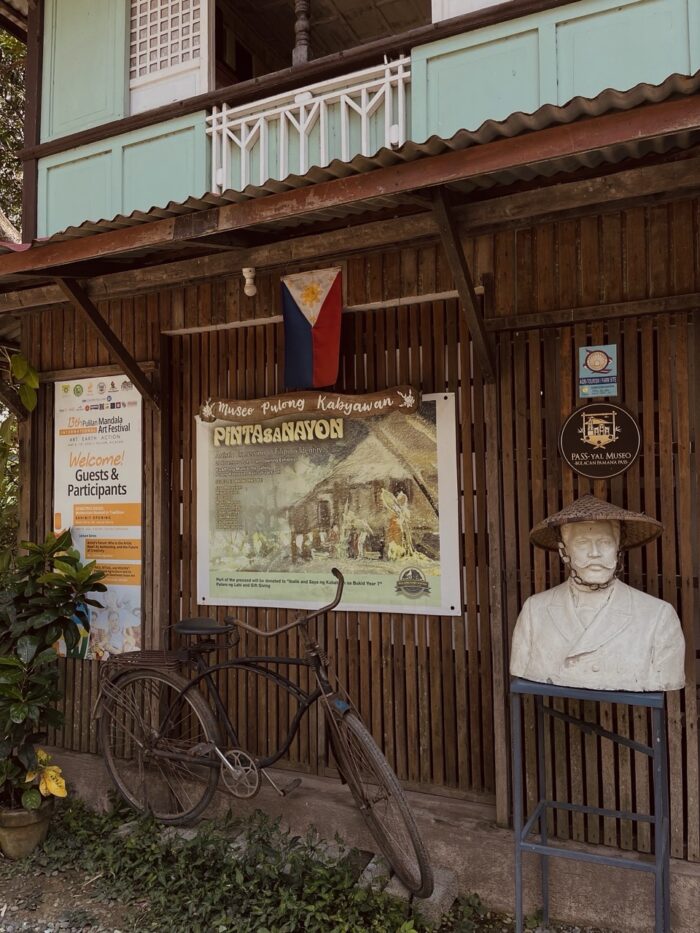 “Ala-alang Kumupas, Kwentong Bakas.” — A cultural heritage exhibit rooted in Filipino culture, drawing on architecture, history, and antiquities.
The customs that have been handed down — the careful stewardship of the forest, reverence for the seasons, the craftsmanship that has been passed through from hand to heart — are alive every day, seen in the warm greetings, the slow cultivation of the land, and in the safekeeping of the home as an invaluable treasure.
Here, in essence, is BAYANIHAN: working together to preserve the land, cherish the past, and nurture the future. It reminds us that travel is not just about seeing sights, but about understanding that every place has a soul shaped by stories, values, and love. Heritage isn’t kept only behind glass—it lives in how we treat one another and care for the world we share.
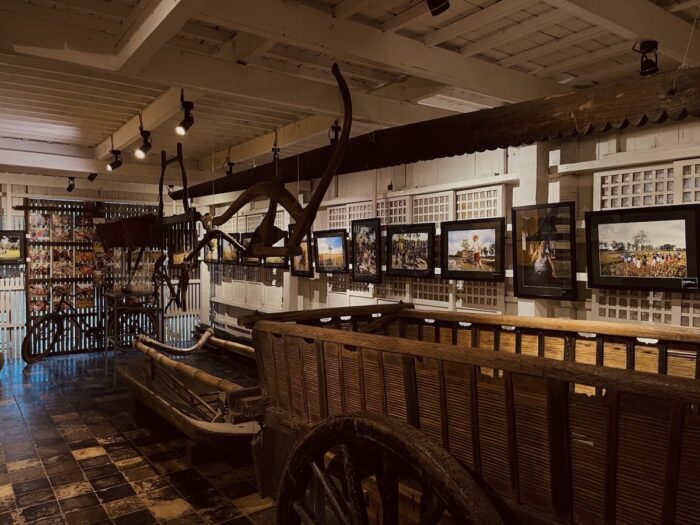 “Nawalang Kabuhayan, Natagpuang Kalayaan.” — An interior exhibit area displaying traditional carts, boats, and historical artifacts that showcase the destination’s cultural heritage and history.
We came to Pulong Kabyawan expecting beauty, but we left carrying something far deeper — a piece of its quiet grace within us. Entering the heritage museum felt like stepping through a subtle portal to another era. We scanned the patterns of woven arts with an air of strength, felt the smoothness of the wood used for so long, and gazed at facts that seemed to belong to our own lineage.
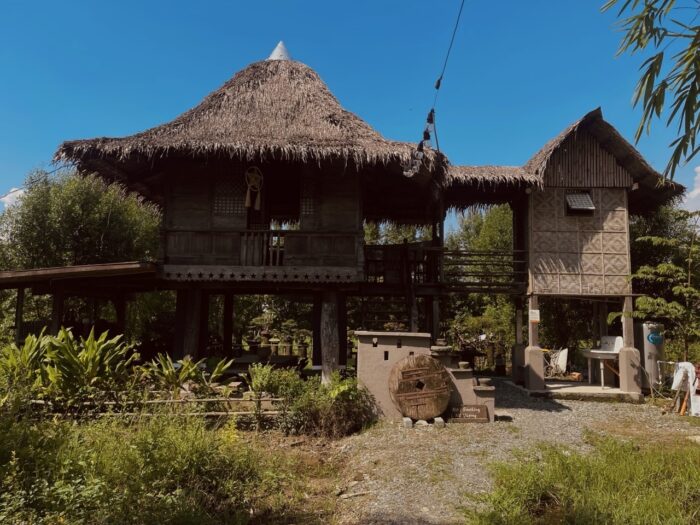 “Silid ng Buhay.” — Filipino nipa houses on stilts, an example of traditional Filipino architecture, in the cultural attraction
A hush filled those rooms—not a dead hush, but one full of voices now gone yet still speaking through what they left behind. Walking through the fields outside, we felt that same sense of connection, too.
We waited for the sun to dip low, sending the skies burning with gold and the rosy colors of twilight, and in that golden silence, everything slowed. Breathe in the crisp night air, feel the wind play among the trees, and realize we weren’t just looking somewhere but feeling its heartbeat.
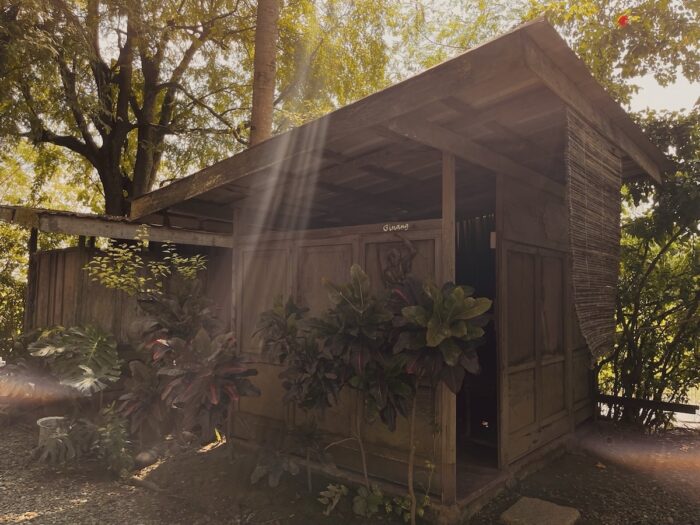 “Tapat na Lingkod, sa Likod-Bahay.” — A relaxing, heritage-inspired structure that blends naturally with the environment and provides a welcoming, functional space for all visitors.
The clamor of daily life fell silent around us. We found a way to see things differently — the way light plays with the windows of the museum as it falls on the priceless relics kept within its walls, the way shadows play with the blades of grass as darkness falls, the way it feels to be peaceful when one allows himself to be immersed in it.
This was more than mere memories; it was a lesson on beauty. These moments — inside the museum and out under the wide, open sky — became more than memories. They became a reminder that beauty is not just something you capture; it captures you.
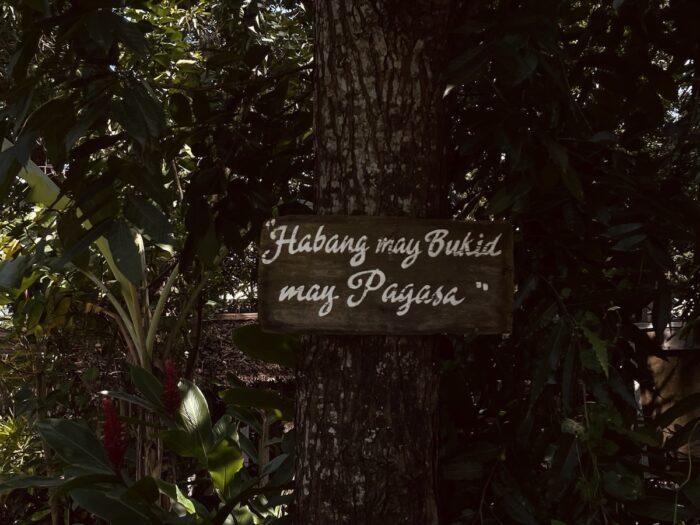 “Habang may Bukid, may Pag-asa.” — Inspirational signage displayed on a tree within the attraction, bearing the message “Habang may Bukid, may Pag-asa,” showing the significance of farming, resilience, and hope for the rural community.
Pulong Kabyawan has a quote: “Habang may bukid, may pag-asa”, meaning that the longer we stay, the more we realize how deeply agriculture is neglected and forgotten. The serene feeling slowly vanished like a wind that just stopped blowing through everyone’s lungs.
The thought of agriculture being obliterated suddenly felt like a hurricane crashing down in our heads. The tradition that has kept our humanity alive for so long gradually dissolves into the light.
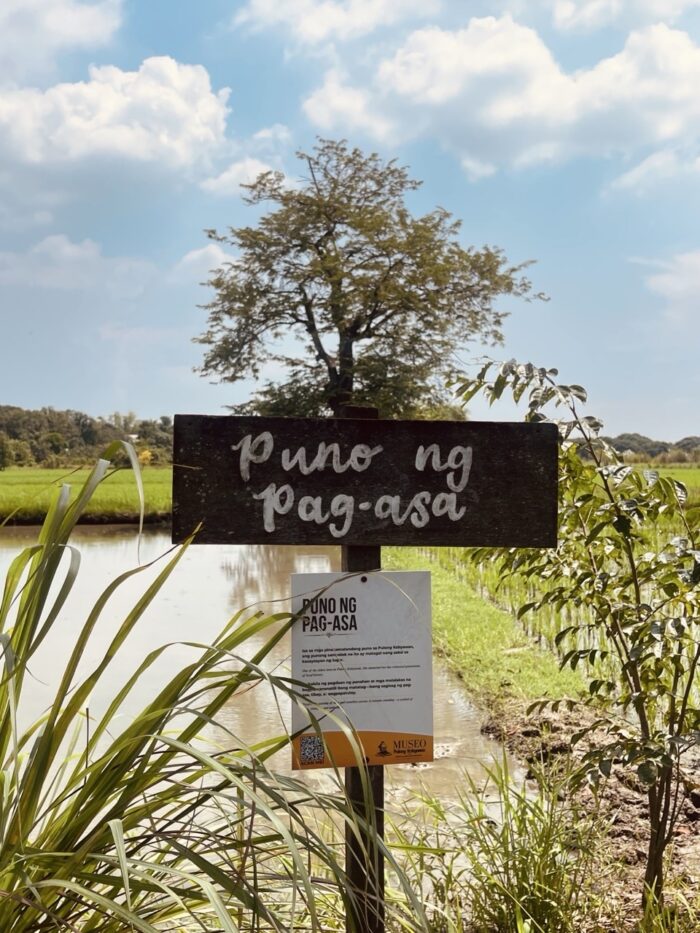 “Puno ng Pag-asa” is an attraction near a pond. It represents hope, perseverance, and growth amid the destination’s natural setting.
Yet in the same quiet, we discovered hope. Pulong Kabywan shows us that these fields are more than farmland; they are our origins, our stories, and our shared future. The museum contains not only relics but also the beating heart of a community determined not to let its heritage disappear.
“Habang may bukid, may pag-asa” is not merely a phrase for us—it is a plea; a call to look back so we may move forward, to appreciate what nourishes us both physically and spiritually. And to act as guardians of the fields which have given us so much. Here, we realize hope exists not only in fields—it exists within us, in how we choose to protect, respect, and remember them.
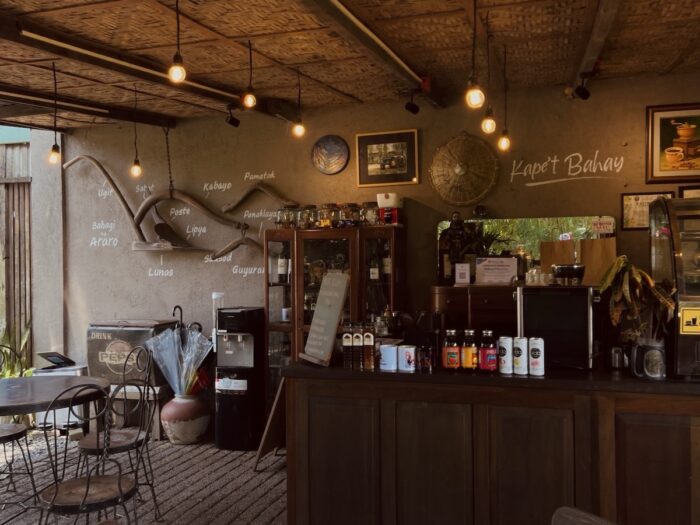 “Kape’t Bahay.” — a warm, heritage-inspired space where local flavors and Filipino tradition blend into every corner, inviting you to pause, breathe, and feel right at home.
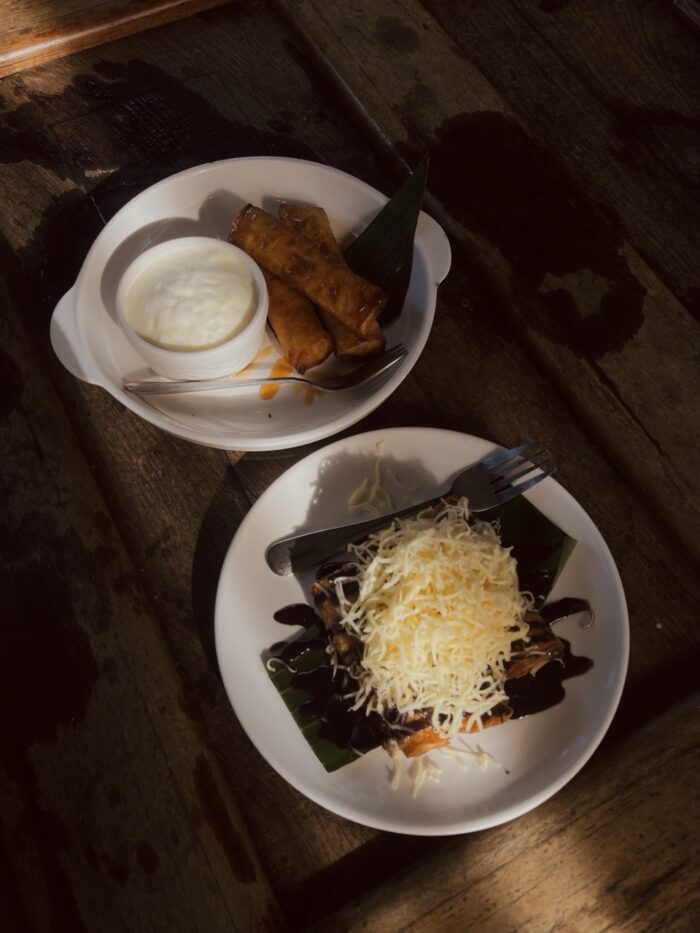 “Saging. Ube. Ligaya.”— A serving of local cuisine featuring TURON with ICE CREAM and a UBE TURON topped with grated cheese and chocolate syrup, showcasing the food offerings available to visitors.
About the Authors:
The authors are Bachelor of Science in Tourism Management students at Bulacan State University in Malolos City, Bulacan. They are interested in exploring the different hidden gems in the Philippines, culture, and travel literacy.
They aim to promote the place by capturing the beauty of the country’s towns and cities through their travel feature article, “Habang May Bukid, May Pag-asa,” about the Pulong Kabyawan destination in Pulilan, Bulacan, which unveils the village’s old-world charm.
They also want to share their travel experience and adventure, showing how the farmers work hard to create their products. This travelogue aims to highlight the hope, simplicity, and culture of countryside farmers.
Authors:
Aguirre, Karl Lawrence D.
Enriquez, Jerwin P.
Dioniso, Micaella Marish P.
Lazaro, Jonalyn D.
Follow and subscribe to OutofTownBlog.com on Facebook, Twitter, Instagram, Pinterest, and YouTube for more Travel-related updates.
Read:
- A Place Called Hiraya Manawari
- 8 Reasons to Go to Bustos, Bulacan
- Whispers Beneath the Surface of Yesterday: Rediscovering Bustos
- Thrift Garments of Meycauayan’s Yesterdays
- A Day Along the River: Adventure, Laughter, and Memories
- Beyond the 330 Steps: Finding Stillness at Mount Brigino
- Splashes, Slides and Smiles: Discovering Rayloong Waterfun Park Resort














 English (US) ·
 French (CA) ·