

 2 months ago
83
2 months ago
83
PROTECT YOUR DNA WITH QUANTUM TECHNOLOGY
Orgo-Life the new way to the future Advertising by AdpathwayA collaboration between scientists at the University of Bath in the United Kingdom and UMass Chan Medical School in the United States has identified a molecular navigation system that enables neutrophils to locate infection sites while limiting damage to healthy tissue. The findings clarify how these frontline immune cells distinguish where they are needed and determine when to activate their powerful antimicrobial machinery. The study, published in Science Advances, could eventually support a new generation of anti-inflammatory treatments designed to act precisely at sites of disease rather than suppressing immune activity throughout the body.
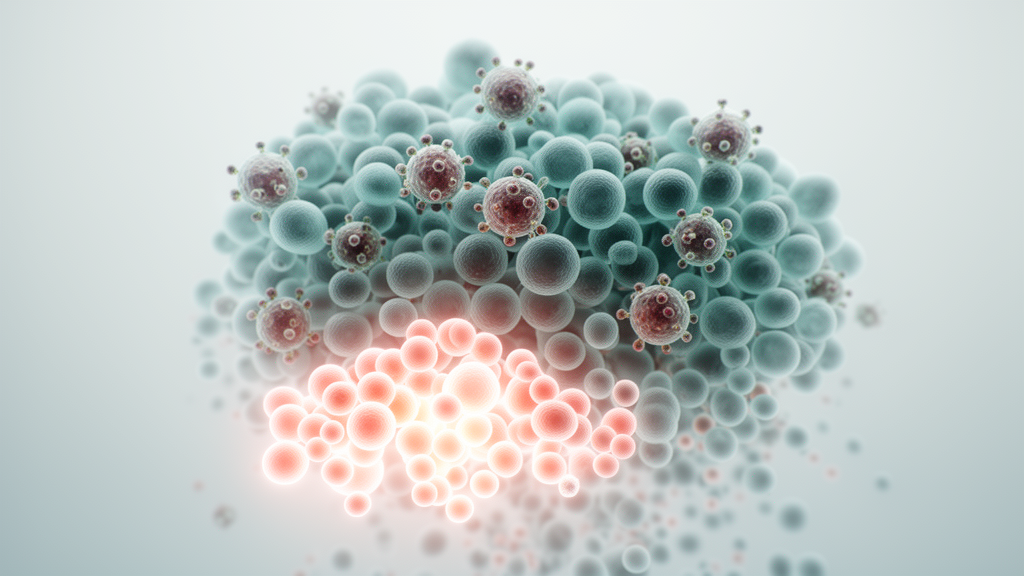
Neutrophils are among the first immune cells recruited when bacteria, viruses, or other pathogens invade tissue. They normally circulate in the bloodstream, but chemical signals released during infection prompt them to exit blood vessels and move through surrounding tissue. Once they reach their target, neutrophils can engulf microbes and release enzymes, reactive oxygen compounds, and antimicrobial proteins. These substances are highly effective against pathogens, but they can also injure healthy cells if released in the wrong place or at the wrong time. How neutrophils navigate complex tissue environments without triggering this destructive response prematurely has remained an important question in immunology.
The new study identifies a short-lived lipid mediator called hepoxilin A3 as a key directional signal. Infected or inflamed epithelial cells can release hepoxilin A3, creating a chemical gradient that extends from the affected tissue. Neutrophils detect this gradient through a membrane protein known as transient receptor potential vanilloid 2, or TRPV2. Rather than functioning simply as an on-or-off receptor, TRPV2 appears to provide directional information, helping cells interpret where the signal is strongest and adjust their movement accordingly.
The researchers found that TRPV2 interacts with the type 2 cannabinoid receptor, CB2R, on the neutrophil surface. Together, the two receptors form a signaling complex that coordinates cellular movement in response to hepoxilin A3. This interaction influences the internal signaling pathways that regulate the neutrophil cytoskeleton, the dynamic structural network that allows the cell to extend protrusions, change shape, and crawl through tissue. By coupling detection of the chemical signal to changes in cell polarity and motility, the receptor complex helps neutrophils move selectively toward the source of infection.
The mechanism also appears to determine when neutrophils should remain restrained. Earlier work from the research team showed that activation of CB2R by naturally occurring endocannabinoids can inhibit hepoxilin A3-driven migration. In this context, CB2R acts as a molecular brake, reducing unnecessary neutrophil movement when there is no strong indication of an active infection. When TRPV2 binds to CB2R in response to hepoxilin A3, however, the receptor system switches functional states. The brake is released, allowing the neutrophil to pursue the infection-associated signal.
This coordinated behavior may explain how neutrophils avoid causing widespread tissue injury during their journey. According to the study, migrating cells do not release their most damaging antimicrobial substances while traveling toward the source of hepoxilin A3. Instead, they remain in a controlled state until they reach the appropriate tissue location. Once they arrive, they can deploy a concentrated mixture of chemical weapons against invading microbes. The separation between navigation and attack gives the immune response both speed and spatial precision.
The discovery has implications for diseases in which neutrophils respond to misleading or excessive signals. In chronic inflammatory disorders of the gut and lungs, neutrophils may accumulate in tissues even when no active pathogen requires elimination. Their antimicrobial activity can then damage the body’s own cells, perpetuating inflammation and contributing to progressive disease. Similar processes are involved in conditions such as peritonitis and pancreatitis, where uncontrolled immune activation can produce severe tissue injury.
Most existing anti-inflammatory medicines work by broadly reducing immune signaling. Although this approach can relieve symptoms, it may also weaken protective immune responses or produce effects in organs that are not involved in the disease. The researchers propose that interfering specifically with the hepoxilin A3–TRPV2/CB2R pathway could provide a more selective alternative. A drug designed to block the directional signal or disrupt its receptor complex might prevent inappropriate neutrophil recruitment while preserving the cells’ ability to fight infections through other pathways.
Professor Randy Mrsny of the University of Bath, who co-led the study with Professor Beth McCormick of UMass Chan Medical School, compared neutrophils to biological bombs that should detonate only after reaching their intended target. The team’s findings suggest that the TRPV2 and CB2R system helps determine when these cells should move, stop, change direction, and release their antimicrobial contents. The researchers will next investigate how the hepoxilin A3 signaling pathway can be selectively blocked and whether such interventions can be developed into targeted anti-inflammatory drug candidates. The work does not yet represent a clinical treatment, but it offers a detailed molecular framework for restoring precision to immune responses without disabling the body’s ability to defend itself.
Subject of Research: Cells
Article Title: Transient Receptor Potential Vanilloid 2 Functions as a Directional Driver for Hepoxilin A3-Mediated Neutrophil Migration
News Publication Date: 31-Jul-2026
Web References: https://www.science.org/doi/10.1126/sciadv.adz1986
References: Science Advances, DOI: 10.1126/sciadv.adz1986
Keywords: Neutrophils, TRPV2, CB2R, hepoxilin A3, immune cell migration, inflammation, chronic inflammation, anti-inflammatory drugs, infection, immunology
Tags: chronic inflammation treatmentimmune cell activation controlimmune cell signaling in infectionimmune response regulationinflammation resolution strategieslipid signaling in immunitymolecular mechanisms of immune cell migrationneutrophil immune navigation systemneutrophil tissue localizationprecision medicine for inflammatory diseasestargeted anti-inflammatory therapiestissue-specific immune modulation















 English (US) ·
  French (CA) ·