

 3 months ago
89
3 months ago
89
PROTECT YOUR DNA WITH QUANTUM TECHNOLOGY
Orgo-Life the new way to the future Advertising by AdpathwayAntibiotic resistance is becoming one of the most serious dangers facing modern medicine. As bacteria evolve, drugs that once worked reliably can lose their effectiveness. This makes common infections harder to treat and can increase the risks associated with routine surgery, cancer care, and other medical procedures.
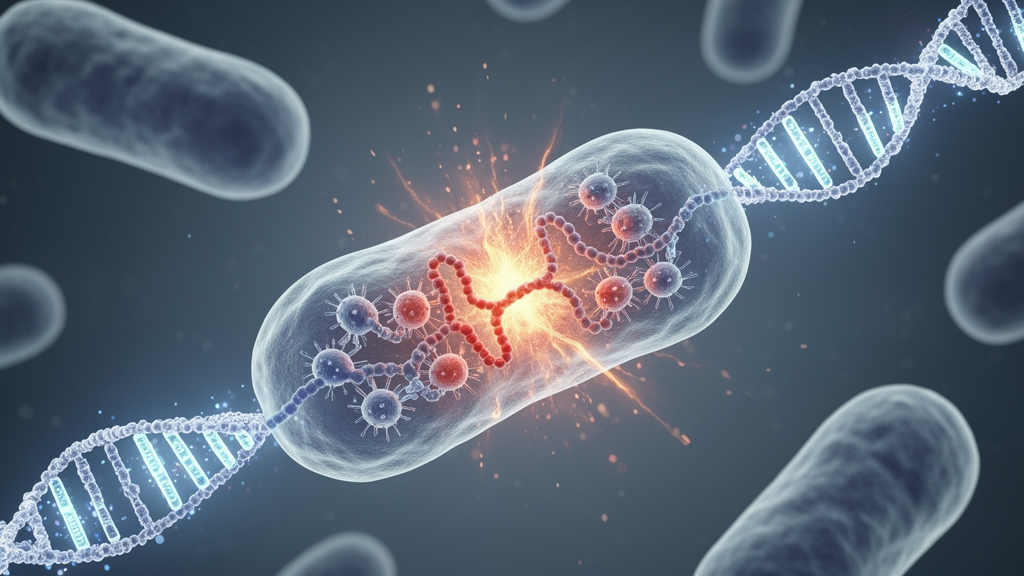
Researchers worldwide are searching for ways to stay ahead of these rapidly changing microbes. One promising strategy is not to invent a completely new antibiotic, but to help existing drugs work again. This is the idea behind antibiotic adjuvants, which are companion molecules that do not kill bacteria directly but instead restore the power of antibiotics.
Building New Molecules to Speed Drug Discovery
Professor John Moses and his team at Cold Spring Harbor Laboratory (CSHL) have spent years developing chemical reactions that can make the drug discovery process faster and more efficient.
The researchers use a technique called diversity oriented clicking (DOC), which was created in the Moses laboratory. With this method, they have built a library containing more than 150 different compounds. Molecules from this collection have already contributed to research on both antibiotic resistance and cancer.
Now, through a collaboration with Scripps Research, the library has helped scientists restore the effectiveness of vancomycin. This powerful antibiotic is commonly used against severe infections, including those caused by MRSA and Clostridium difficile (C. diff). Both pathogens can develop resistance and become "superbugs" that evade frontline drugs such as vancomycin. They can then spread through hospitals, nursing homes, and communities.
Restoring Vancomycin Against Resistant Bacteria
In the new study, scientists from the Moses laboratory at CSHL worked with Professor Howard Hang's team at Scripps to identify a way to make vancomycin effective again.
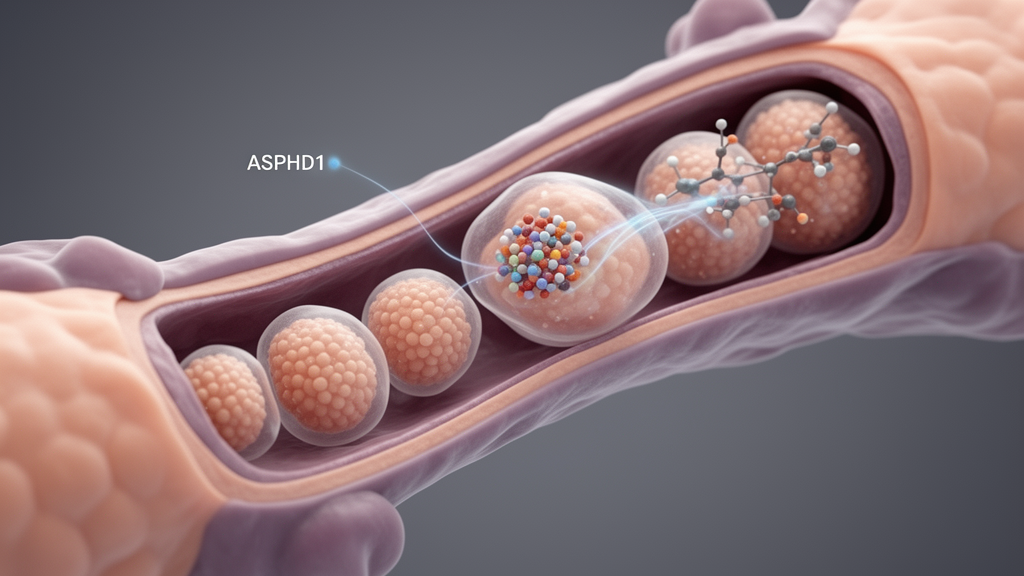
The researchers targeted a bacterial enzyme called secreted antigen A (SagA). They blocked the enzyme using a small molecule known as pghi-4, which was first discovered in the Moses laboratory in 2020.
When drug-resistant E. faecium was treated with both vancomycin and pghi-4, the antibiotic regained its ability to kill the bacteria.
For Moses, one of the most notable parts of the finding is that the research did not begin as a direct search for a new antibiotic.
"This discovery came from fundamental chemical research," he explains. "Reaction development led to the discovery of the first inhibitor of an important enzyme involved in antibiotic resistance. This is a process we're constantly refining to both keep our library of molecules up to date and add more for collaborators to take advantage of in their research."
A Broader Strategy Against Superbugs
By making the molecular library available to other researchers, the team hopes similar approaches could eventually lead to treatments for additional drug-resistant infections. These could include resistant forms of tuberculosis.
"This work reflects a philosophy of chemistry that's designed to accelerate drug discovery in its purest form," says Moses. "By using reliable, robust, and intelligent chemical reactions, we can build new molecules more efficiently. That's exactly the approach we used here."
As antibiotic resistance grows around the world, the findings show that important medical advances may come from rethinking the chemistry of drugs that already exist. A future treatment may begin not with a new antibiotic, but with a carefully designed molecule that helps an old one work again.
Funding
National Institutes of Health, National Cancer Institute, Australian Research Council, New York State Biodefense Commercialization Fund, F.M. Kirby Foundation, Starr Foundation












 English (US) ·
  French (CA) ·