

 1 day ago
18
PROTECT YOUR DNA WITH QUANTUM TECHNOLOGY
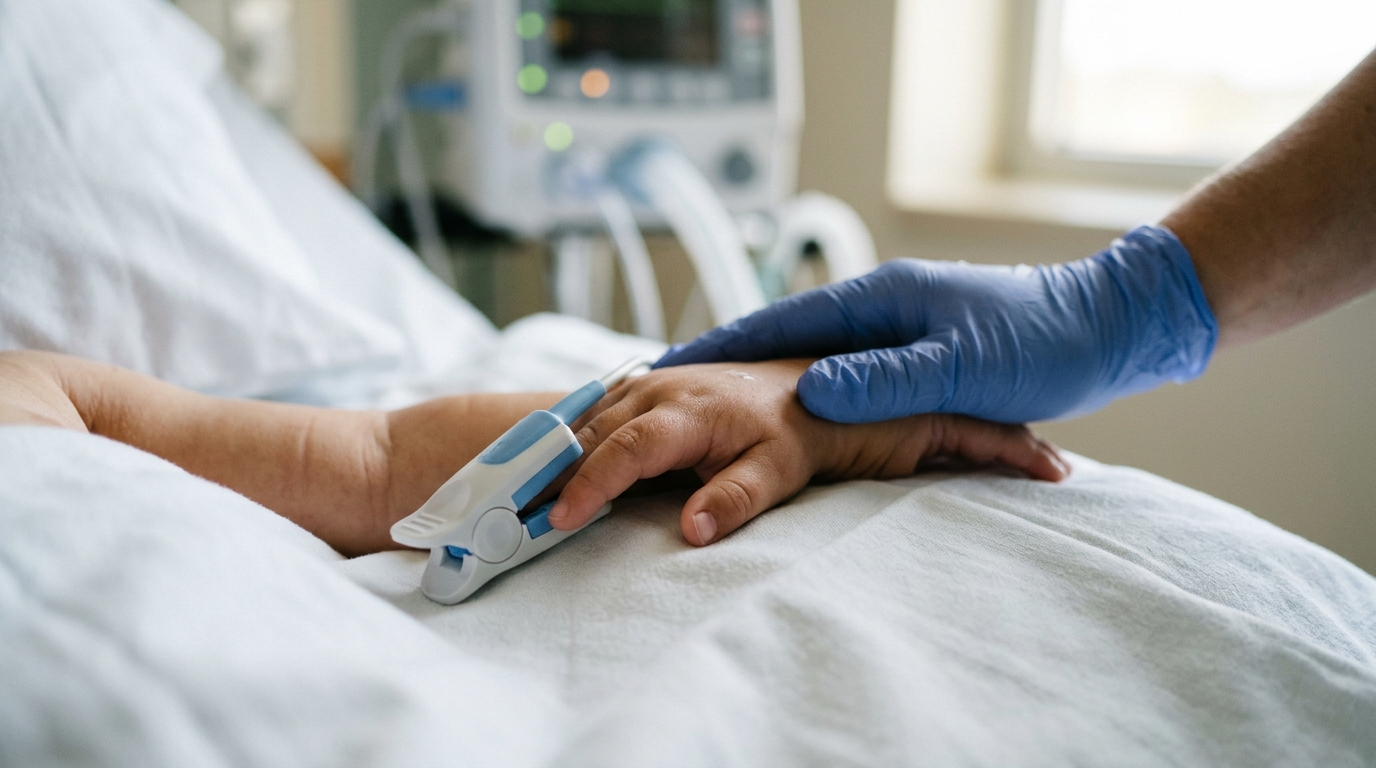
Orgo-Life the new way to the future Advertising by AdpathwayA scoping review synthesizing evidence on post-discharge home-based rehabilitation has mapped how environmental support strategies are integrated into transitional care for frail older adults seeking functional recovery and aging-in-place. The authors identified home-based rehabilitation as the foundational intervention, which is delivered alongside varying combinations of environmental supports tailored to patient needs and healthcare models.
Frail older adults frequently experience functional decline following hospitalization, which heightens the risks of long-term disability, readmission, institutionalization, and the loss of independence. Although home-based rehabilitation programs are widely implemented after hospital discharge to support recovery, the environmental support components embedded within these programs had not previously been comprehensively synthesized across the clinical literature.
The review was conducted following the Joanna Briggs Institute methodology, reported according to PRISMA-ScR guidelines, and prospectively registered on the Open Science Framework. Researchers systematically searched PubMed, Ovid MEDLINE, and CINAHL from database inception to June 23, 2026, extracting data with a standardized charting form for descriptive and narrative synthesis without formal critical appraisal of study quality.
Ten eligible studies published between 2008 and 2026 were identified across Europe, Asia, Australia, and North America, spanning randomized controlled trials, qualitative studies, observational analyses, pilot programs, feasibility trials, and service evaluations. Across these investigations, researchers mapped core home rehabilitation alongside five distinct environmental support domains: home assessment, home modification, assistive devices, caregiver support, and service coordination.
Home-based rehabilitation was the most consistently documented component across the included literature, followed by caregiver support and service coordination, while home assessment, assistive devices, and home modification were reported less frequently. The specific combinations of environmental support components varied based on participant characteristics, clinical needs, discharge pathways, and models of care, without showing a temporal progression toward integrated delivery. Because these interventions were typically implemented as multicomponent packages, the isolated effects of specific environmental strategies remain unclear, prompting the authors to call for standardized frailty definitions, harmonized outcome measures, and future research into long-term patient, caregiver, and implementation outcomes.
Methodological execution of the scoping review adhered to the Joanna Briggs Institute methodology and followed the PRISMA-ScR reporting guidelines, with the research protocol registered prospectively on the Open Science Framework. The systematic search examined PubMed, Ovid MEDLINE, and CINAHL from database inception to June 23, 2026, seeking studies of frail older adults receiving post-discharge home-based rehabilitation that incorporated at least one environmental support strategy. Data from eligible papers were extracted using a standardized charting form and synthesized through descriptive and narrative methods. In accordance with established recommendations for scoping reviews, the authors did not undertake a formal critical appraisal of study quality, focusing instead on mapping the existing evidence and identifying knowledge gaps for future research.
The ten studies meeting the inclusion criteria were published between 2008 and 2026 and represented diverse healthcare systems across Europe, Asia, Australia, and North America. These publications reflected a broad range of investigative approaches, employing randomized controlled, qualitative, observational, pilot, feasibility, and service evaluation designs. Across these diverse healthcare contexts and research designs, the synthesis identified six distinct intervention and support components, categorizing home-based rehabilitation as the primary rehabilitation core alongside five specific environmental support domains: home assessment, home modification, assistive devices, caregiver support, and service coordination.
The frequency with which these six components were documented varied considerably throughout the included literature. Home-based rehabilitation emerged as the most consistently reported component across the examined programs, followed in reporting frequency by caregiver support and service coordination. Conversely, environmental domains involving home assessment, assistive devices, and home modification appeared less frequently across the eligible studies. Furthermore, the combination of environmental support strategies did not follow a consistent temporal progression toward increasingly integrated approaches over time. Instead, the specific mix of environmental components varied from study to study according to participant characteristics, clinical needs, discharge pathways, and models of care.
In their conclusions, the review authors emphasized that while home-based rehabilitation serves as the foundation of post-discharge care for frail older adults, the individual contributions of specific environmental support components remain unclear because they are typically delivered as multicomponent interventions. Because these environmental strategies are bundled together within complex programs, determining the isolated impact of any single strategy presents a persistent challenge in the current body of evidence.
To resolve these uncertainties and build a stronger evidence base for integrated post-discharge rehabilitation, the review identified several critical priorities for future investigation. The researchers recommended that upcoming studies establish standardized frailty definitions and harmonized outcome measures, directly evaluate the effectiveness of individual environmental support strategies, and systematically investigate long-term patient, caregiver, and implementation outcomes.
Subject of Research: Post-discharge home-based rehabilitation and environmental support strategies for frail older adults
Article Title: Post-discharge home-based rehabilitation for frail older adults a scoping review of environmental support strategies for functional recovery and aging-in-place
Article References: Cheng, M.-L., Chuang, Y.-T., & Chen, T.-A. (2026). Post-discharge home-based rehabilitation for frail older adults a scoping review of environmental support strategies for functional recovery and aging-in-place. BMC Geriatrics. https://doi.org/10.1186/s12877-026-08669-z
Image Credits: AI Generated
DOI: 10.1186/s12877-026-08669-z
Keywords: frail older adults, home-based rehabilitation, post-discharge care, environmental support, aging in place, caregiver support, assistive devices, scoping review, Post-discharge, home-based, rehabilitation, frail













 English (US) ·
 French (CA) ·