

PROTECT YOUR DNA WITH QUANTUM TECHNOLOGY
Orgo-Life the new way to the future Advertising by Adpathway






Latest Posts
- Skeptical Science New Research for Week #48 2026
- Climate Trunk - Economics
- Fact brief - Are wind turbines a leading cause of bird deaths?
- SkS Housekeeping: Updating the 'Global Warming Components' Graphic
- 2026 SkS Weekly Climate Change & Global Warming News Roundup #47
- Skeptical Science New Research for Week #47 2026
- We can’t decarbonize if we can’t build
- 12 free reports about climate change for COP31
- The fix is still in
- 2026 SkS Weekly Climate Change & Global Warming News Roundup #46
- Skeptical Science New Research for Week #46 2026
- Oil companies spent over $2 million on Meta ads in the lead-up to the midterms
- Fact brief - Does solar development eliminate more U.S. jobs than it creates?
- Missing the boat on extreme event attribution
- 2026 SkS Weekly Climate Change & Global Warming News Roundup #45
- Skeptical Science New Research for Week #45 2026
- Mitch McConnell’s climate legacy
- Climate change helps insects devour more crops even as farmers spray more pesticides
- Off-grid data centers have 60-80% higher emissions
- 2026 SkS Weekly Climate Change & Global Warming News Roundup #44
- Skeptical Science New Research for Week #44 2026
- Climate change plus a super El Niño could add up to a record-wet winter for California
- Fact brief - Do nearby wind turbines decrease home values by an average of 75%?
- How not to detect warming acceleration
- 2026 SkS Weekly Climate Change & Global Warming News Roundup #43
- Skeptical Science New Research for Week #43 2026
- As El Niño fuels drought in Panama, trees help ranchers maintain their water supply
- Climate Trunk - Daily Life
- The strongest El Niño in a thousand years?
- 2026 SkS Weekly Climate Change & Global Warming News Roundup #42

Skeptical Science New Research for Week #48 2026
Posted on 26 November 2026 by Doug Bostrom, Marc Kodack
Open access notables
 Large Projected Increase in Cloud-to-Ground Lightning Under Future Climate, Krause et al., Earth s Future
Cloud-to-ground (CG) lightning poses significant risks to infrastructure, people, and ecosystems. However, while many studies have projected changes in total lightning under warming, future trends in CG lightning remain poorly constrained. Here, we combine ground-based CG lightning observations with six daily surface meteorological variables (mean temperature, total precipitation, short-wave radiation, relative humidity, pressure, wind speed) to predict CG lightning density over land at 0.5° resolution using an XGBoost machine learning model. The model accurately captures contemporary spatial and temporal lightning patterns and outperforms an alternative multiple linear regression model as well as three existing parameterizations based on convective precipitation or convective available potential energy times precipitation. Applying the XGBoost model to historical climate shows a 11% increase in global CG lightning frequency over the 20th century. Future projections using outputs from two climate models (MPI-ESM1-2-HR and UKESM1-0-LL) reveal large increases of 76%–140% under a high-emission scenario (SSP3-7.0), equivalent to roughly 30% more CG lightning per degree of global warming. These increases are substantially higher than those projected by the linear model and previous studies. Absolute increases are largest in the tropics, while relative increases are largest at high latitudes, where lightning density often more than doubles. The largest uncertainties emerge in the tropics for UKESM1-0-LL climate, particularly in the Amazon and New Guinea, where future climate differs strongly from current conditions. Our results suggest that climate change may substantially amplify CG lightning frequency, underscoring the need for improved risk assessments.
Historical Nansen Cast Temperature Profiles and the Ocean Heat Content Change since 19th Century, Gouretski et al., Earth system science data
Ocean heat content (OHC) estimates rely on subsurface temperature observations whose abundance, quality, and accuracy have changed over time as oceanographic techniques and methods have developed. The majority of the available global OHC time series begins in the 1950s when the International Geophysical Year 1957-1958 (IGY) observational campaign resulted in a rapid improvement of the observational basis. However, a significant amount of subsurface temperature observations had already been accumulated before the IGY. Extending knowledge back in time beyond current estimates provides further insight into global changes in the ocean-atmosphere system. We perform a three-step quality control (QC) of the Nansen cast temperature profiles with a focus on the time period before 1970. The QC includes automated and manual control of temperature observations, along with the quality control of temperature anomalies. We use the World Ocean Circulation Experiment/Argo Global Hydrographic climatology, based on high-quality temperature observations between 1990 and 2025, as the reference. To interpolate temperatures vertically, we use the temperature anomaly method by Frankignoul (1981). This method yields smaller interpolation errors than linear interpolation and the Reiniger and Ross (1968) parabolic method. Corrections for depth bias in Nansen cast profiles are also suggested. The oldest temperature profiles from the 1870s are treated separately, with the data from the “Challenger” expedition used as reference. Finally, we estimate the OHC changes between the 1870s and the 2020s for six selected multi-year time periods.
A multi-decadal dataset of surface damage on Antarctic ice shelves (1999–2024), Tang et al., Earth system science data
Many Antarctic ice shelves have undergone accelerated thinning and retreat in recent decades, weakening their buttressing effect on grounded ice and increasing the risk of further sea-level rise. Surface damage, including crevasses, rifts and heavily fractured areas, is an important indicator of ice shelf structural integrity, but there is limited understanding of its long-term evolution across Antarctic ice shelves. Here we present a new surface damage dataset for nine representative Antarctic ice shelves, derived from Landsat optical imagery covering the period 1999–2024. These ice shelves include Amery, Brunt, Crosson, Dotson, Holmes, Pine Island, Scar Inlet, Thwaites and Totten, and encompass a range of change behaviours from relatively stable to rapidly changing systems. A deep-learning image segmentation model was trained on a manually annotated dataset from diverse Antarctic ice shelves to automatically map surface damage. To extend the usable record, Landsat 7 scan-line-corrector-off imagery was restored using a diffusion-model-based framework fine-tuned for Antarctic imagery. The final dataset contains 170 surface damage maps at 30 m resolution, each representing a single ice shelf for a specific year. Temporal coverage varies among ice shelves owing to differences in the availability of usable imagery. Evaluation on two independent test sets indicates that the model generalizes well across spatially distinct and cross-sensor settings. The dataset demonstrates good multi-temporal consistency, supporting its use for time-series analysis. Among the nine ice shelves, Pine Island, Thwaites and Scar Inlet show the most pronounced surface damage changes during the study period. Compared with existing studies, this dataset provides improved temporal continuity over multi-decadal timescales at substantially finer spatial resolution, offering new insights into the long-term evolution of Antarctic ice shelves and contributing to a better understanding of ice shelf instability.
Heat-related mortality attributable to human-induced climate change: findings from the 100 Million Brazilian Cohort, Vosper et al., The Lancet Planetary Health
We can attribute 0·89°C (90% CI 0·62–1·16) of heating in Brazil throughout 2000–18, relative to a 1961–90 baseline, to human-induced climate change. The nationwide percentage of heat-related deaths attributable to climate change in the 100M Cohort was estimated to be 51·1% (95% CI 34·8–74·9), meaning that around 75 800 heat-related deaths (95% CI 20 151–170 529) occurred in the 100M Cohort, equivalent to 2·2% (95% CI 0·6–4·9) of total non-accidental deaths. We found that extreme heat exposure causes a greater proportion of climate-attributable heat deaths than moderate heat exposure in most of Brazil’s immediate geographical regions. Lastly, using the same parameters applied for the 100M Cohort, 43·7% (95% CI 27·6–71·1) of heat-related deaths in the whole Brazilian population are estimated to be attributable to climate change, broadly consistent with the Cohort-based estimate.
From this week's government/NGO section:
Solar Radiation Management: A Climate Tool with Geopolitical Implications, Xavier Landes, Center for Energy and Climate
Solar radiation management (SRM) could help cushion a climate overshoot, buying time to scale up mitigation and carbon dioxide removal (CDR). Weak governance and low awareness may precipitate climate dominance by major powers, particularly at the expense of the Global South and marginalized communities. Stratospheric aerosol injection (SAI) in particular could be rapidly deployed at scale despite high risks, with the Arctic region as a likely testing ground. France and the European Union should adopt a clear stance on SRM, establishing common institutions and regulations.Planetary Power: Geoengineering and the New Geopolitics of Climate Intervention, Lazard et al., Carnegie Endowment for International Peace
Geoengineering is becoming a geopolitical question as much as a climate one. The way states and the private sector pursue these technologies, assess risks, and drive research increasingly appears focused on gaining a strategic edge. In a field where governance in lagging behind, Europe should keep track of the geopolitical implications if it is to develop effective regulatory frameworks.Climate Populism. Breaking the grip of right-wing populism through a new politics of crisis resilience, Rupert Read and Caroline Lucas, Climate Majority Project
Responding locally to climate impacts does not mean giving up on global prevention of climate breakdown. Far from it: resilience approaches that speak to deep economic anxieties can help ecologically sound policy lose the taint of culture war and become popular among people long alienated from climate politics. Embedded in efforts to make community life more secure and fulfilling, they can revive local agency and collective cause, dismantling barriers to action. This is what the authors mean by climate popularism. It is already alive at the grassroots: communities large and small leading the way, innovating and investing in local restoration of social fabric, system change, energy resilience, nature protection and more. Now it must urgently be elevated to a nationwide strategic priority. The authors offer a rationale for this renewed approach.98 articles in 53 journals by 676 contributing authors
Physical science of climate change, effects
Concurrent atmospheric phenomena amplify precipitation extremes under anthropogenic climate change, Wu et al., Nature Climate Change 10.1038/s41558-026-02805-8
Decomposing drivers of global temperature change after net zero, Högner et al., Environmental Research Letters Open Access pdf 10.1088/1748-9326/aebc9e
Southern Hemisphere sudden stratospheric warmings continue to be relevant under global warming, Bischof et al., Atmospheric chemistry and physics Open Access 10.5194/acp-26-16821-2026
Subsurface marine heat surge produces delayed climate impacts in the North Pacific, Wan et al., Communications Earth & Environment Open Access pdf 10.1038/s43247-026-04223-2
The Role of Upper–Deep Ocean Heat Exchange in Shaping Warming Patterns and Climate Feedbacks in CMIP6 Models, Duan et al., Journal of Climate 10.1175/jcli-d-25-0738.1
Most cited from this section, published 2 years ago: Ozone trends and their sensitivity in global megacities under the warming climate, Nature Communications, 10.1038/s41467-024-54490-w 129 cites.
Observations of climate change, effects
Arctic sea ice decline amplifies extreme wave exposure for the northernmost Canadian Inuit community, Baudry et al., Communications Earth & Environment Open Access pdf 10.1038/s43247-026-04146-y
Observed long-term changes in global tropopause characteristics, Lackner et al., Annales Geophysicae Open Access pdf 10.5194/angeo-29-2147-2011
Most cited from this section, published 2 years ago: Accelerated Historical and Future Warming in the Middle East and North Africa, Journal of Geophysical Research Atmospheres, 10.1029/2024jd041625 57 cites.
Instrumentation & observational methods of climate change, effects
Historical Nansen Cast Temperature Profiles and the Ocean Heat Content Change since 19th Century, Gouretski et al., Earth system science data Open Access 10.5194/essd-18-8693-2026
Homogenization of daily temperature series: addressing radiation shield biases in the Padua area (1963–2025), Stefanini et al., Frontiers in Earth Science Open Access pdf 10.3389/feart.2026.1960335
The World's Longest Lake Ice Break-Up Chronology: Capturing Precise Late-Winter and Spring Temperatures in Central Scandinavia Since 1693, Skoglund et al., Geophysical Research Letters Open Access pdf 10.1029/2026gl123420
Modeling, simulation & projection of climate change, effects
Attributing projected evapotranspiration and runoff changes to CO2 effect pathways under increasing atmospheric CO2 across global large river basins, Xu et al., Environmental Research Letters Open Access 10.1088/1748-9326/aec312
Global patterns and robustness of multi-indicator heat–drought climatic exposure across forest and cropland ecosystems under CMIP6 projections, Sarli & Marapao, Global and Planetary Change 10.1016/j.gloplacha.2026.105810
Land Temperature Sensitivity to the Extreme Oceanic Conditions of 2023 in CESM2, Liang et al., Geophysical Research Letters Open Access pdf 10.1029/2026gl125984
Large Projected Increase in Cloud-to-Ground Lightning Under Future Climate, Krause et al., Earth s Future Open Access 10.1029/2026ef008820
Quantifying Historical Tropical Cyclone-Heat Compound Events Using Global Climate Models, Frucht et al., Journal of Geophysical Research Atmospheres Open Access pdf 10.1029/2026jd047940
Most cited from this section, published 2 years ago: Atlantic Meridional Overturning Circulation slowdown modulates wind-driven circulations in a warmer climate, Communications Earth & Environment, 10.1038/s43247-024-01907-5 27 cites.
Advancement of climate & climate effects modeling, simulation & projection
Assessing Regional Projections of Marine Climatic Impact-Drivers Using Coordinated Ensembles: Framework and Application to the Mediterranean Sea, Berrocal et al., Earth s Future Open Access pdf 10.1029/2026ef009349
Pangu-Weather Underestimates the 2019 European Summer Heat Wave: A Storyline Comparison with ICON, Namdev et al., Journal of Climate 10.1175/jcli-d-26-0093.1
Revisiting the Signal-to-Noise Paradox in Climate Predictions: An Extended Mathematical Framework, Takaya et al., Geophysical Research Letters Open Access pdf 10.1029/2026gl125971
Statistical Framework for Selection and Ensembling of CMIP6 Global Climate Models for Basin-Scale Climate Variable Projections in the Indian Subcontinent, Rahman & Pekkat, International Journal of Climatology 10.1002/joc.70681
Towards a global database on building architecture and construction materials for urban climate models, Araujo et al., Earth system science data Open Access 10.5194/essd-18-8713-2026
Most cited from this section, published 2 years ago: Revisiting the “East African Paradox”: CMIP6 Models Also Struggle to Reproduce Strong Observed Long Rain Drying Trends, Journal of Climate, 10.1175/jcli-d-24-0225.1 18 cites.
Cryosphere & climate change
A multi-decadal dataset of surface damage on Antarctic ice shelves (1999–2024), Tang et al., Earth system science data Open Access pdf 10.5194/essd-18-8591-2026
A Sustained High Growth Regime After Collapse of the Arctic Sea Ice Volume Feedback, Mellor et al., Geophysical Research Letters Open Access pdf 10.1029/2026gl125585
An accurate present-day model of the Antarctic ice sheet is necessary but insufficient for an accurate projection of its future evolution, Berends et al., The Cryosphere Open Access pdf 10.5194/tc-20-6883-2026
Climate and glacier geometry dominate global glacier–lake interactions, Zhao et al., Nature Climate Change 10.1038/s41558-026-02808-5
Cyclical high-magnitude lake drainage slows Greenland ice sheet motion, Wang et al., Nature Communications Open Access 10.1038/s41467-026-79659-3
Detecting Climate Change Trends in a Snow-Dominated Mediterranean Watershed, Andraos & El-Kareh, International Journal of Climatology Open Access 10.1002/joc.70682
Historical and future climate niche of Colombian glaciers: A multi-statistical analysis, Reyes et al., PLOS Climate Open Access 10.1371/journal.pclm.0001019
Redistribution of frost weathering across Spain under recent climate warming, Martínez-Martínez et al., Zenodo (CERN European Organization for Nuclear Research) Open Access 10.5281/zenodo.18851329
Regional September Sea Ice Growth Associated With the Post-2007 Slowdown in Arctic Sea Ice Decline, Yang et al., Journal of Geophysical Research Atmospheres Open Access pdf 10.1029/2026jd047585
The Shift from Dry to Warm Dominance in Snow Drought on the Tibetan Plateau, Jiang et al., Journal of Climate 10.1175/jcli-d-25-0519.1
The World's Longest Lake Ice Break-Up Chronology: Capturing Precise Late-Winter and Spring Temperatures in Central Scandinavia Since 1693, Skoglund et al., Geophysical Research Letters Open Access pdf 10.1029/2026gl123420
Most cited from this section, published 2 years ago: Impact of climate change on snow avalanche activity in the Swiss Alps, The Cryosphere, 10.5194/tc-18-5495-2024 63 cites.
Sea level & climate change
Most cited from this section, published 2 years ago: Climate-Induced Saltwater Intrusion in 2100: Recharge-Driven Severity, Sea Level-Driven Prevalence, Geophysical Research Letters, 10.1029/2024gl110359 61 cites.
Paleoclimate & paleogeochemistry
Data-Driven Insights Into the Deterministic and Stochastic Dynamics of Atlantic Meridional Overturning Circulation Transitions, Wu et al., Geophysical Research Letters Open Access pdf 10.1029/2026gl124004
Estimating the impact of ice-sheet surface height and ice-divide variability on ice-core based climate reconstructions, Wirths et al., The Cryosphere Open Access 10.5194/tc-20-6855-2026
Biology & climate change, related geochemistry
A counterintuitive strategy: Enhanced cold sensitivity coupled with life cycle acceleration facilitates northward range expansion in an invasive plant, Zhou et al., Journal of Ecology Open Access pdf 10.1111/1365-2745.70506
Australian 2019–2020 megafire synthesis dataset, Driscoll et al., Ecology Open Access 10.1002/ecy.70629
Beyond temperate zones: insights from tropical systems to better understand global change, Gaughan et al., Animal Frontiers Open Access pdf 10.1093/af/vfy029
Cascading negative feedbacks stemming from marine heatwaves erode coral reef resilience, Brown et al., Ecology Open Access 10.1002/ecy.70586
Climate change diminishes dew lifeline across China’s arid ecosystems, Liu et al., Agricultural and Forest Meteorology 10.1016/j.agrformet.2026.111599
Climate-associated reductions in water volume alter bottom-up and top-down processes in a fishless Amazonian pond, Ferro et al., Ecology Open Access pdf 10.1002/ecy.70593
Correlates of extinction risk dynamics of mammals, Fornarini et al., Conservation Biology Open Access pdf 10.1111/cobi.70419
Disturbances and climate drive tree elevational shifts, Renwick et al., Journal of Vegetation Science 10.1111/jvs.12410
Future Phenology of Chinese Vegetation Is Mediated by Hot Drought Extremes, Ma et al., Geophysical Research Letters Open Access 10.1029/2026gl126490
Land Abandonment and Climate Warming Drove Two Centuries of Natural Forest Expansion in the Alps, Anselmetto et al., Global Change Biology Open Access pdf 10.1111/gcb.71204
Making Climate-Aligned Anchor Species More Representative, Parab & Habib, Conservation Letters Open Access pdf 10.1111/con4.70100
Phytoplankton Dynamics in the Antarctic Seasonal Sea Ice Zone Under Large-Scale Climate Forcing, Prakash et al., Journal of Geophysical Research Oceans Open Access pdf 10.1029/2026jc025112
Plankton ecological complexity amplifies climate-driven weakening of the ocean biological pump, Lin et al., Nature Communications Open Access pdf 10.1038/s41467-026-79817-7
Seasonal effects of simulated marine heatwaves on temperature-dependent growth performance, Evans et al., Science Advances Open Access 10.1126/sciadv.aef6804
The sensitivity of tree growth to summer precipitation shifts along a climate gradient in temperate forests of Nova Scotia, Leduc et al., Agricultural and Forest Meteorology Open Access 10.1016/j.agrformet.2026.111643
The Spatial Scaling of Species' Climatic Niche Geometry, Santos et al., Perspectives in Plant Ecology Evolution and Systematics 10.1016/j.ppees.2015.01.002
Warming decreases and dominant species removal increases subdominant plant biomass consistently across a growing season, Vought et al., Ecology Open Access 10.1002/ecy.70640
Most cited from this section, published 2 years ago: A global overview of marine heatwaves in a changing climate, Communications Earth & Environment, 10.1038/s43247-024-01806-9 224 cites.
GHG sources & sinks, flux, related geochemistry
4D Aviation Emission Inventory Data of China estimated with QAR data in 2023 (4D-AEID-2023), Lu et al., Earth system science data Open Access pdf 10.5194/essd-18-8617-2026
Characteristics of urban CO2 fluxes and the impacts of anthropogenic and green spaces on its source-sink relationship transformation in Shenzhen, Hu et al., Atmospheric Environment 10.1016/j.atmosenv.2026.122513
Greenhouse gas responses to coastal wetland land use change vary by ecosystem and conversion pathway, Wang et al., Nature Communications Open Access pdf 10.1038/s41467-026-79685-1
Mountain carbon budgets miss cryosphere hazard events, Song et al., Frontiers in Environmental Science Open Access pdf 10.3389/fenvs.2026.2008881
Persistence of High Methane Emissions from Poyang Lake Floodplain Wetlands of China During Extreme Drought, Wang et al., Chinese Geographical Science 10.1007/s11769-026-1683-x
Plankton ecological complexity amplifies climate-driven weakening of the ocean biological pump, Lin et al., Nature Communications Open Access pdf 10.1038/s41467-026-79817-7
Recent Changes in Global Ocean N2O Fluxes and Their Relationship to Ocean Climate Variability, Potter, BioScience 10.2307/1313568
Response and stability analysis of soil organic carbon in different ecosystems of China under climate warming gradient scenarios, Feng et al., Frontiers in Environmental Science Open Access pdf 10.3389/fenvs.2026.1973437
Spatiotemporal dynamics of terrestrial net ecosystem productivity in China during 2001–2020 and its association with potential evapotranspiration, Zhang et al., Frontiers in Environmental Science Open Access pdf 10.3389/fenvs.2026.1969507
Most cited from this section, published 2 years ago: Soil carbon in the world’s tidal marshes, Nature Communications, 10.1038/s41467-024-54572-9 110 cites.
CO2 capture, sequestration science & engineering
Impact of Sulfate Ions on CO2 Mineralization in Brines Containing Calcium and Magnesium, Yekeen & Al-Yaseri, Greenhouse Gases Science and Technology 10.1002/ghg.70057
Techno-Economic Assessment of AMP/PZ Solvent for Industrial-Scale CO2 Capture From a Refinery Power Plant, Mustapha et al., Greenhouse Gases Science and Technology Open Access 10.1002/ghg.70054
The M4 Earthquakes Induced by the Quest Carbon Capture and Storage Project, Schultz et al., Geophysical Research Letters Open Access pdf 10.1029/2026gl126186
Most cited from this section, published 2 years ago: Public demand for carbon capture and storage varies with information, development magnitude and prior familiarity, Communications Earth & Environment, 10.1038/s43247-024-01900-y 12 cites.
Decarbonization
A climate-resilient suitability framework for strategic offshore wind development in the Indian EEZ under CMIP6 climate scenarios, Basak et al., Discover Sustainability Open Access 10.1007/s43621-026-05317-9
Environmental and material implications of global climate mitigation pathways, Menacho et al., Nature Energy Open Access pdf 10.1038/s41560-026-02171-x
Most cited from this section, published 2 years ago: Carbon footprint distributions of lithium-ion batteries and their materials, Nature Communications, 10.1038/s41467-024-54634-y 192 cites.
Geoengineering climate
Most cited from this section, published 2 years ago: From informal to formal governance of solar radiation management, Climate Policy, 10.1080/14693062.2024.2430688 18 cites.
Aerosols
New processes to counteract sedimentation of coarse dust particles are required for climate models to agree with aircraft observations, Ratcliffe et al., Atmospheric chemistry and physics Open Access pdf 10.5194/acp-26-16779-2026
Sea salt aerosols from blowing snow: contributions to radiative forcing, Nordling et al., Atmospheric chemistry and physics Open Access pdf 10.5194/acp-26-16583-2026
Transient Adjustment of the Coupled Ocean–Atmosphere System to an Abrupt Change in Sulfur Dioxide Emissions over North America and Europe, Dong et al., Journal of Climate Open Access 10.1175/jcli-d-25-0577.1
Most cited from this section, published 2 years ago: Anthropogenic Aerosols Have Significantly Weakened the Regional Summertime Circulation in the Northern Hemisphere During the Satellite Era, AGU Advances, 10.1029/2024av001318 34 cites.
Climate change communications & cognition
Adapting minds to live with climate change, Moellendorf, Journal of Social Philosophy Open Access pdf 10.1111/j.1467-9833.2009.01447.x
Climate anxiety and pro-environmental behavior: Evidence from The Netherlands, Bogaerts et al., PLOS Climate Open Access pdf 10.1371/journal.pclm.0000954
Evaluation of age differences in climate policy support among Republicans voters, Rueda & Bugden, Environmental Sociology 10.1080/23251042.2026.2764168
Most cited from this section, published 2 years ago: The various forms of anger about climate change in Australia and their relations with self-reported actions, intentions, and distress, Journal of Environmental Psychology, 10.1016/j.jenvp.2024.102490 34 cites.
Agronomy, animal husbundry, food production & climate change
Climate warming-induced agricultural nitrous oxide emissions can offset mitigation benefits of fertiliser reduction, Jiang et al., Biogeosciences Open Access pdf 10.5194/bg-23-8537-2026
Climate-driven changes in fishing activity reshape threats to subsea cables, Clare et al., Climate Risk Management Open Access 10.1016/j.crm.2026.100917
Global greenhouse gas cobenefits of US irrigated agriculture, Ripple et al., BioScience Open Access pdf 10.1093/biosci/biaf149
Global Potential of Agrivoltaics: Agriculture-First and Radiation-Limited Analysis, Karimzadeh et al., Earth s Future Open Access 10.1029/2026ef009215
Underestimation of Future Agricultural Soil N2O Emissions and Abatement Needs, Lu et al., Global Change Biology Open Access 10.1111/gcb.70919
Most cited from this section, published 2 years ago: Soil pH Determines Nitrogen Effects on Methane Emissions From Rice Paddies, Global Change Biology, 10.1111/gcb.17577 54 cites.
Hydrology, hydrometeorology & climate change
Detecting Climate Change Trends in a Snow-Dominated Mediterranean Watershed, Andraos & El-Kareh, International Journal of Climatology Open Access 10.1002/joc.70682
Detecting stationarity in seasonal streamflow across North America and Europe: Roles of climate change and human activities, Xu et al., Agricultural and Forest Meteorology 10.1016/j.agrformet.2026.111614
Geophysics-informed hydrologic modeling reveals contrasting regolith and bedrock responses of headwater catchments to warming, Xiong & Chen, Science Advances Open Access 10.1126/sciadv.aeh0536
Greenland ice sheet retreat intensifies the African monsoon through a polar-tropical atmospheric teleconnection, Han et al., Nature Communications Open Access pdf 10.1038/s41467-026-79541-2
Increasing Spatial Unevenness of Dry-Wet Conditions With Global Warming, Li et al., Geophysical Research Letters Open Access pdf 10.1029/2026gl124797
Retreating glaciers and snow cover are amplifying summer droughts in the upper Adige River Basin (Italy), Shrestha et al., Natural hazards and earth system sciences Open Access pdf 10.5194/nhess-26-5941-2026
Viewing extreme precipitation intensification through an absolute-change lens, Ni et al., Environmental Research Letters Open Access pdf 10.1088/1748-9326/aec031
Most cited from this section, published 2 years ago: Assessing future flood risks in megacity suburbs under shared socioeconomic pathways (SSPs) scenarios: A case study of Beijing, Urban Climate, 10.1016/j.uclim.2024.102208 13 cites.
Climate change economics
Assessing the relationship between industrialization and CO2 emissions in Somalia, Abdihamid et al., Scientific Reports Open Access pdf 10.1038/s41598-026-80358-8
Climate change and economic disparities: Differentiated regional vulnerability in Europe, Avram et al., Global Environmental Change Open Access 10.1016/j.gloenvcha.2026.103260
The debt burden of tropical cyclones and climate change, Choi et al., Proceedings of the National Academy of Sciences Open Access pdf 10.1073/pnas.2603924123
The ergodicity assumption in statistical approaches to climate damages, Soysal, Philosophical Transactions of the Royal Society A Mathematical Physical and Engineering Sciences Open Access pdf 10.1098/rsta.2025.0165
Most cited from this section, published 2 years ago: Financing high-cost measures for deep emission cuts in the basic materials industry – Proposal for a value chain transition fund, Energy Policy, 10.1016/j.enpol.2024.114413 6 cites.
Climate change mitigation public policy research
A research agenda for integrating artificial intelligence in mitigation scenario workflows, Ngoc et al., Frontiers in Public Health Open Access pdf 10.3389/fpubh.2025.1721626
Carbon quota adequacy analysis and regulation strategy for coordinated electricity–carbon scheduling, Ma et al., Frontiers in Environmental Science Open Access pdf 10.3389/fenvs.2026.2000096
From knowledge generation to implementation pathways in support of the EU Mission on Adaptation to Climate Change, Paget et al., European Journal of Public Health 10.1093/eurpub/ckab022
Most cited from this section, published 2 years ago: Making soil carbon credits work for climate change mitigation, Carbon Management, 10.1080/17583004.2024.2430780 42 cites.
Climate change adaptation & adaptation public policy research
A Cascading Mechanism Associated with Compound Heatwave Duration and Electricity Demand in the Mid-Lower Reaches of the Yangtze River, Li et al., Weather and Climate Extremes Open Access 10.1016/j.wace.2026.100976
How do we know what we know about progress on climate adaptation? Unpicking the institutional epistemologies of monitoring and evaluation systems, Fisher et al., Global Environmental Change Open Access 10.1016/j.gloenvcha.2026.103257
Transformative adaptation to climate change: A conceptual analysis, Pham et al., Climate Risk Management Open Access pdf 10.1016/j.crm.2026.100916
Urban heat island assessment and cross-regional heat risk characteristics in Taiwan, Chen et al., Urban Climate 10.1016/j.uclim.2026.103221
Who is highly distressed and impaired by climate change? Cross-national cut-scores and a brief screener for population research, Hepp et al., Global Environmental Change 10.1016/j.gloenvcha.2026.103258
Who Migrates? Social Identity and the Limits of Climate Adaptation, Vallury et al., Earth s Future Open Access 10.1029/2026ef008486
Most cited from this section, published 2 years ago: Projections of multiple climate-related coastal hazards for the US Southeast Atlantic, Nature Climate Change, 10.1038/s41558-024-02180-2 42 cites.
Climate change impacts on human health
Extreme heat and wildfire smoke: Operational vulnerabilities and workforce strain in California healthcare facilities, Jones et al., PLOS Climate Open Access pdf 10.1371/journal.pclm.0001098
Operationalizing climate action and policy in U. S. healthcare, Vereen, Frontiers in Climate Open Access pdf 10.3389/fclim.2026.1969149
[Articles] Heat-related mortality attributable to human-induced climate change: findings from the 100 Million Brazilian Cohort, Vosper et al., The Lancet Planetary Health Open Access 10.1016/j.lanplh.2026.101538
Most cited from this section, published 2 years ago: Increases of Compound Hot Extremes Will Significantly Amplify the Population Exposure Risk Over the Mid–High Latitudes of Asia, International Journal of Climatology, 10.1002/joc.8689 1 citation.
Climate change & geopolitics
Most cited from this section, published 2 years ago: A conceptual framework for responding to cross-border climate change impacts, Environmental Science & Policy, 10.1016/j.envsci.2024.103949 18 cites.
Informed opinion, nudges & major initiatives
Build for the future climate — or waste trillions of dollars, Mishra, Nature 10.1038/d41586-026-03722-8
Articles/Reports from Agencies and Non-Governmental Organizations Addressing Aspects of Climate Change
Data Center Water and Electricity Consumption in Nevada, Erik Henzl and Sean McKenna, Division of Hydrologic Sciences, Desert Research Institute
The authors estimate water and electricity use that is calculated based on the size of proposed and under-construction data centers in the state and average resource use for existing and new technologies. The uncertainty around exact water and power usage remains a challenge for understanding their effects. Because the information is not available, the authors do not include the resource use of Nevada’s existing data centers. Nevada’s data center market has grown rapidly over just two years. Between 2024 and 2026, there has been a 180% increase in data center capacity requests and a 70% increase in data center load growth across the state. Data centers currently comprise just 5% of the local electric utility’s sales, but this number is expected to rise to 64% by 2046.The Electric Furnace Fix. How Replacing Air Conditioners with Heat Pumps Reduces Electric Heating Bills and Winter Peak Demand in the South, Antal et al., Regulatory Assistance Project and the American Council for an Energy-Efficient Economy
Across 14 Southern states, 7.85 million families heat their homes with classic electric furnaces and cool them with central air conditioners. Replacing these inefficient heating systems with heat pumps would dramatically reduce household utility bills and strain on the electric grid. Every air conditioner eventually breaks and needs to be replaced. When it does, installing a heat pump instead of another AC unit with electric resistance heating saves the household about $252 a year on electric bills and pays for itself in three years. Over 15 years, switching these households to heat pumps would save customers a cumulative $29.6 billion on their electric bills. Switching away from electric resistance heat would also help utilities and grid operators manage winter reliability. Across the region, if all 7.85 million households switched to a heat pump, it could shave 31.3 gigawatts off winter peak demand. That’s equivalent to more than 100 gas peaker plants running simultaneously. Utilities that use one or more of the policy recommendations discussed in this report can free up winter peak capacity at around a fifth of the cost of procuring new supply-side resources. To make the heat pump installation happen, decision-makers must remove barriers that prevent consumers from making the switch. The authors recommend heat pump incentive programs that can help close the gap and identifies five policy levers that regulators, utilities, and state and local policymakers can use togetherCalifornia has fallen 18 to 24 years behind its clean energy goal of 100% by 2045, Bernadette Del Chiaro and Richard McCann, Environmental Working Group
The authors found that California – seen as a leader on tackling climate change and advancing clean energy – has fallen over a decade and a half behind its 2045 goal of producing 100% of its electricity from clean sources like solar and wind. Even if the state returns to its historic pace of building clean energy on rooftops, as well as in greenfield locations, it will not achieve the goal until 2063 at the earliest. If the state’s rooftop solar market stays stuck at today’s depressed levels, the goal will not be met until 2069, more than two decades behind schedule.From Data to Resilience: A Shared Vision for a Coordinated, Data-Informed Water Future in California, The California Water Data Consortium
California manages water through a vast, fragmented system of agencies, jurisdictions, and monitoring programs with minimal coordination and insufficient data. These limitations in water information systems often leave decision-makers reacting to the impacts of floods, droughts, and water-quality threats instead of anticipating and preventing them. Integrated, interoperable information systems can help California achieve its priorities of safe, clean, and affordable water; lifesaving disaster preparedness and response; and sustainable agriculture and food production. Five foundational solutions include conducting a water regulatory and reporting alignment audit; designating a Water Insights Lead; creating a statewide feature identity registry; standing up a GenAI water advisory group, and expanding technical assistance.Keeping Mothers and Babies Safe from Extreme Heat: A Global Call to Action, Wellcome
Extreme heat is now one of the most immediate and visible health effects of climate change. Yet the risks it poses to pregnant women and newborns remain largely absent from climate adaptation, health policy and emergency planning. Extreme heat is linked to premature birth, low birth weight, stillbirth and maternal complications. Pregnant women and babies remain overlooked in many heat-health responses. Governments, international organizations and health systems must act now to protect them and build healthier, more resilient communities in a warming world.Federal Data Centers: Congress Has an Opportunity to Improve Agencies' Acquisition and Operations, Harris et al., Government Accountability Office
Of the 24 Chief Financial Officers Act agencies, 21 reported having data centers. Those 21 agencies varied in incorporating the Office of Management and Budget’s (OMB) five acquisition and operational requirements into the management and planning of their data centers. As of August 2026, none of the agencies had fully addressed all five requirements. For example, nine agencies reported using automated tools to monitor data center operations, but the documentation they provided did not always reflect this. In addition, for the five agencies with new data centers, all of them partially addressed the requirement to incorporate energy and water use into decision-making. Furthermore, many agencies reported meeting mission availability requirements, but did not demonstrate that they had a process for managing risks to determine the maximum tolerable duration and frequency of downtime for their data centers.A new vision for the Vertical Corridor: European energy security through infrastructure optimization, Benjamin Schmitt and Uliana Certan, Atlantic Council
The authors focus primarily on the geographical region comprising the nine nations that are now officially collaborating as members of the Vertical Corridor: a north-south gas transportation route that, as of November 2026, consists of Ukraine, Romania, Greece, Bulgaria, Hungary, Slovakia, Moldova, North Macedonia, and Serbia. However, the scope of this study has been deliberately broadened to include discussion of infrastructure initiatives that have been completed or are proposed and could effect the development of a robust gas market along this corridor, such as Poland to the north and Turkey to the south. The research includes interviews with dozens of current and former government energy and national security officials, commercial leaders, transmission and storage system operators, experts, and academics from along the entire Vertical Corridor region, as well as those supporting the region and broader European energy security objectives on both sides of the Atlantic.Environmental reporting and greenhouse gas inventory of the Norwegian defence sector for 2025, Kirkhorn et al., Norwegian Defence Research Establishment
The greenhouse gas inventory consists of reported fuel and energy use and emission factors associated with the various materials. Emissions from the defence sector’s activities were estimated to 264 512 tons of CO2-equivalents in 2025 in Scope 1 and 2, and 2 095 522 tons of CO2-equivalents when including indirect emissions not mandatory to reporting (Scope 3). Emissions in Scope 1 and 2 have increased by 2.4 % compared to 2024. There is a close relation between the demands and prerequisites which dictate the sector’s volume and pattern of activity and its total effect on the environment. It is therefore relevant to assess this effect in light of the tasks assigned to the defence sector within a dynamic political framework.The Climate Action Monitor 2026, Pizarro et al., The Organization for Economic Co-operation and Development
Extreme weather events are increasingly affecting communities, ecosystems and economic activity across many regions. The report tracks emissions trends, climate-related hazards and mitigation policies, providing comparable evidence to assess progress towards countries' climate objectives. The 2026 edition highlights more frequent and intense heatwaves and prolonged drought, with growing implications for health, infrastructure and economic activity. The authors also examine how recent emissions trends and medium-term targets relate to longer-term national objectives. While mitigation policies have continued to expand across all regions over the past decade, progress has slowed, and significant differences persist in the scope, stringency and composition of countries’ policy mixes.Bits and Power. An Energy-Digital Agenda for The Netherlands and Europe, van Schaik et al., Netherland Institute of International Relations/Clingendael
Electrification and digitalisation are closely interconnected domains where vulnerabilities exist, but they are also areas where Europe has significant strengths. The EU and the Netherlands are expanding policies and financial instruments to reduce cybersecurity risks and excessive dependency on foreign hardware and software suppliers, while also creating leverage over others. Policy focus should be placed in supporting innovation at home, fostering European ecosystems in the energy-digital nexus and help promising start-ups to scale up and compete globally.Planetary Power: Geoengineering and the New Geopolitics of Climate Intervention, Lazard et al., Carnegie Endowment for International Peace
Geoengineering is becoming a geopolitical question as much as a climate one. The way states and the private sector pursue these technologies, assess risks, and drive research increasingly appears focused on gaining a strategic edge. In a field where governance in lagging behind, Europe should keep track of the geopolitical implications if it is to develop effective regulatory frameworks.Resilient SAF Supply Chains for Fuel Security. Parliamentary Expert Testimony Position Paper, Irina Patrahau, The Hague Centre for Strategic Studies
The author outlines three priorities for the Netherlands and the EU including strengthening civil-military cooperation on fuel, build resilience into supply chains, and recognize alternative fuel plants as strategic dual-use assets.Bridging the Gap Between Climate Mobility Modeling and Policy Action, Ober et al., Carnegie Endowment for International Peace
While projecting numbers of migrants is important, the debate over accuracy has largely obscured an equally valuable question: “How do these numbers actually help policymakers make climate mobility policy?” In key stakeholder consultations with 19 participants across four policymaking groups—bilateral and philanthropic donors, national governments, urban and local planners, and activists and civil society—the authors asked how they had encountered climate mobility projections, what decisions those projections informed, and what they need from modeling that they do not currently get. They found consistent demand for things that current models are largely not built to deliver.The Blue Thread: Connecting the Rio Conventions through water security, Mukuyu et al., WaterAid, Sanitation and Water for All, and Stockholm International Water Institute
The authors set out how governments can use water security to put the Rio Conventions on climate change, biodiversity and desertification into practice together. The authors recommend aligning national plans and funding across the three UN treaties and tracking whether joint action improves access to safe, reliable water and sanitation.Non-State Armed Groups Operating in the Climate–Environment–Conflict Nexus, Rüttinger et al., Adelphi Research and the United Nations Institute for Disarmament Research
Climate change and environmental pressures worsen existing vulnerabilities and fragility in conflict settings, creating conditions in which non-state armed groups can emerge and grow. Non-state armed groups exploit climate-related hardships to recruit, operate and pursue their goals, with uneven local effects that remain largely unaddressed. When responses to non-state armed groups and climate challenges lack conflict and climate sensitivity, they can worsen vulnerabilities; integrated, evidence-based approaches are needed.Solar Radiation Management: A Climate Tool with Geopolitical Implications, Xavier Landes, Center for Energy and Climate
Solar radiation management (SRM) could help cushion a climate overshoot, buying time to scale up mitigation and carbon dioxide removal (CDR). Weak governance and low awareness may precipitate climate dominance by major powers, particularly at the expense of the Global South and marginalized communities. Stratospheric aerosol injection (SAI) in particular could be rapidly deployed at scale despite high risks, with the Arctic region as a likely testing ground. France and the European Union should adopt a clear stance on SRM, establishing common institutions and regulations.China’s Climate Leadership after Hormuz: How Should Europe Adjust?, John Seaman, French Institute of International Relations
The effective closure of the Strait of Hormuz in early 2026 offered an unplanned stress test of China’s approach to energy security, and China passed it far better than most expected. The episode demonstrated that the underlying risk of supply disruption is real, while validating a preference for resilience and resource security that has long underpinned Chinese energy and climate policy and has now been reinforced under the banner of building an “energy powerhouse.” That preference now anchors a three-part bid for climate leadership with Chinese characteristics: exporting China’s own manufacturing overcapacity as the world’s default supplier of affordable clean-energy hardware; expanding global demand for that technology while avoiding binding financial obligations of its own; and offering a rival, security-centered model of the energy transition against the Trump administration’s fossil-fuel-first “energy dominance” agenda. For Europe, which needs electrification for its' own energy security, this poses a difficult balance. China is indispensable to the climate transition, yet dependence on Chinese industry, and on Chinese-supplied digital components within energy systems, raises industrial and infrastructure concerns that shared climate goals cannot dissolve.Strategic Patience. Staying the Course in EU Energy and Climate Policy, Daniel Scholten, Clingendael Institute
Harmful short-termism puts EU energy and climate policy goals at risk and, in turn, EU's strategic objectives. Strategic patience advocates flexible pathways towards long-term goals in order to balance future and present needs. Strategic patience requires dedicated institutional solutions that enable flexible, but persistent policymaking, prepare for shocks and attention cycles, embed long-term thinking, and sustain progress towards long-term goals. The author aims to increase awareness on the importance of strategic patience for EU energy and climate policy.From Plans to Reality: The Future of Nuclear Energy in Central Europe, GLOBSEC
If all validated projects were built, they would cover 45% of the region’s 2025 electricity consumption, and national energy strategies count on most of this capacity being delivered. Only a tenth of planned capacity is under construction. Most of the rest sits at the early stages, where nuclear projects have historically been most likely to stall. Five of the six countries already operate nuclear power plants, with experienced workforces, mature regulators and high public support. American designs dominate new capacity, Russian designs account for only a tenth, and no European vendor is present. European suppliers can still capture much of the value beyond the reactor itself. Small modular reactors make up a quarter of planned capacity, but all projects remain in the basic preparatory stage.Harnessing the winds, Walter, Ember
This analysis adds onshore and offshore wind to Ember's solar and battery model. Region by region, hour by hour, over a decade of weather, it shows where wind lowers the cost of power delivered 80%, 90% and 99% of the time, how often solar and wind lulls coincide, what gas backup adds, how much wind each region could build and how the costs change to 2050.Home energy savings report 2026. Plug in and pay less, Harvey-Scholes, Rewiring Australia
The big switch to electric is accelerating across Australia. There is rooftop solar on 4out of every 10 homes across the country; in some states half of homes already run on solar. Every year, tens of thousands of homes install a heat pump which can use solar power to efficiently heat hot water. Since July 2025, more than 500,000 households have installed a home battery; people are adopting batteries even faster than they did solar. Then the fuel supply shock in March 2026 has triggered a deep change in the car market as households have bought up electric vehicles (EVs) to replace their petrol cars faster than they can be imported. In July and August 2026, battery-only EVs (i.e. excluding hybrids) eclipsed both petrol and diesel to become the best-selling fuel-type in Australia for the first time.The Parliamentarians’ Global Guide to Climate Change and Climate Solutions, University of Exeter, Arizona State University and the Inter-Parliamentary Union
The Guide brings together analysis from world-leading climate experts, giving policymakers reliable insights into climate change and its causes, effects, and solutions.Towards a Just Transition in the Built Environment, Just Transition Commission of Ireland
The authors call for fairer retrofit supports and stronger protections for renters and households experiencing energy poverty. The Government needs to accelerate the move away from fossil-fuel heating while ensuring that the benefits of warmer, healthier and more energy-efficient homes reach households and communities facing the greatest barriers. The authors set out eight recommendations covering retrofit funding, energy poverty, rental standards, workforce skills and community participation. With approximately 90 per cent of Ireland’s heat demand currently met by fossil fuels, the authors highlight the importance of accelerating building retrofit, improving energy efficiency and moving away from fossil fuel heating. However, they emphasize that the transition is occurring against a backdrop of significant pressures on housing supply, affordability and security, and that people have very different opportunities and resources to participate.Climate Populism. Breaking the grip of right-wing populism through a new politics of crisis resilience, Rupert Read and Caroline Lucas, Climate Majority Project
Responding locally to climate impacts does not mean giving up on global prevention of climate breakdown. Far from it: resilience approaches that speak to deep economic anxieties can help ecologically sound policy lose the taint of culture war and become popular among people long alienated from climate politics. Embedded in efforts to make community life more secure and fulfilling, they can revive local agency and collective cause, dismantling barriers to action. This is what the authors mean by climate popularism. It is already alive at the grassroots: communities large and small leading the way, innovating and investing in local restoration of social fabric, system change, energy resilience, nature protection and more. Now it must urgently be elevated to a nationwide strategic priority. The authors offer a rationale for this renewed approach.About New Research
Click here for the why and how of Skeptical Science New Research.
Suggestions
Please let us know if you're aware of an article you think may be of interest for Skeptical Science research news, or if we've missed something that may be important. Send your input to Skeptical Science via our contact form.
Previous edition
The previous edition of Skeptical Science New Research may be found here.
 Financial support from readers enables Skeptical Science to fulfill our mission of helping people to apply critical thinking skills in understanding and dealing with our problem of climate change. Visit our support page to join our other active contributors to smart decision-making about climate.
 0
 0






THE ESCALATOR
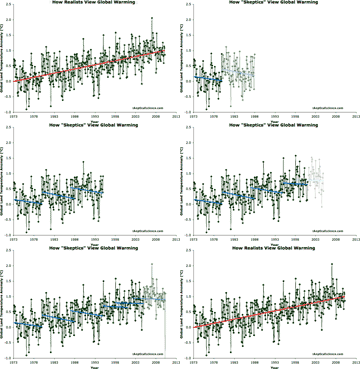
(free to republish)















 English (US) ·
 French (CA) ·