

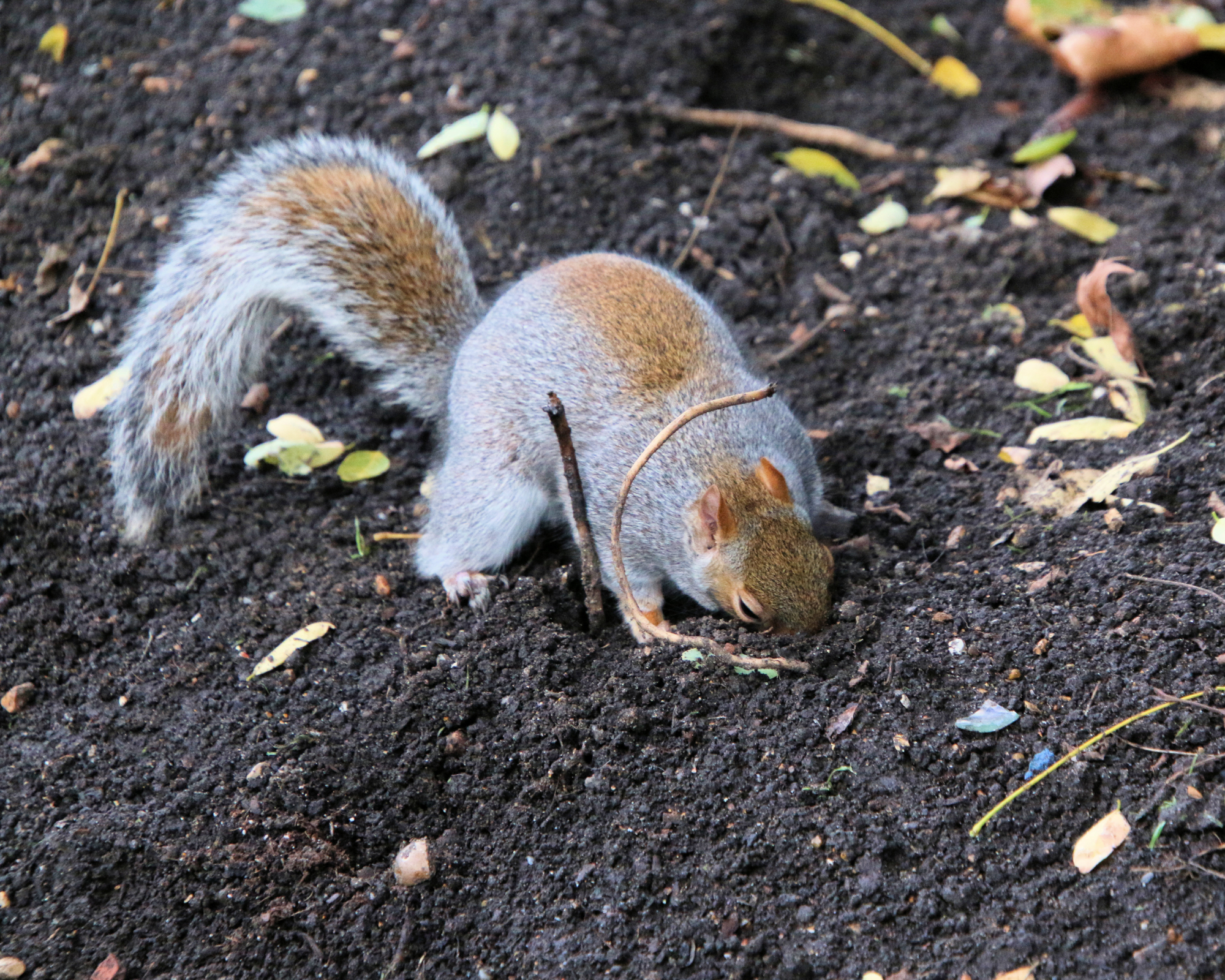
Freshly planted spring-flowering bulbs provide an easy feast for hungry garden critters as temperatures drop, and are often eaten before they even get a chance to grow roots. Tulip bulbs are always the first to be sniffed out as they taste sweet and provide the perfect high-calorie meal for chipmunks as well as squirrels. Crocus bulbs, too, are carb-rich favorites on the garden menu in fall.
If you’ve experienced squirrels digging up tulip bulbs, you’ll know what determined diggers they are. Gardeners are just as dogged, however, and popular tricks to protect spring-flowering bulbs include laying steel mesh or chicken wire over the top, disguising the appealing scent of tulip and crocus bulbs by planting unappetising allium bulbs alongside, and using bulb baskets. But there’s a far easier, cheaper and more effective way to stop squirrels eating bulbs, and it helps the bulbs grow well, too.
What’s more, this robust solution protects bulbs from rodents and other underground burrowers like voles, who also love to seek out this nutrient-dense food source in fall.
(Image credit: Getty Images)
The Secret Anti-Squirrel Ingredient
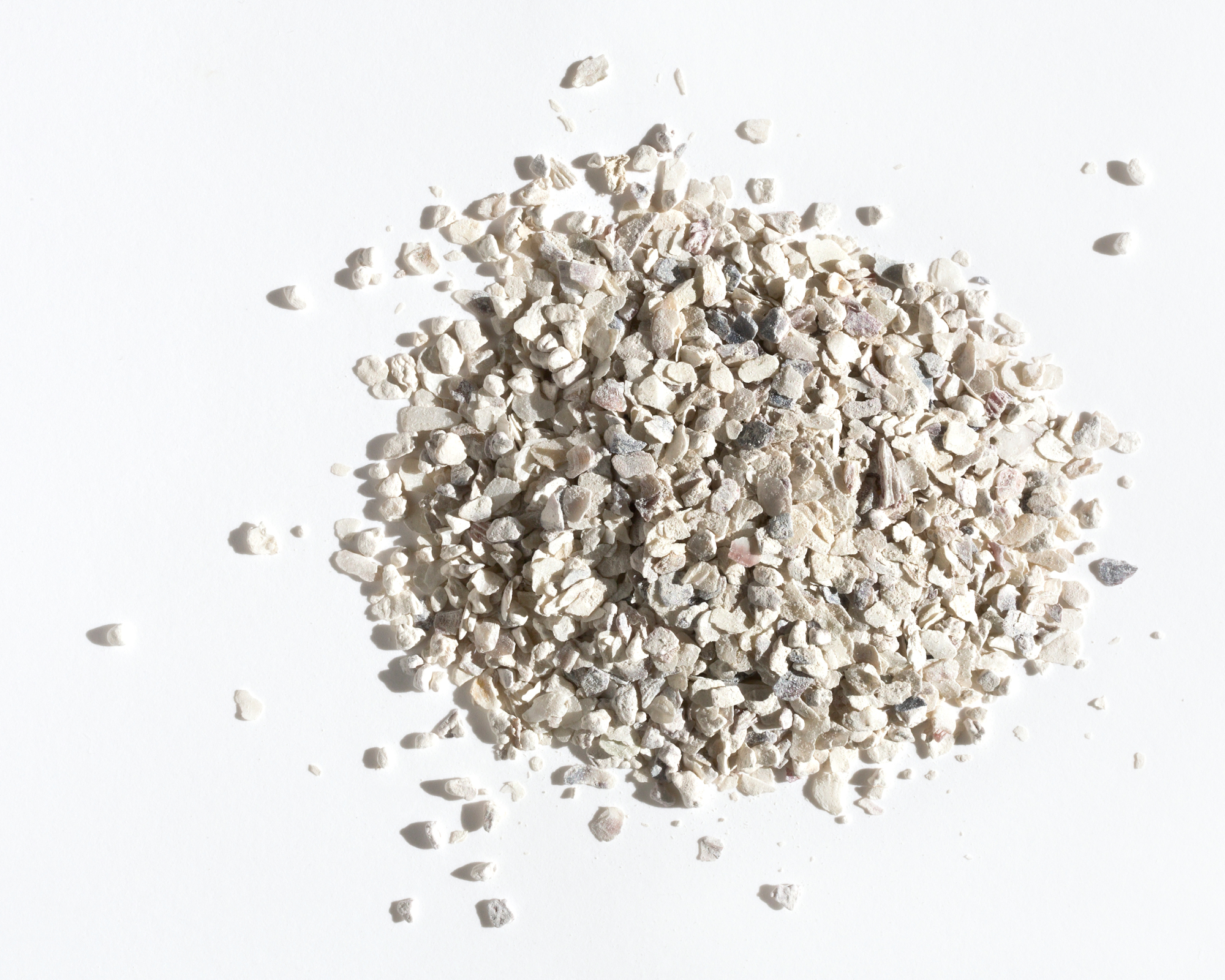
When you're planting bulbs in fall, the magic ingredient to keep these energy balls safe from squirrels is poultry grit made from crushed oyster shells. The sharp, jagged edges of crushed oyster shells means it's painful for paws to dig through, so it provides an effective barrier that stops critters eating tulip bulbs and even tempting crocus.
What's more, as well as keeping bulbs safe from sharp teeth this natural material improves soil drainage, making bulbs less likely to rot through wet winter weather. Crushed oyster shells also break down very slowly to provide plants with a steady supply of calcium, which supports strong root and stem growth.
(Image credit: Getty Images)
Not all chicken grit is created equal when it comes to protecting fall-planted bulbs, however. Make sure you buy chicken grit like Pacific Pearl Oyster Shell Calcium Supplement for Chickens, available from Walmart, that's made purely from oyster shells as many products are cut with cheaper materials like limestone. Choose crushed shells (sometimes sold as chick grit) over flaked shells as this is both sharper on paws and easier for plant roots and shoots to grow through.
How to Use Oyster Shell Grit When Planting Bulbs
(Image credit: Nicola Stockden / Gardenpix Ltd)
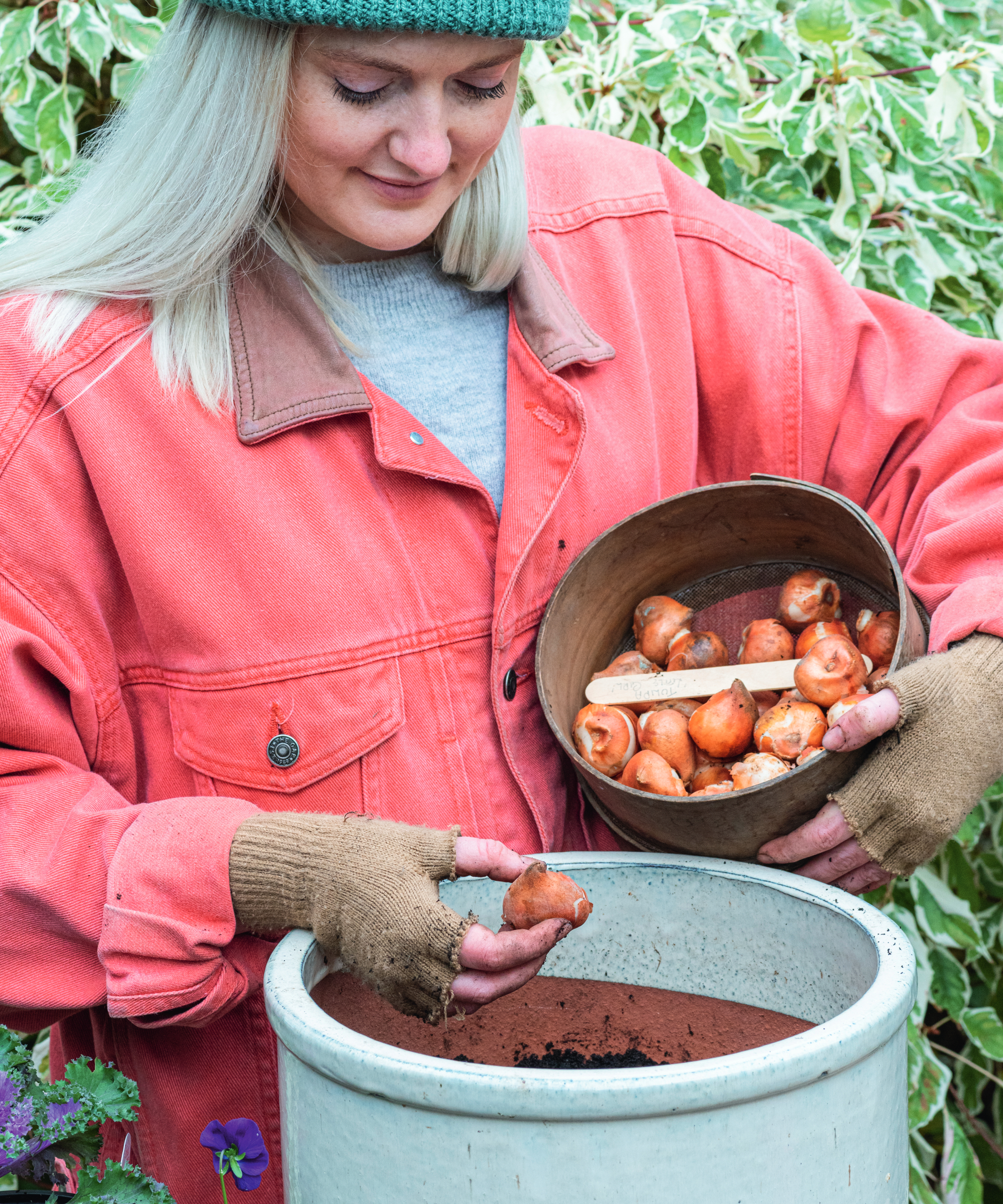
When planting bulbs in pots, simply add an inch-thick layer of chicken grit to the soil surface to deter squirrels from digging, where it will also act as a mulch.
Opt for a double layer of poultry grit when planting bulbs in the ground. Add an inch-thick layer of crushed oyster shells to the bottom of the planting hole, and sit the bulbs right on top. This helps to protects bulbs from burrowing pests who typically attack from below, when a landslide of sharp oyster shells will send them scurrying away in search of more easily accessible food. If voles, field mice and pocket gophers are a particular problem in your garden, you can also pack a shallow layer of grit all around the bulb to fully encase it.
Fill the planting trench with soil as normal but add a second inch-thick layer of oyster shell grit an inch or two below the surface. When squirrels or other critters hit this sharp, gravelly layer, they’ll give up digging. This top layer can also help deter raccoons and skunks who don’t eat bulbs but are attracted to freshly-dug soil to look for insects and grubs.
(Image credit: Getty Images)
How Oyster Shells Affect Soil
Crushed oyster shells will naturally improve soil drainage and create beneficial pockets of air, loosening up heavy soil. The shells also release calcium as they break down, which plants need to build cell walls.
Adding a heap of oyster shells to your soil can affect its pH levels long-term but this hard material breaks down so slowly, that’s not a problem unless you have soil that’s already very alkaline. While some bulbs like camassia (wild hyacinths) prefer acidic soil, more palatable tulip and crocus bulbs both tolerate mildly alkaline soil just fine. Testing your soil with simple pH test strips like these from Amazon will instantly give you an answer if you suspect your soil is highly alkaline.
(Image credit: Getty Images)
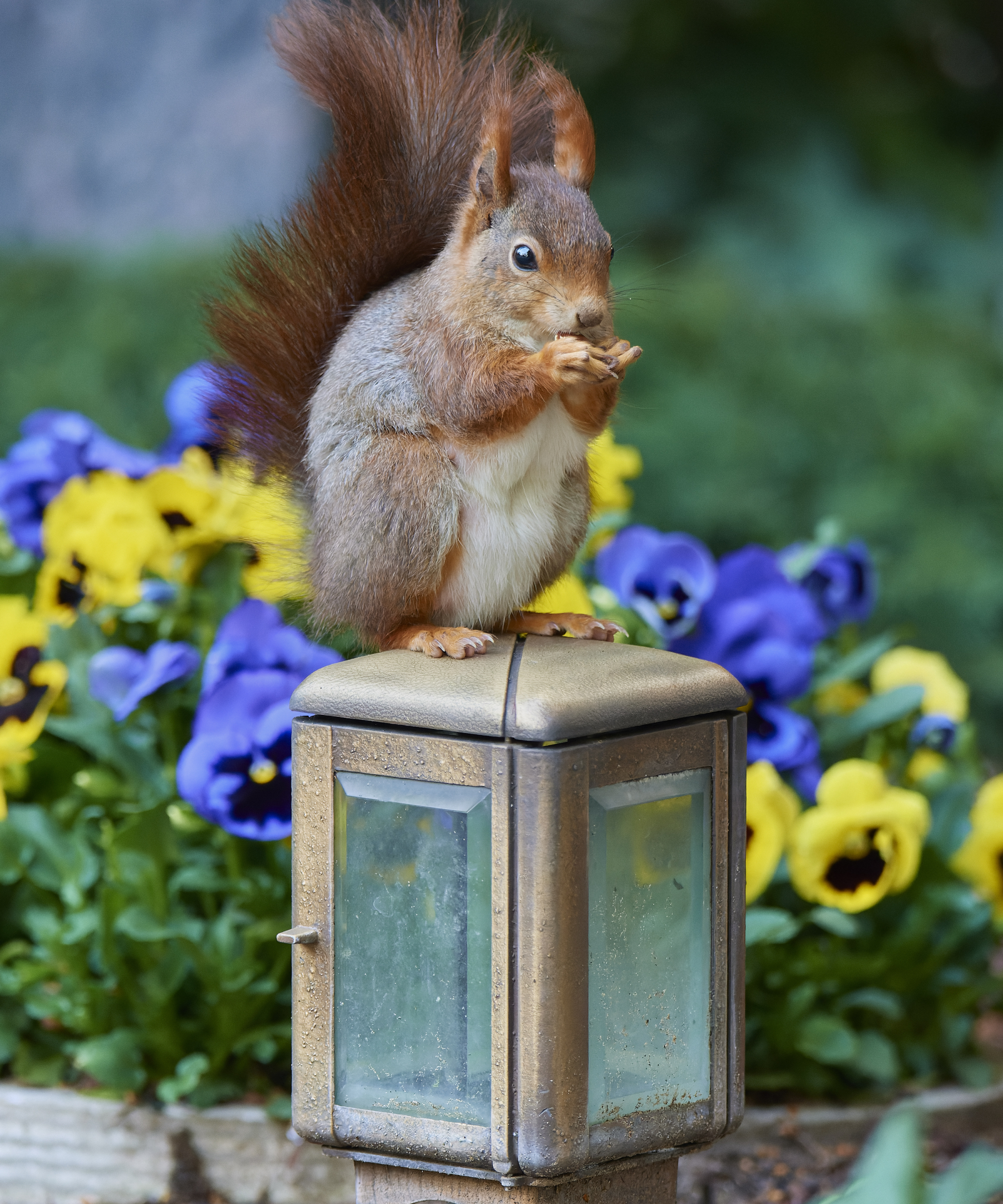
There are so many striking spring-flowering bulbs to plant in November, and using this clever trick will keep them safe from hungry animals in fall. Whether you view squirrels as garden pests or like to welcome wildlife into your garden, crushed oyster shells are a natural solution to prevent them digging up freshly planted bulbs in fall. Poultry grit is as economical as it is effective, too, so you get to enjoy those beautiful blooms come spring without spending a fortune.












 English (US) ·
 French (CA) ·